💡 How To Hide Water Heater Laundry Rooms
That clunky water heater or exposed laundry area can really detract from your home’s warmth.
I remember staring at my own utility corner, wishing it could just disappear into the wall.
But with a bit of creativity and practical steps, you can transform these functional spaces into beautiful, integrated parts of your home.
Quick Overview
This guide will help you craft clever and charming solutions to conceal your water heater and laundry mess.
You’ll learn how to blend utility with style, creating a more cohesive and inviting living space.
- Time needed: 1-3 weekends (depending on complexity)
- Difficulty: Intermediate
- What you’ll need: Measuring tape, basic carpentry tools, paint, fabric, or decorative materials
Step-by-Step Instructions
Step 1: Assess Your Space and Needs
Before any hammer swings, take a good look at your current laundry area and water heater location.
Consider the dimensions, surrounding walls, and existing plumbing.
Think about how much access you’ll need for maintenance or repairs.
- Measure the exact height, width, and depth of the water heater and laundry appliances.
- Note clearances required by local building codes or manufacturer instructions around the water heater for safety.
- Observe the flow of your room. How do you want the hidden space to integrate visually?
Pro Tip: Always prioritize safety and accessibility. Ensure any enclosure allows for proper ventilation and easy access for technicians. Check your water heater’s manual for specific clearance requirements.
Step 2: Choose Your Hiding Strategy
There are several popular and effective ways to hide these areas, each with its own aesthetic.
Consider the overall style of your home and how much effort you’re willing to put in.
This decision will guide your material choices and construction plan.
- Curtains or Fabric Panels: A simple, cost-effective solution for a soft, inviting look.
- Folding Screens: Portable and decorative, offering flexibility and a touch of elegance.
- Built-in Cabinetry: Provides the most seamless integration and storage, ideal for a custom, polished finish.
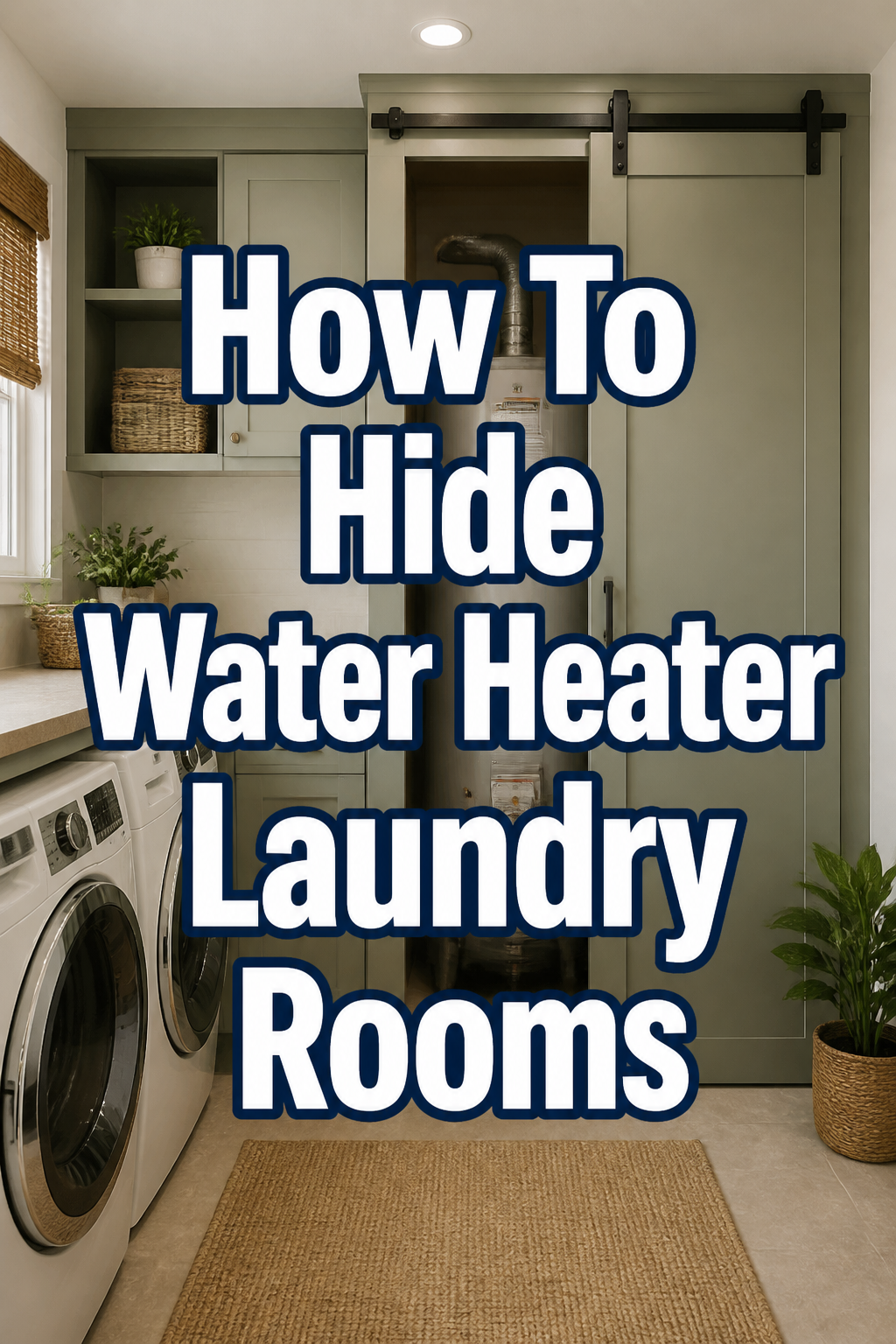
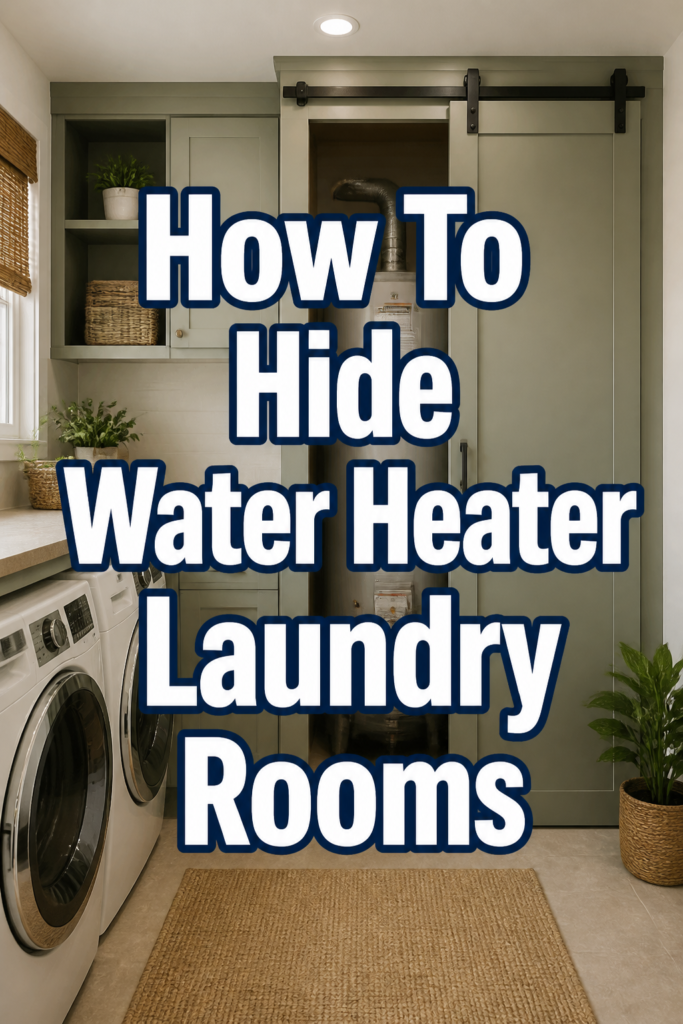
- Sliding Barn Doors: A trendy option that saves space and adds character.
- Louvered Bi-fold Doors: Offers ventilation and a classic, clean look.
Step 3: Plan for Ventilation and Access
Proper ventilation is crucial for water heaters, especially gas models, and helps prevent mold in laundry areas.
You also need to ensure that you, or a service person, can easily reach everything.
This thoughtful planning prevents headaches down the road.
- Incorporate louvered doors or vents into any cabinet or door design.
- Design doors that open wide or can be easily removed for maintenance.
- Ensure there’s enough space to maneuver around appliances when needed.
Step 4: Gather Your Materials and Tools
Having everything ready before you start will make the process much smoother.
Double-check your measurements and material quantities to avoid multiple trips to the store.
Safety gear is always a good idea too.
- Collect chosen materials: wood for framing, plywood for panels, fabric, hardware.
- Prepare your tools: saw, drill, level, measuring tape, stud finder, safety glasses.
- Purchase paint, stain, or fabric dyes that match your desired aesthetic.
Pro Tip: Upcycle materials where possible! Old doors can become sliding barn doors, or reclaimed wood can add rustic charm to a cabinet facade. It’s budget-friendly and adds character.
Step 5: Construct the Enclosure Frame (if applicable)
For built-in solutions like cabinets or framed doors, a sturdy frame is your foundation.
Accurate framing ensures your doors hang correctly and your enclosure looks professional.
Take your time with this step.
- Build a simple wooden frame around the water heater and laundry space, attaching it securely to wall studs.
- Ensure the frame is plumb and level for proper door alignment.
- Leave adequate clearance around the water heater as per safety guidelines.
Step 6: Install Doors or Panels
This is where your vision starts to come to life, transforming an eyesore into a feature.
Careful installation ensures smooth operation and a polished look.
Double-check your hardware before you start drilling.
- Hang bi-fold, sliding, or hinged doors onto your newly built frame or directly onto the wall.
- Attach curtain rods and chosen fabric panels for a softer, more flexible option.
- Position folding screens to cleverly block the view while still allowing easy access.
Step 7: Finish with Style and Function
The final touches are what truly integrate the hidden space into your home’s decor.
Think about how you can make this area both beautiful and subtly functional.
Small details can make a big difference.
- Paint or stain your new enclosure to match existing trim or cabinetry.
- Add decorative hardware like knobs or pulls that complement your home’s style.
- Install a small shelf above the laundry area for detergent or decorative items.
- Incorporate hooks on the inside of cabinet doors for lint traps or small tools.
Common Mistakes to Avoid
Ignoring Safety Clearances
It’s tempting to build a snug enclosure, but a water heater, especially a gas one, needs room to breathe. Failing to provide adequate clearance can be a fire hazard and impede proper ventilation, leading to dangerous carbon monoxide buildup or inefficient operation. Always consult your water heater’s manual and local building codes for required distances from combustible materials.
Blocking Access for Maintenance
Imagine a leak or a repair needed, and you can’t even get to your water heater without dismantling your beautiful new enclosure. Design your hiding solution with easy, full access in mind. Hinged doors that open wide, sliding panels that fully reveal the area, or even removable sections are far better than a permanent, sealed structure. Think about future you, or a technician, trying to work in that space.
Forgetting About Ventilation
Enclosing a water heater or laundry area without proper airflow can lead to problems. Gas water heaters need oxygen for combustion, and laundry rooms can get humid. Lack of ventilation can cause rust, mold, and inefficiency. Incorporate louvered doors, grilles, or strategic gaps in your design to ensure continuous air circulation, keeping your appliances healthy and your space fresh.
Over-Complicating the Design
While a custom built-in unit can be gorgeous, sometimes the simplest solution is the best. Don’t feel pressured to undertake a complex carpentry project if a stylish curtain or a well-placed decorative screen would suffice. Over-complicating can lead to frustration, budget overruns, and a less-than-perfect finish. Start simple and build complexity only if your skills and time allow.
Troubleshooting
Doors Don’t Close Properly
If your newly installed doors are sticking, rubbing, or won’t latch, the frame might not be perfectly plumb or level. Check the frame with a level in multiple spots, both horizontally and vertically. You might need to adjust shims under the frame or hinges. Sometimes, a slight adjustment to hinge screws can make all the difference. Ensure the floor isn’t uneven, affecting bi-fold or sliding door tracks.
Enclosure Feels Too Tight or Cramped
A cramped enclosure can make maintenance a nightmare and potentially compromise safety. Revisit your initial measurements and the water heater’s clearance requirements. If it’s too tight, consider widening the opening or using a different type of door that offers more flexibility, like a sliding barn door instead of bi-folds. You might need to remove a small section of framing to gain precious inches.
Poor Airflow and Musty Smells
If you notice a musty odor or feel warmth trapped within the enclosure, it’s a sign of insufficient ventilation. For laundry areas, ensure your dryer vent is properly connected and sealed. For water heaters, you may need to add more louvered panels, install a small vent grille near the top and bottom of the enclosure, or even consider a small, quiet exhaust fan. Air needs to flow both in and out.
Key Takeaways
- Always prioritize safety and accessibility for your water heater and laundry appliances.
- Careful measurement and planning are essential for a successful and seamless integration.
- Choose a hiding strategy that complements your home’s aesthetic and your DIY skill level.
- Ensure proper ventilation to prevent safety hazards and maintain air quality.
- Don’t underestimate the power of finishing touches like paint, hardware, and decorative elements.
- Simple solutions like curtains or screens can be just as effective and charming as custom cabinetry.
Frequently Asked Questions
Can I enclose a gas water heater completely?
No, you generally cannot enclose a gas water heater completely without proper ventilation. Gas water heaters require a constant supply of fresh air for combustion and to prevent the buildup of dangerous gases. Always ensure any enclosure includes louvered doors or vents that meet the manufacturer’s and local building code requirements for airflow. Safety is paramount when dealing with gas appliances.
What’s the best way to hide a water heater in a small apartment?
For small apartments, space-saving solutions are key. Consider using tension rod curtains with attractive fabric, a freestanding folding screen that can be moved easily, or a custom-built shallow cabinet with sliding doors. The goal is to conceal it without adding bulk or permanently altering the rental property. Prioritize flexibility and easy access for maintenance.
How do I make sure my hidden laundry area still feels functional?
Functionality comes from smart design. Incorporate shelves above the washer and dryer for detergents and supplies. Add hooks on the inside of cabinet doors for lint traps or small tools. A pull-out shelf for folding laundry or a small, wall-mounted ironing board can also maximize utility. Good lighting within the enclosure is also a game-changer.
Are there any smart home solutions for monitoring a hidden water heater?
Absolutely! You can install smart water leak detectors near the water heater that send alerts to your phone if moisture is detected. There are also smart temperature and humidity sensors that can monitor the environment within the enclosure, ensuring proper ventilation. These devices offer peace of mind, especially when the unit is out of sight.
Our Top Recommended Finds
- Louvered Bi-fold Doors: Excellent for combining concealment with essential ventilation.
- Heavy-Duty Curtain Rods & Fabric: Provides a flexible, stylish, and budget-friendly hiding solution.
- Water Leak Detector with Smart Alerts: Offers peace of mind, especially for hidden appliances, by notifying you of any leaks.
Your Home’s New Look Awaits!
Imagine walking into your laundry room or utility space and feeling a sense of calm, not clutter.
These small changes can make a huge impact on your home’s overall feel and aesthetic.
Ready to transform those hidden utility spots into something beautiful?
Grab your measuring tape and start dreaming up your perfect cozy corner today!