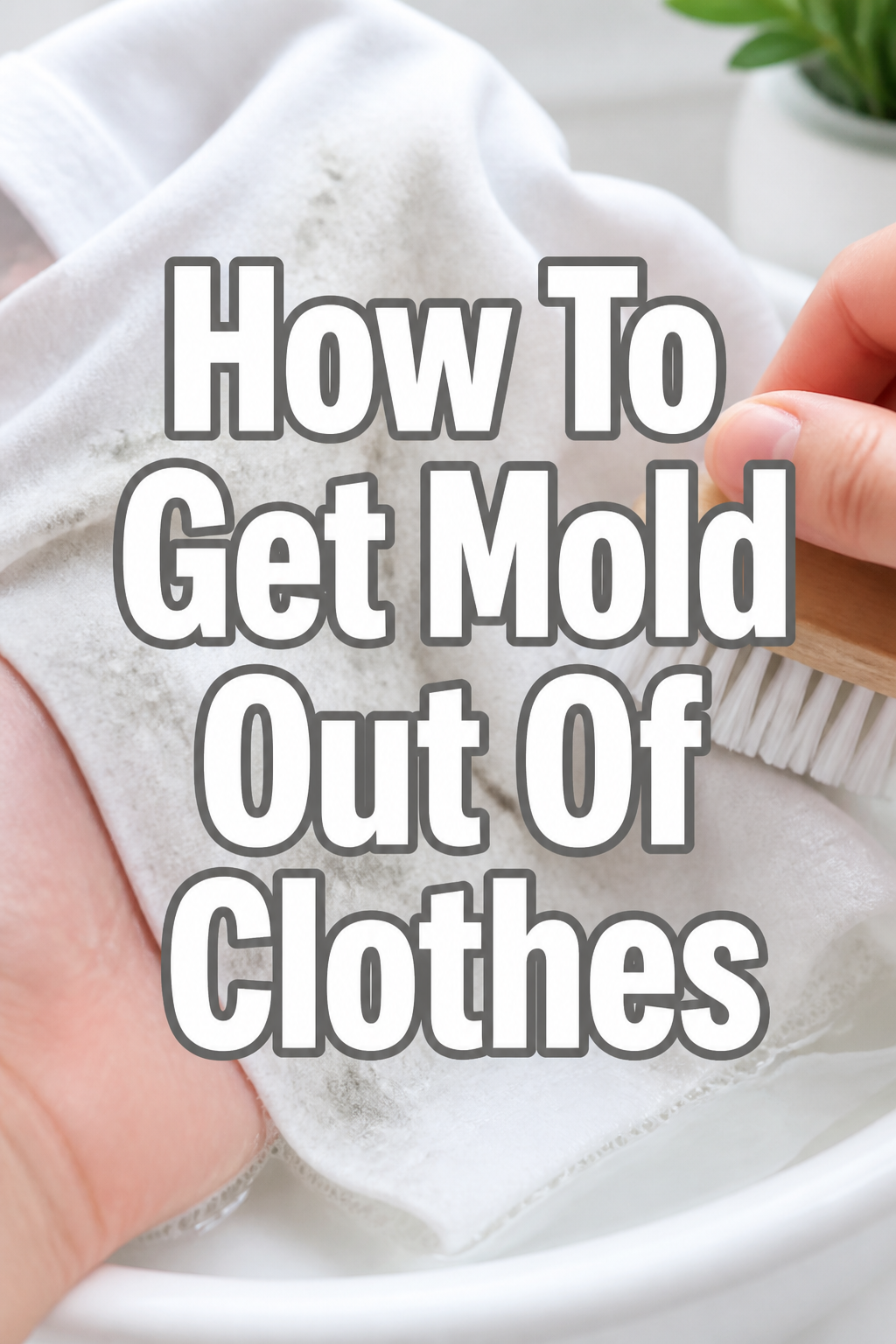
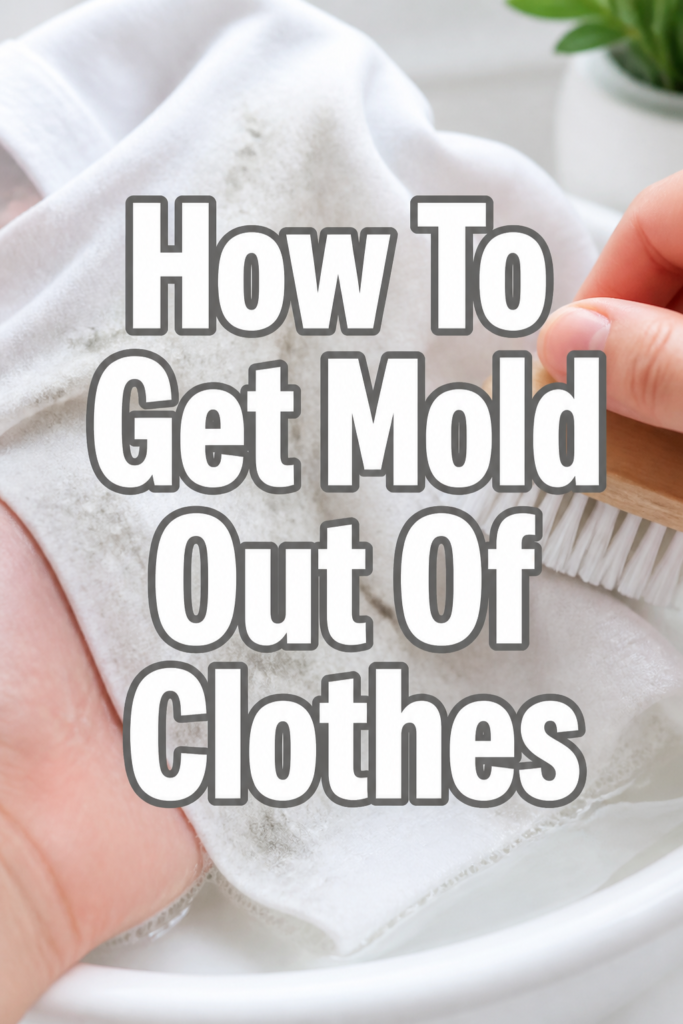
🧺 How To Get Mold Out Of Clothes
There’s nothing quite like pulling out a favorite sweater, only to discover that tell-tale musty smell and those unwelcome spots.
Mold on clothes can feel like a setback, especially when you’ve curated your wardrobe with such care, but it’s a common issue we can absolutely fix together.
Having faced this very challenge in my own cozy cottage, I’ve learned the most gentle yet effective ways to restore cherished fabrics and prevent future unwelcome surprises.
Quick Overview
This guide will gently walk you through reclaiming your garments from mold, making them fresh and ready to wear again.
You’ll learn how to treat various fabrics, embrace natural solutions, and set up your living spaces to keep mold away for good.
- Time needed: 1-3 hours (plus drying time)
- Difficulty: Beginner
- What you’ll need: White vinegar, borax, oxygen bleach (optional), laundry detergent, scrubbing brush, sun.
Step-by-Step Instructions
Step 1: Isolate and Prepare
Before you begin, gently take the affected clothing item and move it away from other fabrics.
This simple act prevents mold spores from spreading to clean clothes in your hamper or closet.
Find a well-ventilated space, perhaps near an open window or in a bright, airy laundry room, to start your work.
Pro Tip: Consider laying down an old towel or newspaper to catch any stray spores as you handle the garment. Think of it as creating a clean, contained workspace, just like you would for a crafting project.
Step 2: Brush Away Loose Spores
Take the item outside if possible, or over a trash can, and use a stiff brush or an old toothbrush to gently brush off any visible, dry mold.
Be careful not to rub too hard, as this can embed the spores deeper into the fabric fibers.
This initial brushing removes the surface layer, making the deeper cleaning steps more effective and less messy.
Step 3: Pre-Treat with White Vinegar
White vinegar is a wonderful natural mold fighter and fabric softener, perfect for a gentle approach.
Pour undiluted white vinegar directly onto the moldy spots, ensuring the fabric is thoroughly saturated.
Let the vinegar soak into the fabric for at least 30 minutes, allowing its acidic properties to break down the mold.
Step 4: Create a Borax Solution for Tougher Stains
For more stubborn mold, a borax solution offers an extra layer of cleaning power.
Mix half a cup of borax with a small amount of warm water to create a paste.
Gently rub this paste directly onto the mold stains, working it into the fabric with a soft brush.
Step 5: Wash with Hot Water and Detergent
Place the pre-treated garment into your washing machine, ideally by itself or with other moldy items.
Add your regular laundry detergent and select the hottest water setting suitable for the fabric type.
Hot water is crucial for killing mold spores and washing away any remaining residue.
Pro Tip: If your washing machine has a “sanitize” cycle, this would be an excellent choice for a thorough clean. You can also add another cup of white vinegar to the wash cycle for an extra boost of freshness and mold removal.
Step 6: Consider Oxygen Bleach (for white or colorfast items)
For white or very colorfast fabrics with persistent stains, oxygen bleach can be a powerful ally.
Follow the product instructions to add it to your wash cycle, or create a pre-soak solution.
Oxygen bleach is gentler than chlorine bleach but still effective at brightening and removing tough spots.
Step 7: Air Dry in Sunshine
After washing, resist the urge to tumble dry the item, even if it looks clean.
Instead, hang the garment outside in direct sunlight, if possible, or in a well-ventilated indoor space.
The sun’s UV rays are natural mold killers and will help to further sanitize and freshen the fabric, leaving it smelling wonderfully clean.
Step 8: Inspect and Repeat if Necessary
Once the garment is completely dry, carefully inspect it for any lingering mold spots or musty smells.
Sometimes, very stubborn mold might require a second round of treatment.
Don’t be discouraged if you need to repeat a few steps; persistence pays off in restoring your beloved clothes.
Common Mistakes to Avoid
Drying Before Mold is Gone
Putting a moldy garment into a tumble dryer before the mold is completely removed can actually set the stain.
The heat from the dryer bakes the mold spores into the fabric, making them much harder, if not impossible, to remove later.
Always air dry and inspect thoroughly before using a machine dryer.
Using Chlorine Bleach on Colored Fabrics
While chlorine bleach is effective on mold, it’s very harsh and can easily damage or permanently discolor colored fabrics.
It’s best reserved for white items only, and even then, use with caution and proper ventilation.
For colors, oxygen bleach or natural alternatives like vinegar and borax are safer and just as effective.
Ignoring the Root Cause
Simply removing mold from clothes without addressing why it appeared in the first place is a temporary fix.
Mold thrives in damp, poorly ventilated areas, so check your closets, drawers, and laundry hampers.
Consider adding dehumidifiers, improving airflow, or ensuring clothes are completely dry before storing them.
Overloading the Washing Machine
Washing too many items at once, especially moldy ones, can prevent proper cleaning and rinsing.
The clothes need space to agitate and for the cleaning solutions to penetrate every fiber.
Give your garments room to breathe in the machine for the best results.
Troubleshooting
Lingering Musty Smell
If your clothes still have a faint musty odor after washing and drying, try another vinegar soak.
Fill a basin with warm water and add one cup of white vinegar, then let the garment soak for a few hours or overnight.
Follow with another wash cycle and another round of sun-drying for maximum freshness.
Persistent Stains
For very old or deeply set mold stains, a stronger oxygen bleach solution might be necessary for colorfast items.
You can also try a paste made from hydrogen peroxide and baking soda on the affected area, letting it sit before washing.
Always test any strong solution on an inconspicuous spot first to ensure it won’t damage the fabric.
Mold on Delicate Fabrics
Delicate items like silk or wool require a gentler touch than cotton or synthetics.
Avoid harsh scrubbing and very hot water for these materials.
Opt for a cold water wash with vinegar, and carefully hand-wash or use a delicate cycle, then air dry flat to maintain shape.
Key Takeaways
- Act Quickly: Address mold spots as soon as you notice them to prevent deeper penetration and spread.
- Ventilation is Key: Always work in a well-ventilated area and ensure clothes dry completely in open air.
- Natural Powerhouses: White vinegar and borax are gentle yet effective, making them ideal for home use.
- Sunlight is Your Friend: Harness the natural sanitizing power of the sun for drying and deodorizing.
- Prevent Future Growth: Maintain good airflow in closets and ensure clothes are dry before storing to keep mold at bay.
- Test First: Always test cleaning solutions on a hidden part of the garment to avoid damage or discoloration.
Frequently Asked Questions
Can I wash moldy clothes with regular laundry?
It’s best to wash moldy clothes separately to prevent the spread of spores to your clean garments.
After washing moldy items, you might even consider running an empty hot water cycle in your machine to clean it thoroughly.
Is mold on clothes dangerous?
While small amounts of mold on clothes are usually not immediately dangerous, prolonged exposure or sensitivity can cause skin irritation or respiratory issues.
It’s always best to remove mold promptly and thoroughly to maintain a healthy home environment.
How can I prevent mold from growing on clothes in my closet?
To prevent mold, ensure your closet has good air circulation and isn’t overcrowded.
Keep humidity levels low with a dehumidifier if needed, and always make sure clothes are completely dry before putting them away.
Consider using cedar blocks or moisture absorbers for an extra layer of protection.
What if the mold stain won’t come out?
Some very old or severe mold stains might be permanent, especially if they’ve deeply damaged the fabric fibers.
If multiple treatments haven’t worked, it might be time to repurpose the item or consider it beyond saving.
However, most fresh mold spots are quite treatable with the right approach.
Our Top Recommended Finds
- White Vinegar: An eco-friendly, multi-purpose cleaner for laundry and home.
- Borax Powder: A natural mineral that boosts cleaning power and tackles tough stains.
- Oxygen Bleach (e.g., OxiClean): A safer alternative to chlorine bleach for brightening and stain removal on most fabrics.
Embrace a Fresher Home and Wardrobe
There’s a quiet joy in knowing your living spaces are cared for, and your cherished belongings are fresh and clean.
Tackling mold on clothes isn’t just about cleaning; it’s about nurturing your home environment, ensuring every corner feels welcoming and healthy.
Imagine your newly fresh clothes, neatly folded in a beautifully organized dresser, or hanging in a breathable closet, free from any hint of dampness.
This simple act of restoration contributes to the overall peace and aesthetic of your home, making it a truly comfortable sanctuary.
Don’t let mold diminish the beauty of your wardrobe or the comfort of your home—take these steps today and rediscover the freshness!