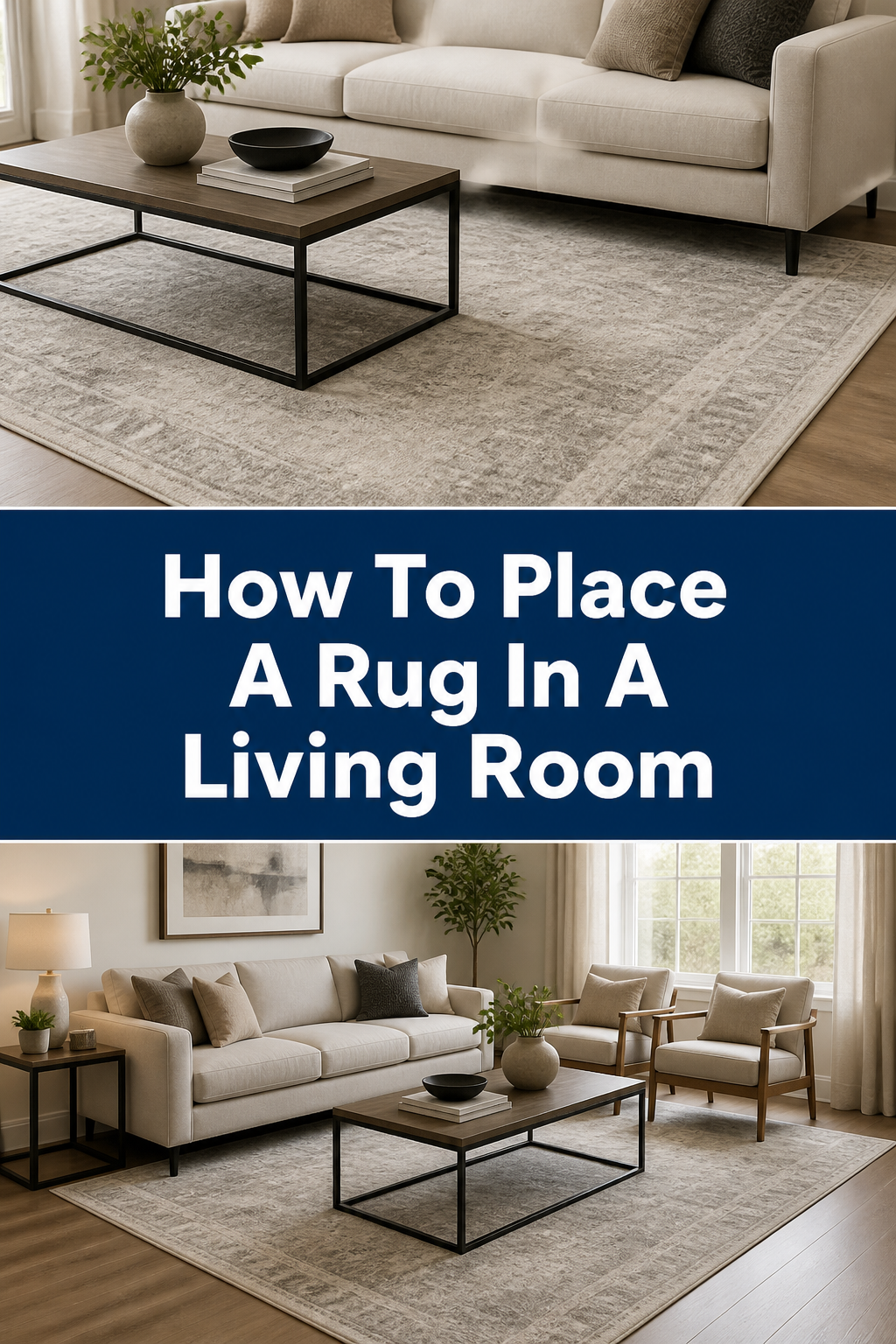
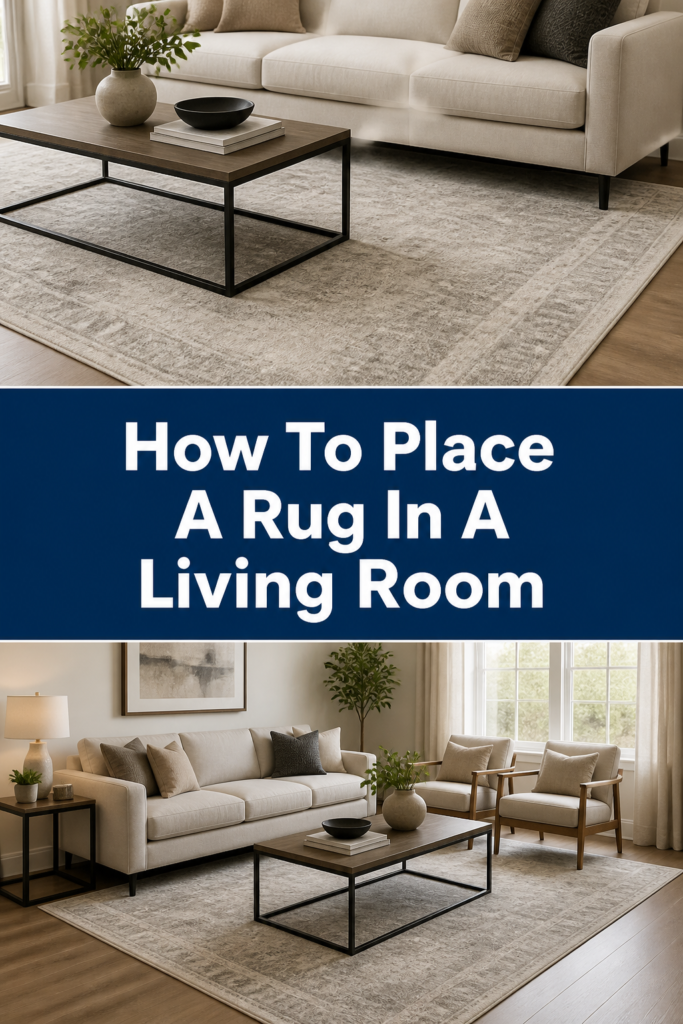
🛋️ How To Place A Rug In A Living Room
A living room rug isn’t just a floor covering; it’s the soul of your space.
It grounds your furniture, defines areas, and adds a crucial layer of comfort and style.
Having navigated countless living room layouts in my own home and for friends, I’ve learned the subtle art of rug placement to create truly inviting spaces.
Quick Overview
Transforming your living room with the perfect rug is an incredibly rewarding project.
This guide will walk you through everything, from choosing the right size to perfecting its placement, ensuring your space feels cohesive and cozy.
- Time needed: 1-2 hours (including planning and actual placement)
- Difficulty: Beginner
- What you’ll need: Measuring tape, painter’s tape (optional), rug pad, vacuum cleaner.
Step-by-Step Instructions
Step 1: Understand Your Room’s Purpose
Before you even think about sizes, consider what your living room is primarily used for.
Is it a cozy spot for reading, a bustling family hub, or a formal entertaining area?
Define the main function to help inform your rug choice and placement strategy.
Step 2: Measure Your Space Accurately
This is perhaps the most crucial step in avoiding common rug mistakes.
Measure the length and width of your entire living room, noting any architectural features like fireplaces or built-in shelving.
Measure the dimensions of your main seating arrangement, including your sofa, armchairs, and coffee table.
Pro Tip: Use painter’s tape on the floor to outline potential rug sizes. This visual aid helps you truly see how different dimensions will fill your space before you buy.
Step 3: Choose the Right Rug Size
The “right” size rug for your living room depends on your furniture arrangement and the room’s overall dimensions.
There are a few classic approaches to consider, each creating a distinct feel.
Opt for a large rug that all main furniture pieces can sit entirely on, creating a truly unified zone.
Select a medium-sized rug where the front two legs of all major upholstered pieces (sofa, armchairs) rest on the rug.
Consider a smaller rug that anchors just the coffee table and perhaps the front legs of the sofa, best for smaller rooms or specific zones.
Step 4: Select Your Rug’s Style, Material, and Color
Beyond size, the rug’s aesthetic qualities are vital for complementing your existing decor.
Think about the overall style of your room – is it modern, bohemian, traditional, or eclectic?
Choose a material that suits your lifestyle; wool for durability, jute for texture, or synthetic for easy cleaning.
Pick a color and pattern that either harmonizes with your existing palette or serves as a bold focal point.
Pro Tip: If your room has many patterns, choose a solid or subtly textured rug. If your furniture is mostly solid, a patterned rug can add exciting visual interest.
Step 5: Prepare the Floor and Position the Rug Pad
A clean surface is essential for proper rug placement and longevity.
Vacuum or sweep the area where the rug will go thoroughly to remove any dust or debris.
Unroll your rug pad and position it carefully, ensuring it’s centered where your rug will lay.
Trim the rug pad if necessary, making sure it’s slightly smaller than your rug (about an inch shorter on all sides) to remain unseen.
Step 6: Place the Rug
This is the moment of truth! Get a helper if your rug is large or heavy.
Unroll the rug over the pad, starting from one end and carefully guiding it into place.
Adjust the rug so it’s perfectly centered beneath your furniture arrangement, following your chosen layout strategy.
Ensure that the edges are straight and the rug lies flat without any bumps or wrinkles.
Step 7: Arrange Your Furniture
With the rug in place, it’s time to settle your furniture back into its home.
Position your sofa and armchairs according to your chosen rug placement method (all legs on, front legs on, or just anchoring the coffee table).
Place your coffee table and any side tables, ensuring they are balanced and accessible.
Step back and observe the overall balance and flow of the room, making small adjustments as needed.
Step 8: Assess and Refine
Once everything is in place, take a moment to truly live with your new arrangement.
Walk around the room, sit on the sofa, and experience the space from different angles.
Check for any areas that feel unbalanced or awkward.
Adjust furniture slightly or even rotate the rug if it has a directional pattern, until everything feels just right.
Common Mistakes to Avoid
Too Small a Rug
A rug that is too small for your space is the most common and jarring mistake people make.
It makes a room feel disconnected and the furniture look like it’s floating, rather than being part of a cohesive design.
Always err on the side of a larger rug; it has the power to unify and expand your living area visually.
Ignoring Furniture Legs
Placing a rug without considering how it interacts with your furniture legs can disrupt the visual flow.
A rug that is merely floating in the middle of a seating arrangement, with no furniture touching it, looks adrift.
Ensure at least the front two legs of your main seating pieces are on the rug to create that essential grounded feeling.
Wrong Orientation
Sometimes, a rug is the right size but placed incorrectly, especially if it’s rectangular.
Placing a long rug across a short sofa can make the room feel wider but shorter, creating an odd proportion.
Orient your rug to align with the longest piece of furniture it’s anchoring, usually the sofa, to enhance the room’s natural flow and dimensions.
Clashing Colors or Patterns
While mixing patterns can be wonderful, doing so without a cohesive color story can lead to visual chaos.
A rug that fights with your existing upholstery, curtains, or artwork can make the room feel busy and uncomfortable.
Choose a rug that either introduces a complementary color, pulls colors from existing elements, or offers a neutral backdrop for other patterns.
Troubleshooting
Rug Won’t Lie Flat
Sometimes, a new rug, especially one that’s been rolled tightly, will have stubborn creases or curls.
Try reverse rolling the rug tightly in the opposite direction for a few hours or overnight to help release the tension.
Placing heavy books or furniture on the stubborn corners for a day or two can also help flatten them out effectively.
Rug Slides Around
A slipping rug is not only annoying but also a tripping hazard, especially in high-traffic areas.
The most effective solution is to use a high-quality rug pad specifically designed for your floor type (hardwood, tile, carpet).
Ensure the rug pad covers most of the rug’s underside, leaving about an inch border, for maximum grip and cushioning.
Room Feels Too Busy
If your living room feels overwhelmed after placing a new rug, it might be due to too many competing elements.
Consider simplifying other aspects of the room, such as removing a few decorative pillows or a piece of wall art.
Sometimes, swapping a patterned rug for a solid, textured one, or vice-versa, can bring a sense of calm and balance.
Key Takeaways
- Measure precisely: Always know your room and furniture dimensions before buying.
- Go bigger, not smaller: A slightly larger rug almost always looks better than one that’s too small.
- Anchor your furniture: Ensure at least the front legs of main seating pieces are on the rug.
- Consider function and flow: Let your room’s purpose and traffic patterns guide your placement.
- Use a rug pad: Essential for safety, comfort, and extending your rug’s life.
- Trust your eye: Live with it for a bit, then make small adjustments until it feels perfect.
Frequently Asked Questions
Can I layer rugs in a living room?
Absolutely! Layering rugs can add incredible depth, texture, and a bohemian flair to your living room.
Start with a large, neutral, flat-weave rug as a base, then place a smaller, more decorative rug on top to define a specific area or add a pop of color.
Ensure the base rug is large enough to anchor your main furniture, while the top rug highlights a specific zone like a coffee table.
How much space should be left between the rug and the walls?
Generally, aim for about 10-18 inches of exposed flooring between the edge of your rug and the walls of the room.
In smaller living rooms, you might reduce this to 8-12 inches, while larger, open-concept spaces can handle up to 24 inches.
This visible border helps frame the rug and prevents the room from feeling completely carpeted, maintaining a sense of spaciousness.
Should my rug be centered in the room or with the furniture?
Prioritize centering your rug with your main furniture grouping rather than the entire room.
The rug’s primary purpose is to define and ground your seating area, so its relationship to the sofa, chairs, and coffee table is most important.
If your furniture is centered in the room, then the rug will naturally follow suit, creating a harmonious and balanced arrangement.
What if my living room is open concept?
In open-concept spaces, rugs become even more vital for defining distinct zones without physical walls.
Use a large rug to clearly delineate the living area from the dining area or kitchen, creating a sense of separation and purpose for each zone.
Ensure each rug is appropriately sized for its designated area, anchoring all main furniture pieces within that zone.
Our Top Recommended Finds
- High-Quality Felt + Rubber Rug Pad: Provides excellent cushioning, prevents slipping, and protects your floors.
- Large Measuring Tape (25-30 ft): Essential for accurately measuring large rooms and furniture layouts.
- Painter’s Tape (Low Tack): Perfect for outlining potential rug sizes on your floor without damaging surfaces.
Crafting Your Cozy Haven
Placing a rug in your living room is more than just a functional decision; it’s an opportunity to infuse your space with personality and warmth.
It’s about creating an inviting foundation that draws you in, making your house feel more like a home.
Don’t be afraid to experiment, trust your instincts, and see how this one element can completely transform the atmosphere.
Why not take out your measuring tape today and start envisioning the heart of your living room?