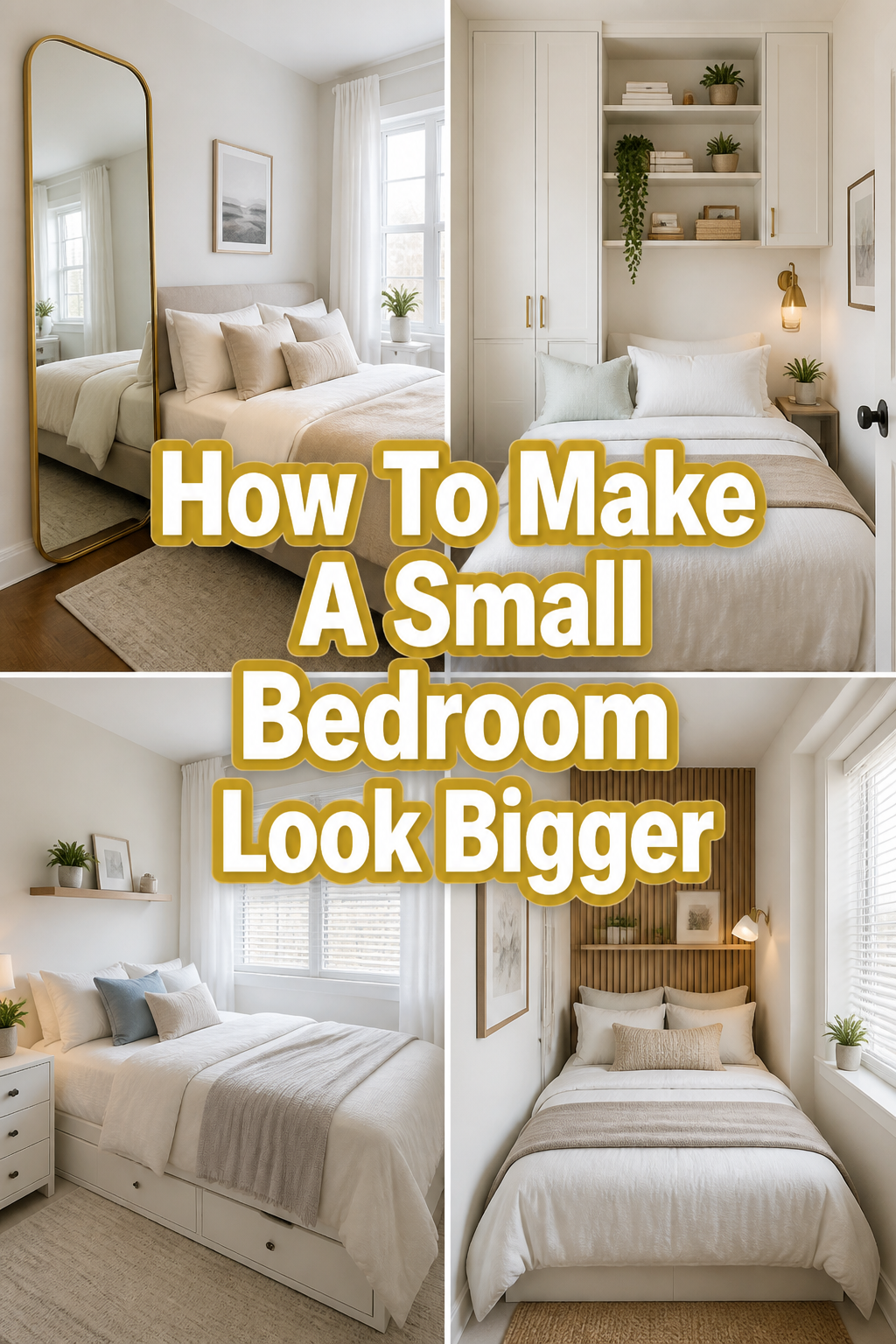
✨ How To Make A Small Bedroom Look Bigger
Living in a small bedroom can sometimes feel like a puzzle, trying to fit all your needs into a compact space.
I remember feeling frustrated with my own tiny room, but I discovered that clever design choices can truly open up a world of possibilities.
This guide shares practical, tried-and-true methods to transform your cozy corner into a spacious-feeling sanctuary.
Quick Overview
This guide will walk you through actionable steps to create the illusion of more space in your small bedroom.
You’ll learn how to optimize your layout, choose the right decor, and make your room feel open and inviting.
- Time needed: 1-2 weekends (for decluttering, painting, and furniture rearrangement)
- Difficulty: Beginner
- What you’ll need: Measuring tape, paint (optional), storage solutions, mirrors, appropriate lighting, and a willingness to declutter.
Step-by-Step Instructions
Step 1: Declutter Ruthlessly and Regularly
The first and most impactful step to making any small room feel larger is to remove anything you don’t truly need or love.
Visual clutter immediately shrinks a space, making it feel cramped and overwhelming.
- Empty your room as much as possible, taking everything out of drawers, closets, and off surfaces.
- Sort items into three piles: Keep, Donate/Sell, and Trash. Be honest with yourself about what you actually use.
- Store items you keep but don’t use daily in dedicated, out-of-sight storage.
- Maintain this habit by regularly purging new items or things that accumulate.
Pro Tip: If you haven’t used an item in six months to a year, seriously consider letting it go. A streamlined space equals a clearer mind.
Step 2: Master Your Color Palette
Color plays a huge psychological role in how we perceive space. Lighter colors reflect light, making walls recede and rooms feel more expansive.
Choose a cohesive palette to bring a sense of calm and openness to your bedroom.
- Opt for light, neutral colors for your walls. Think soft whites, pale grays, light blues, or gentle creams.
- Consider painting the ceiling a slightly lighter shade than the walls, or the same color, to blur the lines between wall and ceiling.
- Use a monochromatic or analogous color scheme (colors next to each other on the color wheel) for textiles and decor. This creates harmony and avoids visual fragmentation.
- Add subtle pops of color through small accessories, rather than large, bold statements.
Step 3: Embrace Strategic Lighting
Good lighting can dramatically alter the perception of space, making a room feel bright and airy.
Layer your lighting to create depth and eliminate dark corners that make a room feel smaller.
- Maximize natural light by keeping windows unobstructed.
- Install sheer curtains or blinds that allow light to filter in while maintaining privacy.
- Incorporate multiple light sources: overhead (flush mount or recessed), task lighting (bedside lamps), and accent lighting (picture lights or floor lamps).
- Choose fixtures with a small footprint, like wall-mounted sconces or slim floor lamps, instead of bulky table lamps.
- Use dimmer switches to control the ambiance and brighten the room when needed.
Pro Tip: Warm white or daylight bulbs can make a room feel more inviting and true-to-color than harsh cool white light.
Step 4: Choose Furniture Wisely
Every piece of furniture in a small bedroom needs to earn its place, ideally serving multiple functions or appearing lightweight.
Focus on scale and transparency to maintain an open feel.
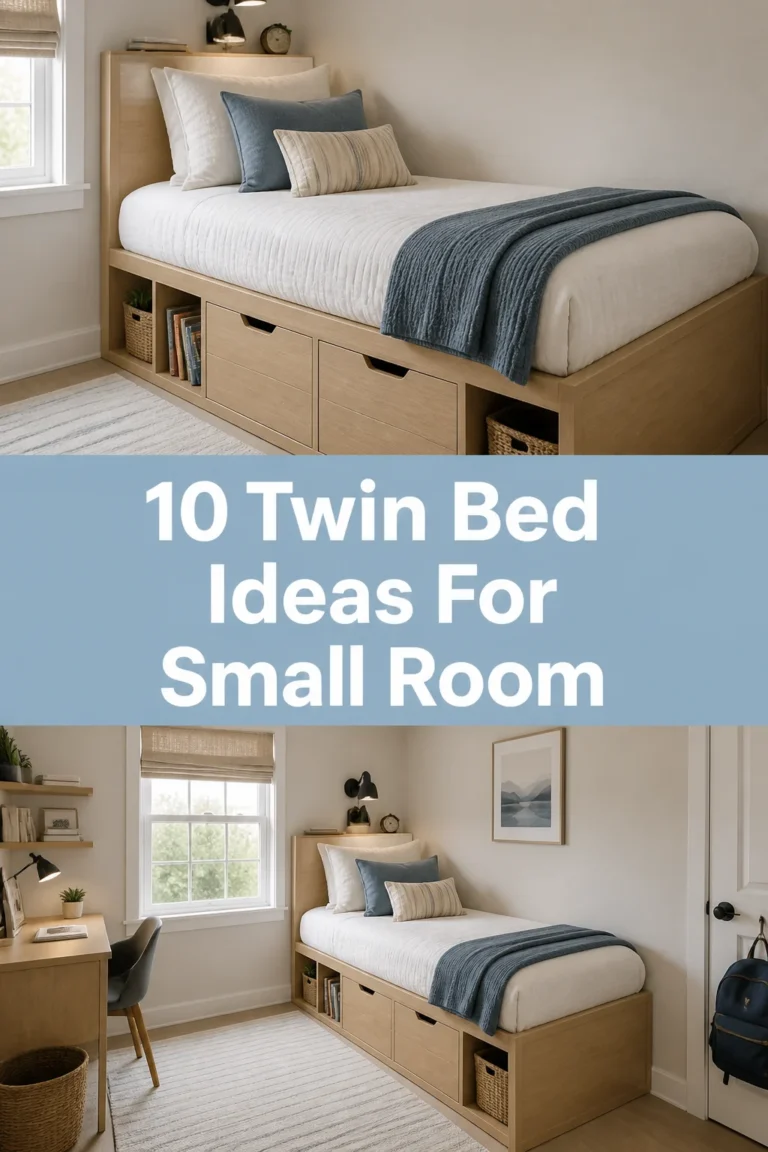
- Select multi-functional furniture, such as a bed with built-in drawers, an ottoman with storage, or a desk that doubles as a nightstand.
- Opt for pieces with exposed legs rather than solid bases. This allows light and sightlines to pass underneath, making the furniture seem less heavy.
- Consider “floating” furniture, like wall-mounted shelves or nightstands, to free up floor space.
- Choose transparent materials like acrylic or glass for chairs or tables to minimize visual bulk.
- Ensure furniture is proportionate to the room size. Avoid oversized pieces that overwhelm the space.
Step 5: Mirror, Mirror, On The Wall
Mirrors are a designer’s secret weapon for expanding small spaces, reflecting light and creating the illusion of depth.
Strategically placed mirrors can work wonders.
- Place a large mirror on a wall opposite a window to reflect natural light and outdoor views, effectively doubling the perceived size of the window.
- Lean a full-length mirror against a wall to add height and depth without taking up much physical space.
- Incorporate mirrored closet doors to make an entire wall seem to disappear.
- Use mirrors with simple, thin frames to keep the look clean and modern.
Step 6: Utilize Vertical Space Smartly
When floor space is limited, look up! Maximizing vertical storage draws the eye upward, enhancing the feeling of height.
This keeps clutter off the floor and surfaces, contributing to a more open feel.
- Install tall, narrow bookshelves or shelving units that extend up towards the ceiling.
- Add floating shelves above your bed or desk for displaying decor or storing books.
- Consider a tall dresser instead of a wide one to gain storage without sacrificing floor area.
- Use wall-mounted storage solutions, like pegboards or wall organizers, for small items.
Step 7: Choose Curtains and Window Treatments Wisely
How you dress your windows can significantly impact the perceived size and height of your room.
Done incorrectly, they can chop up a wall and make a room feel shorter.
- Hang curtains high and wide. Install your curtain rod several inches above the window frame and extend it beyond the frame on both sides.
- Select floor-length curtains that just skim the floor. This creates a continuous vertical line, making the walls appear taller.
- Choose lightweight fabrics like linen or sheer cotton in a color that matches or is slightly lighter than your walls.
- Avoid heavy, dark drapes or curtains with busy patterns, which can absorb light and make the room feel enclosed.
Step 8: Thoughtful Decor and Art
While decluttering is key, a completely bare room can feel sterile. Thoughtful decor adds personality without adding clutter.
Focus on a few impactful pieces rather than many small ones.
- Opt for one large piece of art on a main wall instead of a gallery wall with many small frames. This creates a focal point and prevents visual busyness.
- Choose decor items that are functional or have sentimental value.
- Keep surfaces clear with minimal decorative objects. A few well-chosen items are more effective than many knick-knacks.
- Incorporate plants to bring life and freshness into the room. Opt for tall, slender plants or hanging plants to draw the eye upward.
Common Mistakes to Avoid
Over-Decorating and Clutter
A common pitfall is trying to fit too much personality or too many items into a small space. This quickly leads to visual clutter, making the room feel even smaller and overwhelming.
Instead, embrace minimalism. Choose a few meaningful pieces of decor and ensure every item has a designated home. Less truly is more when space is at a premium.
Using Dark, Heavy Colors
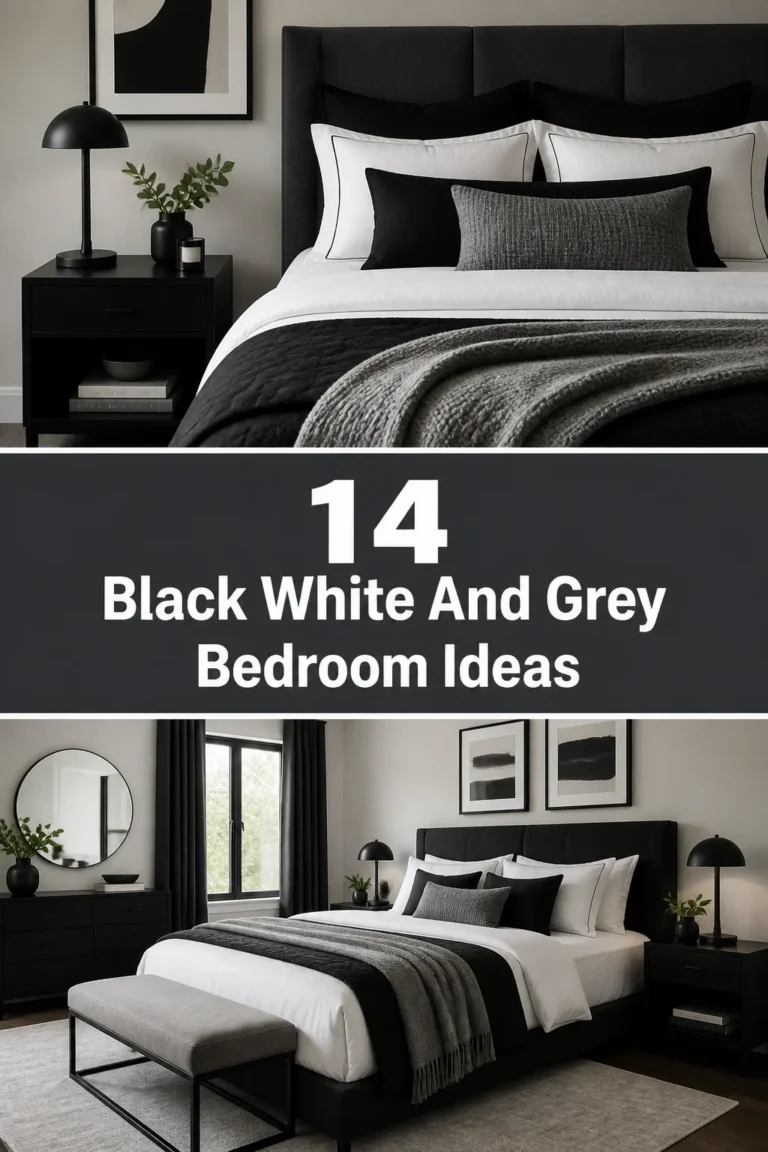
While a dark accent wall can be dramatic in a large room, using dark or heavy colors throughout a small bedroom will absorb light and make the walls feel like they’re closing in.
Stick to light, airy neutrals for major surfaces. You can introduce deeper tones through small accessories or textiles, but keep the overall backdrop bright and reflective.
Bulky, Oversized Furniture
Trying to squeeze large, substantial furniture into a small room is a common mistake. An oversized bed, a massive dresser, or a chunky armchair will dominate the space and leave no room to breathe.
Measure carefully and choose furniture that is proportionate to your room’s dimensions. Look for pieces with slim profiles, exposed legs, or built-in storage to maximize functionality without sacrificing visual space.
Poor Lighting Choices
Relying on a single overhead light fixture or having too many dark corners can make a small room feel dim and cramped. Insufficient lighting creates shadows that shrink a space.
Layer your lighting with a mix of overhead, task, and accent lights. Maximize natural light with sheer curtains and strategically placed mirrors to bounce light around the room.
Troubleshooting
My Room Still Feels Cramped, Even After Decluttering
Sometimes, even with less stuff, the layout itself can be the problem. Re-evaluate your furniture placement.
Try positioning your bed against the longest wall to maximize floor space. Consider if any large pieces of furniture could be replaced with smaller, multi-functional alternatives. Ensure clear pathways for movement.
It Feels Too Sterile or Uninviting
A focus on making a room look bigger can sometimes lead to a lack of warmth. To combat this, introduce texture and subtle warmth.
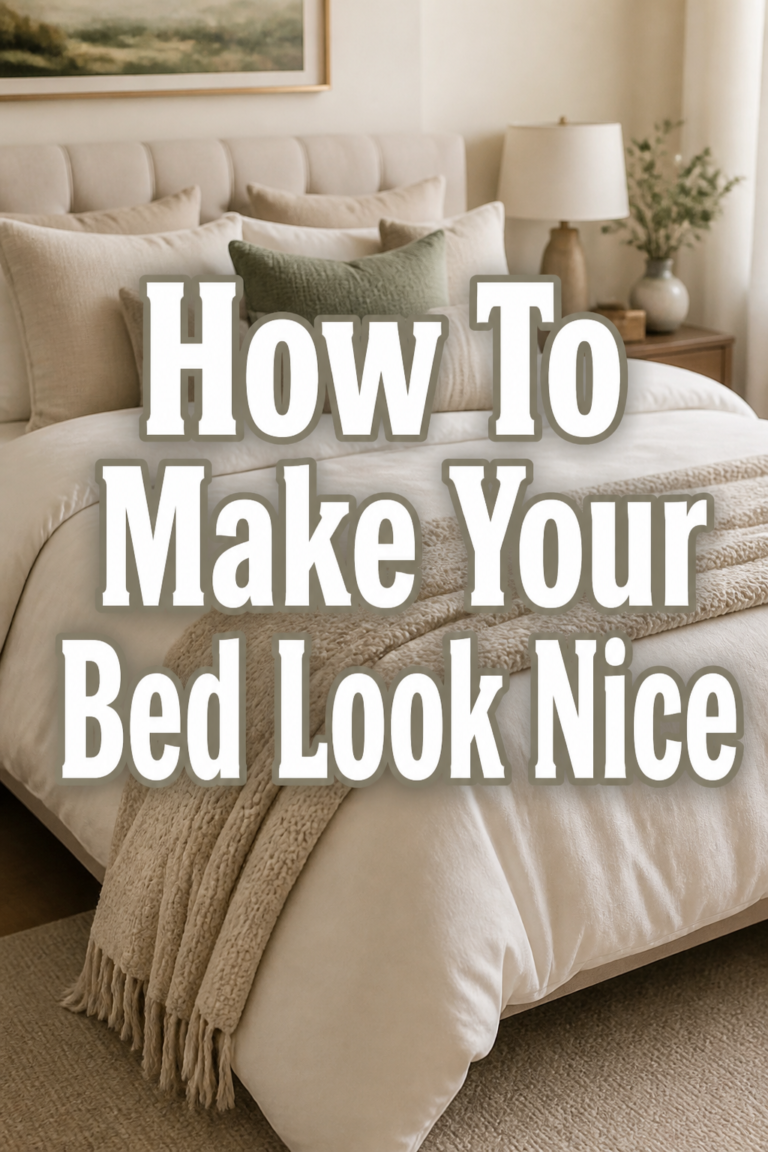
Add soft textiles like a cozy throw blanket, decorative pillows, or a plush rug. Incorporate natural elements such as wood accents, woven baskets, or a few small plants. Use warm-toned lighting to add a welcoming glow.
I Have Too Many “Necessities” and Can’t Get Rid of More
If you genuinely need everything you have, the solution lies in smarter storage and organization. Look for hidden storage opportunities.
Invest in under-bed storage containers, wall-mounted shelving, or furniture with built-in drawers. Utilize closet organizers to maximize every inch. Vertical storage is your best friend here.
Key Takeaways
- Decluttering is foundational: Remove unnecessary items to create immediate visual space.
- Light colors expand: Paint walls and ceilings in light, neutral shades to reflect light and make the room feel larger.
- Strategic lighting matters: Layer light sources and maximize natural light to brighten and open the room.
- Choose smart furniture: Opt for multi-functional, leggy, or wall-mounted pieces proportionate to the room.
- Mirrors are magic: Use large, well-placed mirrors to reflect light and create the illusion of depth.
- Go vertical: Utilize wall space for storage and decor to free up floor area.
Frequently Asked Questions
Can I use wallpaper in a small bedroom?
Yes, you can! The key is to use it strategically. Consider wallpapering just one accent wall, perhaps behind your bed, to create a focal point without overwhelming the space. Choose patterns that are subtle, have a light background, or feature vertical stripes to draw the eye upward.
What type of bed is best for a small room?
Platform beds with built-in storage drawers are excellent for small rooms, as they eliminate the need for a box spring and offer hidden organization. Murphy beds or wall beds are ideal for extremely tiny spaces, allowing the bed to be folded away when not in use. Sleigh beds or beds with large headboards should generally be avoided.
How can I make my small closet feel bigger?
Maximize closet space with organizational systems. Use slim hangers to save space, install shelves or drawers, and add a second hanging rod if possible. Clear out anything you haven’t worn in a year. Good lighting inside the closet also helps it feel more accessible and less like a dark void.
Should I put a rug in a small bedroom?
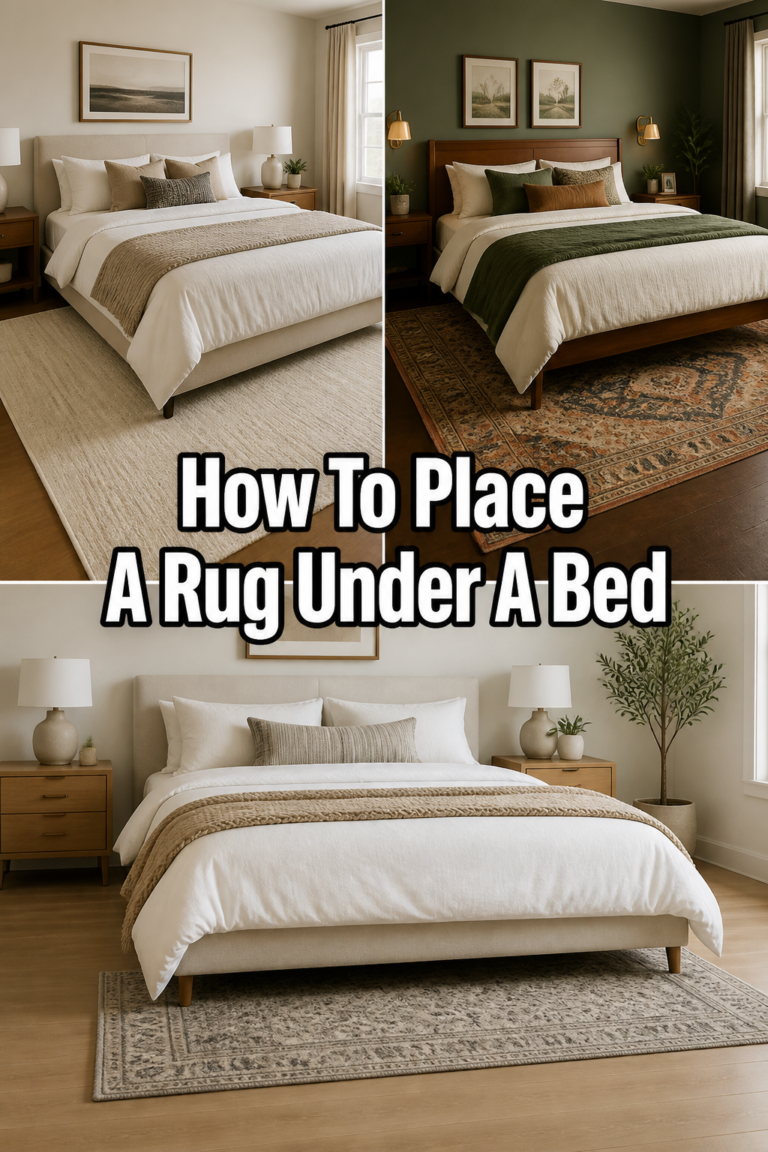
Absolutely! A rug can actually define a space and make it feel more cohesive and intentional. Choose a rug large enough so that at least the front legs of your bed and nightstands rest on it. This grounds the furniture and makes the room feel more expansive rather than fragmented.
Our Top Recommended Finds
- Floating Wall Shelves: Perfect for displaying decor or storing books without taking up precious floor space.
- Full-Length Leaner Mirror: An easy way to add depth and reflect light, instantly making a room feel larger.
- Storage Ottoman or Bench: Offers extra seating and discreet storage for blankets, books, or clutter.
Your Cozy, Spacious Retreat Awaits
Transforming a small bedroom isn’t about magic; it’s about smart choices and thoughtful design.
By applying these practical steps, you’re not just making your room look bigger; you’re creating a more functional, peaceful, and inspiring space to rest and recharge.
Start with one step today, perhaps a thorough declutter, and watch your small bedroom begin its beautiful transformation into a spacious sanctuary.