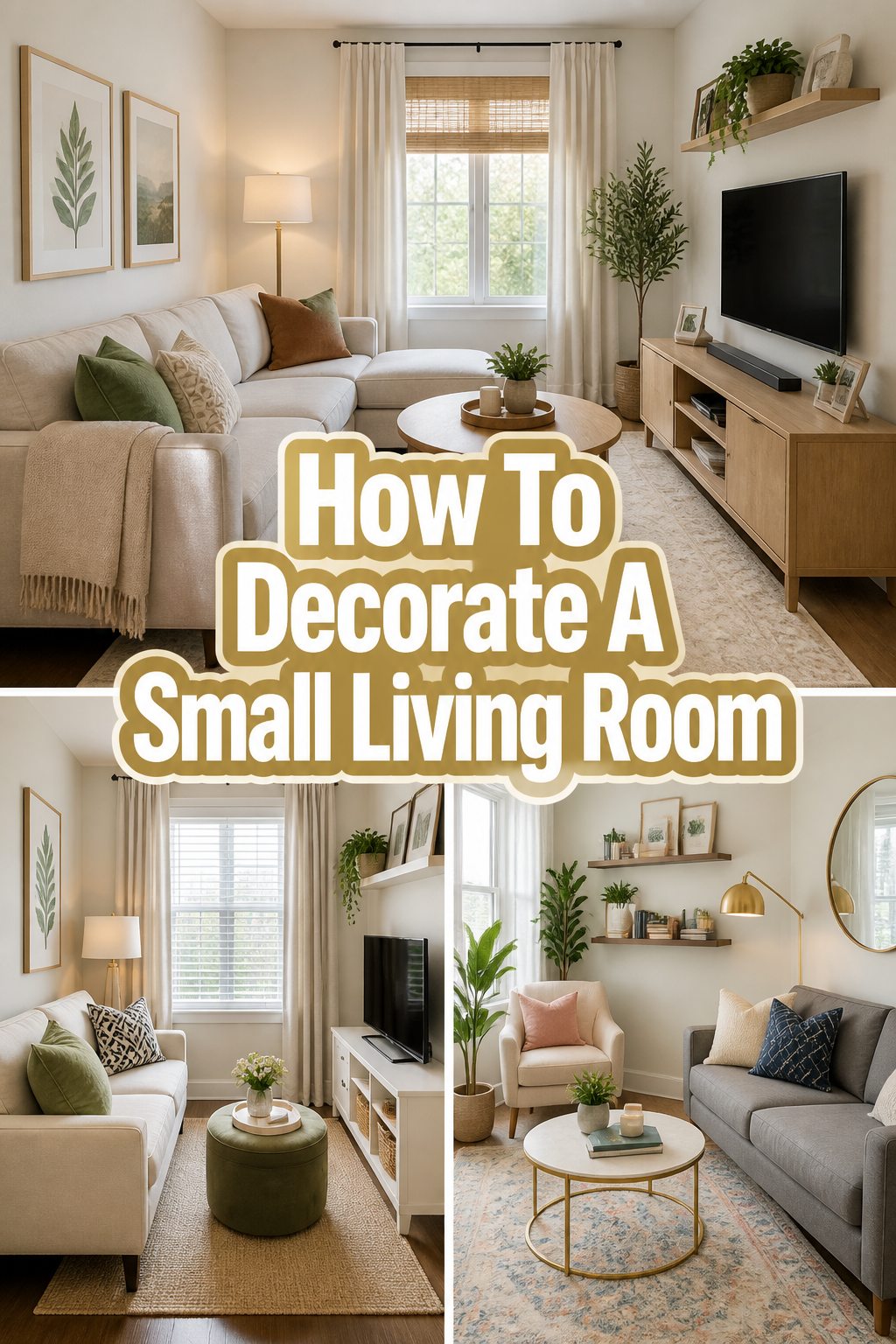
🏠 How To Decorate A Small Living Room
I remember moving into my first studio apartment and staring at a living area that felt more like a narrow hallway than a home.
After a decade of working as an interior stylist, I have learned that a small footprint is actually a secret blessing for creating a cozy atmosphere.
This guide shares the exact strategies I use to turn cramped quarters into stylish, functional sanctuaries that feel twice their actual size.
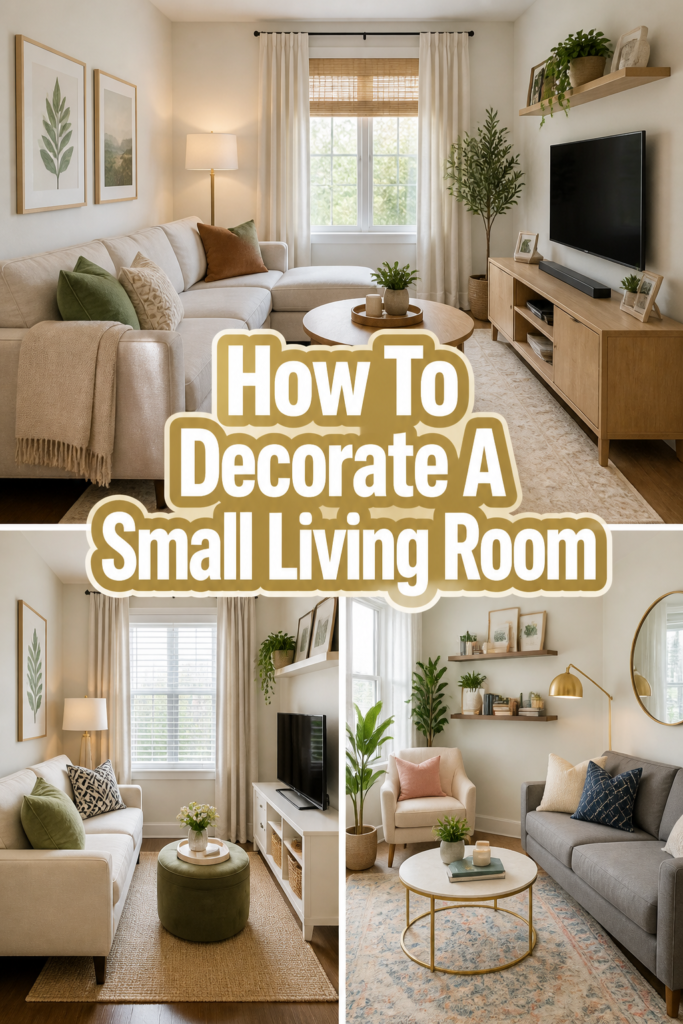
Quick Overview
You are about to transform your living space from a cluttered corner into a curated retreat that balances comfort with clever floor planning.
- Time needed: 3 to 7 days (depending on furniture delivery)
- Difficulty: Beginner
- What you’ll need: Measuring tape, painter’s tape, a neutral color palette, and multi-functional furniture pieces.
Step-by-Step Instructions
Step 1: Measure Your Reality
Start by taking precise measurements of every wall, window, and doorway in the room.
Draft a simple floor plan on paper or a digital app to understand the actual square footage you have to work with.
Outline your potential furniture layout on the floor using blue painter’s tape to see how much walking space remains.
Pro Tip: Always leave at least 18 inches of “traffic path” between furniture pieces to avoid a cramped feeling.
Step 2: Select a Cohesive Color Palette
Choose light, airy colors like soft whites, pale greys, or warm beiges to make the walls appear to recede.
Apply the same color to your trim and baseboards as you do to the walls to eliminate visual breaks.
Introduce depth by using different shades of the same color family rather than high-contrast patterns that can overwhelm a small area.
Paint your ceiling a bright, crisp white to draw the eye upward and simulate higher ceilings.
Step 3: Invest in Leggy Furniture
Select sofas and armchairs that sit on raised legs rather than solid blocks or skirts.
Allow light and air to flow underneath your furniture to create an illusion of more floor space.
Avoid heavy, overstuffed pieces that act like visual anchors and make the room feel weighted down.
Opt for a glass or acrylic coffee table to provide functionality without taking up any visual “real estate.”
Pro Tip: Transparent furniture, often called “ghost” pieces, is a small-space designer’s best friend for keeping a room open.
Step 4: Maximize Vertical Real Estate
Install floor-to-ceiling shelving units to draw the eye toward the highest point of the room.
Hang your curtain rods a few inches below the ceiling rather than right above the window frame.
Use long, flowing drapes that touch the floor to create the appearance of grander height and scale.
Mount your television on the wall to reclaim the surface area of a bulky media console.
Step 5: Layer Your Lighting
Eliminate the harsh shadows created by a single overhead light by adding multiple light sources.
Place a tall floor lamp in a dark corner to instantly expand the perceived boundaries of the room.
Add small task lamps on side tables or “puck” lights inside bookshelves for a warm, inviting glow.
Utilize wall sconces if you lack the table space for traditional lamps, keeping your surfaces clear for decor.
Step 6: Use Mirrors Strategically
Position a large mirror directly across from your primary window to bounce natural light around the room.
Lean a full-length mirror against a focal wall to create the “window effect,” making it look like another room exists beyond.
Group smaller mirrors together in a gallery wall format if a single large mirror is too heavy for your space.
Pro Tip: A mirrored backsplash or mirrored furniture inserts can also help brighten dim corners effectively.
Step 7: Define the Area with an Oversized Rug
Buy a rug that is large enough for all the legs of your furniture to sit on comfortably.
Avoid small “postage stamp” rugs that sit in the middle of the floor and make the room look chopped up.
Select low-pile rugs or flatweaves that are easy to clean and don’t add unnecessary bulk to the floor.
Stick to subtle patterns or solid textures to keep the ground plane looking calm and organized.
Step 8: Choose Multi-Functional Pieces
Swap a traditional coffee table for a storage ottoman that can serve as a footrest or extra seating.
Look for side tables with drawers or lower shelves to hide away remotes, magazines, and clutter.
Incorporate a “nesting” table set that can be expanded when guests arrive and tucked away when you are alone.
Utilize a trunk as a center table to provide a massive amount of hidden storage for blankets and pillows.
Step 9: Edit and Curate Your Decor
Limit the number of small trinkets on your surfaces to prevent the room from looking messy.
Follow the “cantaloupe rule,” which suggests using decor items that are larger than a melon to reduce visual noise.
Rotate your favorite pieces seasonally so you can enjoy your collection without displaying everything at once.
Group items in odd numbers, like sets of three, to create a balanced and professional look.
Step 10: Bring in Life with Greenery
Place a tall, thin plant like a Fiddle Leaf Fig or a Snake Plant in an empty corner to add height.
Hang trailing plants like Pothos from the ceiling or high shelves to soften sharp corners.
Use real plants to improve air quality and add a vibrant pop of color that feels natural rather than forced.
Pro Tip: If you have low light, high-quality silk plants can provide the same aesthetic boost without the maintenance.
Common Mistakes to Avoid
Buying a Massive Sectional
Many people think a huge sofa is the best way to maximize seating, but it often swallows the entire room. Large sectionals block pathways and make it impossible to rearrange the space for different occasions. Instead, choose a sleek three-seater sofa and pair it with a light accent chair for better flow.
Pushing All Furniture Against the Walls
It is a common instinct to shove everything against the perimeter to “open up” the middle. This actually highlights the smallness of the room and creates a cold, formal atmosphere. Pulling your sofa even three inches away from the wall creates “breathing room” and makes the space feel more sophisticated.
Neglecting the Entryway
In small homes, the living room often doubles as the foyer, leading to a pile of shoes and coats by the sofa. Failing to define a specific “drop zone” leads to immediate clutter that ruins your design efforts. Use a small wall-mounted rack or a slim console table to keep daily essentials organized and out of the main seating area.
Using Heavy Window Treatments
Thick, dark velvet curtains might look cozy in a mansion, but they can make a small room feel like a cave. Heavy fabrics block valuable natural light and take up physical space on the sides of the windows. Opt for sheer linens or light-colored cottons that allow the sun to filter through while still providing privacy.
Troubleshooting
The Room Feels Cold and Sterile
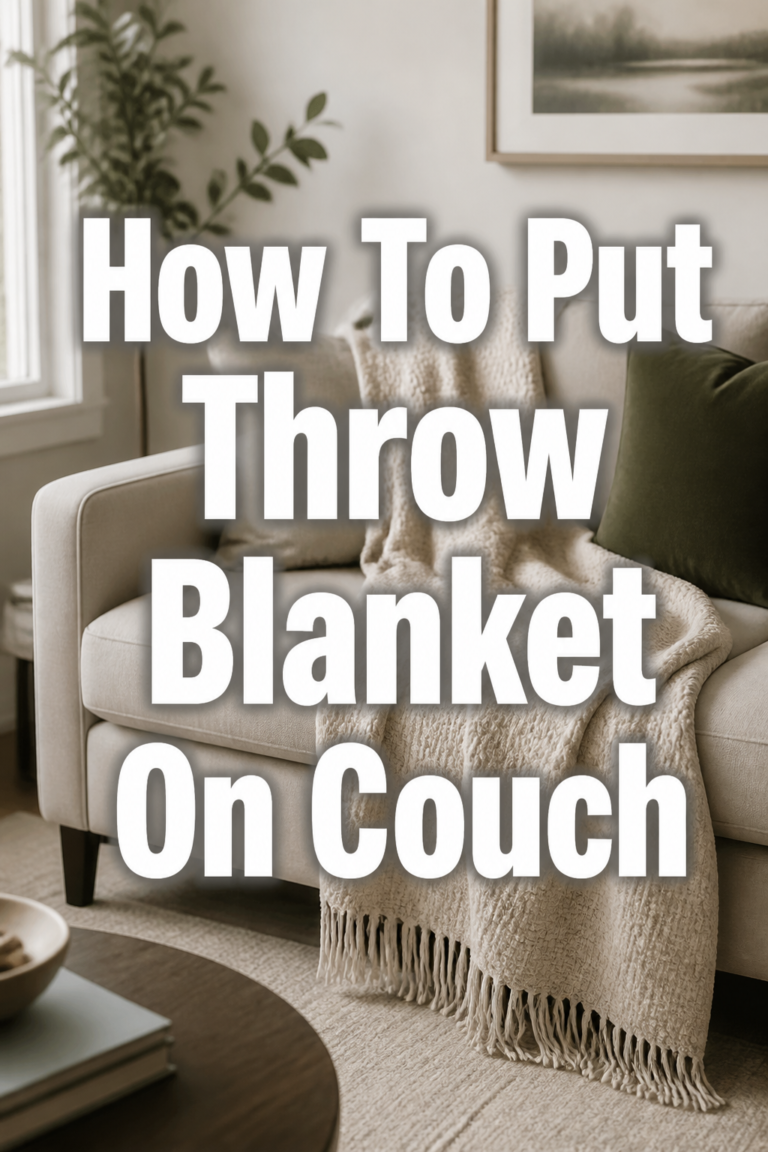
If your light-colored room feels uninviting, you likely need more texture rather than more color. Introduce a chunky knit throw blanket, a velvet pillow, or a jute rug to add tactile warmth. Mixing materials like wood, metal, and fabric prevents a monochromatic room from looking flat.
There Is Nowhere to Put My Stuff
When storage is a problem, look for “hidden” opportunities that don’t take up more floor space. Install a floating shelf above the doorway for books or items you don’t use every day. Use decorative baskets under your TV stand or coffee table to corral loose items while keeping them accessible.
The Layout Feels Awkward and Long
Narrow “bowling alley” living rooms are difficult to furnish without creating a cramped path. Break the room into two distinct zones, such as a main seating area and a small reading nook or workspace. Using two smaller rugs instead of one long one can help visually divide the space into functional “rooms.”
Key Takeaways
- Prioritize light colors and “leggy” furniture to keep the visual field open and airy.
- Utilize vertical space with tall shelving and high-mounted curtains to draw the eye upward.
- Implement multi-functional furniture like storage ottomans to maximize utility without adding bulk.
- Place mirrors strategically opposite windows to double the amount of natural light in the room.
- Avoid over-decorating with small items; instead, choose a few large, meaningful pieces.
- Create a clear floor plan using painter’s tape before making any major furniture purchases.
Frequently Asked Questions
Can I use dark colors in a small living room?
Yes, you can use dark colors, but it requires a specific approach to avoid a “closing in” feeling. Dark walls can create a “jewel box” effect that feels incredibly cozy and high-end. If you go dark, ensure you have excellent lighting and plenty of metallic or light-colored accents to balance the mood.
What is the best sofa size for a tiny room?
An apartment-sized sofa, usually between 72 and 80 inches long, is typically the sweet spot. It provides enough room for three people to sit but doesn’t dominate the wall. Look for sofas with slim arms to maximize the actual seating area without increasing the overall footprint.
How do I make a small room look expensive?
Focus on “hero” pieces and high-quality materials rather than a room full of cheap decor. One beautiful, well-made wool rug or a designer floor lamp can elevate the entire space. Keeping the room meticulously organized and clutter-free is also the fastest way to achieve a luxury look on a budget.
Should I use a coffee table or an ottoman?
In a very tight space, an ottoman is usually the better choice because it is softer and safer to navigate around. You can always place a small wooden tray on top of the ottoman to hold drinks or snacks. If you prefer a table, choose one with an open base or a glass top to keep the room feeling light.
Our Top Recommended Finds
- Acrylic Coffee Table: These “invisible” tables provide a sturdy surface without adding any visual weight to your floor plan.
- Floor-to-Ceiling Bookcase: A tall, narrow unit uses the vertical space that most people ignore, providing massive storage for a tiny footprint.
- Storage Ottoman: This is the ultimate “triple threat” piece that acts as a table, a seat, and a hidden chest for clutter.
Start Your Small Space Transformation
Now that you have the blueprint for a beautiful small living room, it is time to take the first step.
Grab your measuring tape and start mapping out your space to see what is truly possible.
You might want to explore our guides on “Minimalist Kitchen Organization” or “Creating a Home Office in a Small Bedroom” to continue your home journey.
A small home is a beautiful opportunity to surround yourself only with the things you truly love.