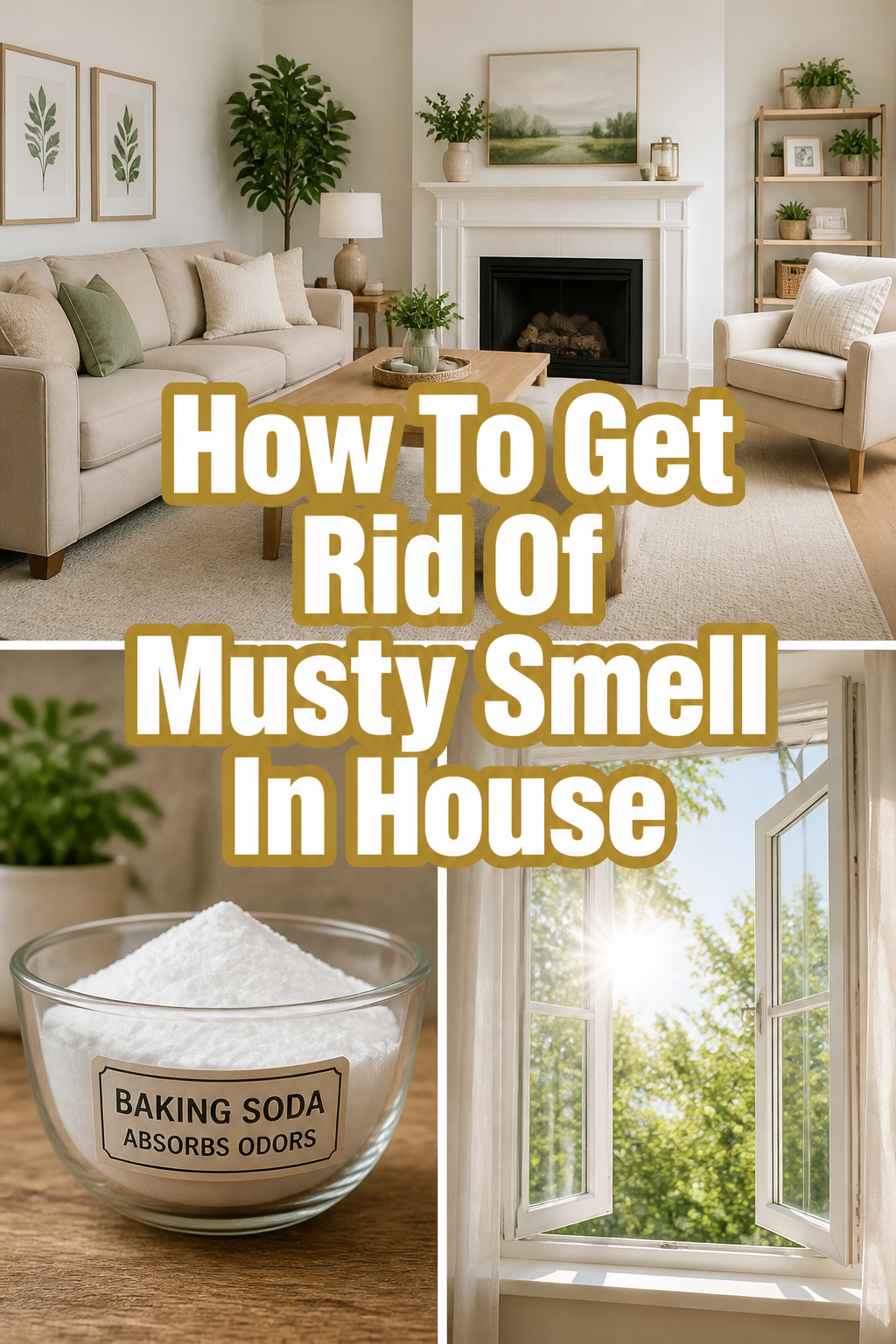
🌬️ How To Get Rid Of Musty Smell In House
That tell-tale musty scent can really put a damper on your home’s cozy vibe.
I’ve personally tackled this damp, stale intruder in my own spaces, transforming them back into fresh, inviting havens.
This guide is built on those real-world experiences, designed to help you reclaim your home’s delightful aroma.
Quick Overview
You’re about to embark on a journey to banish musty smells and infuse your home with delightful freshness. We’ll cover everything from tracking down the source to maintaining a perpetually sweet-smelling sanctuary. Get ready to transform your living space into a truly inviting retreat.
- Time needed: 4-8 hours (depending on severity and house size)
- Difficulty: Beginner to Intermediate
- What you’ll need: Cleaning supplies, white vinegar, baking soda, dehumidifier, fans, air purifier, essential oils, activated charcoal.
Step-by-Step Instructions
Step 1: Become a Scent Detective
Before you can eliminate the musty smell, you need to find its origin. A truly fresh home starts with a clean slate, and that means pinpointing the source of the dampness.
Sniff out every room, closet, and hidden corner with purpose. Musty smells often indicate moisture, so think about basements, bathrooms, laundry rooms, and forgotten spaces.
Check thoroughly under sinks, behind appliances, and inside cabinets. Look for any visible signs of dampness, water stains, or even tiny specks of mold. Your nose is your best tool here.
Pro Tip: Focus on areas with poor ventilation first. These are common culprits for trapped moisture and stale air.
Step 2: Air It Out, Beautifully
Once you’ve identified potential problem areas, it’s time to introduce the power of fresh air. Natural light and good airflow are not just practical; they are essential design elements for a vibrant home.
Open up all your windows and doors as wide as possible, creating a cross-breeze. This immediately helps to flush out stagnant, musty air and welcome in clean, outdoor scents.
Place fans strategically to encourage air circulation. Direct them towards damp areas or use them to push stale air out of the house. Think about how air moves through your space.
Consider airing out bedding, cushions, and small rugs outdoors on a sunny, dry day. The sun’s UV rays are natural disinfectants, helping to kill mold spores and refresh fabrics.
Step 3: Deep Clean and De-Clutter with Intention
A thorough cleaning is paramount, especially focusing on porous materials that absorb odors. Decluttering isn’t just about tidiness; it allows air to circulate freely and prevents dust and moisture from accumulating.
Wipe down all hard surfaces, including walls, baseboards, and shelves, using a mild all-purpose cleaner or a solution of white vinegar and water. Vinegar is excellent for killing mold and neutralizing odors.
Focus intensely on fabrics. Launder all curtains, throw blankets, and cushion covers. For carpets and rugs, a deep steam clean or a thorough sprinkle of baking soda left overnight, then vacuumed, can work wonders.
Rearrange items in closets and on shelves to create space. This improved airflow prevents moisture from getting trapped and keeps your belongings smelling fresh, enhancing the overall aesthetic.
Pro Tip: Add a cup of white vinegar to your washing machine cycle when laundering fabrics. It’s a natural deodorizer and disinfectant, leaving textiles truly refreshed.
Step 4: Tackle Moisture at Its Root
Musty smells are almost always a sign of excess moisture. Addressing the underlying dampness is the most critical step for a lasting solution. This is about creating a truly comfortable and healthy living environment.
Inspect and fix any leaks promptly. This includes checking plumbing under sinks, around toilets, and behind washing machines. Don’t forget to look for roof leaks or cracks around windows and doors.
Utilize dehumidifiers, especially in naturally damp areas like basements, crawl spaces, or humid bathrooms. These appliances actively pull moisture from the air, preventing mold and mildew growth.
Empty dehumidifier tanks regularly to maintain their effectiveness. Modern dehumidifiers can be quite sleek, blending into your decor rather than being an eyesore, contributing to a calm aesthetic.
Step 5: Absorb and Neutralize with Natural Allies
Once you’ve cleaned and dried, it’s time to deploy natural odor absorbers. These simple yet powerful tools help to actively pull lingering smells from the air and surfaces, without just masking them.
Sprinkle baking soda generously on carpets, rugs, and upholstered furniture. Let it sit for several hours, or even overnight, before vacuuming it up. Baking soda is a fantastic, non-toxic deodorizer.
Place bowls of baking soda in problem rooms, closets, or any enclosed spaces. Change the baking soda every few days to maintain its effectiveness. You can use pretty ceramic bowls to make them part of your decor.
Introduce activated charcoal in breathable bags or containers. Activated charcoal is highly porous and exceptionally effective at absorbing airborne odors and moisture. These often come in stylish fabric bags that fit seamlessly into any room.
Step 6: Infuse with Freshness, Thoughtfully
After neutralizing the bad smells, you can thoughtfully infuse your home with pleasant, natural aromas. The goal is a subtle, genuine freshness that complements your cozy aesthetic, not an overpowering artificial scent.
Use essential oil diffusers with natural, calming scents. Citrus oils like lemon or orange, herbaceous scents like peppermint or eucalyptus, or relaxing lavender can create a wonderful ambiance. Choose a diffuser that doubles as a beautiful decor piece.
Run an air purifier equipped with an activated carbon filter. These devices not only filter out dust and allergens but also absorb odors, contributing to cleaner, fresher air quality throughout your home.
Consider natural potpourri made from dried flowers, herbs, and spices. Place them in decorative bowls or sachets around your home for a gentle, lasting fragrance. This adds a lovely visual and olfactory touch.
Pro Tip: Avoid overwhelming chemical air fresheners. They often just mask odors and can introduce unwanted chemicals into your living space. Focus on genuine air purification and natural essences.
Step 7: Cultivate a Cozy, Dry Environment
Preventing musty smells from returning is all about establishing good habits and maintaining optimal conditions. A well-maintained home is a happy, fresh-smelling home.
Maintain good ventilation daily. Even a quick 10-15 minute airing out each day can make a significant difference, especially after showering or cooking. This keeps the air moving and prevents staleness.
Regularly check for signs of moisture. Periodically inspect those common problem areas you found in Step 1. Early detection of dampness can save you from a recurring musty issue.
Keep indoor humidity levels consistently between 30-50%. A hygrometer can help you monitor this. Maintaining these levels discourages mold and mildew growth, fostering a healthier environment.
Step 8: Design for Airflow and Light
Your home’s layout and design choices can significantly impact air circulation and light penetration, both critical for preventing musty odors. Thoughtful design contributes to a naturally fresh atmosphere.
Rearrange furniture to allow air to circulate freely around walls and corners. Avoid pushing large pieces like sofas and bookshelves flush against exterior walls, as this can trap moisture and impede airflow.
Embrace open shelving and lighter, breathable fabrics. These choices not only create a more airy and spacious feel but also prevent the buildup of stagnant air and moisture that heavier, closed storage can cause.
Maximize natural light. Keep windows unobstructed by heavy drapes during the day. Sunlight is a natural disinfectant and helps to dry out any lingering dampness, contributing to a brighter, fresher living space.
Pro Tip: Consider elevating beds and sofas on legs. This simple design choice promotes air movement underneath, preventing moisture buildup in areas often overlooked.
Common Mistakes to Avoid
Masking, Not Eliminating
A common pitfall is relying on air fresheners or scented candles to cover up the musty smell. While they might provide temporary relief, they don’t address the root cause. This approach allows moisture and potential mold issues to persist, often worsening over time. Always find and fix the source first.
Ignoring Humidity Levels
Many people overlook the importance of monitoring and controlling indoor humidity. High humidity is a primary driver of musty smells and mold growth. Without a dehumidifier in damp areas or proper ventilation, the problem will inevitably return. Invest in a hygrometer to stay informed.
Neglecting Porous Surfaces
It’s easy to clean hard surfaces and forget about items that absorb odors deeply, like carpets, rugs, upholstery, and drapes. These materials can harbor mold spores and musty smells long after the air has been cleared. Ensure these items receive a thorough, deep cleaning.
Poor Ventilation Habits
Keeping windows closed, especially in damp weather or after activities that generate moisture (like showering or cooking), traps humid air inside. This creates a perfect breeding ground for mustiness. Make consistent ventilation a daily habit to keep your home feeling fresh and airy.
Troubleshooting
Smell Persists After Cleaning
If the musty smell lingers despite your best efforts, it suggests a hidden source. Carefully re-inspect for unseen leaks within walls, under floorboards, or in crawl spaces. Consider checking your HVAC system for mold growth or clogged drain pans, which can circulate musty air throughout your home.
Musty Smell Returns Quickly
A rapid return of the odor indicates an ongoing moisture problem that hasn’t been fully resolved. Re-evaluate your humidity control measures; perhaps your dehumidifier isn’t powerful enough or isn’t running consistently. Also, review your daily ventilation habits to ensure adequate airflow is maintained.
Specific Room Still Smells
If one particular room remains problematic, dedicate intensive efforts to that space. This might involve a more aggressive deep clean, including washing walls and ceilings. Ensure a dedicated dehumidifier is running in that room, and consider having a professional inspect for hidden mold behind drywall or under flooring.
Key Takeaways
- Identify the source of the musty smell first to ensure a lasting solution.
- Ventilation is vital; regularly air out your home to encourage fresh air circulation.
- Deep clean and declutter thoroughly, paying special attention to porous materials.
- Control moisture levels to prevent mustiness and mold from recurring.
- Utilize natural odor absorbers like baking soda and activated charcoal.
- Thoughtful design and layout choices can significantly support a fresh and healthy home.
Frequently Asked Questions
Is musty smell dangerous?
A persistent musty smell is often an indicator of mold or mildew growth, which can indeed be dangerous. Exposure to mold can trigger allergies, asthma attacks, and other respiratory issues, especially in sensitive individuals. It’s crucial to address the source promptly for health and safety.
Can plants help with musty smells?
While some plants are known for their air-purifying qualities and can absorb a small amount of moisture, they are not a primary solution for a severe musty smell. They can contribute to a fresher environment but won’t fix an underlying moisture problem or significant mold growth.
How often should I air out my house?
Aim to air out your house daily, even for a short period of 10-15 minutes, especially in damper seasons. After showering, cooking, or doing laundry, it’s particularly important to open windows or use exhaust fans to remove humid air promptly.
What’s the difference between musty and moldy?
Musty generally describes the earthy, damp smell associated with mildew or early-stage mold growth. A “moldy” smell is typically stronger, more pungent, and often indicates a more significant, active colony of mold. Both smells signal a moisture problem that needs immediate attention.
Our Top Recommended Finds
- Dehumidifier with an automatic shut-off: Essential for consistent moisture control, ensuring optimal humidity levels without constant monitoring.
- Activated Charcoal Odor Absorbers: These natural, effective bags discreetly pull odors and excess moisture from the air, often with a sleek design that blends into any room.
- Natural Essential Oil Diffuser: For infusing genuine, healthy freshness into your space, allowing you to choose scents that uplift and calm your home’s atmosphere.
Embrace a Breath of Fresh Air in Your Sanctuary
Transforming your home from musty to magnificent is an achievable dream. By following these practical steps, you’re not just eliminating an unpleasant odor; you’re cultivating a healthier, more inviting living space.
Imagine walking into a home that smells clean, feels fresh, and radiates a cozy, welcoming atmosphere. This journey is about reclaiming your sanctuary, one breath of fresh air at a time.
Why wait to experience the joy of a truly fresh home? Start your journey today, and let your living space reflect the comfort and serenity you deserve.