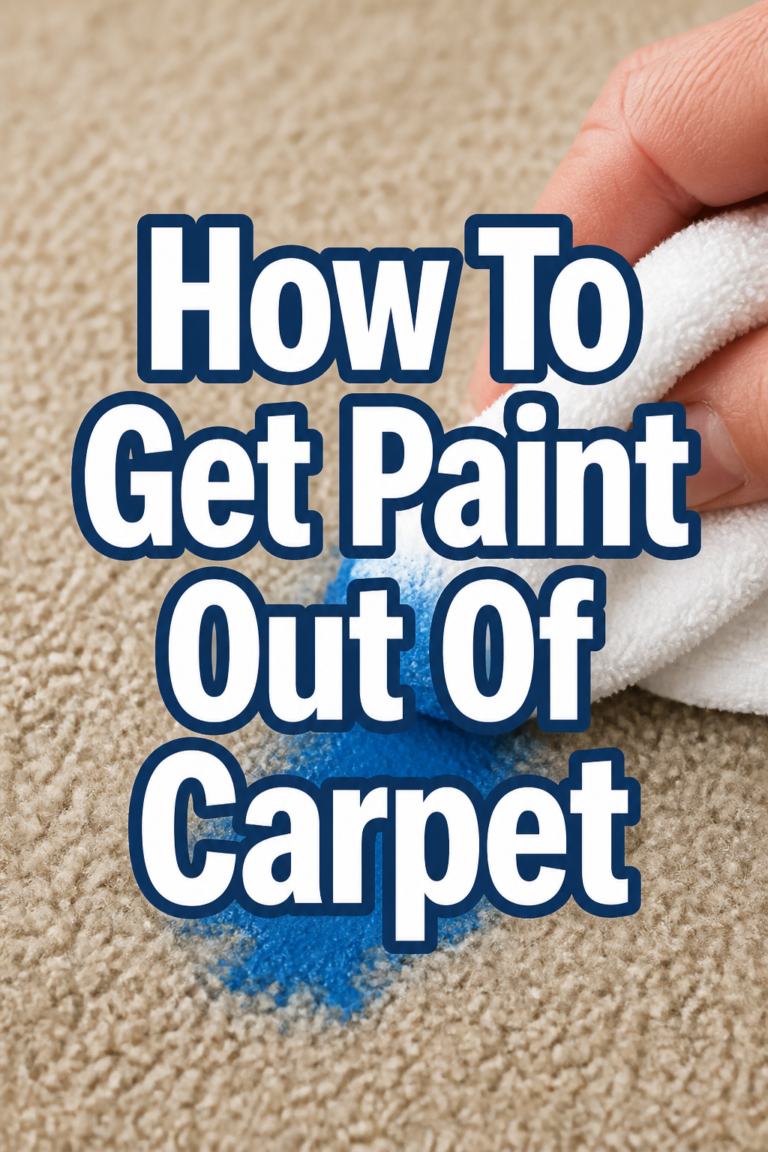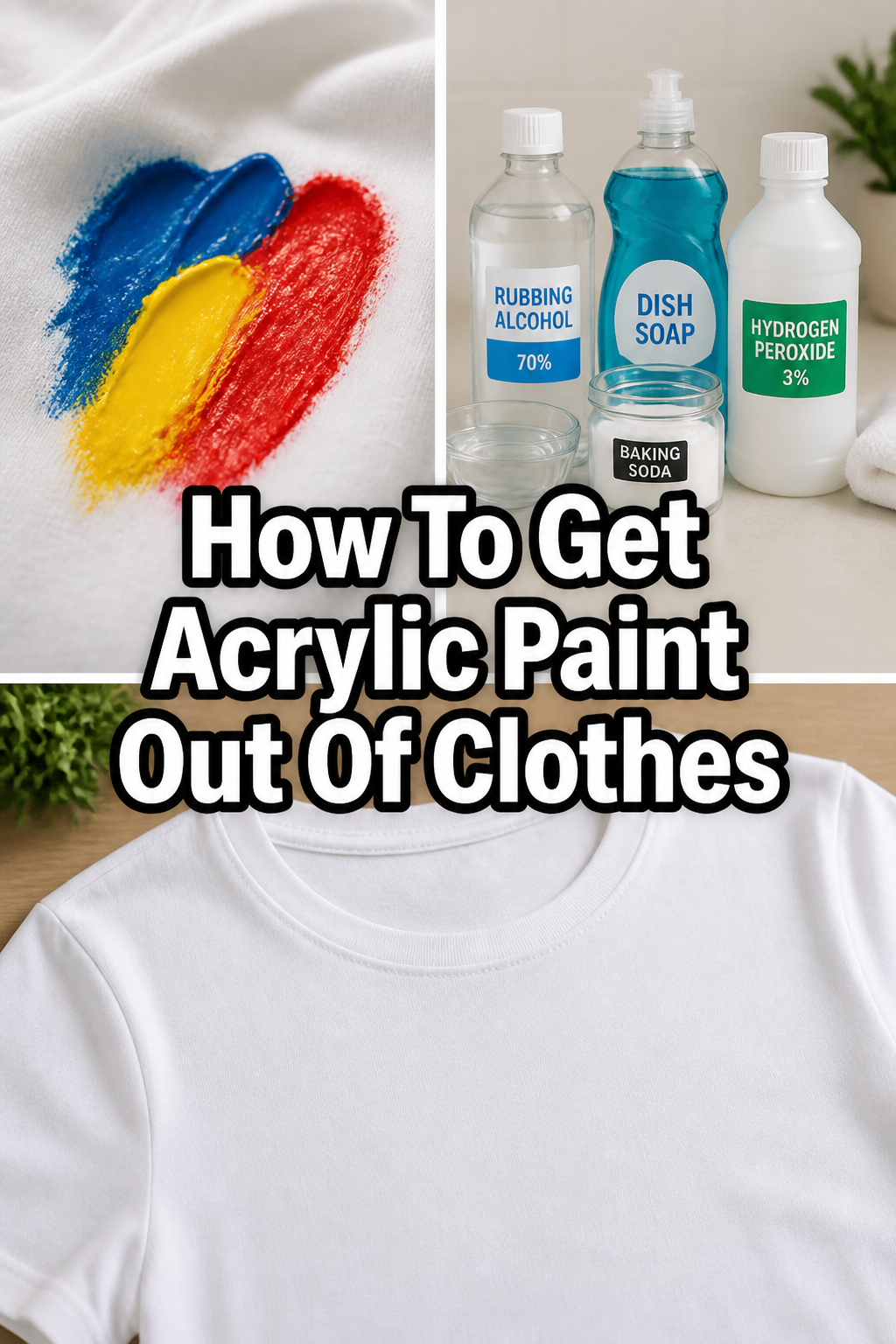
🎨 How To Get Acrylic Paint Out Of Clothes
Oh, the joy of a creative moment! You’re immersed in bringing a vision to life, perhaps a calming landscape for your living room or a vibrant accent piece for a cozy reading nook. Then, a tiny splash, a quick swipe, and suddenly that beautiful paint isn’t just on your canvas. It’s on your favorite linen blouse.
Don’t despair, fellow creator! I’ve been there, staring at a fresh paint splotch on a beloved item, convinced it was ruined. This guide comes from countless personal experiences (and a few frantic clean-up sessions) in my own art-filled, cozy home.
Quick Overview
This guide will walk you through the gentle yet effective steps to remove acrylic paint, saving your cherished garments and letting your creativity flow freely again. You’ll learn the best techniques for both wet and dried paint, ensuring your clothes stay as beautiful as your art.
- Time needed: 30-60 minutes active, plus washing and drying time
- Difficulty: Beginner
- What you’ll need: Cold water, paper towels or clean cloths, a dull knife or spoon, rubbing alcohol (or hairspray/hand sanitizer), liquid dish soap, a soft-bristle brush (like an old toothbrush), laundry detergent, stain remover.
Step-by-Step Instructions
Step 1: Act Fast – The Golden Rule of Stain Removal
Time is truly of the essence when it comes to acrylic paint. The quicker you address the spill, the higher your chances of complete removal. Don’t let the paint sit and cure into the fabric fibers.
If the paint is still wet, you have a significant advantage. If it’s already dry, a little more patience will be needed, but hope is certainly not lost. Begin by assessing the situation and gathering your supplies.
Pro Tip: Before tackling the stain, always check the garment’s care label. This ensures you use appropriate methods for the fabric type, especially for delicate materials like silk or rayon.
Step 2: Scrape Gently – Remove Excess Paint
For wet, thick blobs of paint, or even dried, raised paint, your first action is to remove as much physical paint as possible. Use a dull knife, the edge of a spoon, or even a credit card. Gently scrape the excess paint off the fabric surface.
Be careful not to rub or push the paint deeper into the fibers. You want to lift it away, not spread it around. This step prevents a larger mess and makes subsequent cleaning much easier.
Step 3: Blot and Flush (Wet Paint) – Water’s First Aid
If the paint is still wet, immediately take the garment to a sink. Turn the item inside out so the back of the stain faces upwards. Rinse the stain thoroughly with cold running water.
Cold water helps to dissolve and flush the wet acrylic paint without setting it. You’ll see the paint start to loosen and run off the fabric. Continue flushing until no more paint washes away.
Step 4: Apply a Solvent (Dried Paint) – The Gentle Attack
For dried acrylic paint, water alone won’t be enough. You’ll need a solvent to break down the hardened acrylic polymers. Rubbing alcohol (isopropyl alcohol) is your best friend here. If you don’t have rubbing alcohol, hairspray or alcohol-based hand sanitizer can work in a pinch.
Dampen a clean cloth or paper towel with the rubbing alcohol. Gently blot the dried paint stain, working from the outside edges inwards to prevent spreading. You should see the paint starting to soften and transfer to your cloth.
Keep using fresh sections of your cloth as the paint transfers. This prevents re-depositing the paint onto the fabric. Be patient; this step might take a few minutes as the alcohol works its magic.
Step 5: Scrub and Rinse – Working it Out
Once the paint has softened with the solvent, apply a small amount of liquid dish soap directly to the stain. Dish soap is excellent at cutting through paint residues and oils.
Using a soft-bristle brush (an old toothbrush is perfect), gently scrub the stained area in small, circular motions. Work the soap into the fabric fibers. You should see more paint lifting away.
After a minute or two of scrubbing, rinse the area again with cold water. Keep rinsing until all the soap suds and loosened paint are gone. Inspect the fabric closely.
Step 6: Pre-Treat and Wash – The Final Cleanse
If any hint of the stain remains after the scrubbing and rinsing, apply a pre-treatment stain remover to the area. Follow the product instructions, usually letting it sit for a few minutes. This gives it extra time to break down any stubborn remnants.
Then, wash the garment in your washing machine on a regular cycle, using cold water and your usual laundry detergent. Wash it separately from other items, just in case any residual paint transfers. This is a crucial step for a thorough clean.
Step 7: Inspect and Air Dry – The Patience Test
Once the wash cycle is complete, immediately inspect the garment. DO NOT put the item in a clothes dryer if any trace of the paint stain is still visible. The heat from the dryer will permanently set the stain, making it nearly impossible to remove later.
If the stain is gone, you can dry the garment as usual. If you still see a faint shadow of the paint, proceed to the next step. A little patience now saves a lot of regret later.
Step 8: Repeat if Needed – Persistence Pays Off
Sometimes, especially with larger or older stains, one round of treatment isn’t quite enough. If the stain persists, repeat Steps 4 through 7. Re-apply the solvent, scrub with dish soap, rinse, pre-treat, and wash again.
You might find that a second or third attempt completely removes the stain. It’s a testament to gentle persistence. Keep at it, and your beloved item will likely return to its unstained glory.
Common Mistakes to Avoid
Rubbing Aggressively
It’s tempting to rub a paint stain vigorously, thinking it will make it disappear faster. However, aggressive rubbing can push the paint deeper into the fabric fibers, making it harder to remove. It can also damage the fabric, causing pilling or stretching. Always blot gently or use a soft brush in circular motions.
Using Hot Water
Hot water is the enemy of acrylic paint stains. The heat causes the acrylic polymers to cure and bind more tightly to the fabric, effectively setting the stain permanently. Always use cold water when rinsing or washing a paint-stained item.
Putting it in the Dryer Too Soon
As mentioned, heat is a stain-setter. If you put a garment with a paint stain into the dryer, the heat will bake the paint into the fibers, making it almost impossible to remove. Always air dry the item until you are absolutely certain the stain is completely gone.
Ignoring Fabric Type
While rubbing alcohol is generally safe for many fabrics, some delicate materials like silk, rayon, or acetate can be damaged. Always test any cleaning solution on an inconspicuous area of the garment first. This small precaution can save your favorite delicate pieces.
Troubleshooting
Stain Still Visible After First Wash
Don’t panic if a faint stain remains after the initial wash. This is common with stubborn or dried paint. Simply repeat the process from Step 4. Re-apply rubbing alcohol to break down any remaining paint, scrub with dish soap, pre-treat, and wash again in cold water.
Paint is Very Thick or Old
For very thick, dried paint, you might need to gently pick away at the bulk of the paint first. Use your dull knife or fingernail to carefully flake off the outer layers. Then, saturate the remaining stain more thoroughly with rubbing alcohol and let it sit for a slightly longer period (5-10 minutes) to really penetrate and soften the hardened acrylic.
Delicate Fabric Concerns
If you’re dealing with a delicate fabric like silk or wool, avoid harsh scrubbing. Instead of a toothbrush, use a soft cloth to gently blot with the solvent and dish soap. Consider taking the item to a professional dry cleaner if you’re unsure or if the fabric is particularly precious. They have specialized solvents and techniques for delicate materials.
Key Takeaways
- Act quickly: Fresh paint is always easier to remove than dried paint.
- Use cold water: Heat sets acrylic paint, making it permanent.
- Scrape, don’t rub: Gently lift excess paint to avoid spreading it.
- Rubbing alcohol is key: It effectively breaks down dried acrylic paint.
- Inspect before drying: Never put a stained item in the dryer.
- Patience pays off: Stubborn stains might require multiple treatments.
Frequently Asked Questions
Does this method work on all types of paint?
This guide specifically targets acrylic paint. While some steps might be helpful for other water-based paints (like tempera), oil paints or enamel paints require different solvents and cleaning methods due to their chemical composition.
What if I don’t have rubbing alcohol?
If rubbing alcohol isn’t available, alcohol-based hand sanitizer (check for high alcohol content) or even hairspray can be effective alternatives. The alcohol content in these products helps to break down the acrylic. Test in an inconspicuous area first.
Is acrylic paint permanent once it’s dried?
Acrylic paint is designed to be permanent once dry and cured. However, it’s not invincible. With the right solvents and techniques, even dried acrylic paint can often be loosened and removed from fabric, especially if the fabric isn’t extremely porous.
Can I use nail polish remover?
While nail polish remover (acetone) is a strong solvent, it can be too harsh for many fabrics, especially synthetics like acetate or rayon, and can also strip color. It’s generally safer to stick with rubbing alcohol, which is less aggressive but still effective for acrylics.
Our Top Recommended Finds
- Microfiber Cleaning Cloths: Gentle yet absorbent, perfect for blotting and applying solutions without further damaging fabric.
- Gentle Laundry Stain Remover: A good quality, oxygen-based stain remover can provide that extra boost for stubborn residues.
- Soft-Bristle Laundry Brush: An old toothbrush works wonders, but a dedicated soft-bristle brush can make scrubbing more comfortable and effective.
Your Home, Your Canvas: Fearlessly Create!
Now that you’re armed with these practical steps, there’s no need to shy away from your creative endeavors. Imagine creating that stunning gallery wall for your cozy living room, or painting a vibrant mural in a child’s bedroom, without the nagging worry of accidental spills. Your home is a canvas, and your clothing should never limit your artistic expression.
Go ahead, embrace that next DIY project, refresh a piece of furniture with a bold new color, or simply enjoy the therapeutic splash of paint on canvas. Knowing how to handle those little mishaps means you can focus on the joy of making. So, pick up that brush, pour out that paint, and let your creativity shine!