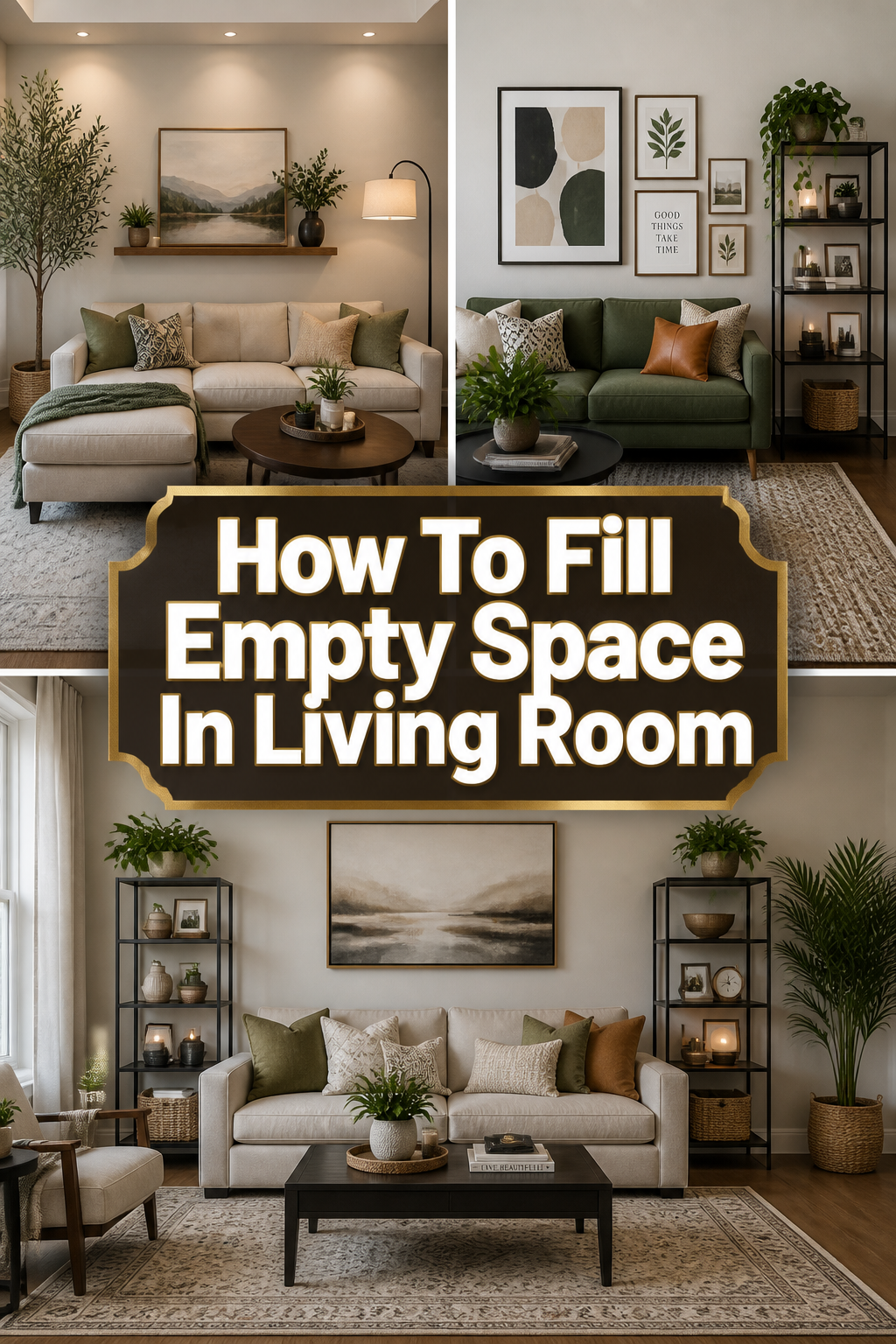
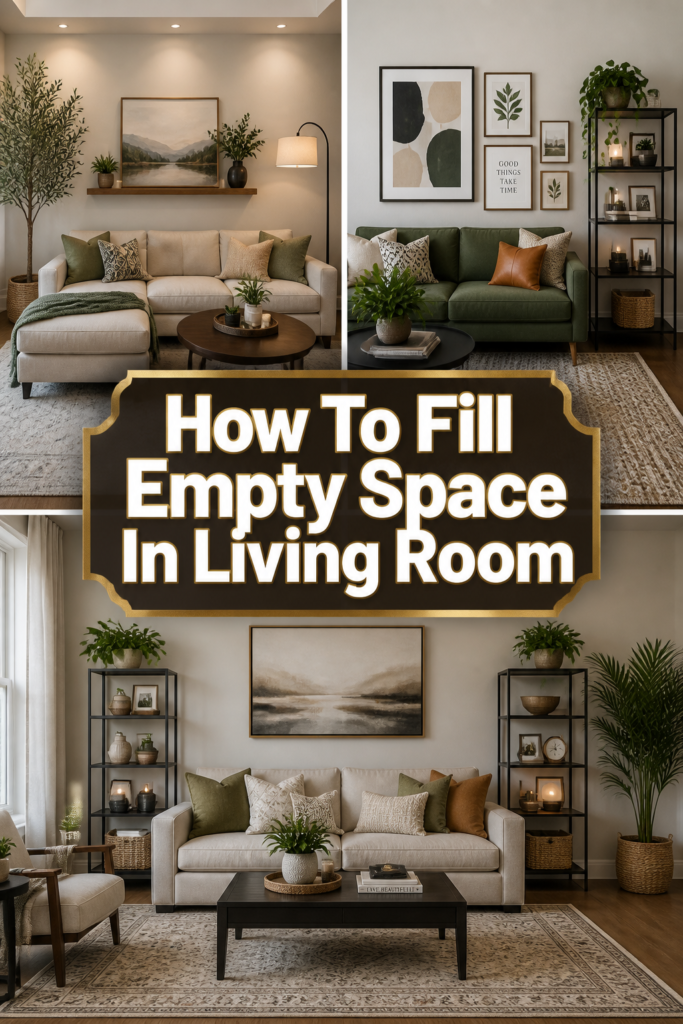
🛋️ How To Fill Empty Space In Living Room
Do you ever walk into your living room and feel like something is missing?
That vast, open expanse can feel more like a void than a welcoming space.
I’ve personally navigated the challenge of transforming an echoey, empty room into a snug sanctuary, and I’m here to share the practical steps that truly work.
Quick Overview
This guide will equip you with the know-how to thoughtfully design your living room, ensuring every inch feels intentional and inviting.
You’ll learn how to create zones, add warmth, and infuse personality, turning emptiness into elegance.
- Time needed: 2-4 hours for initial planning and arrangement, ongoing as you collect items.
- Difficulty: Beginner
- What you’ll need: Measuring tape, pen and paper, inspiration photos, an open mind.
Step-by-Step Instructions
Step 1: Understand Your Space and Its Purpose
Begin by truly looking at your empty living room. Consider its dimensions, natural light, and architectural features.
Think about how you want to use this room. Is it for quiet reading, lively entertaining, family movie nights, or a mix of everything?
Defining its primary function will guide all subsequent decisions.
Pro Tip: Sketch a rough floor plan on paper. Mark windows, doors, and electrical outlets. This visual aid is invaluable for planning furniture placement.
Step 2: Define Your Aesthetic and Color Palette
Explore what styles resonate with you. Do you love the clean lines of modern design, the rustic charm of farmhouse, or the eclectic vibe of bohemian?
Gather inspiration from magazines, Pinterest, or design blogs. Look for common threads in the images you save.
Choose a foundational color palette. Start with 2-3 main colors that make you feel calm and happy, then add 1-2 accent colors.
Step 3: Anchor the Room with a Key Piece
Select one significant piece of furniture that will serve as the anchor for your living room.
This could be a comfortable sofa, an impressive entertainment unit, or a striking area rug.
Place this anchor first. Its position will often dictate the layout of everything else around it, creating a natural focal point.
Step 4: Create Zones for Functionality
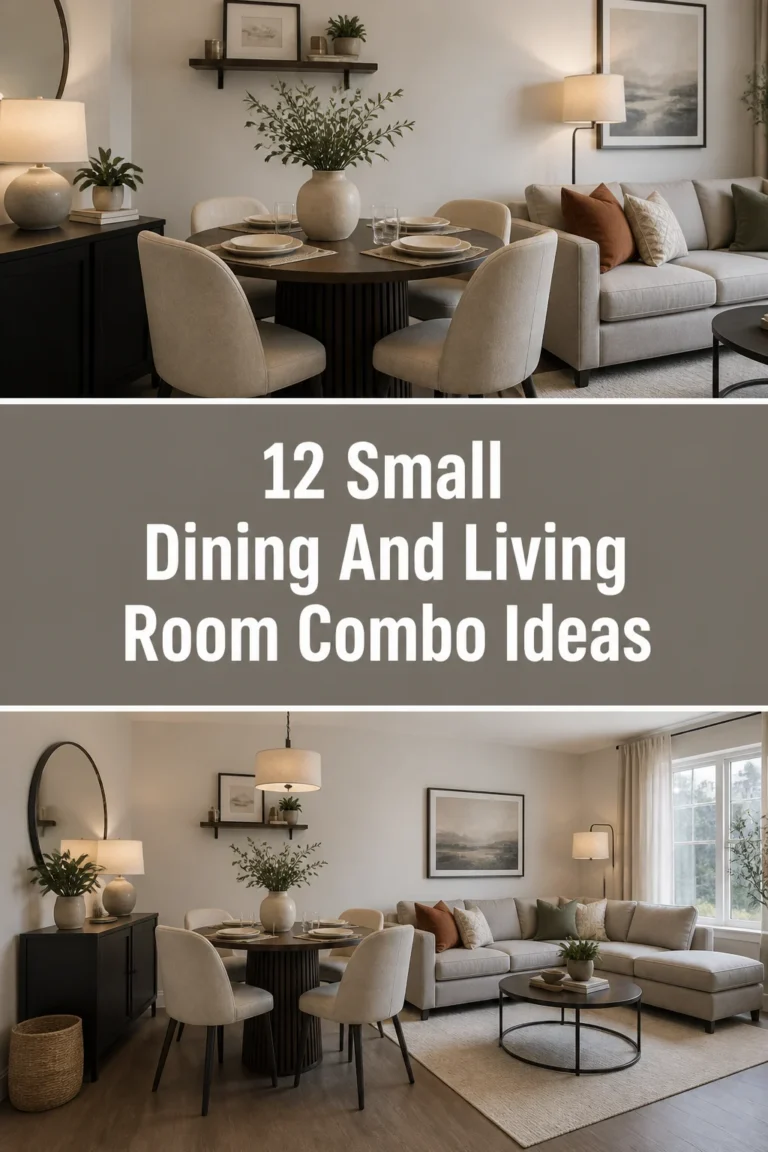
Break down large empty spaces into smaller, more intimate zones.
You might have a main seating area for conversation, a cozy reading nook, or a small work-from-home corner.
Use furniture arrangement, area rugs, and even lighting to visually separate these zones.
Pro Tip: Pull furniture away from the walls. Floating your sofa or chairs in the middle of the room can define a central zone and make the room feel more intentional and less like a waiting room.
Step 5: Layer in Essential Furniture
Add secondary furniture pieces that complement your anchor and support your chosen zones.
Consider armchairs, coffee tables, side tables, bookshelves, or console tables.
Ensure there’s a balance in size and proportion. Don’t overcrowd a small zone, but don’t leave a large zone feeling sparse.
Step 6: Illuminate with Thoughtful Lighting
Address the lighting in your living room. Good lighting is crucial for both function and ambiance.
Incorporate a mix of ambient (general room light), task (for reading or hobbies), and accent (to highlight decor) lighting.
Floor lamps, table lamps, and wall sconces can fill vertical space and cast warm glows.
Step 7: Introduce Textures and Textiles
Bring warmth and depth into the room with various textures.
Think about soft throws, plush pillows, woven baskets, and textured curtains.
Layering different materials like wool, linen, velvet, and wood adds visual interest and a cozy feel.
Pro Tip: Don’t be afraid to mix patterns and textures. A chunky knit throw on a smooth leather sofa, or patterned cushions on a plain fabric, creates dynamic visual appeal.
Step 8: Incorporate Greenery and Natural Elements
Add living plants to your living room. Plants instantly bring life, color, and a sense of calm.
Choose plants appropriate for your room’s light conditions. Large potted plants can fill corners beautifully.
Introduce other natural elements like wood, stone, or woven materials through decorative items or furniture.
Step 9: Personalize with Decor and Art
Fill empty wall space with art that speaks to you. A gallery wall or a single large statement piece can transform a bare wall.
Display cherished objects, photographs, or collectibles on shelves, coffee tables, or console tables.
Ensure these items reflect your personality and tell your story, making the room uniquely yours.
Step 10: Refine and Adjust
Step back and observe your living room from different angles.
Live with the new arrangement for a few days, then make adjustments as needed.
Sometimes, simply moving a lamp or a piece of art can significantly improve the room’s balance and flow.
Common Mistakes to Avoid
Over-stuffing the Room
A common pitfall is to fill every single empty spot with something, leading to a cluttered and overwhelming feeling.
Instead, embrace a little negative space. It allows the eye to rest and highlights the pieces you’ve carefully chosen.
Focus on quality over quantity and leave room for pieces to breathe.
Pushing All Furniture Against the Walls
While it might seem logical to maximize floor space, pushing all your furniture against the walls can make a room feel cold and uninviting.
This creates a large, empty void in the center.
Instead, float furniture away from walls to create intimate conversation areas and define zones, even in smaller rooms.
Ignoring Scale and Proportion
Putting a tiny rug in a huge room or a massive sofa in a compact space can throw off the entire balance.
Always measure your space and your furniture to ensure they are proportionate.
Large rooms can handle larger pieces, while smaller rooms benefit from more slender designs.
Forgetting About Vertical Space
Many people focus only on furniture at floor level, leaving walls and the upper areas feeling bare.
This results in a bottom-heavy room.
Look up! Use tall bookshelves, floor-to-ceiling curtains, large wall art, and tall plants to draw the eye upwards and balance the room visually.
Troubleshooting
The Room Still Feels Cold and Uninviting
If your living room lacks warmth, it might be missing texture and soft elements. Add more throws, decorative pillows, and a plush area rug.
Ensure your lighting is warm-toned, not harsh white. Incorporate dimmer switches for adjustable ambiance.
Bringing in natural wood tones and a few plants can also make a big difference in creating a cozy atmosphere.
The Layout Feels Awkward or Unbalanced
An unbalanced room often stems from a lack of a clear focal point or poor furniture grouping. Reassess your main anchor piece and build around it.
Try creating smaller conversation areas. Move chairs closer together, or add a console table behind a floating sofa.
Use area rugs to visually ground and define these zones, bringing a sense of order to the space.
It Looks Good, But Doesn’t Feel Like “Me”
If your room lacks personal touch, you might have relied too heavily on generic decor or trends. Take time to infuse your personality.
Display items that tell your story: travel souvenirs, family photos, books you love, or unique art pieces.
Don’t be afraid to mix styles if it reflects who you are. Authenticity makes a house a home.
Key Takeaways
- Thoughtful planning is the foundation for a well-designed living room.
- Creating distinct zones enhances functionality and intimacy in larger spaces.
- Layering furniture, lighting, and textiles builds warmth and visual interest.
- Don’t forget the power of plants and personal touches to bring life and character.
- Regularly assess and adjust your space to maintain balance and comfort.
Frequently Asked Questions
How do I make a large living room feel cozier?
To make a large living room feel cozier, break it into smaller, defined zones using area rugs and furniture arrangements. Incorporate warm colors, soft textures like throws and pillows, and multiple sources of ambient lighting. Large-scale art and tall plants can also help fill vertical space and reduce the feeling of vastness.
What’s the best way to choose an area rug size?
For a main seating area, your area rug should be large enough so that at least the front legs of all primary furniture pieces (sofa, armchairs) rest on it. Ideally, all furniture should be on the rug, but if not possible, ensure a significant portion of the main pieces are. This visually anchors the space and makes it feel cohesive.
Should all furniture match in a living room?
Absolutely not! A perfectly matching furniture set can often make a room feel flat and uninspired. Mix and match different styles, materials, and textures to create a more dynamic and personalized look. Focus on complementary colors and a consistent aesthetic rather than identical pieces for a curated feel.
How can I fill a corner without buying more furniture?
Corners are perfect spots for tall plants, especially those with interesting foliage like a Fiddle Leaf Fig or a Snake Plant. You could also place a floor lamp with an arching arm, a narrow etagere with decorative objects, or a stack of aesthetically pleasing storage baskets. A sculptural piece of art or a large vase with dried botanicals can also work wonders.
Our Top Recommended Finds
- Large Area Rug: Essential for defining zones and adding warmth, especially in open-concept spaces.
- Floor Lamp with Dimmer: Provides versatile lighting and fills vertical space without bulk.
- Comfortable Throw Pillows: Instant texture, color, and coziness for any sofa or armchair.
Craft Your Dream Living Room Today
You now have a clear roadmap to transform that empty living room into a space you truly love.
Imagine the cozy evenings, the lively conversations, and the peaceful moments waiting for you.
Start with one step, even just sketching your layout, and watch your vision come to life.