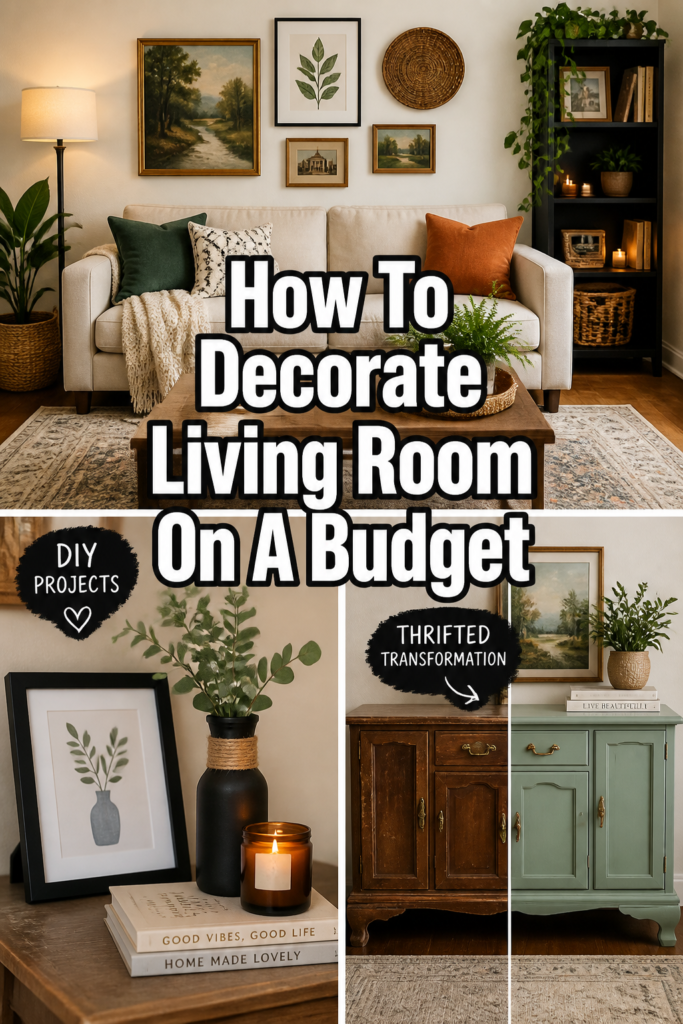
🛋️ How To Decorate Living Room On A Budget
Transforming your living room doesn’t have to drain your wallet.
I’ve personally redecorated several spaces on a shoestring budget, discovering clever tricks and hidden gems along the way.
This guide shares those practical, budget-friendly secrets to create a cozy, stylish living room you’ll adore.
Quick Overview
You’re about to embark on a fun, creative journey to refresh your living room.
By the end, you’ll have a beautifully styled space that feels personal and inviting, all without overspending.
- Time needed: 1-2 weekends for planning and execution
- Difficulty: Beginner
- What you’ll need: Measuring tape, paint, cleaning supplies, a few basic tools, open mind
Step-by-Step Instructions
Step 1: Define Your Vision and Declutter
Before buying anything new, take stock of what you already have.
A clear vision helps you make smart choices and avoid impulse purchases.
- Create a mood board. Gather images from magazines, Pinterest, or even nature. Focus on colors, textures, and feelings.
- Identify your desired aesthetic. Do you lean farmhouse, bohemian, minimalist, or something else?
- Declutter your current living room ruthlessly. Remove anything that doesn’t serve a purpose or bring you joy.
- Sort items into “keep,” “donate/sell,” and “relocate.” A tidy space is the first step to a fresh look.
Pro Tip: Take “before” photos. They’ll motivate you and offer a great comparison to your finished space.
Step 2: Optimize Your Layout for Flow and Function
The arrangement of your furniture dramatically impacts how a room feels and functions.
Experiment with different layouts using your existing pieces first.
- Measure your room and existing furniture. Use graph paper or an online planner to sketch out ideas.
- Anchor your main seating around a focal point. This could be a fireplace, a large window, or a TV.
- Ensure clear pathways. You should be able to walk easily between furniture without bumping into things.
- Create conversation zones. Arrange seating to encourage interaction, not just face a screen.
- Pull furniture slightly away from walls. This often makes a room feel more spacious and inviting.
Step 3: Harness the Power of Paint (or Wallpaper)
Paint is arguably the most impactful and budget-friendly transformation tool.
A fresh coat can completely revitalize a space.
- Choose a color that aligns with your mood board. Warm neutrals like soft greys, creams, or light greens create a cozy base.
- Consider an accent wall. Painting just one wall a bolder color can add depth and interest without overwhelming the room.
- Look for discounted “oops” paints at hardware stores. These are often great quality and significantly cheaper.
- Explore peel-and-stick wallpaper for a temporary pattern or texture. It’s renter-friendly and easy to apply.
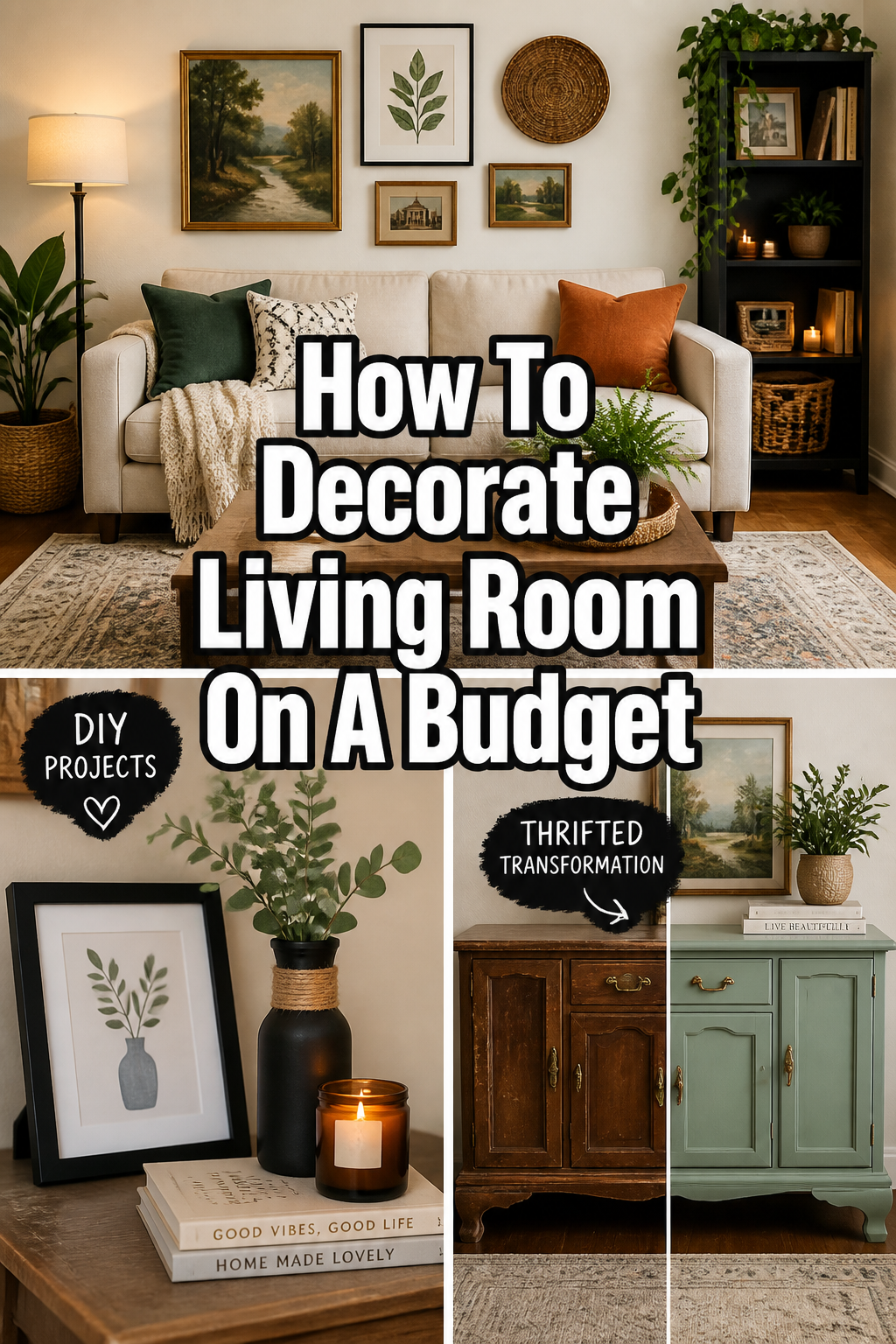
- Paint existing furniture. A tired bookshelf or coffee table can get a new lease on life with a fresh coat of paint.
Step 4: Smart Lighting for Ambiance and Warmth
Lighting is crucial for creating a cozy and inviting atmosphere.
Layering different light sources can make a room feel more sophisticated and comfortable.
- Incorporate ambient lighting. This is your general room illumination, like an overhead fixture or recessed lights.
- Add task lighting. Use floor lamps or table lamps next to seating for reading or hobbies.
- Introduce accent lighting. Small lamps, string lights, or even candles highlight architectural features or artwork.
- Use warm-toned LED bulbs. They consume less energy and cast a softer, more inviting glow than harsh white light.
- Shop for lamps at thrift stores or flea markets. Often, a beautiful lamp just needs a new shade to look brand new.
Step 5: Embrace Textiles and Textures
Fabrics add warmth, color, and tactile appeal, making a room feel instantly cozier.
They are an easy way to introduce personality and comfort.
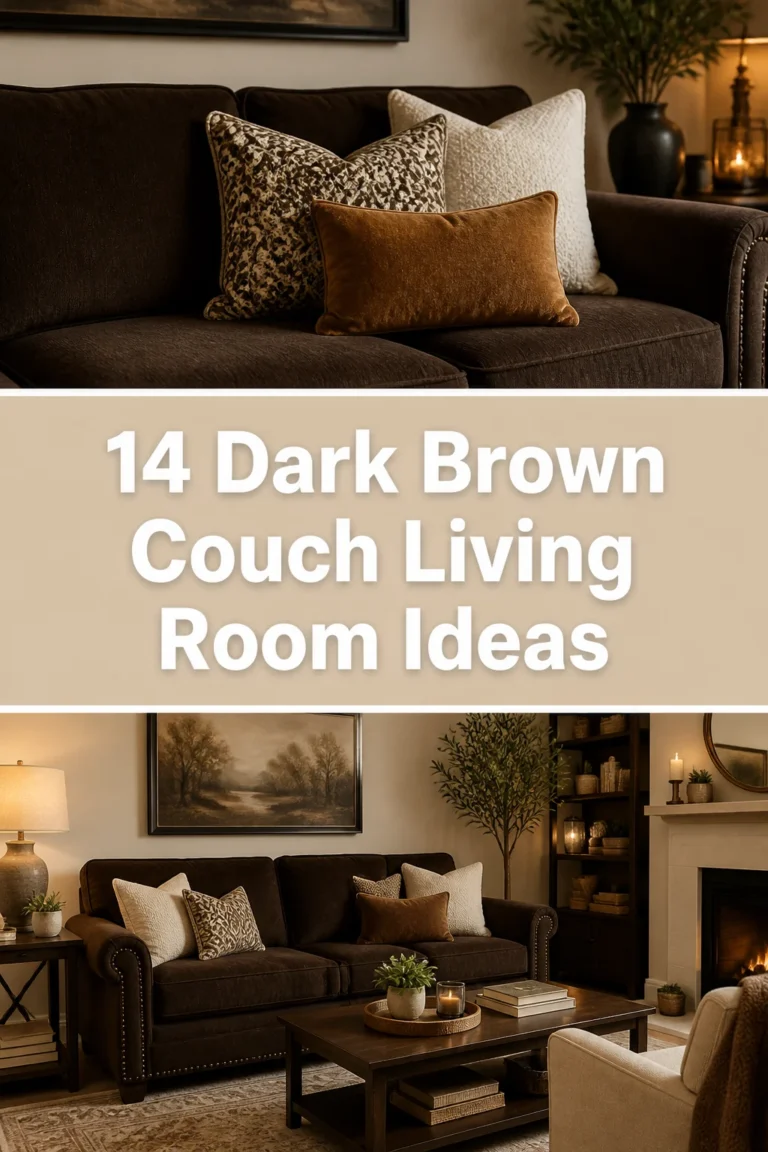
- Layer throw blankets. Drape them over sofas, armchairs, or even storage benches for an inviting look.
- Pile on decorative pillows. Mix and match patterns, sizes, and textures for visual interest.
- Choose curtains strategically. Lightweight, sheer curtains allow natural light in, while heavier drapes add insulation and drama.
- Add an area rug. This defines a seating area, adds warmth underfoot, and introduces color or pattern.
- Look for textile deals at discount stores, fabric remnants sections, or even by repurposing old blankets or scarves.
Pro Tip: When choosing textiles, stick to a cohesive color palette found in your mood board. This ensures everything feels harmonious.
Step 6: Personalize with Affordable Decor
The details truly make a living room feel like home.
You don’t need expensive art or sculptures to create a curated look.
- Display personal photos. Frame them simply and arrange them in a gallery wall or on a shelf.
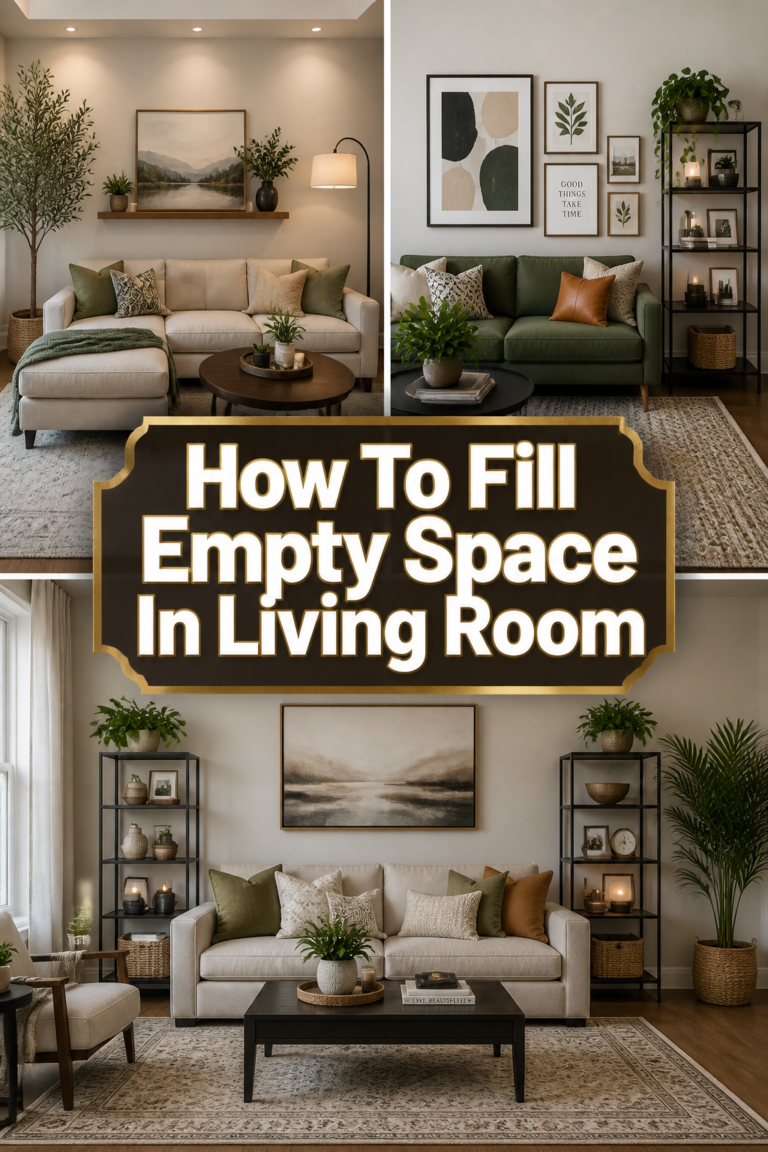
- Bring in greenery. Small potted plants or fresh flowers add life and color. Look for affordable options at grocery stores or nurseries.
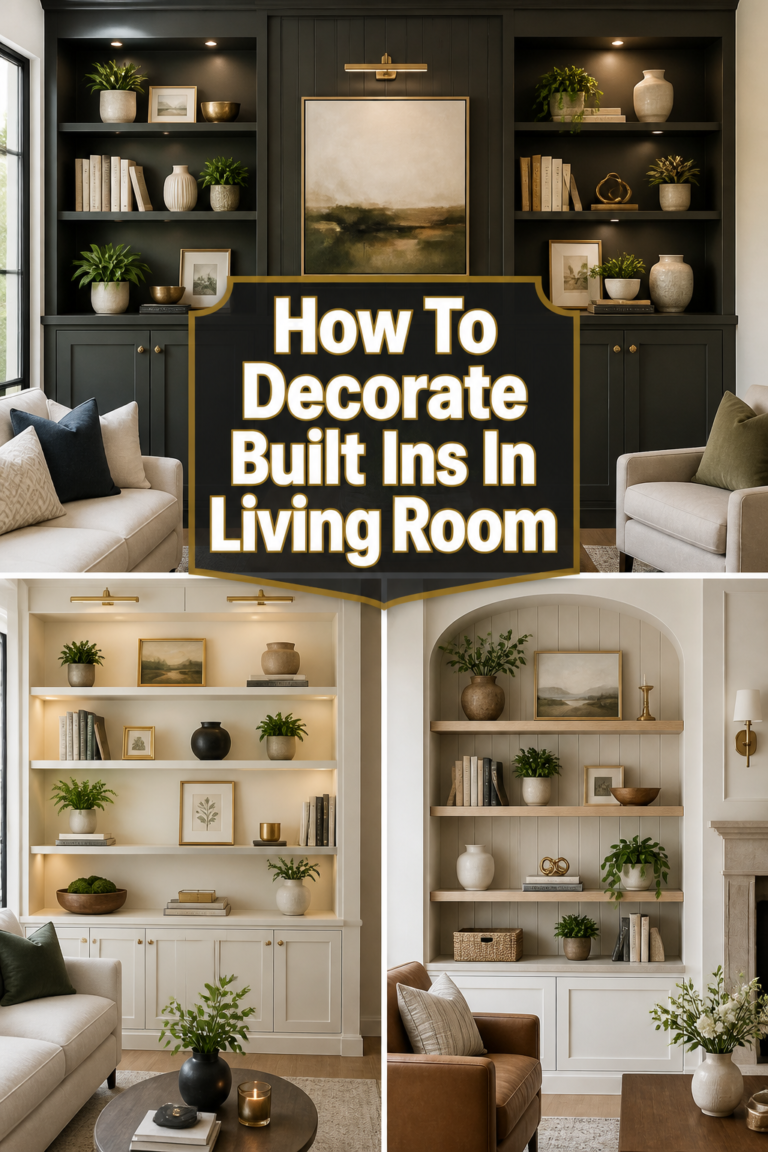
- Curate shelves and surfaces. Arrange books, small decorative objects, and plants in visually pleasing groupings.
- Create DIY art. Frame fabric scraps, interesting wallpaper samples, or even your children’s drawings.
- Hunt for unique pieces at second-hand stores, garage sales, or online marketplaces. A little sanding or paint can transform them.
Step 7: Smart Storage and Organization
A tidy living room always feels more serene and spacious.
Clever storage solutions keep clutter at bay without sacrificing style.
- Utilize multi-functional furniture. Ottomans with storage, coffee tables with drawers, or benches with cubbies are excellent.
- Invest in decorative baskets or bins. Use them to hide remotes, magazines, toys, or extra throw blankets.
- Install floating shelves. These provide display space for decor and books without taking up floor space.
- Maximize vertical space. A tall, narrow bookshelf can hold many items and draw the eye upwards.
- Repurpose old crates or wooden boxes. Stack them for unique shelving or use them as rustic storage.
Common Mistakes to Avoid
Buying Everything New
Many people feel they need to replace every item to redecorate. This quickly becomes expensive and often results in a generic-looking space.
Instead, focus on working with what you have. Repurpose, paint, or reupholster existing pieces. Mix new, budget-friendly finds with treasured items to create a unique and personal aesthetic.
Ignoring Scale and Proportion
Placing oversized furniture in a small room or tiny pieces in a large room can make the space feel awkward and unbalanced. This disrupts the visual harmony.
Always measure your room and furniture before purchasing. Use painter’s tape on the floor to visualize furniture placement. Ensure there’s enough space for movement and that pieces relate well to each other in size.
Forgetting About Lighting Layers
Relying solely on one overhead light source creates a flat, unwelcoming atmosphere. This often results in harsh shadows and a lack of depth.
Implement a layered lighting scheme. Combine ambient (general), task (for activities), and accent (for mood) lighting. This creates a warm, inviting glow and allows you to adjust the mood of the room.
Cluttering Surfaces
Over-decorating every flat surface with too many small knick-knacks can make a room feel chaotic and busy. This detracts from any focal points and creates visual noise.
Practice the “less is more” principle. Group items in odd numbers (threes or fives) and leave some breathing room on shelves and tables. Edit regularly, removing items that don’t contribute to the overall aesthetic.
Troubleshooting
My Living Room Feels Too Small
A cramped feeling often comes from oversized furniture or poor layout. Heavy, dark pieces can also make a room shrink.
Try rearranging your furniture. Pull pieces slightly away from the walls. Opt for lighter-colored furniture and paint. Use mirrors to reflect light and create an illusion of depth. Choose multi-functional pieces that serve more than one purpose.
It Lacks Personality
If your room feels generic, it might be missing personal touches. Store-bought matching sets often lack character.
Incorporate items that tell your story. Display personal photos, travel souvenirs, or handmade art. Mix different styles and eras of furniture. Add plants, books, and unique thrifted finds to infuse warmth and individuality.
The Room Feels Cold and Uninviting
This issue often stems from a lack of texture, warm lighting, or too many cool tones. Bare floors and minimal soft furnishings contribute to this.
Introduce warmth through textiles like throw blankets, cushions, and an area rug. Use warm-toned light bulbs. Incorporate natural elements like wood and plants. Add candles or string lights for a soft, welcoming glow.
Key Takeaways
- Start with a Vision: Define your style and declutter existing items before making any purchases.
- Optimize Layout: Experiment with furniture placement to improve flow and functionality.
- Paint is Powerful: A fresh coat of paint or an accent wall offers significant impact for minimal cost.
- Layer Your Lighting: Combine different light sources to create a warm and inviting atmosphere.
- Embrace Textiles: Use throws, pillows, and rugs to add warmth, texture, and color.
- Personalize Affordably: Incorporate photos, plants, and thrifted finds to make the space uniquely yours.
Frequently Asked Questions
How can I make my living room look expensive on a budget?
Focus on high-impact, low-cost changes. A fresh coat of paint in a sophisticated neutral, layered lighting, and curated styling of existing items can elevate the look. Add large-scale art (even DIY), substantial curtains, and unique second-hand finds to create a bespoke feel.
What are the cheapest ways to add color?
Paint is your best friend for adding color on a budget. Beyond walls, consider painting a piece of furniture, picture frames, or even just the back of a bookshelf. Textiles like throw pillows, blankets, and inexpensive area rugs are also fantastic for injecting pops of color.
Should all my furniture match?
Absolutely not! A perfectly matched furniture set can often look stiff and uninspired. Mixing different styles, textures, and even wood tones creates a more dynamic, collected, and personal living room. Aim for harmony, not uniformity, through a cohesive color palette or theme.
How do I choose a color scheme?
Start with something you love. This could be a favorite piece of art, a patterned pillow, or even a picture from nature. Pick 2-3 main colors from this inspiration. One neutral for walls, one dominant color for larger items, and an accent color for smaller details. Keep it simple to maintain cohesion.
Our Top Recommended Finds
- Paint Samples: Test colors directly on your wall before committing to a whole can.
- Decorative Baskets: Perfect for stylishly hiding clutter and adding texture.
- Soft Throw Blankets: Instantly add warmth, color, and coziness to any seating.
Embark on Your Living Room Refresh Today
You now have a clear roadmap to create a beautiful, budget-friendly living room.
Don’t wait to start enjoying a more comfortable and stylish home environment.
Begin by decluttering, then let your creativity flow as you redefine your space. Your cozy new living room awaits!