How To Decorate Built Ins In Living Room
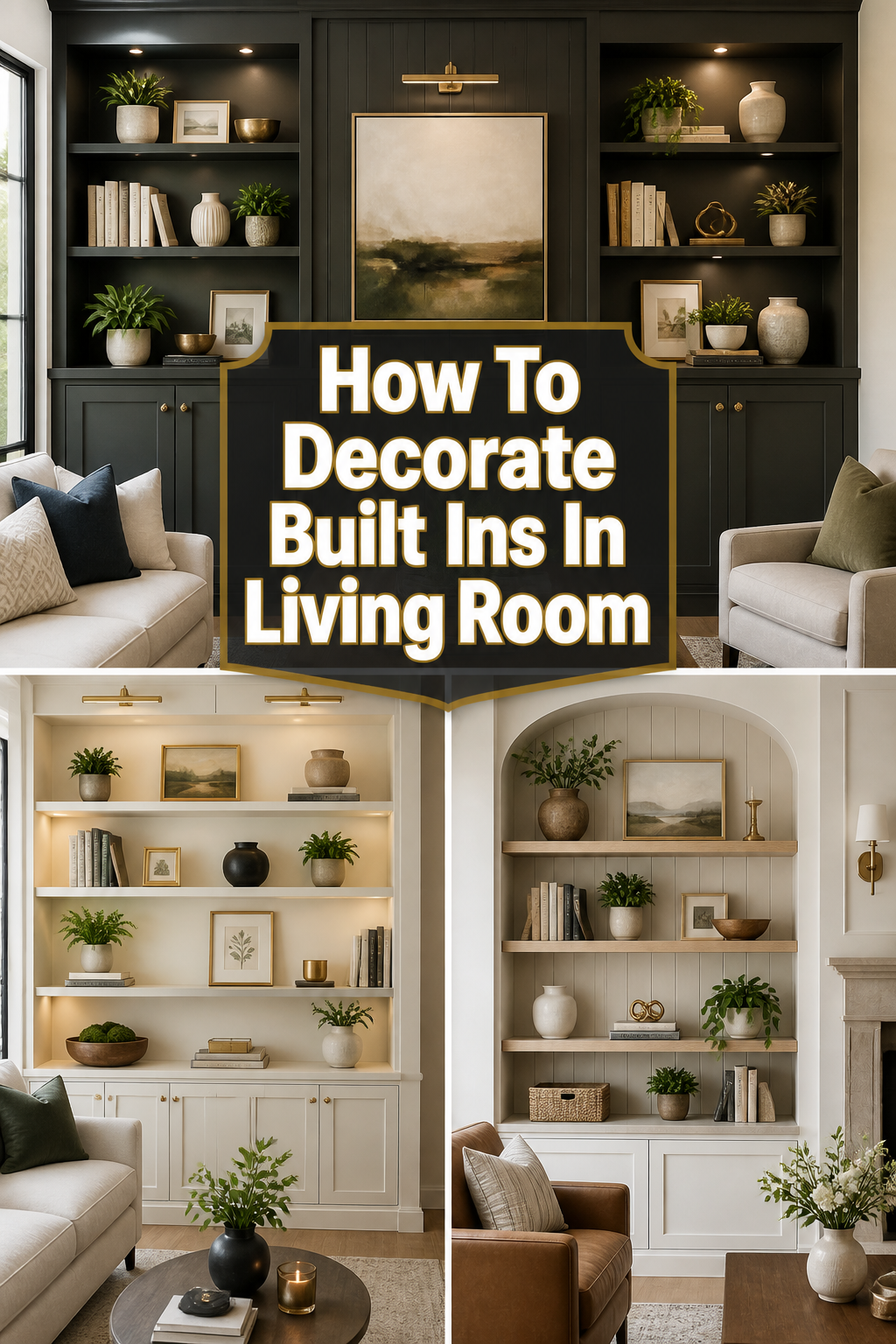
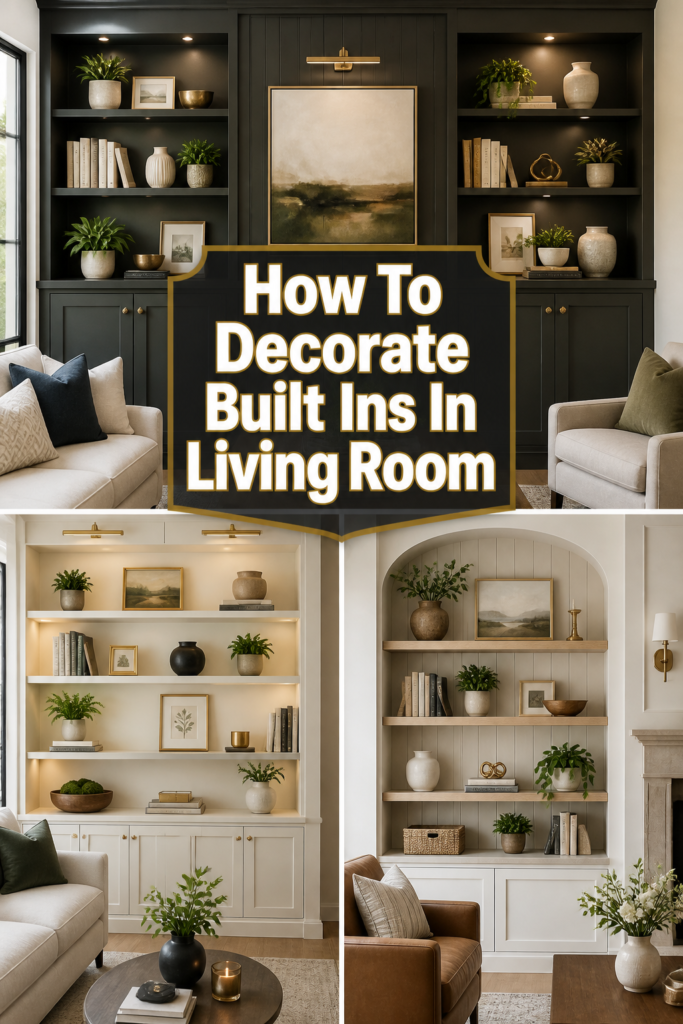
Built-in shelves in a living room are truly a design gift, offering both storage and a wonderful display opportunity.
But sometimes, staring at those empty shelves can feel a little daunting, like a blank canvas waiting for your creative touch.
Having styled countless built-ins in homes I’ve lived in and helped friends with, I’ve learned the secrets to making them feel cohesive, personal, and utterly inviting.
Quick Overview
This guide will walk you through transforming your living room built-ins from mere storage into captivating focal points.
You’ll learn how to curate a beautiful display that reflects your style and enhances your room’s overall aesthetic.
- Time needed: 2-4 hours (depending on current clutter and shopping needs)
- Difficulty: Beginner
- What you’ll need: Books, decorative objects, personal mementos, baskets, small plants, cleaning supplies, and perhaps a measuring tape.
Step-by-Step Instructions
Step 1: Clear the Canvas and Clean
Begin by completely emptying your built-in shelves. This gives you a fresh start and helps you see the space with new eyes.
Take this opportunity to thoroughly clean each shelf. Dust and wipe down all surfaces, ensuring a pristine backdrop for your decor.
Pro Tip: As you remove items, sort them into three piles: keep, donate/sell, and relocate. This decluttering step is crucial for a fresh beginning.
Step 2: Define Your Living Room’s Vibe
Consider the overall aesthetic of your living room. Is it modern, rustic, bohemian, or traditional?
Your built-ins should echo this style, creating a harmonious flow. Also, think about the primary function of your living room.
Do you need more storage for movies, blankets, or toys, or is it purely for display?
Step 3: Anchor with Large, Functional Pieces
Start by placing your largest items. These often include stacks of books, larger decorative boxes, or substantial vases.
Books are a cornerstone of built-in decor. Experiment with stacking them horizontally and vertically to break up lines.
Use decorative baskets on lower shelves for practical storage. They hide clutter beautifully while adding texture.
Step 4: Layer with Medium-Sized Objects
Once your anchors are in place, introduce medium-sized items. Think about framed photographs, small sculptures, or unique art pieces.
Vary the shapes and materials to add visual interest. A smooth ceramic vase next to a rough wooden sculpture creates a lovely contrast.
Remember to leave some breathing room around each item. Overcrowding makes shelves look messy.
Step 5: Add Small, Personal Touches and Greenery
Now it’s time for the details that make your built-ins uniquely yours. Place smaller trinkets, candles, or souvenir items.
Introduce small plants or faux greenery to bring life and freshness to the display. Trailing plants look especially good on higher shelves.
These personal touches are what truly tell your story and make the space feel inviting.
Pro Tip: Group small items in odd numbers (threes or fives) for a more appealing and balanced look. This design principle is called the “rule of odds.”
Step 6: Play with Height, Texture, and Depth
Varying heights is key to an engaging display. Use risers, stacked books, or different-sized objects to create visual peaks and valleys.
Mix textures like wood, metal, glass, and fabric. This adds richness and prevents the shelves from looking flat.
Place some items further back and some closer to the edge to create depth. This adds dimension to your display.
Step 7: Integrate Thoughtful Lighting
Consider adding subtle lighting to highlight your favorite pieces. Small LED puck lights tucked under shelves can create a warm glow.
Picture lights mounted above individual sections can draw attention to artwork or a special collection.
This step makes your built-ins shine, especially in the evening, adding warmth and ambiance to your living room.
Step 8: Step Back and Edit Ruthlessly
Once you’ve placed everything, take a significant step back from your built-ins. View them from different angles in the room.
Look for balance and flow. Is one shelf too heavy? Does another feel too sparse?
Don’t be afraid to remove items. Often, less is more. Aim for a curated look, not a cluttered one. Sometimes, an empty space is the most beautiful element.
Common Mistakes to Avoid
Overcrowding the Shelves
A common pitfall is trying to fill every available inch. This often leads to a cluttered, overwhelming appearance.
Instead, embrace negative space. Leaving some areas empty allows your chosen items to truly stand out and gives the eye a place to rest.
Ignoring Scale and Proportion
Placing tiny objects on vast shelves or massive items on small ones can look awkward. Everything should feel appropriately sized for its spot.
Mix large, medium, and small pieces thoughtfully. Ensure that no single item dominates or gets lost within the overall display.
Lack of Personalization
Using only generic decor can make your built-ins feel like a store display rather than a part of your home.
Incorporate items that reflect your personality, travels, and hobbies. These personal touches make your space feel authentic and inviting.
Forgetting the Rule of Odds
When grouping items, using an odd number (like three or five) is generally more aesthetically pleasing than an even number.
Odd groupings create a more dynamic and natural arrangement, making your displays feel more balanced and less rigid.
Troubleshooting
It feels too “busy”
If your built-ins feel overwhelming, start by removing about 25% of the items. Often, we over-decorate without realizing it.
Focus on creating more negative space around each grouping. Group similar items together to reduce visual clutter.
It looks too sparse or empty
This often means you need more anchors or larger pieces. Add a few more substantial books, larger vases, or decorative boxes.
Consider bringing in more plants to fill gaps naturally. You might also need to incorporate more layers and textures to add visual weight.
The colors don’t feel cohesive
Step back and identify the dominant colors in your current display. Are they clashing with your room’s palette?
Try to stick to a complementary color scheme. You can also use a few accent colors to tie everything together. Sometimes, simply removing one or two brightly colored items can make a huge difference.
Key Takeaways
- Always start with a clean, empty canvas to visualize better.
- Balance large, medium, and small items for visual interest.
- Incorporate personal mementos to make your built-ins unique.
- Embrace negative space; it’s just as important as the objects.
- Vary heights, textures, and depths to create a dynamic display.
- Don’t be afraid to edit and rearrange until it feels just right.
Frequently Asked Questions
How do I hide TV wires with built-ins?
Many built-ins come with built-in channels or holes for wires. If not, you can drill discreet holes between shelves or run wires behind the back panel. Decorative cable management boxes or baskets can also conceal wires effectively.
Can I mix different styles of decor on my built-ins?
Absolutely! Mixing styles can add depth and character. The key is to find a common thread, like a consistent color palette or a shared material, to ensure everything feels cohesive rather than mismatched. Curate carefully to avoid a jumbled look.
What if my built-ins are very shallow?
Shallow built-ins require a thoughtful approach. Focus on thinner items like framed photos, small art prints, and vertically stacked books. Avoid bulky objects. Small, delicate sculptures and air plants also work well in limited depth.
How often should I redecorate them?
There’s no strict rule. Many people enjoy refreshing their built-ins seasonally or whenever they feel like a change. Even small tweaks, like swapping out a few items or rearranging books, can give a whole new look without a full overhaul.
Our Top Recommended Finds
- Decorative Baskets: Perfect for hiding clutter like remote controls or blankets on lower shelves, adding warmth and texture.
- Assorted Picture Frames: Essential for showcasing cherished memories and adding personal flair in various sizes and finishes.
- Small LED Puck Lights: Battery-operated options provide soft, accent lighting to highlight your favorite pieces without needing an electrician.
Crafting Your Living Room Story
Your built-ins are more than just shelves; they are a stage for your home’s personality and a reflection of your life’s journey.
By following these steps, you’re not just decorating; you’re curating a visual story that makes your living room feel truly yours and incredibly cozy.
So, gather your favorite items, put on some music, and start creating a display that inspires you every single day.