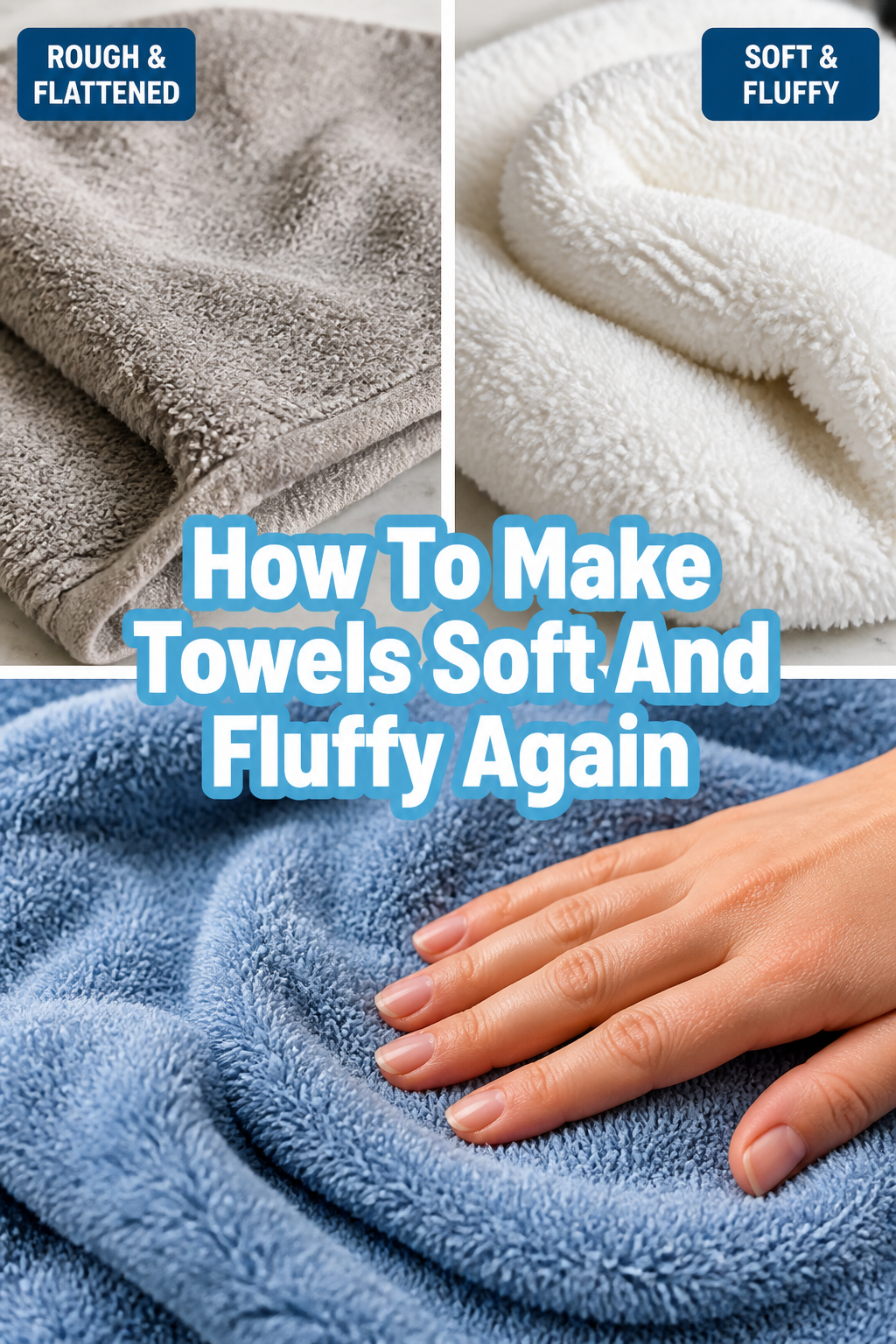
How To Make Towels Soft And Fluffy Again
There’s nothing quite like wrapping yourself in a warm, plush towel right out of the shower.
It’s a simple luxury that truly elevates your daily routine, transforming a functional act into a moment of pure comfort.
I remember when my own towels started feeling more like sandpaper than clouds, and I was determined to bring back that spa-like softness.
Through trial and error, I discovered the secrets to restoring their fluff, and I’m excited to share those practical, cozy-home-approved methods with you.
Quick Overview
This guide will walk you through simple yet effective steps to rejuvenate your tired, stiff towels.
You’ll learn how to strip away built-up residue and restore their natural absorbency and luxurious feel.
- Time needed: 2-3 hours (mostly passive waiting for cycles)
- Difficulty: Beginner
- What you’ll need: White vinegar, baking soda, laundry detergent (optional), dryer balls.
Step-by-Step Instructions
Step 1: Prepare Your Towels
Begin by gathering all the towels you wish to soften and fluff. It’s best to process towels of similar colors together to prevent any dye transfer.
Separate them from other laundry items, as towels have specific washing needs.
Make sure to shake them out gently to remove any loose debris or trapped lint before loading them into the washing machine.
Pro Tip: Consider the material of your towels. High-quality cotton like Egyptian or Turkish cotton responds beautifully to this process, often regaining their original glory with ease.
Step 2: Wash with Hot Water and Vinegar
Load your towels into the washing machine without any detergent or fabric softener.
Select the hottest water setting available on your machine; this helps to dissolve stubborn residues.
Add one cup of distilled white vinegar directly into the detergent dispenser or the fabric softener compartment.
Vinegar is a natural fabric softener and a powerful descaler that breaks down mineral buildup and soap scum.
Step 3: Run a Second Hot Cycle with Baking Soda
Once the first vinegar cycle is complete, leave the towels in the washing machine.
Do not add any detergent or fabric softener this time either.
Instead, add half a cup of baking soda directly into the drum with the wet towels.
Baking soda works wonders to neutralize odors and further loosen any remaining grime, leaving your towels feeling fresh.
Run another hot water wash cycle.
Pro Tip: For extremely stiff or dingy towels, you can try an “extended soak” feature on your machine during this step, allowing the baking soda more time to work its magic.
Step 4: A Quick Rinse Cycle
After the baking soda wash, run a final rinse cycle with cold water.
This ensures all traces of vinegar and baking soda are thoroughly removed from the towel fibers.
A clean rinse is crucial for achieving that ultimate soft feel without any lingering chemical smells.
You want your towels to emerge feeling truly fresh and ready for the next step.
Step 5: Load into the Dryer with Dryer Balls
Transfer your freshly washed and rinsed towels directly into the dryer.
Resist the urge to overload the dryer; towels need plenty of space to tumble freely and fluff up.
Add two to three wool dryer balls into the dryer drum with the towels.
These natural wonders help to separate the towel fibers, reduce drying time, and naturally soften the fabric without chemicals.
Pro Tip: Wool dryer balls are a fantastic, eco-friendly alternative to dryer sheets. They reduce static, speed up drying, and leave your towels feeling incredibly soft and bouncy. They also contribute to a healthier home by avoiding synthetic fragrances.
Step 6: Dry on a Medium Heat Setting
Select a medium heat setting on your dryer.
High heat can actually damage towel fibers over time, making them less absorbent and potentially stiffening them.
Allow the towels to dry completely, but avoid over-drying.
Pull them out as soon as they are dry to the touch, which helps prevent them from becoming brittle.
Step 7: Shake and Fold with Care
Once the towels are dry, remove them from the dryer.
Give each towel a good, vigorous shake. This action helps to further fluff up the fibers that may have been compressed during drying.
Carefully fold your now soft and fluffy towels, perhaps storing them in an open linen closet or on a beautiful shelf in your bathroom.
Seeing them neatly stacked, soft and inviting, truly completes the transformation and enhances your bathroom’s cozy aesthetic.
Common Mistakes to Avoid
Using Too Much Detergent
Many people believe more detergent equals cleaner towels, but this isn’t true for towels.
Excess detergent leaves behind a residue that builds up in the fibers, making towels stiff, less absorbent, and even scratchy over time.
This residue acts like a barrier, preventing the fabric from feeling truly soft.
Always use the recommended amount of detergent, or even slightly less, especially if you have soft water.
Overloading the Washing Machine
Cramming too many towels into one wash cycle prevents them from getting properly cleaned and rinsed.
The towels don’t have enough space to agitate freely, meaning dirt and detergent can get trapped in the fibers.
This leads to residue buildup and a stiff, less-than-fresh feel.
Give your towels ample room to move in the machine for best results.
Using Fabric Softener
While fabric softener might seem like a good idea for softness, it’s actually detrimental to towels.
Most fabric softeners contain waxes and silicones that coat the towel fibers, reducing their absorbency.
This coating also contributes to stiffness and can even make towels feel greasy over time.
Stick to natural alternatives like vinegar and baking soda for genuine softness.
Over-Drying Towels
Leaving towels in the dryer for too long on high heat can damage the cotton fibers.
Excessive heat breaks down the natural elasticity of the fabric, leading to a rougher texture and reduced lifespan.
It can also make towels feel brittle and stiff, rather than soft and plush.
Always use a medium heat setting and remove towels as soon as they are dry to the touch.
Troubleshooting
Towels Still Feel Stiff
If your towels still feel stiff after the treatment, it likely means there’s a significant amount of residue built up.
Consider repeating the vinegar and baking soda wash cycles, perhaps adding an extra rinse at the end.
Sometimes, very old or heavily used towels require a second stripping treatment to fully remove years of buildup.
Ensure you’re using hot water for the wash cycles, as this is key to dissolving stubborn grime.
Towels Have a Lingering Smell
A faint, lingering smell, especially a sour or musty one, suggests that the towels weren’t fully cleaned or dried.
Make sure you’re using enough vinegar and baking soda to neutralize odors effectively.
Always dry towels immediately after washing, and ensure they are completely dry before folding and storing them to prevent mildew.
You can also add a few drops of essential oil (like lavender or tea tree) to your wool dryer balls for a fresh scent.
Towels Aren’t as Absorbent
Reduced absorbency is a classic sign of fabric softener buildup or too much detergent residue.
The stripping process with vinegar and baking soda is designed specifically to tackle this problem.
If they’re still not absorbing well, repeat the full two-step wash process, ensuring no detergent or fabric softener is used.
This will help to remove the coating that’s preventing water absorption, bringing back their natural function.
Key Takeaways
- Regularly strip towels with vinegar and baking soda to remove residue and restore softness.
- Always avoid traditional fabric softeners, as they coat fibers and reduce absorbency.
- Use wool dryer balls to naturally fluff towels and reduce drying time.
- Never overload your washing machine or dryer to ensure proper cleaning and fluffing.
- Dry towels on medium heat and remove them promptly to prevent damage and stiffness.
- Proper care not only makes towels softer but also extends their lifespan and enhances your home’s comfort.
Frequently Asked Questions
How often should I strip my towels?
For optimal softness and absorbency, aim to strip your towels every few months, or whenever you notice them starting to feel stiff, scratchy, or less absorbent.
Some people do it quarterly, while others wait until they feel the towels truly need a refresh.
Can I use this method on colored towels?
Yes, white vinegar and baking soda are safe for most colored towels and typically won’t cause fading.
However, it’s always a good idea to test a small, inconspicuous area first if you have concerns about a particularly vibrant or delicate color.
What if my washing machine doesn’t have a hot water setting?
While hot water is ideal for dissolving buildup, you can still achieve good results with the warmest water setting available on your machine.
You might need to repeat the vinegar and baking soda washes or extend the soak times for a similar effect.
Are dryer sheets a good substitute for wool dryer balls?
No, dryer sheets are generally not recommended for towels.
Like liquid fabric softener, they contain chemicals and waxes that can coat towel fibers, reducing absorbency and contributing to stiffness over time.
Wool dryer balls are a superior, natural, and reusable alternative.
Our Top Recommended Finds
- Distilled White Vinegar: An essential, multi-purpose cleaning hero for stripping towels and countless other household tasks.
- Baking Soda: Another versatile powerhouse, perfect for deodorizing and boosting the cleaning power of your wash cycles.
- Wool Dryer Balls: Reusable, natural softeners that reduce drying time and eliminate static without chemicals.
Embrace the Everyday Luxury
Imagine stepping out of a warm bath and wrapping yourself in a towel that feels like a gentle hug.
It’s not just about cleanliness; it’s about creating moments of pure comfort in your home.
This simple guide empowers you to transform your everyday towels into luxurious spa-like essentials.
Don’t let stiff towels diminish your bathroom experience any longer.
Take these easy steps today and rediscover the joy of truly soft, fluffy towels.
Your self-care routine, and your cozy home aesthetic, will thank you.