🦋 How To Get Rid Of Moths In The House
I remember the sinking feeling of pulling my favorite vintage wool coat from the closet only to find a cluster of tiny, jagged holes near the collar.
It felt like a personal intrusion into my carefully curated sanctuary, and I realized that a beautiful home requires more than just good design; it requires protection.
After years of managing a textile-heavy home filled with velvet sofas and wool rugs, I have developed a foolproof, aesthetic-friendly system for keeping these quiet invaders at bay.
Quick Overview
This guide will help you reclaim your space and protect your investment pieces using natural, effective methods that won’t ruin the vibe of your home.
- Time needed: 3 to 5 hours for the initial deep clean, plus 48 hours for fabric treatments.
- Difficulty: Beginner.
- What you’ll need: A high-suction vacuum, airtight storage bins, cedar blocks, dried lavender, and a garment steamer.
Step-by-Step Instructions
Step 1: Identify the Source and the Species
Before you start moving furniture, you need to know exactly what you are dealing with and where they are hiding.
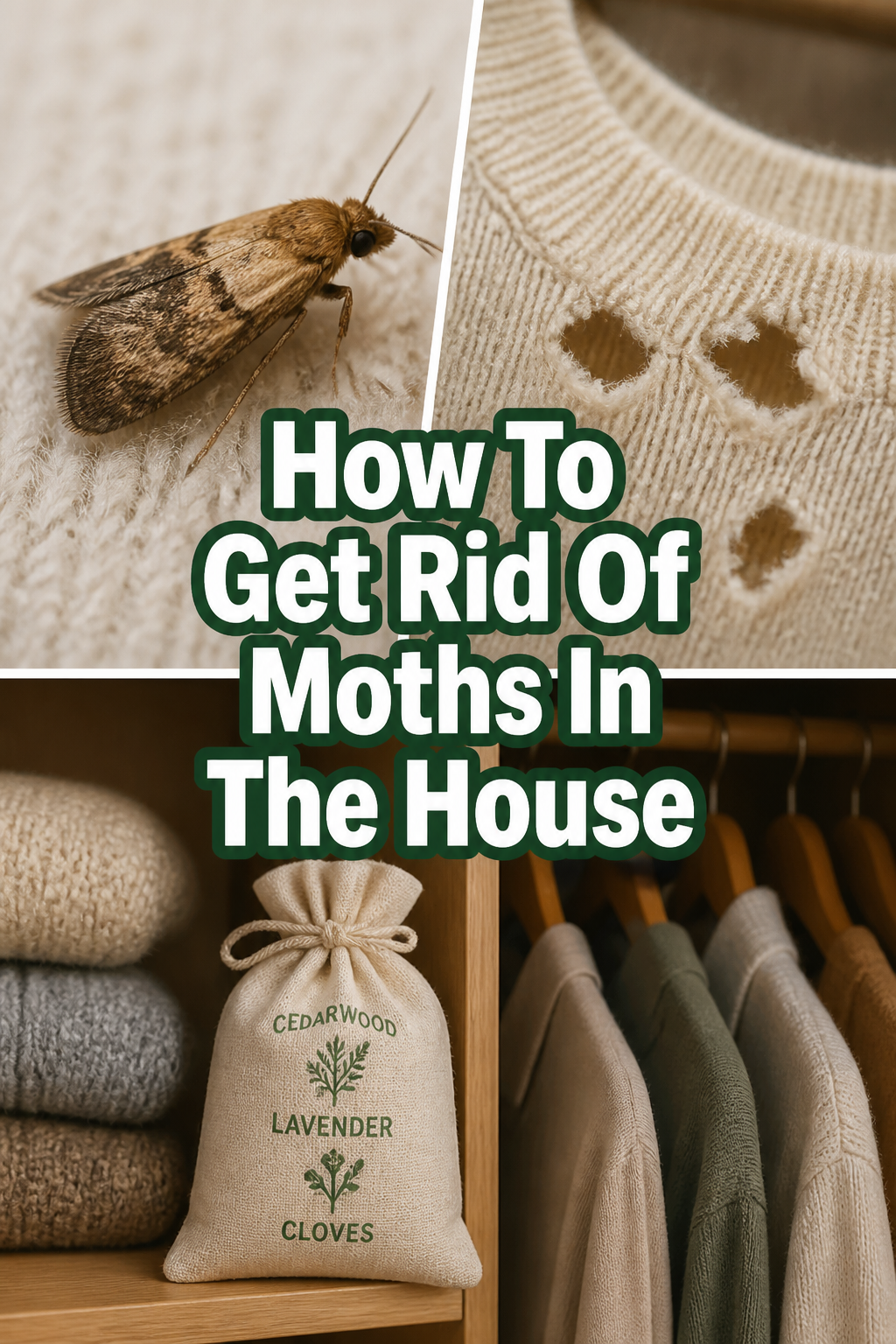
Look for the two main culprits: the webbing clothes moth, which is a buff color, and the pantry moth, which is larger and darker.
Check the dark, undisturbed corners of your home, such as the back of the coat closet or underneath the heavy antique sideboard where dust tends to settle.
Inspect your natural fibers specifically, focusing on wool, silk, cashmere, and even feathers or leather items.
Pro Tip: Pantry moths usually come from dry goods like flour or birdseed, while clothes moths are attracted to the keratin in animal fibers.
Step 2: Execute the Great Textile Audit
This is the perfect moment to embrace a minimalist mindset and evaluate every fabric item in the affected room.
Remove every single item from your closet or drawers and place them in a brightly lit area, preferably outdoors in the sun if the weather allows.
Shake each garment vigorously to dislodge any larvae or eggs that might be clinging to the fibers.
Sort your items into three piles: those that are damaged beyond repair, those that need professional cleaning, and those that are clear and ready for protection.
Discard any heavily infested items immediately by sealing them in a plastic bag and taking them straight to the outdoor trash bin.
Step 3: Deep Clean the Architecture
Moths don’t just live on your clothes; they lay eggs in the cracks of your floorboards and the corners of your shelving.
Vacuum every square inch of the empty closet or room, using the crevice tool to reach into the gaps between the baseboards and the floor.
Wipe down all hard surfaces with a mixture of warm water, vinegar, and a few drops of peppermint oil to create a clean, moth-repellent environment.
Move your furniture away from the walls to ensure you aren’t leaving a hidden breeding ground behind the headboard or the dresser.
Empty your vacuum canister or bag immediately into an outdoor bin to ensure no eggs remain inside your home to hatch later.
Step 4: Apply Temperature Shock Treatments
Moths and their larvae cannot survive extreme temperatures, which is your most powerful tool for delicate items you can’t wash on high heat.
Freeze delicate knits and silks by placing them in sealed bags and leaving them in the freezer for at least 48 to 72 hours.
Heat items that can handle it by running them through a high-heat dryer cycle for 30 minutes or using a professional-grade garment steamer.
Dry clean any structured items like wool blazers or heavy overcoats, as the chemicals used in the process are lethal to moth larvae.
Pro Tip: When freezing items, let them come back to room temperature slowly while still inside the bag to prevent moisture from condensing on the fibers.
Step 5: Introduce Natural Scent Barriers
Once your space is clean, you want to make it smell wonderful to you but repulsive to any wandering moths.
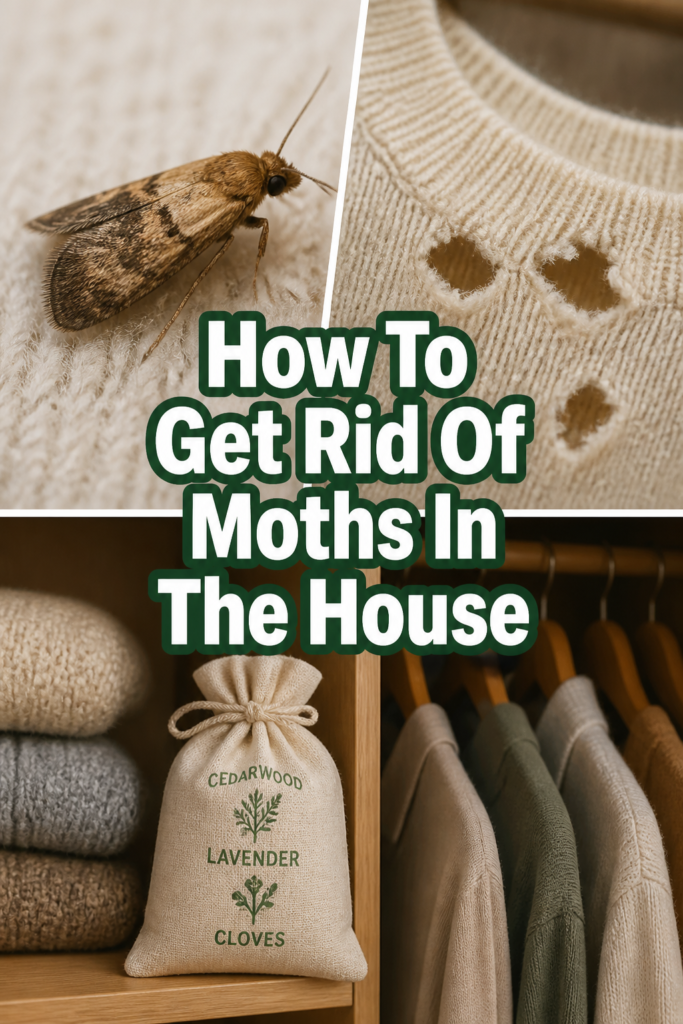
Sand your cedar blocks or hangers lightly with fine-grit sandpaper to release the fresh, aromatic oils that naturally deter insects.
Tuck sachets filled with dried lavender, rosemary, and thyme into your sweater drawers and between folded linens.
Hang bundles of dried herbs in your closet to add a touch of cottagecore aesthetic while providing a functional layer of protection.
Refresh these scents every few months, as moths will return once the potent aroma fades away.
Step 6: Implement Aesthetic Storage Solutions
The goal is to keep your beautiful items visible or organized without leaving them vulnerable to future infestations.
Store your off-season woolens in airtight, clear containers that allow you to see your collection while keeping it sealed tight.
Choose high-quality canvas garment bags with cedar inserts for long-term hanging storage of suits and dresses.
Label your bins with beautiful, handwritten tags so you know exactly where your favorite cashmere scarf is when the temperature drops.
Avoid using cardboard boxes for storage, as moths can easily crawl through the folded flaps and eggs can even hide in the corrugated layers.
Step 7: Monitor with Pheromone Traps
Think of traps as an early warning system rather than a primary method of elimination.
Place pheromone sticky traps in discreet locations, like under the bed or on a high shelf in the closet.
Check the traps once a week to see if any adult moths have been captured, which indicates you might need to repeat the cleaning process.
Replace the traps every three months to ensure the pheromones remain active and effective.
Common Mistakes to Avoid
Relying Solely on Mothballs
Many people reach for traditional mothballs, but the heavy chemical scent is incredibly difficult to remove from high-quality fabrics.
These products contain pesticides that can be harmful to pets and children, and they completely ruin the fresh, cozy atmosphere of a well-designed bedroom.
Opt for natural alternatives like cedar and lavender which provide a similar deterrent effect without the toxic side effects.
Ignoring the Rugs and Upholstery
It is easy to focus on the closet and forget that moths love the wool blend in your designer rug or the horsehair padding in an antique chair.
If you only clean your clothes, the moths will simply migrate to the underside of your sofa and wait for the opportunity to move back into your wardrobe.
Make sure to steam clean your rugs and vacuum under all large furniture pieces at least once a month.
Storing Dirty Clothes
Moths are particularly attracted to the scent of human sweat, skin oils, and food spills on clothing.
Even if a sweater looks clean, putting it away for the season without washing it first is like setting out a buffet for larvae.
Always ensure every item is freshly laundered or dry-cleaned before it goes into long-term storage.
Troubleshooting
The Moths Keep Coming Back
If you have followed every step and still see moths, they are likely hiding in a spot you haven’t considered yet.
Check inside the overflow holes in your sinks, behind heavy wall-mounted mirrors, or inside the felt hammers of an old piano.
You may also want to check your attic or crawl space for bird nests or dead rodents, as moths can breed on the feathers or fur found there.
Finding Holes in Non-Animal Fibers
Sometimes you will find holes in cotton or synthetic blends, which can be confusing since moths don’t eat these materials.
This usually happens because the larvae were eating a food stain or a stray hair that was caught in the synthetic fibers.
The solution remains the same: deep clean the area and ensure all clothing is washed thoroughly to remove any organic residue.
Key Takeaways
- Cleanliness is the best defense because moths thrive in dusty, undisturbed environments.
- Natural fibers require extra care and should be inspected regularly for signs of damage or larvae.
- Temperature shock works by using the freezer or a steamer to kill eggs that are invisible to the naked eye.
- Scented deterrents must be fresh to work, so remember to sand your cedar and replace your lavender regularly.
- Airtight storage is essential for protecting your investment pieces during the months they aren’t in use.
- Vigilance pays off through the use of pheromone traps that alert you to a problem before it becomes an infestation.
Frequently Asked Questions
Do moths bite humans or pets?
No, adult moths do not have mouths and cannot bite you, your children, or your pets.
The damage they do is strictly limited to your belongings, specifically items containing keratin or organic food particles.
However, some people may experience slight skin irritation if they come into direct contact with certain types of moth larvae or their cocoons.
How long does it take to fully get rid of an infestation?
Because of the moth life cycle, it can take several weeks to ensure you have eliminated every egg and larva.
You should remain extra vigilant for at least one full month after your deep clean to catch any late hatchers.
Consistency in vacuuming and monitoring is the only way to ensure they are gone for good.
Can I use essential oils instead of dried herbs?
Yes, essential oils like cedarwood, lavender, and peppermint are very effective when used correctly.
You can drop the oil onto unvarnished wood or cotton balls, but be careful not to let the oil touch your fabrics directly as it can cause permanent staining.
The scent will dissipate faster than dried herbs, so you will need to reapply the oils more frequently.
Our Top Recommended Finds
- Aromatic Red Cedar Blocks: These are perfect for slipping into shoes or stacking on shelves to provide a constant, pleasant woody scent that protects your space.
- Vacuum-Seal Compression Bags: These are incredible for saving space in small apartments while creating a 100% airtight barrier that no moth can penetrate.
- Professional Garment Steamer: A high-quality steamer is a great investment for both wrinkle-free clothes and instant, chemical-free pest control.
Create A Sanctuary That Lasts
Once you have cleared out the moths and protected your textiles, you will notice that your home feels lighter and more organized.
Taking the time to care for your belongings is a form of mindfulness that turns a simple house into a cherished home.
Now that your closet is secure, you might want to look into other ways to elevate your storage, such as color-coordinating your wardrobe or investing in matching velvet hangers.
Start with one drawer today, and by the end of the weekend, you will have a home that is as resilient as it is beautiful.