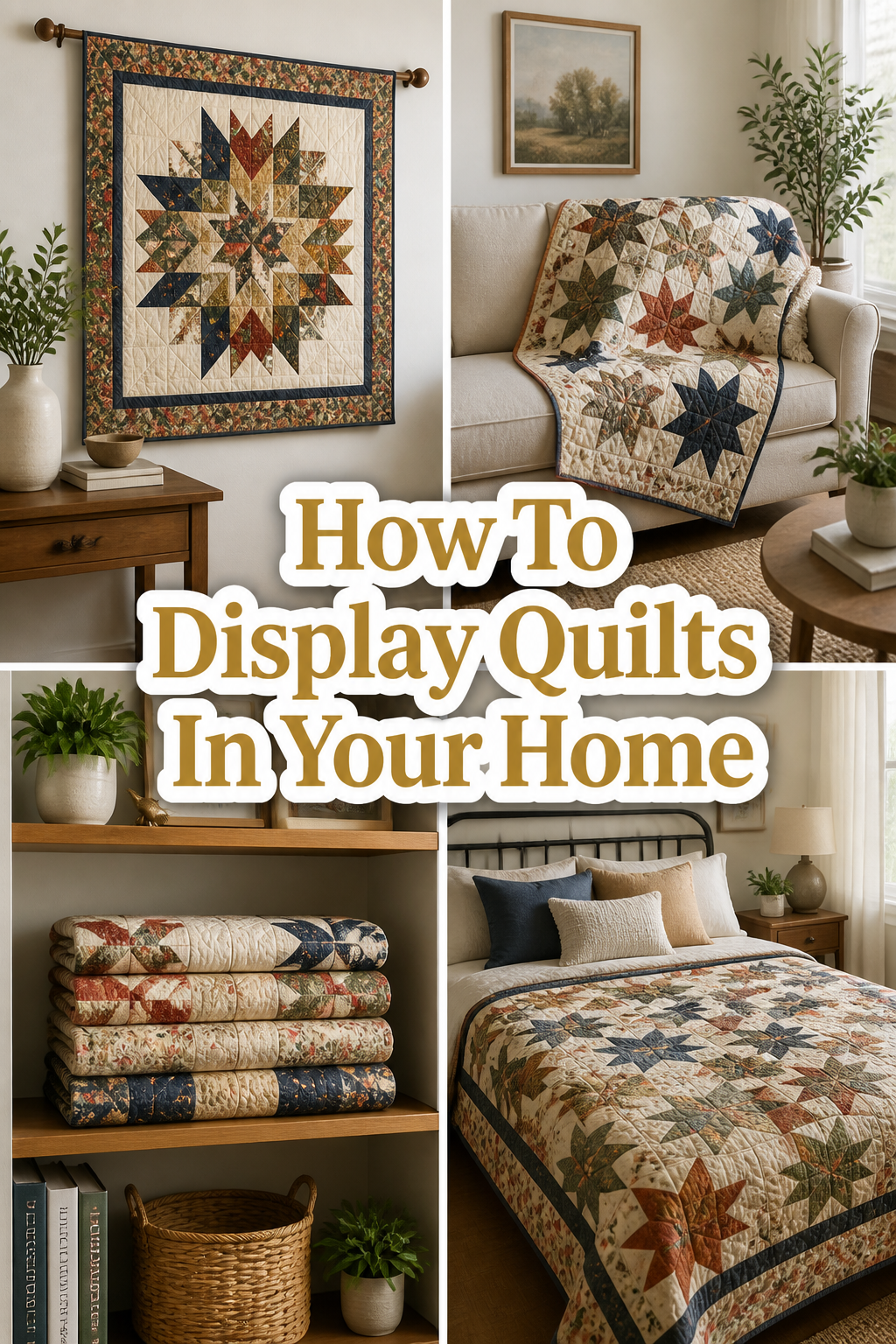
🧵 How To Display Quilts In Your Home
A quilt is more than just fabric and thread; it is a piece of history and a labor of love.
I remember the first time I hung my grandmother’s wedding ring quilt in my hallway, and the whole space immediately felt like home.
Having spent years curating textile displays for both modern and rustic spaces, I want to help you turn your collection into a focal point.
Quick Overview
This guide will show you how to safely and beautifully integrate quilts into your interior design without damaging the delicate fibers.
- Time needed: 1 to 3 hours depending on the method.
- Difficulty: Beginner.
- What you’ll need: Quilt racks, wooden ladders, hanging sleeves, acid-free tape, or curtain rods.
Step-by-Step Instructions
Step 1: Evaluate Your Space and Lighting
Look for a wall or corner that feels a bit empty or cold.
Textiles have a unique way of softening the hard lines of a room and absorbing excess sound.
Check the light levels in your chosen spot during the brightest part of the day.
Direct sunlight is the primary enemy of vintage textiles because UV rays break down natural fibers and fade organic dyes.
Choose an interior wall away from windows or use UV-filtering film on your glass to protect your treasure.
If you are displaying a quilt in a bedroom, consider the height of the ceiling to ensure the quilt doesn’t drag on the floor.
Pro Tip: Use a North-facing room for your most precious heirlooms, as the light is much softer and more consistent.
Step 2: Select a Hanging Method
Decide if you want a permanent wall fixture or a flexible, freestanding display.
A wooden quilt ladder is perfect for those who like to swap their decor frequently or live in a rental where wall holes are discouraged.
Consider a compression rack if you want a clean, modern look that doesn’t involve sewing onto the quilt.
These racks use two pieces of wood that gently “sandwich” the top edge of the quilt to hold it in place.
Explore the classic curtain rod method for a more traditional or formal aesthetic in a dining room or large entryway.
This method requires a fabric sleeve on the back, but it distributes the weight most evenly across the entire width.
Step 3: Prepare the Quilt for Display
Inspect the quilt for any loose threads, weak seams, or heavy dust before you hang it up.
If the quilt is vintage, give it a “vacuum bath” by placing a fiberglass screen over the fabric and gently vacuuming through the screen.
Determine if your quilt needs a hanging sleeve attached to the back for support.
A sleeve is a tube of washed muslin sewn to the top back of the quilt to slide a rod through.
Ensure you sew the sleeve to the quilt backing and the batting, rather than just the top layer, to prevent the fabric from stretching.
For smaller wall hangings, you might only need a few small fabric tabs instead of a full-length sleeve.
Pro Tip: Always use a 100% cotton muslin for your hanging sleeve to ensure it is chemically compatible with the quilt.
Step 4: Install Your Hardware
Measure the width of your quilt and mark the wall where the brackets or hooks will go.
Use a bubble level to make sure your marks are perfectly horizontal, as even a slight tilt will be visible with geometric patterns.
Use sturdy wall anchors if you are hanging a heavy, queen-sized quilt, as the weight can be surprising.
If you are using a ladder, ensure the feet have rubber grips so it doesn’t slide on hardwood floors.
Mount the rod or rack at a height where the center of the quilt is roughly at eye level for the best visual impact.
This follows the standard “museum height” rule which usually places the center of the piece 57 to 60 inches from the floor.
Step 5: Style with Texture and Layers
Fold quilts creatively if you are using a ladder or a blanket chest to show off different sections of the pattern.
Try a “zig-zag” fold to highlight the contrast between the front pattern and the backing fabric.
Layer a smaller, more intricate quilt over a larger, solid-colored one on the back of a sofa for a cozy, lived-in feel.
This adds depth and makes the room feel warmer during the colder months of the year.
Drape a quilt over the foot of a bed at an angle to break up the symmetry of a formal bedroom.
This creates an inviting atmosphere that encourages relaxation and rest.
Step 6: Rotate and Rest Your Textiles
Change your display every three to four months to prevent permanent creasing and fiber fatigue.
Gravity is a constant force that can eventually pull on the stitches of a vertically hung quilt.
Store the quilt you just took down in a dark, cool place, preferably folded with acid-free tissue paper in the creases.
This “rest period” allows the fibers to relax and regain their original shape.
Swap your quilts based on the seasons, using bright florals for spring and deep, warm tones for autumn.
This keeps your home decor feeling fresh and celebrates the changing times of the year.
Pro Tip: Never store quilts in plastic bins, as they need to breathe to prevent the growth of mold or mildew.
Common Mistakes to Avoid
Using Metal Clips or Clamps
Many people are tempted to use metal binder clips or decorative metal hangers to hold their quilts.
Over time, metal can react with the moisture in the air and leave rust spots that are nearly impossible to remove from cotton.
Furthermore, the concentrated pressure of a clip can tear the delicate fibers or leave permanent indentations in the batting.
Hanging in High-Humidity Areas
It might seem cozy to put a quilt in a large bathroom or near a kitchen stove, but moisture is a major threat.
Humidity can lead to the growth of mildew and can cause the natural dyes in older quilts to bleed into the white sections.
Keep your textile displays in climate-controlled areas of the home where the air is dry and the temperature is stable.
Forgetting to Dust the Display
Quilts act like giant filters for the air in your home, catching dust, pet dander, and pollen.
If you leave a quilt on the wall for a year without cleaning, the dust can become embedded in the weave of the fabric.
Gently shake out your quilts outdoors or use a soft brush attachment on a vacuum once a month to keep them clean.
Troubleshooting
The Quilt is Sagging in the Middle
If your quilt looks like it is drooping between the hanging points, the weight is not being distributed evenly.
This usually happens when using tabs or a rod that is too thin for the weight of the textile.
Switch to a full-length hanging sleeve and a sturdy wooden dowel to provide support across the entire top edge.
The Colors Look Dull Under Indoor Lights
Sometimes a quilt that looks vibrant in the sunlight looks “muddy” or gray when hung in a hallway.
This is often due to the “Color Rendering Index” (CRI) of your light bulbs.
Replace your standard bulbs with high-CRI LED bulbs that mimic natural daylight to bring out the true reds, blues, and yellows of the fabric.
The Quilt Won’t Lay Flat Against the Wall
If the corners of your quilt are curling forward, it may be due to the way the binding was applied or uneven tension in the quilting.
You can solve this by sewing small “pockets” into the bottom two corners on the back.
Insert a small, flat weight or a thin piece of plastic into these pockets to gently pull the corners down and keep them flush with the wall.
Key Takeaways
- Protect from light: Always avoid direct sunlight to prevent fading and fiber damage.
- Distribute weight: Use a hanging sleeve or a compression rack to support the quilt evenly.
- Rotate often: Give your quilts a “rest” every few months to maintain their structural integrity.
- Avoid metal: Stick to wood, fabric, or plastic hanging materials to prevent rust and staining.
- Style with purpose: Use ladders for a casual look and wall mounts for a formal, artistic statement.
Frequently Asked Questions
How do I hang a quilt without sewing a sleeve?
You can use a specialized quilt clamp or a compression hanger made of two pieces of wood. These bars grip the top edge of the quilt firmly but gently, allowing you to hang it without making any permanent alterations to the fabric. Just be sure the wood is finished so no splinters snag the threads.
Can I display a quilt on a ladder if I have pets?
Yes, but you should keep the quilt on the higher rungs of the ladder. Cats, in particular, may see a hanging quilt as a tempting scratching post or a cozy place to climb. If your pets are very active, a wall-mounted display that is out of reach is a much safer option for your heirloom.
Is it okay to hang a quilt over a fireplace?
It is generally not recommended to hang a quilt directly over a working fireplace. The heat can dry out the fibers and make them brittle, while smoke and soot can settle into the fabric and cause odors or staining. If the fireplace is non-functional and purely decorative, it can be a beautiful spot for a display.
What is the best way to fold a quilt for a display shelf?
The best way is the “roll” method or a loose fold with acid-free tissue paper tucked into the bends. Tight folds can create permanent creases that eventually turn into cracks in the fabric. By rolling the quilt or using soft folds, you preserve the life of the batting and the outer shell.
Our Top Recommended Finds
- Wooden Blanket Ladder: A 6-foot leaning ladder provides multiple levels for displaying various quilt sizes and adds a rustic touch to any room.
- Magnetic Quilt Hangers: These are excellent for modern homes, using strong magnets to hold the quilt in place without the need for sleeves or clips.
- Acid-Free Tissue Paper: Essential for anyone who wants to store their quilts properly between displays to prevent yellowing and creasing.
Bringing Your Textile Story to Life
Now that you have the tools and techniques to display your quilts, it is time to take them out of the closet.
Every stitch in a quilt represents a moment in time, and these pieces deserve to be seen and appreciated daily.
Start by choosing your favorite piece and finding a spot in your home that needs a touch of softness.
You might find that once you hang one quilt, you’ll want to create a rotating gallery that tells your family’s story through fabric.
Take a look at your walls today and imagine how a splash of color and texture could transform your living space into a cozy sanctuary.