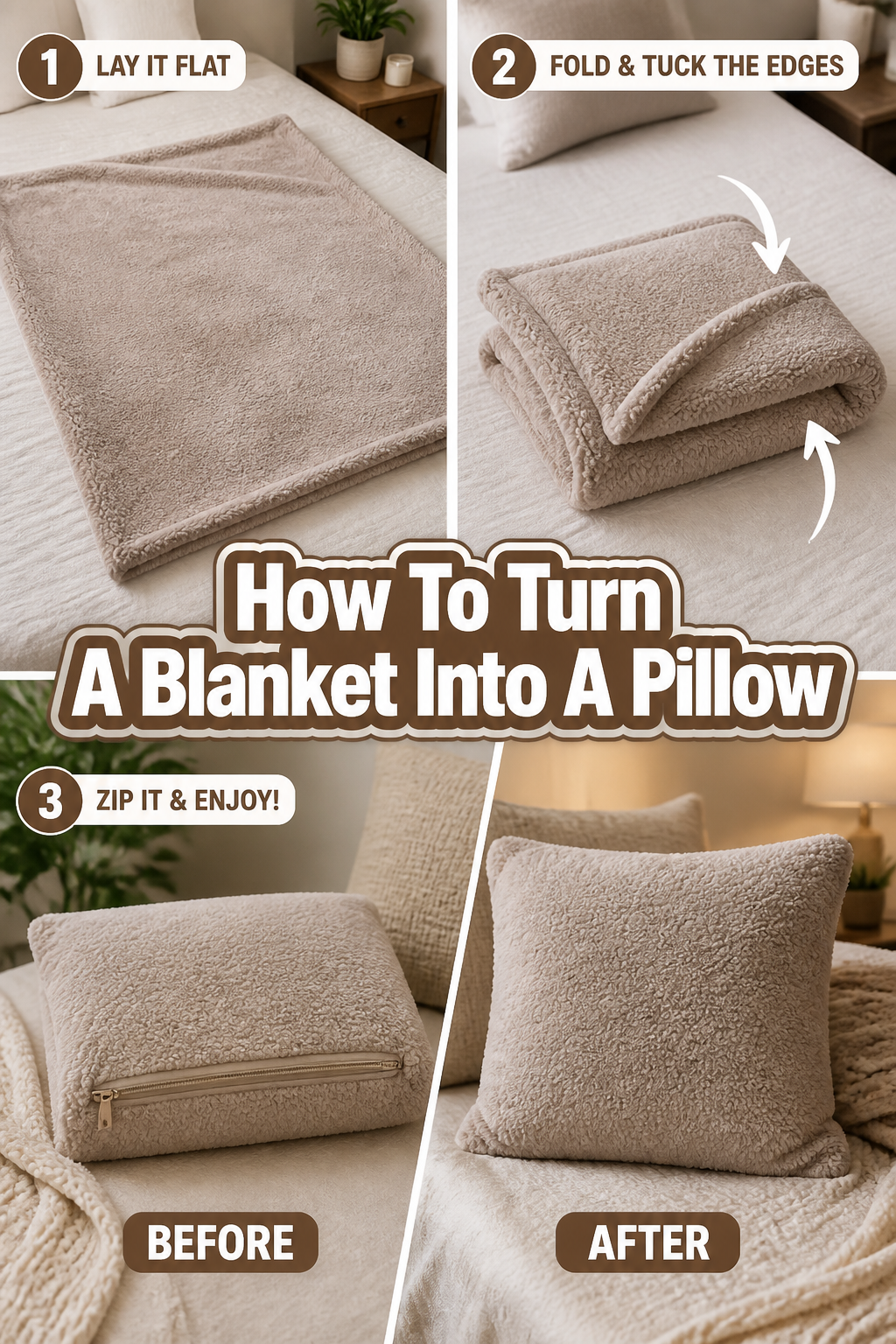
🧺 How To Turn A Blanket Into A Pillow
Have you ever found yourself needing an extra cushion for your reading nook, or perhaps a supportive bolster for movie night on the sofa? I certainly have, especially when guests arrive unexpectedly. That’s when I discovered the simple magic of transforming a cozy blanket into a functional, beautiful pillow.
This guide comes from countless hours of experimenting with throws and quilts, perfecting the art of the perfect fold. You’ll learn how to create comfort with items you already own, adding a touch of resourceful elegance to your home.
Quick Overview
This practical guide will help you transform any suitable blanket into a firm, inviting pillow. You’ll create a versatile home accessory that adds comfort and style.
- Time needed: 5-15 minutes
- Difficulty: Beginner
- What you’ll need: A blanket (throw, quilt, or comforter), a flat, clean surface, optional: decorative ribbon or fabric ties.
Step-by-Step Instructions
Step 1: Choose Your Blanket Wisely
The journey to your perfect blanket-pillow begins with selecting the right textile. Think about the blanket’s material, size, and texture. This choice will significantly influence the final pillow’s feel and appearance.
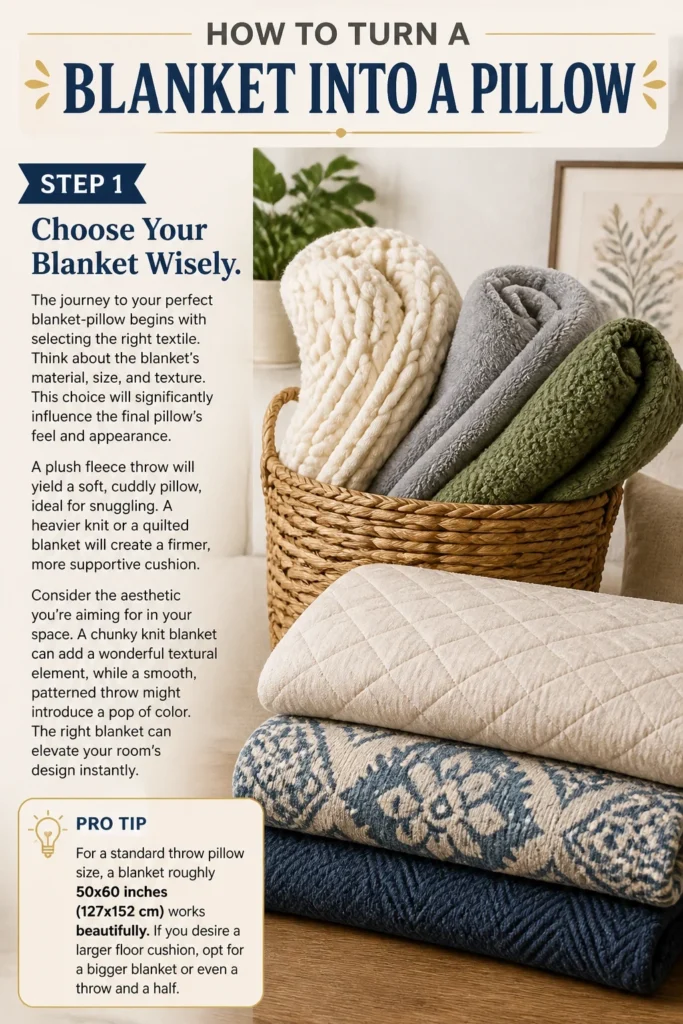
A plush fleece throw will yield a soft, cuddly pillow, ideal for snuggling. A heavier knit or a quilted blanket will create a firmer, more supportive cushion. Consider the aesthetic you’re aiming for in your space.
A chunky knit blanket can add a wonderful textural element, while a smooth, patterned throw might introduce a pop of color. The right blanket can elevate your room’s design instantly.
Pro Tip: For a standard throw pillow size, a blanket roughly 50×60 inches (127×152 cm) works beautifully. If you desire a larger floor cushion, opt for a bigger blanket or even a twin-sized comforter.
Step 2: Clear Your Space
Before you begin folding, ensure you have a large, flat, and clean surface. A bed, a dining table, or even a clean floor will work perfectly. This step is crucial for achieving crisp, even folds.
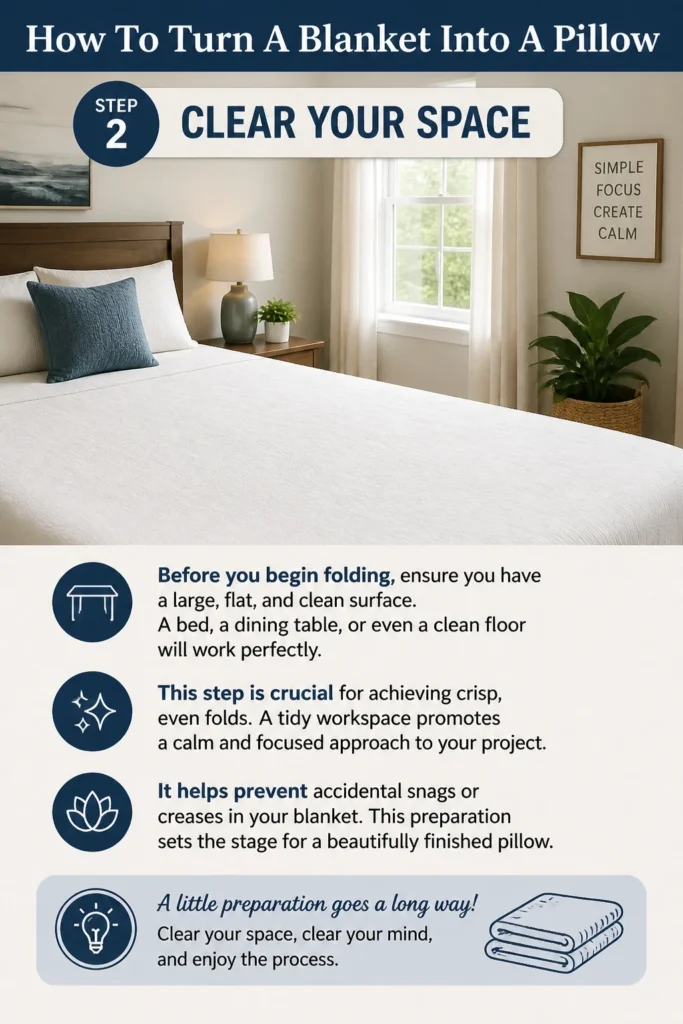
A tidy workspace promotes a calm and focused approach to your project. It helps prevent accidental snags or creases in your blanket. This preparation sets the stage for a beautifully finished pillow.
Step 3: Lay It Flat and Smooth
Gently unfold your chosen blanket and lay it out completely flat on your prepared surface. Take a moment to smooth out any wrinkles or bunched areas. This creates a clean foundation for your folds.
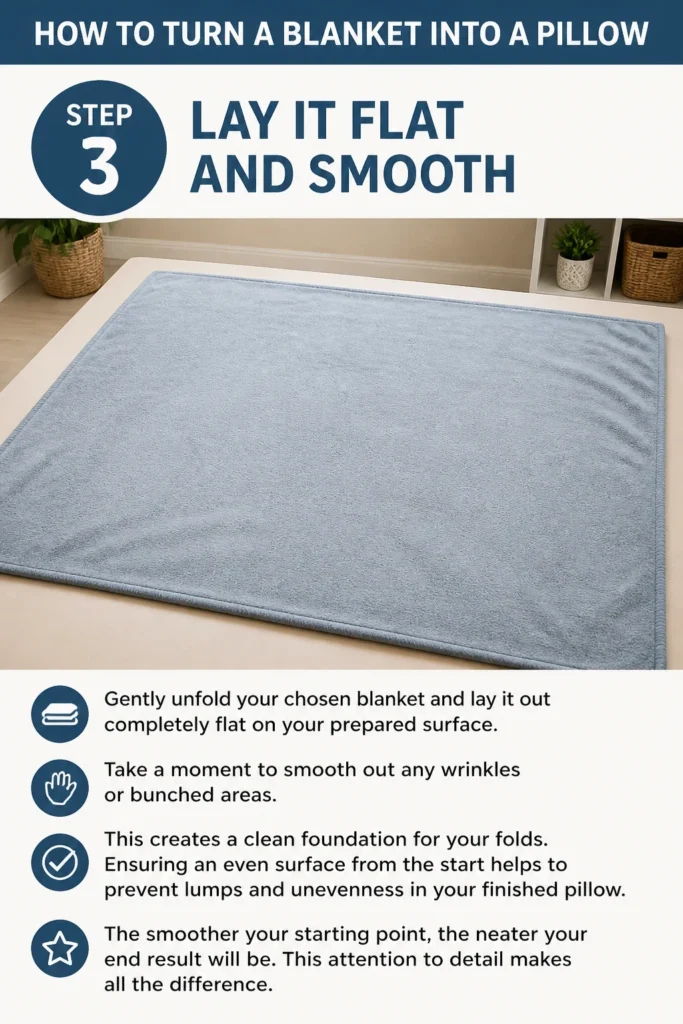
Ensuring an even surface from the start helps to prevent lumps and unevenness in your finished pillow. The smoother your starting point, the neater your end result will be. This attention to detail makes all the difference.
Step 4: Fold into a Narrow Rectangle
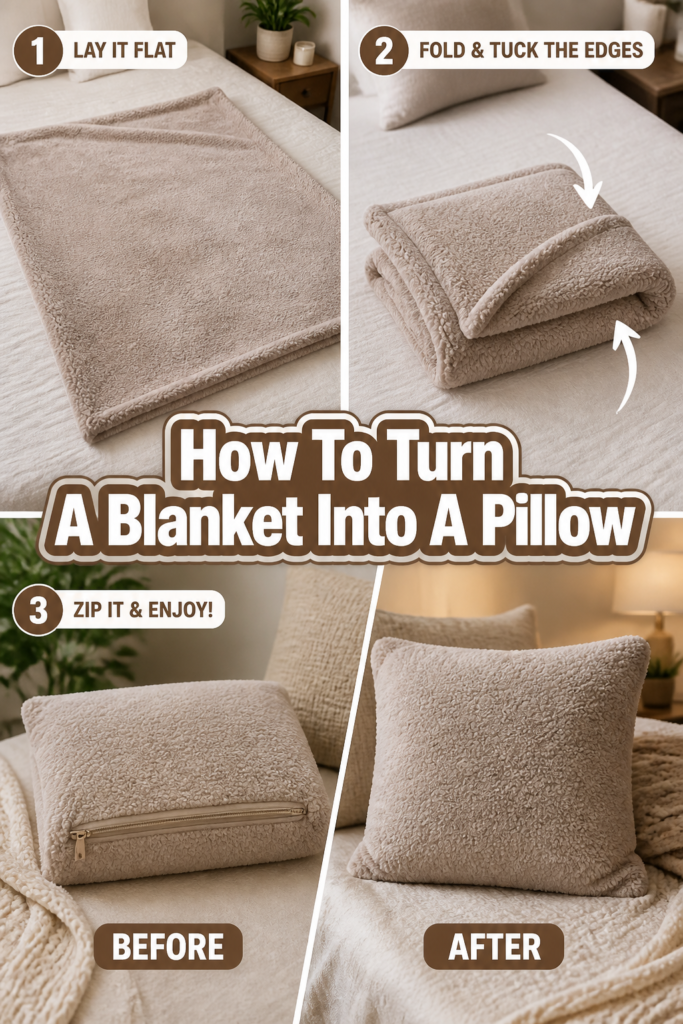
Begin by folding the blanket lengthwise. Take one long edge and bring it towards the center of the blanket. Then, take the other long edge and bring it to meet the first fold, creating a long, narrow rectangle.
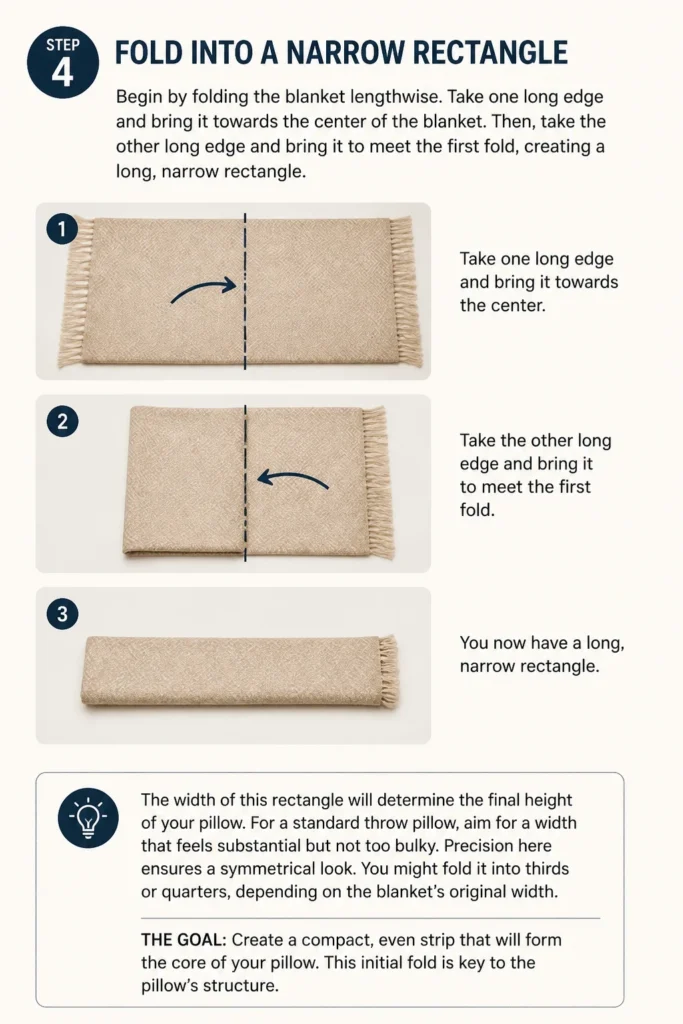
The width of this rectangle will determine the final height of your pillow. For a standard throw pillow, aim for a width that feels substantial but not too bulky. Precision here ensures a symmetrical look.
You might fold it into thirds or quarters, depending on the blanket’s original width. The goal is to create a compact, even strip that will form the core of your pillow. This initial fold is key to the pillow’s structure.
Step 5: Fold into a Compact Square or Rectangle
Now, take one end of your long, narrow rectangle and begin to fold it over itself. Continue folding, working your way down the length of the blanket. Each fold should be relatively tight and even.
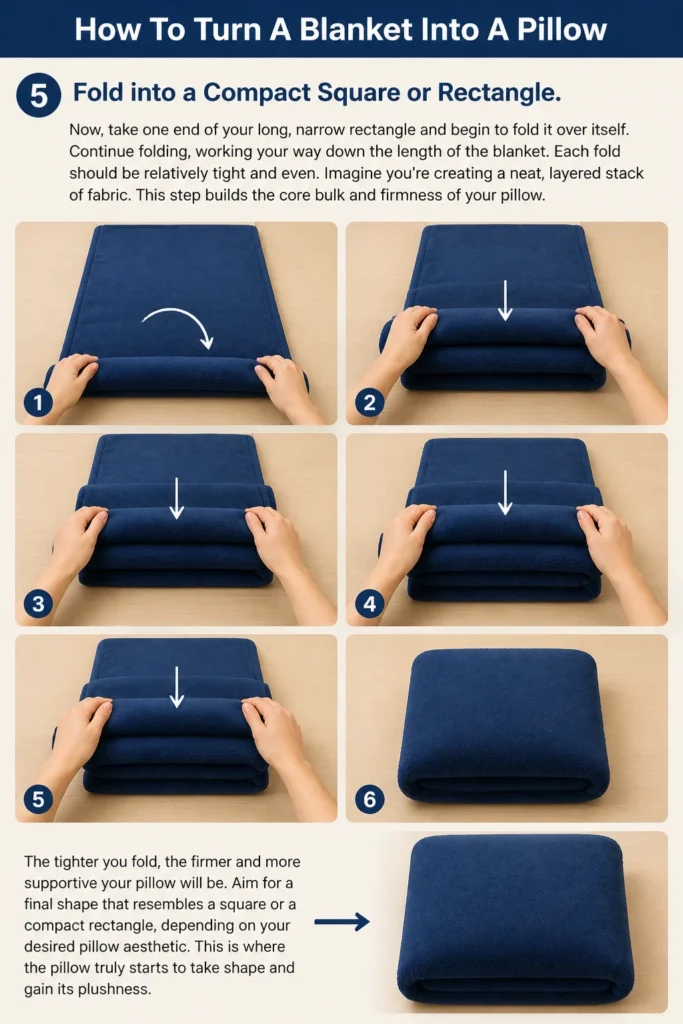
Imagine you’re creating a neat, layered stack of fabric. This step builds the core bulk and firmness of your pillow. The tighter you fold, the firmer and more supportive your pillow will be.
Aim for a final shape that resembles a square or a compact rectangle, depending on your desired pillow aesthetic. This is where the pillow truly starts to take shape and gain its plushness.
Step 6: Tuck and Secure (The Magic Touch)
Once you’ve folded the blanket into your desired compact shape, you’ll likely have a loose end or flap. This is where you’ll perform the ‘tuck and secure’ step. Carefully tuck this loose end underneath the layers of the folded blanket.
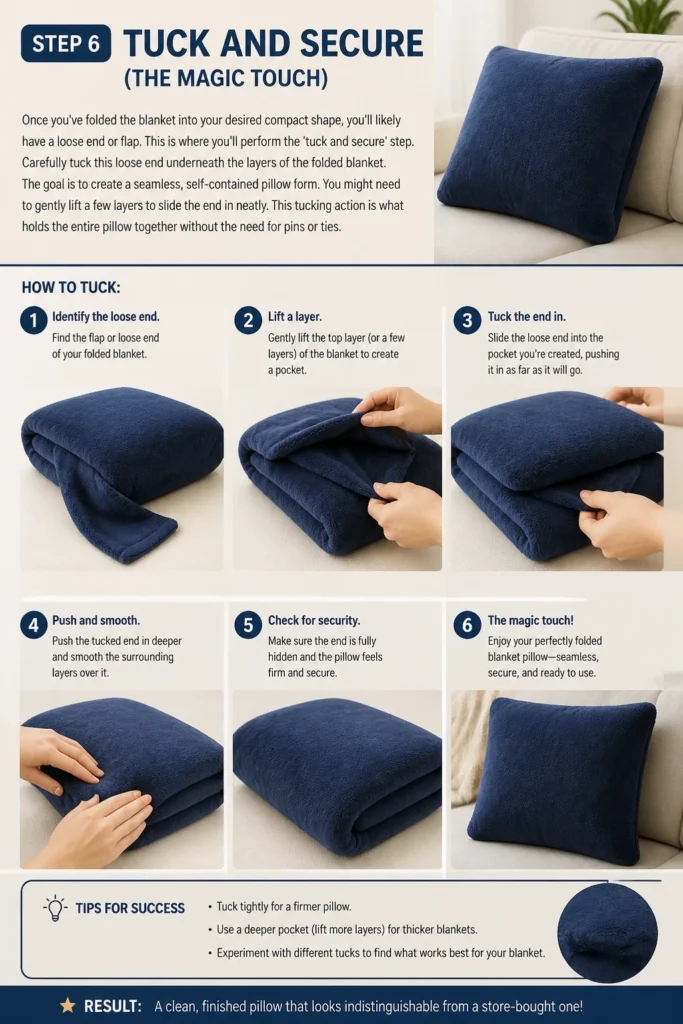
The goal is to create a seamless, self-contained pillow form. You might need to gently lift a few layers to slide the end in neatly. This tucking action is what holds the entire pillow together without the need for pins or ties.
For a truly seamless look, ensure the tucked end is completely hidden. This creates a clean, finished appearance, making it look indistinguishable from a store-bought pillow. Experiment with different tucks to find what works best for your blanket.
Step 7: Shape and Fluff
With the blanket now folded and tucked into its pillow form, take a moment to gently shape and fluff it. Use your hands to pat and mold the pillow, ensuring all sides are even and plump. This helps distribute the fabric evenly.
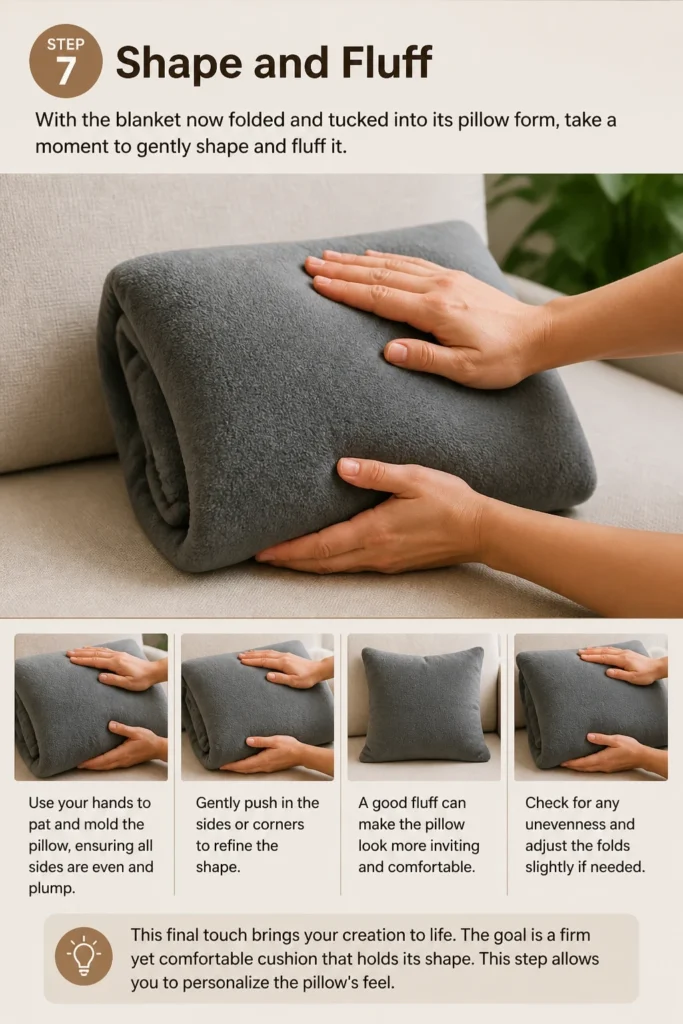
You can gently push in the sides or corners to refine the shape. A good fluff can make the pillow look more inviting and comfortable. This final touch brings your creation to life.
Check for any unevenness and adjust the folds slightly if needed. The goal is a firm yet comfortable cushion that holds its shape. This step allows you to personalize the pillow’s feel.
Step 8: Accessorize for Style (Optional)
To elevate your blanket-pillow even further, consider adding a decorative touch. A beautiful ribbon tied around the center can add a charming accent. Choose a ribbon color that complements your blanket and room decor.
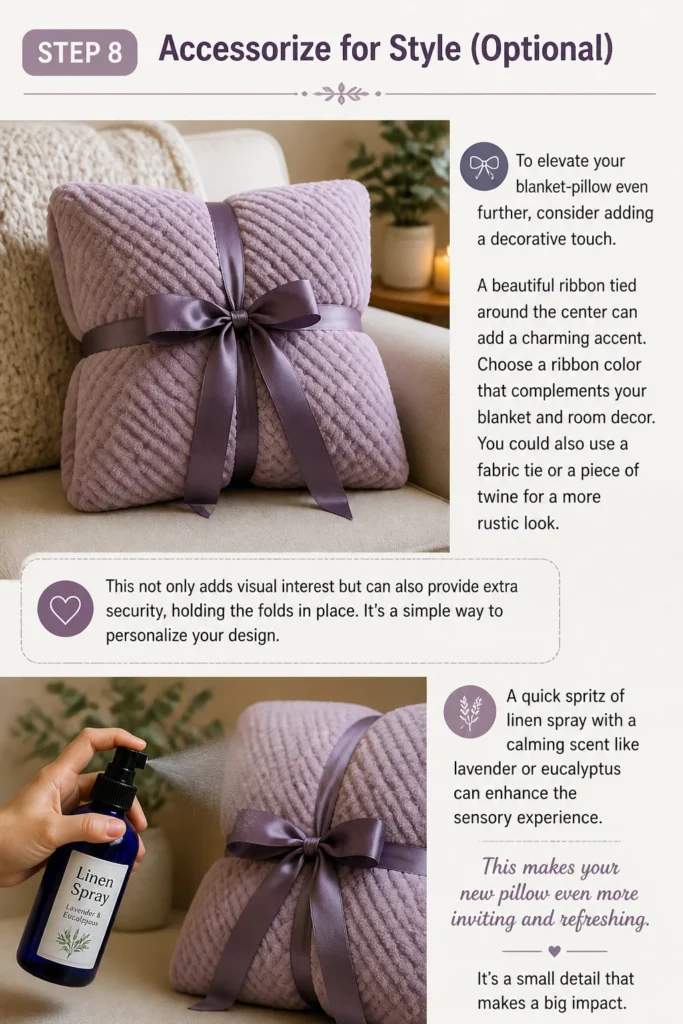
You could also use a fabric tie or a piece of twine for a more rustic look. This not only adds visual interest but can also provide extra security, holding the folds in place. It’s a simple way to personalize your design.
A quick spritz of linen spray with a calming scent like lavender or eucalyptus can enhance the sensory experience. This makes your new pillow even more inviting and refreshing. It’s a small detail that makes a big impact.
Step 9: Place and Enjoy
Your blanket-pillow is now ready to be integrated into your home decor! Place it on your sofa, an armchair, or at the head of your bed. Use it to add extra support, comfort, or a stylish design element.
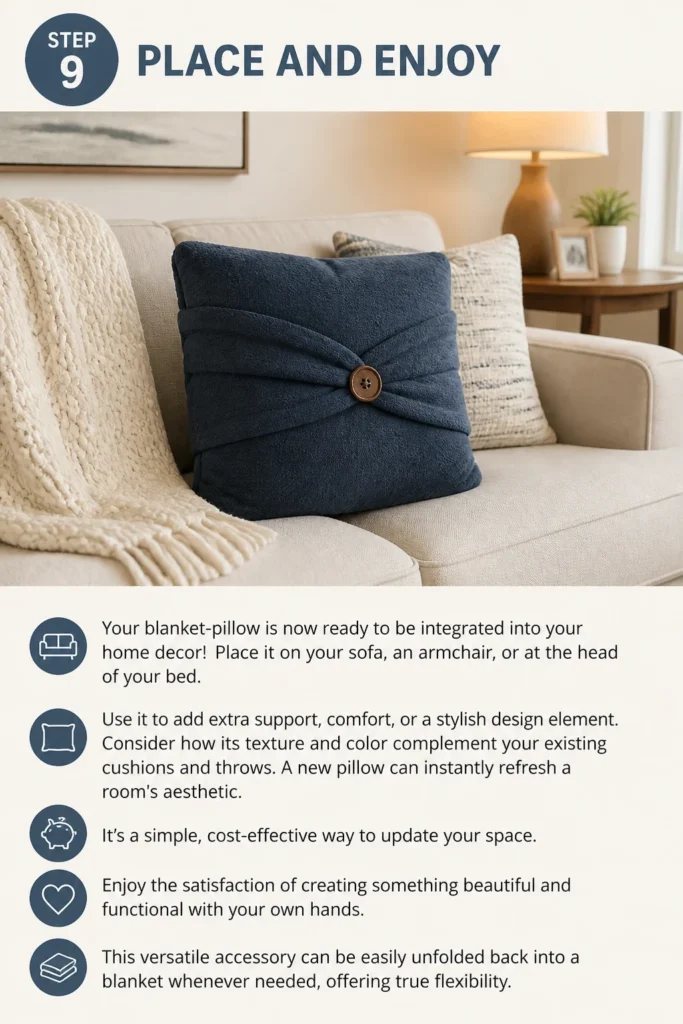
Consider how its texture and color complement your existing cushions and throws. A new pillow can instantly refresh a room’s aesthetic. It’s a simple, cost-effective way to update your space.
Enjoy the satisfaction of creating something beautiful and functional with your own hands. This versatile accessory can be easily unfolded back into a blanket whenever needed, offering true flexibility.
Common Mistakes to Avoid
Choosing the Wrong Blanket
Selecting a blanket that is too thin or too bulky can lead to an unsatisfying pillow. A very thin blanket might result in a flimsy pillow that lacks substance. On the other hand, an overly thick comforter can be challenging to fold tightly, resulting in a cumbersome, oversized cushion.
Always consider the desired firmness and size before you begin. A medium-weight throw or a soft quilt usually offers the best balance for a supportive yet comfortable pillow. The right material makes all the difference in the final product.
Not Smoothing Enough
Failing to smooth out your blanket completely before folding is a common pitfall. Any wrinkles or bunched fabric present at the start will become trapped within the folds. This inevitably leads to a lumpy, uneven pillow.
Take the extra minute to lay your blanket perfectly flat and smooth. This initial attention to detail ensures a consistent texture and a neat appearance for your finished pillow. A smooth foundation is key to a polished result.
Loose Folds
If your folds are too loose, your blanket-pillow will lack firmness and might easily unravel. A pillow that doesn’t hold its shape isn’t very functional or aesthetically pleasing. It defeats the purpose of creating a supportive cushion.
Strive for tight, even folds throughout the process. This creates density and ensures the pillow maintains its form when in use. A firmly folded pillow offers better support and looks much more intentional.
Rushing the Tucking
The final tucking step is crucial for holding everything together. Rushing this part can result in a visible, untidy flap or an insecure pillow that falls apart with slight movement. A poorly tucked pillow looks unfinished.
Take your time to neatly tuck the loose end completely underneath the layers. Ensure it’s secure and hidden from view for a polished, seamless appearance. This careful finish makes your blanket-pillow look professionally made.
Troubleshooting
Pillow Feels Too Soft or Lumpy
If your finished pillow feels too soft, it likely means your initial folds weren’t tight enough. A lumpy texture often indicates that the blanket wasn’t smoothed properly before folding, or that folds became uneven.
Unfold the blanket completely and start over, paying close attention to smoothing out all wrinkles. When refolding, ensure each fold is firm and compact, building density with every layer. This will create a more supportive and even pillow.
Pillow Keeps Unfolding
An unraveling blanket-pillow is usually a sign that the final tuck was not secure enough. The loose end might not be deeply enough within the layers, or the blanket material itself is very slippery.
Try re-tucking the loose end deeper into the folded layers, ensuring it’s firmly held by the surrounding fabric. For extra security, consider using a decorative ribbon or fabric tie wrapped around the middle of the pillow. This adds both style and stability.
Doesn’t Look Aesthetically Pleasing
If your blanket-pillow isn’t quite matching your desired aesthetic, it might be due to the blanket choice or the precision of your folds. Sometimes, the pattern or texture of the blanket doesn’t translate well into a pillow form.
Re-evaluate your blanket choice; perhaps a different color or fabric would better suit your decor. Also, focus on making your folds as crisp and symmetrical as possible. A neat fold contributes significantly to the overall aesthetic.
Key Takeaways
- Choose your blanket wisely, considering material, size, and texture for the desired pillow feel.
- Always begin with a completely smooth, flat blanket to avoid lumps and ensure evenness.
- Fold tightly and evenly throughout the process to create a firm, supportive, and shapely pillow.
- Master the final tuck to secure the blanket-pillow, making it look seamless and preventing unraveling.
- Accessorize with ribbons or linen spray to enhance the aesthetic and sensory experience.
- Embrace the versatility of this DIY pillow, easily converting it back to a blanket when needed.
Frequently Asked Questions
Can I use any blanket for this?
While most blankets can be turned into a pillow, some work better than others. Medium-weight throws, fleece blankets, or thin quilts are ideal. Very thin blankets might not provide enough bulk for a firm pillow, while extremely thick comforters can be difficult to fold tightly and manage.
How long will the blanket stay a pillow?
A well-folded and tucked blanket-pillow can hold its shape for several days, or even weeks, depending on how often it’s used and how tightly it was folded. If it starts to lose its form, simply unfold and refold it to refresh its shape.
Can I wash the blanket while it’s folded as a pillow?
It’s generally not recommended to wash the blanket while it’s in its folded pillow form. For proper cleaning, always unfold the blanket completely and wash it according to its care instructions. This ensures a thorough clean and prevents damage to the fabric from uneven washing.
What if I want a firmer pillow?
To achieve a firmer pillow, the key is to make your folds as tight and compact as possible. Each time you fold a section, press down firmly to remove air and create density. You can also choose a slightly thicker or denser blanket material, which will naturally result in a firmer pillow.
Our Top Recommended Finds
- A Plush Faux Fur Throw: Incredibly soft and luxurious, perfect for creating an inviting, cozy pillow that adds texture to any space.
- Decorative Satin Ribbons: Ideal for tying around your finished blanket-pillow, adding a touch of elegance and extra security to your folds.
- Lavender Linen & Room Spray: Spritz on your new pillow for a calming aroma, enhancing the sensory experience and making your space feel more serene.
Crafting Comfort, One Fold at a Time
Transforming a simple blanket into a functional, beautiful pillow is more than just a clever trick; it’s an act of mindful creation. You’re not just making a pillow; you’re adding a layer of warmth, personality, and resourcefulness to your home. It’s about finding beauty and utility in everyday objects.
Embrace the joy of crafting your own cozy aesthetics. This simple skill empowers you to adapt your space, offering comfort wherever it’s needed most. Why not gather your favorite blanket today and create a little piece of comfort?