🐾 How To Get Dog Smell Out Of House
Living with a beloved dog brings so much joy and warmth into our homes. I know firsthand how much I adore my furry companion, but sometimes, that unique “dog smell” can start to settle in, subtly changing the cozy ambiance we love.
It’s not just about cleanliness; it’s about creating a truly inviting sanctuary where both you and your pet can thrive. This guide will walk you through transforming your home into a fresh, delightful space, free from lingering pet odors.
You’ll discover simple, effective strategies that blend seamlessly with maintaining a beautiful, comfortable living environment.
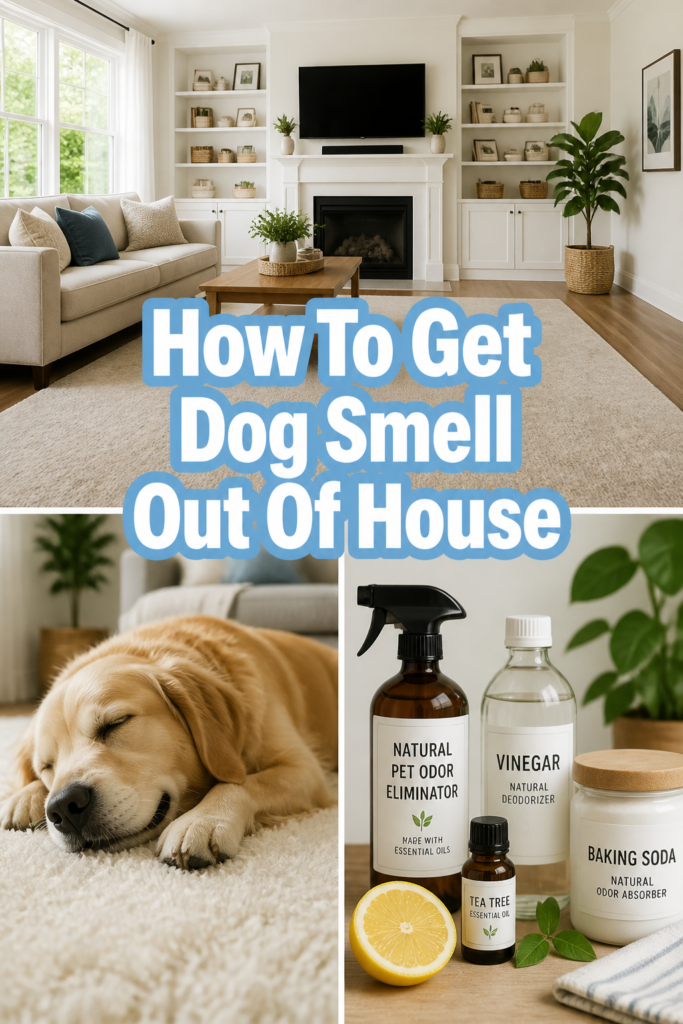
Quick Overview
This guide will empower you to identify and eliminate dog odors from your home, creating a fresher, more inviting space. You’ll learn practical steps to refresh every surface, improve air quality, and maintain a pleasant atmosphere.
- Time needed: 2-4 hours for initial deep clean; 30 minutes weekly for maintenance.
- Difficulty: Beginner to Intermediate.
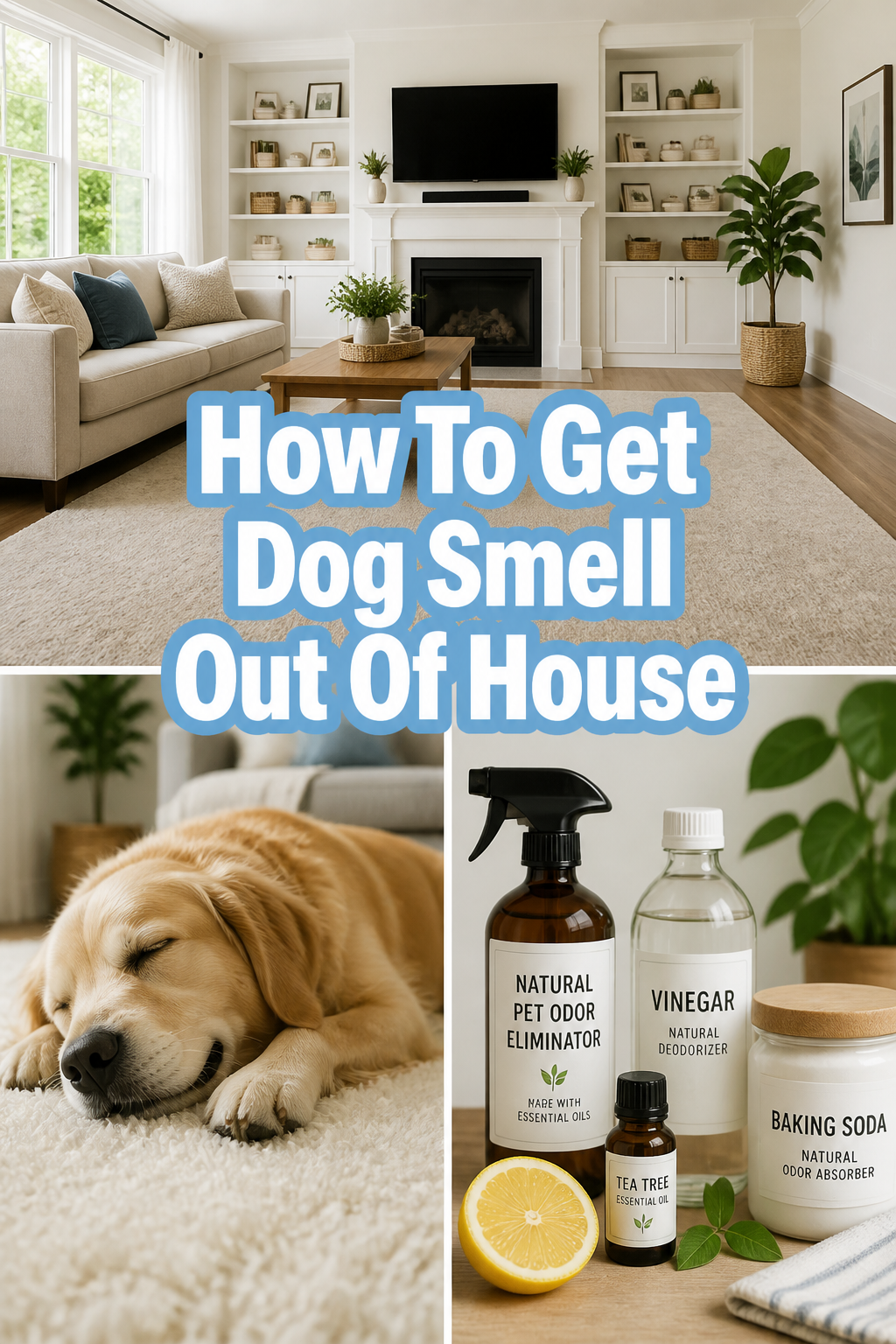
- What you’ll need: Enzymatic cleaner, baking soda, white vinegar, microfiber cloths, vacuum cleaner (with HEPA filter if possible), carpet cleaner (optional), air purifier, laundry detergent, pet-safe essential oils/diffuser (optional).
Step-by-Step Instructions
Step 1: Ventilate Thoroughly
Before you begin any cleaning, let your home breathe. Open windows and doors wide to allow fresh air to circulate throughout every room. This simple act immediately helps to flush out stale, odor-laden air.
Turn on ceiling fans and use box fans to create a cross-breeze. Focus on rooms where your dog spends the most time. Fresh air is the first, crucial step to a clean-smelling home.
This immediate ventilation not only improves air quality but also makes the subsequent cleaning steps more effective. It’s like hitting a reset button for your home’s atmosphere.
Step 2: Locate the Source
Dog smell rarely comes from nowhere; it usually has a primary source. Walk through your home, paying close attention to areas where your dog rests, eats, or has had accidents. Common culprits include dog beds, carpets, upholstery, and even specific floor spots.
Sniff around deliberately to pinpoint the strongest odor zones. Identifying these hotspots will allow you to concentrate your cleaning efforts where they are most needed. This targeted approach saves time and ensures a truly fresh result.
Pro Tip: Sometimes, the smell is embedded in an old accident you thought was clean. A UV black light can reveal hidden urine stains on carpets and upholstery, even if they look clean to the naked eye.
Step 3: Tackle Soft Surfaces First
Soft surfaces are magnets for pet odors, absorbing smells like sponges. Start with your dog’s bed, blankets, and any washable toys. Throw them all into the washing machine using a pet-specific laundry detergent or a cup of white vinegar along with your regular detergent.
Next, move to your own washable throw blankets, pillow covers, and curtains. These items often hold onto pet dander and odors without us realizing it. A good wash can make a dramatic difference in overall freshness.
For non-washable items like upholstered furniture, sprinkle a generous amount of baking soda over the entire surface. Let it sit for several hours, or even overnight, to absorb odors. Then, vacuum it up thoroughly using an upholstery attachment.
Step 4: Clean Hard Surfaces
Hard surfaces might not absorb odors as deeply, but they still collect dander, dirt, and residue that contribute to the overall smell. Wipe down all hard floors, baseboards, and walls with a pet-safe cleaner. A simple solution of white vinegar and water (1:1 ratio) works wonderfully and is natural.
Pay special attention to areas around food and water bowls, and any spots where your dog might lean or rub against furniture. Don’t forget to clean under furniture and in corners where pet hair and dust bunnies love to accumulate. A sparkling clean surface not only looks good but smells fresh too.
Consider cleaning inside cabinets and drawers if your dog frequently rubs against them. This comprehensive approach ensures no hidden odor sources are missed.
Step 5: Refresh Walls and Ceilings
It might surprise you, but walls and ceilings can also hold onto pet odors, especially in homes with poor ventilation or if your dog is a “shaker.” Pet dander and oils can settle on these surfaces over time. A light wipe-down can work wonders.
Use a damp microfiber cloth with a mild, pet-safe all-purpose cleaner or a diluted vinegar solution. Start from the top and work your way down. This step is often overlooked but can significantly improve the overall freshness of a room.
Don’t forget to clean light fixtures and ceiling fan blades, as these can accumulate dust and dander. A clean room from top to bottom feels incredibly inviting.
Step 6: Purify the Air
Once surfaces are clean, it’s time to address the air itself. A high-quality air purifier with a HEPA filter and activated carbon filter is invaluable. The HEPA filter captures pet dander and other allergens, while the carbon filter absorbs odors. Run it continuously in the main living areas.
Consider placing bowls of activated charcoal or baking soda in discreet corners of rooms where odors linger. These natural absorbers quietly work to neutralize smells without adding artificial fragrances. For a touch of natural scent, a diffuser with pet-safe essential oils like lavender or cedarwood can be lovely.
Pro Tip: Change your HVAC filters regularly, ideally every 1-3 months, especially if you have pets. A clogged filter can recirculate odors and allergens throughout your home.
Step 7: Maintain a Fresh Environment
Consistency is key to keeping dog smell at bay. Establish a regular cleaning routine. Vacuum carpets and upholstery frequently, at least 2-3 times a week. Wash dog beds and blankets weekly.
Wipe down hard surfaces and mop floors every week or two. Keep your dog well-groomed with regular baths and brushing, as a clean dog contributes to a clean-smelling home. Integrating these small actions into your routine ensures your home stays a fresh and inviting haven.
Regular maintenance prevents odors from building up again, allowing you to consistently enjoy a beautiful and cozy home. It’s about creating a lifestyle of freshness.
Common Mistakes to Avoid
Masking, Not Eliminating
Many people try to cover up dog smells with air fresheners, scented candles, or sprays. While these can provide temporary relief, they don’t remove the source of the odor. The smell often returns quickly, sometimes even mingling with the artificial scent to create a more unpleasant aroma. Focus on cleaning and neutralization first.
Ignoring Vertical Surfaces
It’s easy to focus solely on floors and furniture, but walls, baseboards, and even ceilings can absorb odors and accumulate dander. Over time, these overlooked surfaces can contribute significantly to a general “dog smell.” Make sure to include them in your deep cleaning routine.
Forgetting Airflow
A stuffy home traps odors. Relying solely on cleaning products without proper ventilation is a common oversight. Good air circulation is crucial both during and after cleaning to effectively remove stale air and dry surfaces, preventing musty smells from forming. Open those windows!
Using Harsh Chemicals
Some commercial cleaners contain strong chemicals that can be irritating to both pets and humans. They might also damage certain surfaces or leave behind residues. Opt for pet-safe, natural alternatives like enzymatic cleaners, baking soda, and vinegar whenever possible.
Troubleshooting
Persistent Odor in One Spot
If a specific area, like a carpet or a piece of upholstery, still smells after cleaning, the odor has likely penetrated deeply. Reapply an enzymatic cleaner generously to the spot, ensuring it saturates the area. Allow it to sit for the recommended time (often several hours or overnight) before blotting and letting it air dry completely. You may need to repeat this process a few times.
General Lingering Smell
If your entire home still has a subtle dog smell even after a thorough cleaning, it might be embedded in less obvious places. Check air ducts, curtains, and even washable wall art or decorative pillows. Consider a professional carpet cleaning service if your carpets are old, as they can extract odors from deep within the fibers. Running an air purifier continuously can also help over time.
New Pet Odor
Bringing a new dog into your home, especially a rescue, can sometimes introduce new, unfamiliar odors. Ensure your new furry friend is well-groomed and bathed upon arrival. Give them their own designated washable bed and blankets. Be extra diligent with your cleaning routine during the first few weeks, focusing on their primary resting areas.
Key Takeaways
- Identify the Source: Pinpoint where the strongest odors are coming from for targeted cleaning.
- Embrace Enzymatic Cleaners: These are essential for breaking down organic pet odors at a molecular level.
- Ventilate, Ventilate, Ventilate: Fresh air is your first and most powerful tool against stale smells.
- Clean Soft and Hard Surfaces: Don’t forget upholstery, carpets, walls, and hard floors.
- Purify the Air: Use air purifiers and natural odor absorbers to neutralize airborne smells.
- Maintain Consistency: Regular cleaning and grooming prevent odors from building up again.
Frequently Asked Questions
How often should I clean for dog smell?
For optimal freshness, aim for a deep clean every 1-3 months, depending on the number of pets and their activity levels. Daily vacuuming of high-traffic pet areas and weekly washing of dog beds and blankets are excellent habits for ongoing maintenance. Regular grooming of your dog also plays a huge role.
Are “pet-friendly” cleaners really better?
Yes, generally they are. Pet-friendly cleaners are formulated to be safe around animals, often avoiding harsh chemicals, strong fragrances, or ingredients that could be toxic if ingested. Enzymatic cleaners, specifically, are crucial for breaking down pet urine and dander odors rather than just masking them.
Can essential oils harm my dog?
Some essential oils can be toxic to dogs, especially if ingested or applied directly to their skin. Always research specific oils and consult your vet if unsure. When diffusing, use a very diluted solution in a well-ventilated area, and ensure your dog can leave the room if they choose. Pet-safe options often include lavender, cedarwood, and frankincense, used sparingly.
What if the smell is coming from the dog itself?
A clean dog is a major component of a clean-smelling home. Ensure your dog is bathed regularly with a good quality dog shampoo. Check their ears, teeth, and skin for any underlying health issues that might be causing an odor, and consult your vet if you notice anything unusual. Regular grooming and brushing also help reduce shedding and dander.
Our Top Recommended Finds
- Bio-Enzymatic Pet Odor Eliminator: This is a must-have for breaking down urine, feces, and vomit stains and odors on a molecular level. It’s incredibly effective on carpets and upholstery.
- HEPA Air Purifier with Activated Carbon Filter: Essential for trapping pet dander, allergens, and absorbing odors from the air, creating a truly fresh atmosphere. Look for one designed for the size of your room.
- Natural Odor Absorber (e.g., activated charcoal bags): These discreet bags or containers can be placed around your home to naturally pull odors from the air without adding any scents. They are long-lasting and effective.
Embrace a Fresher, More Beautiful Home
Imagine walking into your home and being greeted by nothing but freshness and comfort. With these steps, that vision is entirely within reach. You’re not just cleaning; you’re curating an environment that feels truly serene and inviting, a perfect backdrop for your life with your beloved pet.
Start today by opening those windows and picking one small area to tackle. Each little effort builds towards a beautifully fresh and cozy space you’ll adore. Your home is your sanctuary, and it deserves to smell as wonderful as it looks and feels.