🏡 How To Make Your House Smell Good
There’s nothing quite like walking into a home that smells wonderfully inviting.
It’s a subtle yet powerful sense, transforming a house into a welcoming sanctuary.
I’ve spent years perfecting the art of a beautifully scented home, and I’m excited to share my favorite practical tips and cozy secrets with you.

Quick Overview
This guide will help you create a consistently fresh and delightful aroma throughout your living space.
You’ll learn how to tackle odors at their source and introduce lovely scents thoughtfully, enhancing your home’s overall comfort and aesthetic.
- Time needed: Varies, from 15 minutes for quick refreshes to a few hours for deep cleaning.
- Difficulty: Beginner
- What you’ll need: Cleaning supplies, essential oils, diffusers, candles, natural elements, and a willingness to explore.
Step-by-Step Instructions
Step 1: Tackle Odors at Their Source
Before introducing any pleasant scents, it’s crucial to eliminate existing bad odors. Think of it as preparing a clean canvas for your aromatic masterpiece.
Start by identifying the main culprits. Pet areas, trash bins, damp towels, and even drains can harbor unwelcome smells.
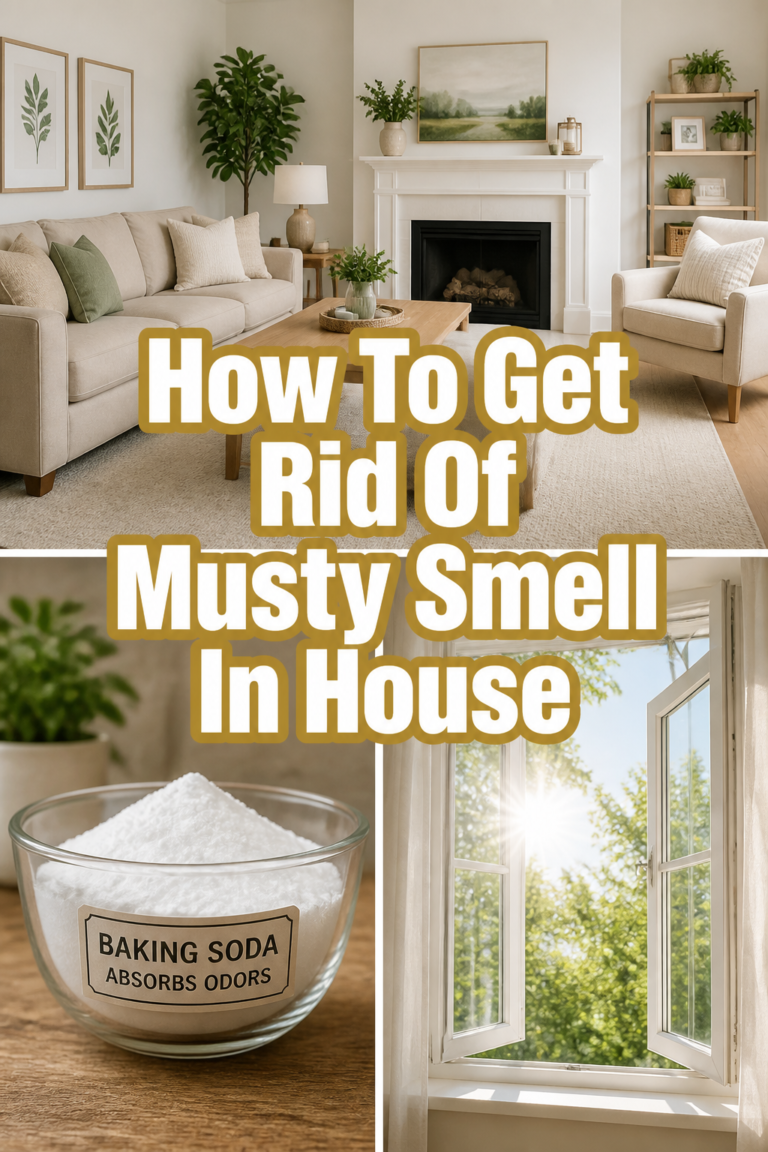
Clean all surfaces regularly, especially in the kitchen and bathrooms. Use natural cleaners like white vinegar and baking soda to absorb and neutralize smells, rather than just masking them.
Pro Tip: Empty trash cans daily, especially those in the kitchen and bathroom. A sprinkle of baking soda at the bottom of the liner can work wonders to absorb lingering food or moisture smells.
Step 2: Embrace the Power of Fresh Air
One of the simplest yet most effective ways to refresh your home’s scent is to open your windows.
Even for a few minutes each day, allowing fresh air to circulate can dramatically improve the atmosphere. This flushes out stale air and any trapped odors.
Consider creating a cross-breeze by opening windows on opposite sides of your home. This helps to ventilate every corner, bringing in the crisp outdoor air.
Step 3: Deep Clean Fabrics and Upholstery
Fabrics are notorious for holding onto odors, from cooking smells to pet dander. To truly make your house smell good, you must address these soft surfaces.
Regularly wash curtains, throw blankets, and cushion covers. For carpets and rugs, a good vacuuming with a deodorizing powder can make a significant difference.
Consider having upholstered furniture professionally cleaned periodically. For a quick refresh, spritz fabric refreshers made with essential oils on sofas and chairs.
Step 4: Incorporate Natural Elements
Nature offers a bounty of beautiful scents. Bring fresh flowers or potted herbs into your home to add a subtle, living fragrance.
Lavender, rosemary, and mint plants not only look lovely but also release their gentle aromas into the air. Fresh flowers like lilies or roses can fill a room with their natural perfume.
For a rustic touch, arrange bowls of potpourri made from dried citrus peels, cinnamon sticks, and cloves. This adds a visual element that complements a cozy aesthetic.
Pro Tip: Place small sachets filled with dried lavender or cedar chips in drawers and closets. They impart a gentle scent to linens and clothes, extending the fresh feeling throughout your home.
Step 5: Strategically Use Diffusers and Candles
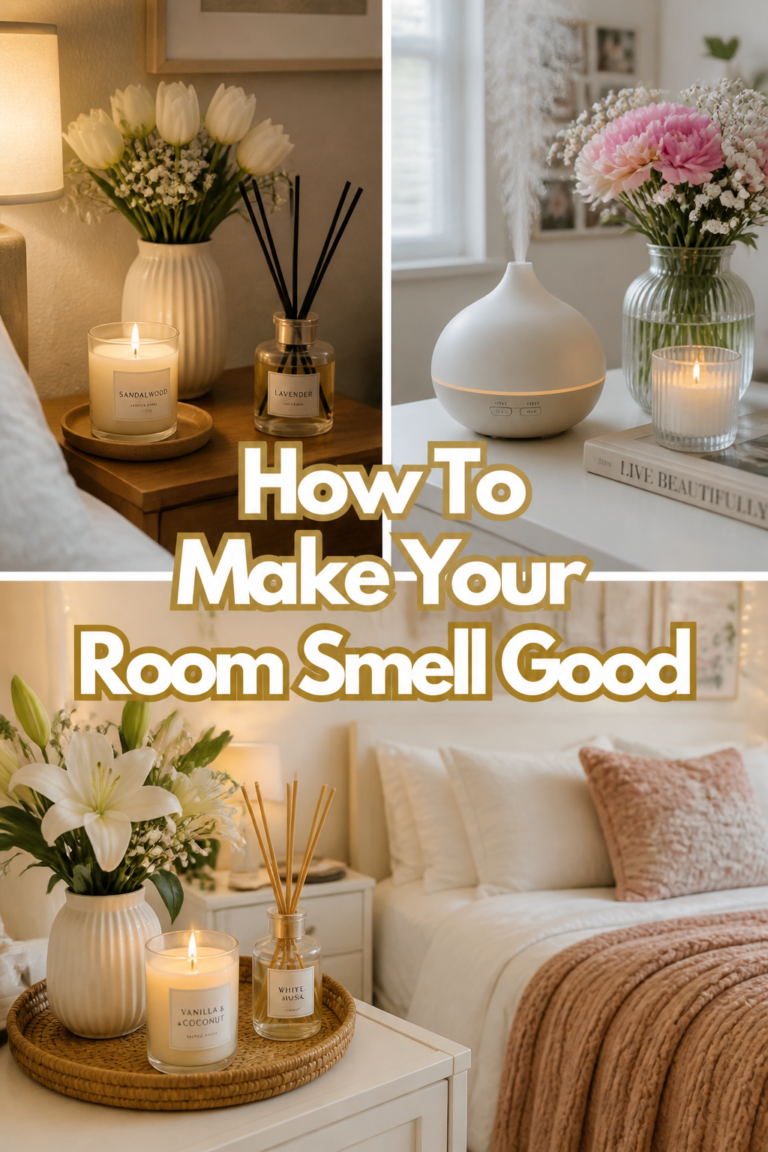
Once your home is clean and fresh, it’s time to introduce intentional fragrances. Essential oil diffusers and high-quality candles are excellent choices.
Choose scents that align with the mood you want to create in each room. Citrus and peppermint are invigorating for a home office, while lavender and chamomile promote relaxation in the bedroom.
When selecting candles, opt for natural waxes like soy or beeswax, which burn cleaner and longer. Place them in central locations to allow their fragrance to disperse evenly.
Step 6: Cook with Aromatic Ingredients
The kitchen is a fantastic source of natural, comforting aromas. Simmer fragrant ingredients on your stovetop to fill your home with delicious smells.
A pot of water with orange slices, cinnamon sticks, cloves, and a touch of vanilla extract can create a wonderful scent. This is often called a stovetop potpourri.
Baking cookies or bread also produces an incredibly inviting aroma. These scents contribute to a warm, homely atmosphere, connecting directly to cozy aesthetics.
Step 7: Maintain Consistent Freshness
Making your house smell good isn’t a one-time task; it’s an ongoing practice. Establish a routine to keep pleasant scents circulating.
Regularly check for hidden sources of odor and address them promptly. Rotate your scented items, like diffusers and candles, to keep the fragrances fresh and prevent scent fatigue.
A little daily effort goes a long way in maintaining a beautifully scented and inviting home. This consistent care reflects a thoughtful approach to your living space.
Common Mistakes to Avoid
Over-Masking Odors
Many people try to cover up bad smells with strong air fresheners or excessive fragrance. This often results in a clashing, overwhelming aroma that can be headache-inducing.
Instead, always prioritize eliminating the source of the odor first. Once the underlying issue is resolved, then you can introduce subtle, pleasant scents.
Using Low-Quality Fragrances
Cheap candles or synthetic air fresheners can contain harsh chemicals that don’t smell natural and may even be irritating. These can detract from a cozy, natural aesthetic.
Invest in high-quality essential oils, natural wax candles, and fabric refreshers. These offer a purer, more authentic scent experience that enhances your home’s atmosphere.
Neglecting Ventilation
Relying solely on artificial scents without proper ventilation can lead to stale air and trapped odors. This creates a heavy, unpleasant environment, even if you’re using nice fragrances.
Always incorporate regular airflow by opening windows and using exhaust fans. Fresh air is the foundation of a truly good-smelling home.
Troubleshooting
My house still smells stale even after cleaning.
If you’ve cleaned thoroughly but still detect a stale odor, hidden sources might be the culprit. Check drains, garbage disposals, and even your washing machine for lingering smells.
Try placing bowls of white vinegar or activated charcoal in inconspicuous spots overnight to absorb stubborn odors. Also, ensure your air filters (HVAC, vacuum) are clean and changed regularly.
The scent from my diffuser/candle doesn’t seem to spread far.
The size of your diffuser or candle might not be appropriate for the room’s square footage. Larger rooms require more powerful diffusers or multiple scent sources.
Consider the placement; avoid placing them near open windows or vents where the scent can be quickly dispersed. Elevate diffusers slightly to help the mist travel further.
I get tired of the same scents quickly.
Scent fatigue is common when you use the same fragrance consistently. Your nose adapts, and you stop noticing the smell as much.
Rotate your scents seasonally or weekly. Have a few different essential oil blends or candle types on hand and switch them out regularly to keep your sensory experience fresh and exciting.
Key Takeaways
- Prioritize cleanliness: Always eliminate odor sources before introducing new scents.
- Ventilate daily: Fresh air is essential for a naturally good-smelling home.
- Embrace natural elements: Use fresh flowers, herbs, and stovetop potpourri for authentic aromas.
- Choose quality scents: Invest in natural essential oils and clean-burning candles for a better experience.
- Maintain consistency: Regular cleaning and scent rotation keep your home smelling delightful.
- Consider room aesthetics: Match scents to the desired mood and design of each space.
Frequently Asked Questions
How often should I clean my home to keep it smelling good?
A daily quick tidy and weekly deep clean are generally sufficient for maintaining freshness. However, high-traffic areas and kitchens may benefit from more frequent attention, especially spills or food waste.
Are air purifiers effective for improving home scent?
Yes, air purifiers can be very effective. They remove airborne particles, allergens, and some odor-causing compounds, contributing to a cleaner, fresher-smelling environment. They don’t add scent but help create a neutral base.
Can plants really help make a house smell good?
Certain plants, like jasmine, gardenias, or even scented geraniums, release pleasant fragrances into the air. While their impact might be subtle compared to a diffuser, they contribute to a natural, living aroma and enhance the visual appeal of a space.
What are the best natural alternatives to chemical air fresheners?
Baking soda, white vinegar, essential oil diffusers, fresh flowers, simmering stovetop potpourri, and activated charcoal are all excellent natural alternatives. They either neutralize odors or introduce pleasant scents without harsh chemicals.
Our Top Recommended Finds
- Ultrasonic Essential Oil Diffuser: Quiet and effective, this disperses fine mists of essential oils, perfect for creating a consistent background fragrance.
- Soy Wax Candles with Wood Wicks: These offer a cleaner burn and often a gentle crackling sound, enhancing the cozy ambiance without synthetic residues.
- Baking Soda Shaker: An indispensable tool for quickly deodorizing carpets, upholstery, and trash cans with a simple sprinkle.
Crafting Your Home’s Signature Scent Story
Creating a home that smells wonderfully good is more than just cleaning; it’s about curating an experience.
It involves thoughtful choices that blend seamlessly with your home’s design and your desired atmosphere.
Think about how different scents can define spaces, from a crisp, clean aroma in the entryway to a warm, inviting scent in the living room.
Start experimenting with these steps today. Discover the scents that resonate with you and transform your house into an even more beautiful, fragrant haven.