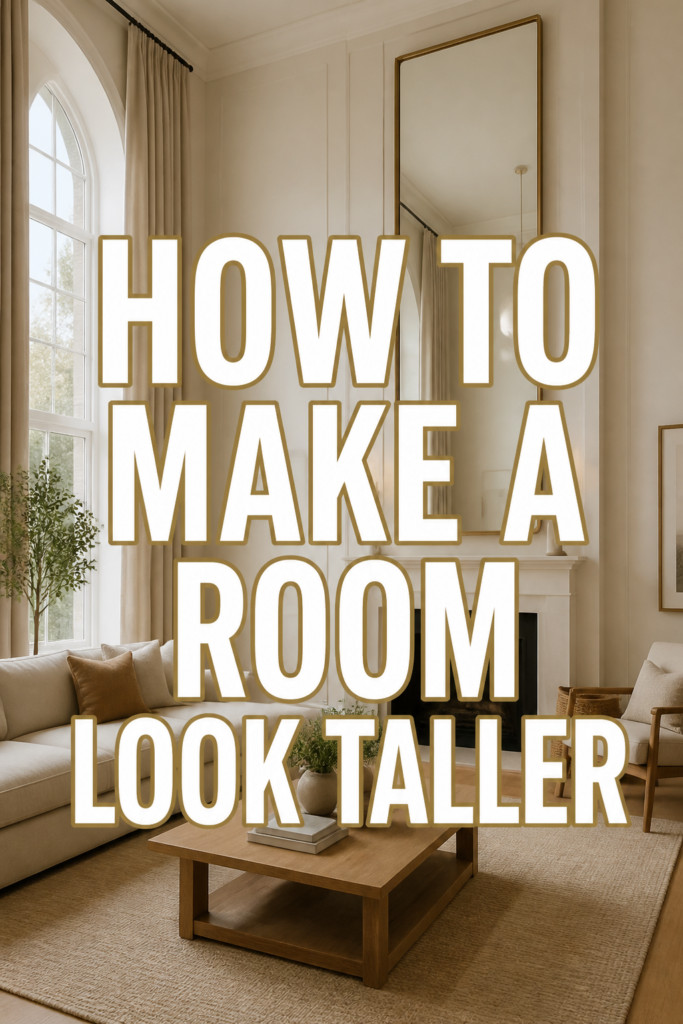
⬆️ How To Make A Room Look Taller
I remember staring at the low ceilings in my first apartment, feeling like the walls were closing in. It was a cozy space, but it desperately needed an optical illusion to lift the entire room. Through a lot of trial and error, I discovered simple design tricks that truly transformed the feeling of height.
This guide shares those practical, heartwarming strategies to make any room feel more expansive and airy. You’ll learn how to draw the eye upward, create a sense of verticality, and infuse your home with a lighter, more open atmosphere. Get ready to embrace a taller, brighter, and more inviting living space.
Quick Overview
This guide will empower you to visually increase the height of any room, creating a more open and comfortable environment. You’ll learn to play with light, color, and clever placement to achieve a loftier feel.
- Time needed: A weekend for significant changes like painting and curtain installation, a few hours for quick decor adjustments.
- Difficulty: Beginner to Intermediate, focusing on design choices and minor DIY tasks.
- What you’ll need: Paint, paint rollers, painter’s tape, a tape measure, long curtain rods, floor-length curtains, a large mirror, varied lighting fixtures, tall plants, and selected art pieces.
Step-by-Step Instructions
Step 1: Declutter and Define Your Space
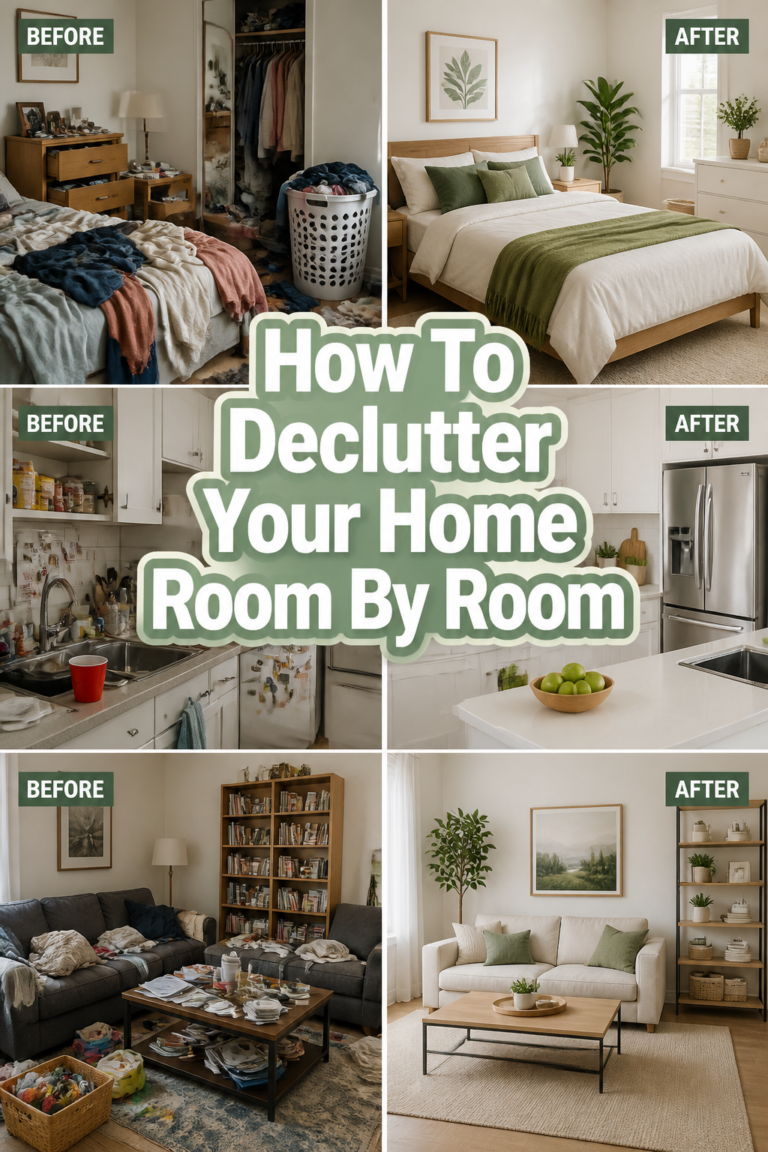
A cluttered room feels cramped and visually heavy, pulling the eye down. Start by removing any unnecessary items that sit on surfaces or create visual noise. This immediate simplification creates a cleaner, more open canvas.
Optimize your layout:
- Remove any items that aren’t serving a purpose or bringing you joy. Less is truly more when aiming for height.
- Organize remaining items into storage solutions that blend seamlessly with your decor. Think closed cabinets or elegant baskets.
- Clear horizontal surfaces as much as possible, especially tabletops and windowsills. This reduces visual weight and allows the eye to travel freely.
Pro Tip: Consider the “one in, one out” rule for new purchases to maintain your decluttered state. A tidy room always feels larger.
Step 2: Paint with Purpose for Perceived Height
The right paint choices can dramatically influence how tall a room feels. Lighter colors reflect more light, making walls recede and ceilings appear higher. This creates an immediate sense of openness.
Strategic painting techniques:
- Choose light, cool colors for your walls, such as soft whites, pale grays, or delicate pastels. These hues create an expansive backdrop.
- Paint your ceiling a shade lighter than your walls, or even a crisp white. This visual trick makes the ceiling appear to float higher.
- Consider painting vertical stripes on one accent wall. This draws the eye upwards, emphasizing the room’s vertical dimension.
- Extend your wall color onto the crown molding if you have it. Blurring the line between wall and ceiling makes the wall appear taller.
Step 3: Elevate Your Window Treatments
Curtains are one of the most powerful tools for faking height. How and where you hang them can make a monumental difference in a room’s perceived stature. This simple change creates an instant lift.
Mastering curtain placement:
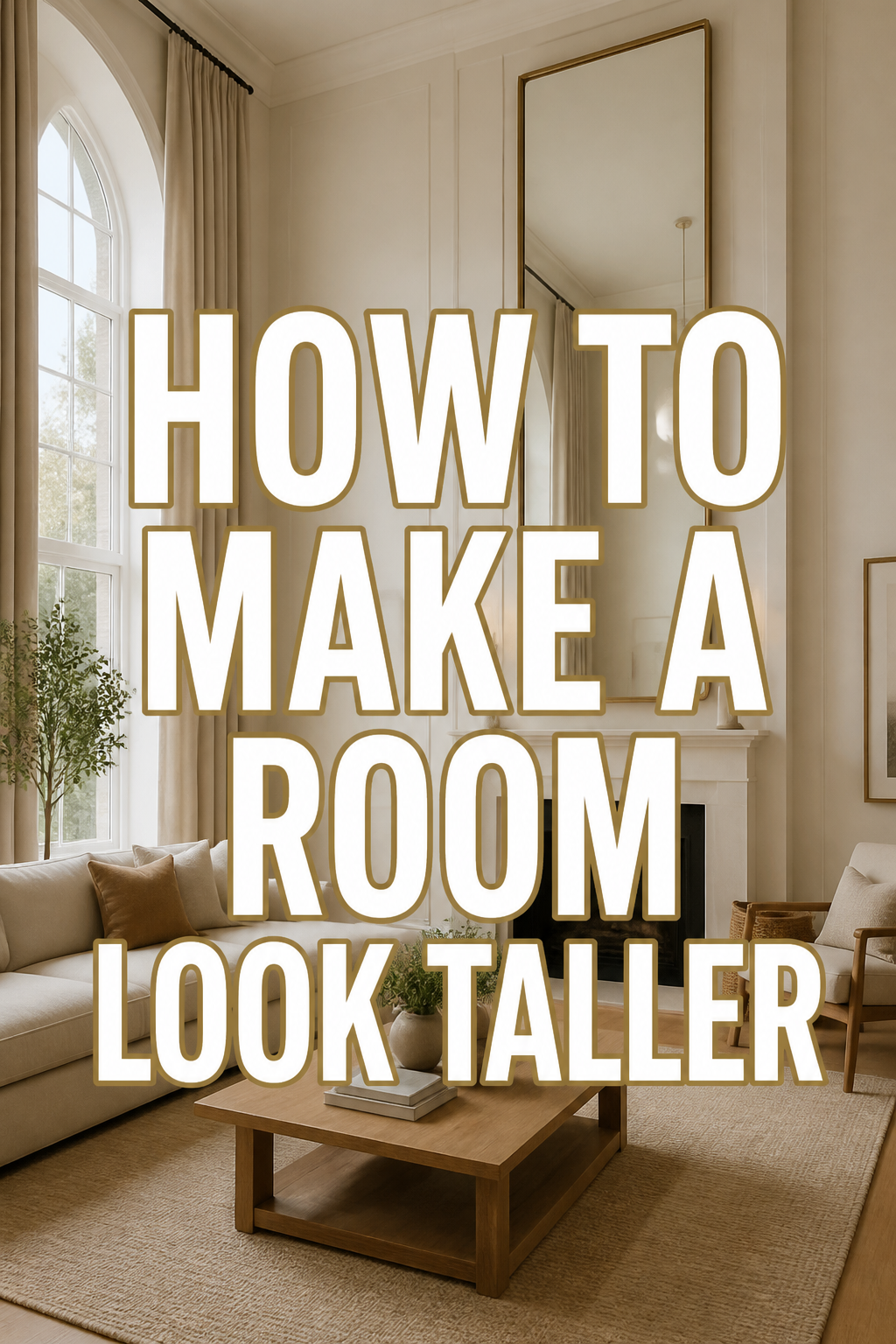
- Install curtain rods significantly higher than the window frame, ideally as close to the ceiling as possible. This extends the visual line upwards.
- Choose floor-length curtains that just kiss the floor, or even puddle slightly. Avoid anything that stops short, as this chops up the wall.
- Select curtains in a light color or a subtle vertical pattern. Sheer or semi-sheer fabrics allow more natural light to filter in, brightening the space.
- Extend your curtain rod beyond the window frame by at least 6-12 inches on each side. This makes the window appear wider and allows more light in when curtains are open.
Pro Tip: For an extra touch of elegance, consider hanging a valance or a decorative cornice board high above the window. This adds another layer of vertical interest.
Step 4: Master the Art of Mirrors
Mirrors are not just for checking your reflection; they are design chameleons. They reflect light, create the illusion of depth, and can visually double the perceived size and height of a room. This adds instant airiness.
Strategic mirror placement:
- Hang a large, floor-length mirror vertically against a wall. This immediately draws the eye up and creates a tall, slender focal point.
- Place mirrors opposite windows to bounce natural light around the room. This brightens the space and enhances the feeling of openness.
- Consider a gallery wall of smaller mirrors arranged vertically. This creates a striking visual column that emphasizes height.
- Choose mirrors with thin, minimalist frames or no frames at all. Heavy, ornate frames can add visual weight and detract from the airy feel.
Step 5: Illuminate with Intent and Uplifting Light
Lighting plays a crucial role in mood and perception. Thoughtful lighting can guide the eye upwards, making a room feel taller and more welcoming. It’s about creating layers of light that lift the gaze.
Clever lighting solutions:
- Incorporate uplighting with floor lamps that direct light towards the ceiling. This illuminates the upper walls and ceiling, making them feel more distant.
- Install wall sconces that cast light both up and down. This creates vertical streaks of light, emphasizing the height of the walls.
- Choose pendant lights or chandeliers that hang a bit higher than usual, but still within comfortable sightlines. Their vertical presence can draw the eye upwards.
- Utilize recessed lighting or track lighting to brighten the perimeter of the room. This eliminates dark corners that can make a space feel smaller.
Pro Tip: Use dimmers on your lighting fixtures to adjust the ambiance. Brighter light generally makes a room feel more open, but softer light can still achieve a cozy, elevated feel.
Step 6: Select Furniture with Finesse
The size and style of your furniture significantly impact how a room feels. Heavy, bulky pieces can weigh a room down, while lighter, leggy items allow the eye to flow. This creates a sense of airiness.
Smart furniture choices:
- Opt for low-profile furniture, such as sofas and armchairs with lower backs. This leaves more vertical wall space exposed above them.
- Choose pieces with exposed legs rather than solid bases. This allows light to pass underneath, creating a lighter, less grounded appearance.
- Avoid overfilling the room with too many pieces of furniture. A few well-chosen items will make the space feel larger and more intentional.
- Select furniture in lighter colors or with reflective surfaces. This helps them blend into the background and contribute to the overall bright aesthetic.
Step 7: Embrace Vertical Decor and Art
What you hang on your walls and how you arrange your accessories can be powerful visual cues. Directing the eye upwards with decor is a simple yet effective way to add height. This draws attention to the room’s full dimension.
Thoughtful decor arrangement:
- Hang artwork higher than you normally would, ensuring the top of the piece is closer to the ceiling. A stack of two or three pieces vertically also works well.
- Incorporate tall, slender plants like snake plants or fiddle leaf figs. Their natural vertical lines instantly add height and life.
- Use tall, narrow bookcases or shelving units. Keep the top shelves styled lightly or empty to maintain an airy feel.
- Arrange decorative objects in vertical groupings on shelves or console tables. Think tall vases or stacked books with a slender sculpture.
Common Mistakes to Avoid
Ignoring the Ceiling
Many people treat the ceiling as an afterthought, simply painting it white and moving on. However, a dark or uninspired ceiling can actually weigh down a room, making it feel lower and more oppressive. It’s a missed opportunity to enhance the room’s perceived height.
Instead, embrace your ceiling as the “fifth wall.” Paint it a lighter shade than your walls, or even a crisp, reflective white to make it appear higher. Consider a subtle, reflective wallpaper or a ceiling medallion to draw the eye upwards in a sophisticated way.
Heavy, Bulky Furniture
Overstuffed, dark, and low-to-the-ground furniture without visible legs can make a room feel incredibly heavy and grounded. These pieces consume a large amount of visual space, making the room feel smaller and shorter than it actually is. They anchor the room in an undesirable way.
Opt for furniture with a lighter visual footprint. Choose pieces with exposed legs, slender profiles, and lighter fabrics or finishes. This allows light to pass through and beneath the furniture, creating an airy feel and leaving more wall space visible.
Cluttering Walls with Small Art
While a gallery wall can be charming, scattering many small pieces of art haphazardly across a wall can make the space feel busy and visually confusing. It chops up the vertical line of the wall, preventing the eye from traveling upwards smoothly. This creates a cluttered, rather than elevated, impression.
Instead, choose larger pieces of art or group several pieces vertically to create a strong upward line. Hang art higher than you might instinctively, ensuring it draws the eye toward the ceiling. Consider one impactful, tall piece rather than many small ones.
Short Curtains and Low Rods
One of the most common mistakes is hanging curtains just above the window frame and choosing panels that stop short of the floor. This visually cuts off the wall at an arbitrary point, making the window and the room appear shorter than they are. It creates a squat, unrefined look.
Always hang your curtain rods as high as possible, ideally just a few inches from the ceiling. Ensure your curtains are long enough to skim or lightly puddle on the floor. This extends the vertical line of the wall, making the windows and the entire room appear much taller.
Troubleshooting
My room still feels cramped despite decluttering.
If your room still feels too small, re-evaluate your color scheme and lighting. Are your walls truly light enough, or do you have too many dark accents? Dark elements can absorb light and make a space feel enclosed.
Try introducing more reflective surfaces like glass or polished metals. Increase the amount of ambient and uplighting in the room to brighten shadows and make the ceiling feel more distant. Consider adding a large mirror to reflect more light and expand the view.
My decor feels sparse after decluttering.
It’s common to feel a room is too empty after removing clutter. This isn’t a bad thing; it means you’ve created space! The solution isn’t to add more items, but to add texture and subtle patterns.
Introduce cozy textiles like throws and pillows in varying textures. Incorporate a tall, slender plant for natural verticality without adding bulk. Use a large, subtly patterned rug to define the space and add visual interest without clutter.
I can’t paint my walls (rental agreement, etc.).
Not being able to paint is a common limitation, but it doesn’t mean you can’t make your room look taller. You’ll need to focus even more intensely on other vertical elements and light.
Prioritize high-hung, floor-length curtains in a light color. Invest in a large, tall mirror and strategic uplighting. Choose furniture with exposed legs and a low profile. Use tall plants and vertically arranged artwork to draw the eye upwards, compensating for fixed wall colors.
Key Takeaways
- Embrace verticality in all your design choices, from curtains to decor.
- Light colors on walls and ceilings are your best friends for creating an expansive feel.
- High-hung, floor-length curtains are a game-changer for adding perceived height.
- Strategic mirror placement can magically double light and visual space.
- Thoughtful lighting, especially uplighting, literally lifts the eye towards the ceiling.
- Choose furniture with a lighter visual footprint to prevent weighing down the room.
Frequently Asked Questions
Can I use dark colors in a small room?
Yes, you can use dark colors, but with caution. A very dark, rich color on one accent wall can create depth and drama, making the room feel more intentional. However, avoid painting all walls dark, as this can make a room feel smaller and cave-like. Balance dark walls with light ceilings, plenty of bright lighting, and reflective surfaces.
What’s the best type of mirror to make a room look taller?
A large, floor-length mirror hung vertically is highly effective. Its sheer size and orientation create a strong upward visual line. Mirrors with thin or no frames also work well, as they blend seamlessly into the wall and don’t add visual weight.
How high should I hang my curtains?
Aim to hang your curtain rods as close to the ceiling as possible, typically 4-6 inches above the window frame, or even right at the ceiling line. The goal is to create a continuous vertical line from ceiling to floor, making the window and the wall appear much taller.
Do patterned wallpapers work in small rooms?
They can, but choose wisely. Vertical stripes or subtle, delicate patterns with a light background can definitely enhance height. Avoid large, busy patterns or dark, overwhelming designs, as these can make a room feel enclosed and visually cluttered.
Our Top Recommended Finds
- Extra-Long Curtain Rods: Look for rods that extend to your ceiling and beyond your window frame. These are essential for creating that lofty curtain illusion.
- Large Floor Mirror: A full-length mirror, ideally with a slim or no frame, instantly adds depth and reflects light, making any room feel bigger.
- Tall, Slender Floor Lamp: Choose one with an uplighting feature or a design that draws the eye upwards. This provides both illumination and a strong vertical element.
Your Loftier Living Awaits
It’s amazing how a few clever design choices can completely transform the perception of a room. You don’t need to knock down walls to create a more expansive, airy feel in your home. These practical steps offer simple, impactful ways to elevate your space.
Imagine stepping into a room that feels brighter, more open, and wonderfully inviting, all by harnessing the power of visual illusion. Why not start today? Pick one or two steps from this guide and watch your room begin its upward journey. Your cozy, taller sanctuary is just a few design tweaks away.