🏡 How To Make A House A Home
Moving into my first empty apartment felt exciting, but also a little daunting. It was just a space with bare walls, echoing with every step. I quickly learned that transforming those walls into a sanctuary, a place that truly felt like me, was a journey of intention and heart.
This guide shares the practical steps and design inspirations I’ve gathered, helping you infuse your space with warmth, personality, and genuine comfort.

Quick Overview
Making your house a home is about crafting a personal haven. You’ll learn to blend aesthetics with functionality, creating a space that nurtures your soul.
- Time needed: An ongoing journey, but initial impactful changes can be made in a weekend.
- Difficulty: Beginner
- What you’ll need: An open mind, a measuring tape, inspiration photos, and perhaps a few personal treasures.
Step-by-Step Instructions
Step 1: Discover Your Home’s Heartbeat
Every true home has a unique feeling, a core essence that speaks to its inhabitants. Before you move a single piece of furniture, take time to reflect on what “home” truly means to you. Is it a calm retreat, a vibrant social hub, or a cozy family nest?
Think about the emotions you want to evoke when you walk through your door. Consider the colors, textures, and even sounds that bring you comfort and joy. This initial introspection is the most crucial step in building a truly personal space.
Pro Tip: Create a digital or physical mood board. Gather images of rooms, colors, fabrics, and objects that resonate with your desired feeling. This visual collection will guide all your subsequent decisions.
Step 2: Declutter and Create Space
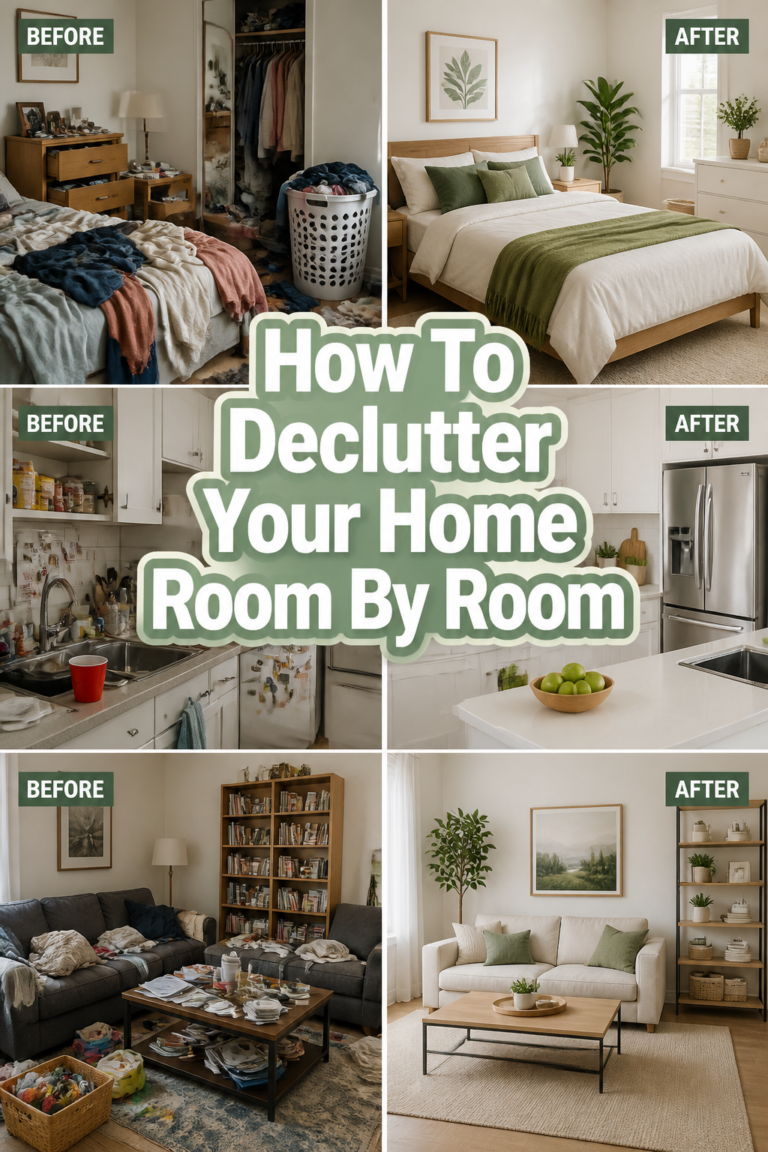
A cluttered space often feels chaotic and uninviting, making it hard to relax or focus. Before adding new items, thoughtfully remove what no longer serves you or brings joy. This isn’t just about tidiness; it’s about making room for what truly matters.
Start with one area, like a bookshelf or a single drawer, to avoid feeling overwhelmed. Donate, sell, or discard items that don’t contribute positively to your envisioned home. A simpler environment allows your chosen pieces to shine and reduces visual noise.
- Sort through items room by room, creating piles for keeping, donating, or discarding.
- Evaluate each object: Does it serve a purpose? Does it bring you joy?
- Organize what remains, using clever storage solutions to keep surfaces clear.
Step 3: Personalize with Meaningful Touches
A home tells your story through the objects you choose to display. These personal touches are what differentiate your space from a showroom. Integrate items that hold memories, reflect your passions, or speak to your journey.
Think about framed photographs of loved ones, souvenirs from memorable travels, or handcrafted items. These elements instantly infuse warmth and a sense of belonging. They create conversation starters and constant reminders of what you cherish.
- Display framed photos of family and friends in various sizes and frames.
- Arrange sentimental objects, like heirlooms or travel finds, on shelves or tabletops.
- Incorporate artwork that resonates with your personal taste and experiences.
Step 4: Master the Art of Lighting
Lighting sets the mood and can dramatically alter the feel of a room. Relying solely on harsh overhead lights often creates a cold, uninviting atmosphere. Instead, aim for layered lighting that offers flexibility and warmth.
Combine ambient lighting (general room illumination) with task lighting (for reading or cooking) and accent lighting (to highlight features). Dimmers are a fantastic investment, allowing you to adjust brightness to suit any occasion. Warm-toned bulbs contribute significantly to a cozy ambiance.
- Install dimmer switches for overhead lights to control intensity.
- Place floor lamps and table lamps at varying heights to create pools of light.
- Add accent lighting, like picture lights or string lights, for a soft, inviting glow.
Step 5: Embrace Texture and Soft Furnishings
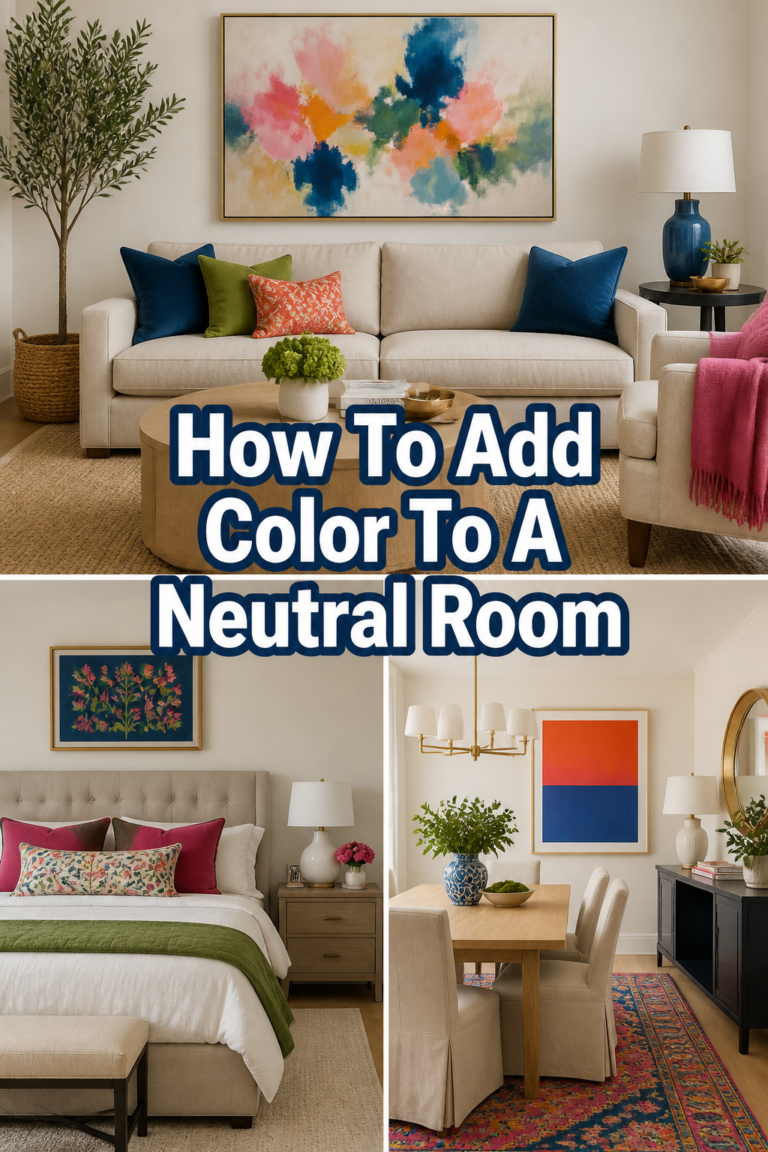
Texture is a powerful tool for adding depth, warmth, and a sense of comfort to any room. Smooth, hard surfaces can feel sterile, but introducing a variety of textiles instantly softens the space. Think about how different materials feel to the touch.
Layering various textures, such as a chunky knit throw over a linen sofa, or a sheepskin rug on a wooden floor, creates an inviting tactile experience. These elements contribute significantly to that sought-after cozy aesthetic. They literally invite you to relax and sink in.
- Drape soft throw blankets over sofas and chairs in different materials like wool, faux fur, or cotton.
- Pile decorative pillows in varying sizes, patterns, and fabrics on seating areas.
- Add area rugs to define spaces, absorb sound, and introduce warmth underfoot.
Step 6: Cultivate Comfort and Functionality
A truly inviting home prioritizes both comfort and how well it serves your daily life. Furniture should be not only beautiful but also comfortable and practical. Consider how each piece will be used and if it supports your lifestyle.
Arrange furniture to facilitate easy movement and conversation. Create designated zones for different activities, like a reading nook or a dining area. Comfort extends beyond soft cushions; it’s also about a space that works intuitively for you.
- Choose comfortable seating that invites you to linger and relax.
- Arrange furniture to create natural pathways and promote easy interaction.
- Ensure surfaces like coffee tables and side tables are within easy reach for drinks and books.
Step 7: Invite Nature Indoors
Bringing elements of the outdoors inside connects us to the natural world and adds a calming, fresh energy to a space. Plants not only purify the air but also introduce vibrant color and organic shapes. They instantly make a room feel more alive.
Consider fresh flowers, potted plants, or even natural materials like wood and stone. A simple vase of greenery can transform a dull corner. Choose plants that suit your light conditions and lifestyle for easy care.
- Place potted plants in various sizes throughout your home, considering light requirements.
- Display fresh flowers or seasonal branches in vases to add color and life.
- Incorporate natural materials through wooden furniture, woven baskets, or stone accents.
Step 8: Engage the Senses with Scent and Sound
Our homes are experienced through all five senses, not just sight. Thoughtfully incorporating pleasant scents and soothing sounds can profoundly impact the atmosphere. A signature scent can become deeply linked to the feeling of home.
Choose scents that evoke comfort and calm, such as vanilla, lavender, or a clean linen smell. Similarly, soft background music or the gentle sounds of a water feature can create a peaceful auditory backdrop. These subtle elements complete the sensory experience of a home.
- Use diffusers with essential oils, scented candles, or room sprays to introduce pleasant aromas.
- Create curated playlists of calming music to play softly in the background.
- Consider a small tabletop water fountain for a gentle, soothing sound.
Step 9: Maintain and Evolve Your Sanctuary
Making a house a home is not a one-time project; it’s an ongoing, evolving process. Your needs, tastes, and lifestyle will change over time, and your home should adapt with you. Regularly assess if your space still serves you well.
This step involves occasional decluttering, refreshing decor, or even rearranging furniture to breathe new life into a room. Think of your home as a living entity that grows and changes alongside you. It’s a continuous act of love and care.
- Periodically reassess your belongings and declutter to prevent accumulation.
- Update soft furnishings like pillow covers or throws to refresh the look of a room.
- Rearrange furniture or artwork to create new perspectives and maintain interest.
Common Mistakes to Avoid
Ignoring Your Personal Style
Many people fall into the trap of decorating based on current trends or what they see in magazines, rather than what truly resonates with them. This often results in a beautiful but impersonal space that doesn’t feel like a true reflection of the homeowner. Your home should tell your story, not a generic one. Take the time to understand your own preferences, colors, and comfort levels.
Over-Decorating and Cluttering
In an effort to make a space feel “full” or “decorated,” some individuals add too many items, leading to visual clutter. This can make a room feel cramped, stressful, and difficult to relax in. A truly cozy home often prioritizes quality over quantity, allowing each piece to have breathing room and purpose. Less can often be more when it comes to creating a peaceful atmosphere.
Neglecting Layered Lighting
A common mistake is relying on a single, strong overhead light source for an entire room. This creates harsh shadows and a flat, uninviting ambiance. It fails to provide the warmth and flexibility needed for different moods and activities. Thoughtful lighting design, incorporating multiple light sources at various heights, is crucial for creating depth and coziness.
Prioritizing Aesthetics Over Comfort
While a beautiful home is desirable, a truly inviting home must also be comfortable and functional. Choosing furniture that looks good but is uncomfortable to sit on, or arranging a room in a way that impedes movement, sacrifices the lived experience for appearance. Always consider how you will actually use the space and ensure it supports relaxation and daily activities.
Troubleshooting
“My space feels sterile and cold.”
If your home lacks warmth, it often means there’s an absence of texture, personal items, or warm lighting. Introduce soft furnishings like throw blankets, plush rugs, and decorative pillows. Incorporate personal photographs, artwork, and sentimental objects that tell your story. Swap cool-toned light bulbs for warmer ones and add ambient lamps to create inviting pools of light.
“I’m on a tight budget and can’t afford a complete overhaul.”
Transforming a house into a home doesn’t require a large budget. Focus on small, impactful changes. Thrifting, DIY projects, and repurposing existing items can yield fantastic results. Prioritize elements like good lighting, decluttering, and adding personal touches through photos or plants. Even a fresh coat of paint in a warm color can make a huge difference.
“My style seems to change constantly, so I hesitate to commit.”
If your style evolves often, opt for versatile, neutral base pieces for larger furniture items like sofas and beds. Then, infuse your current personality through easily changeable decor. Think about throw pillows, blankets, artwork, and accessories. These smaller items are less expensive to update and allow you to refresh your space with new trends or moods without major investment.
Key Takeaways
- Personalization is Paramount: Your home should authentically reflect your unique story and preferences.
- Comfort and Functionality Go Hand-in-Hand: A beautiful space must also be livable and support your daily activities.
- Layered Lighting Creates Ambiance: Use a mix of ambient, task, and accent lighting for warmth and flexibility.
- Texture Adds Depth and Coziness: Incorporate various fabrics and materials for a rich, inviting feel.
- Decluttering is the Foundation: A clear space allows your meaningful items to truly shine and reduces stress.
- It’s an Ongoing Journey: Making a house a home is a continuous process of nurturing and evolving your space.
Frequently Asked Questions
Can I make a rental property feel like a true home?
Absolutely! Even without permanent changes, you can personalize a rental. Focus on elements like removable wallpaper, command hooks for artwork, layered lighting with lamps, and plenty of soft furnishings. Plants, personal photos, and a signature scent also make a huge difference in making a temporary space feel uniquely yours.
What’s the most important element for creating coziness?
While many elements contribute, layered lighting and varied textures are arguably the most impactful for coziness. Soft, warm lighting instantly makes a room feel more inviting, while a mix of plush fabrics, rugs, and throws provides a sense of comfort and depth that hard surfaces alone cannot.
How often should I redecorate or refresh my home?
There’s no strict rule, as it depends on your preferences and lifestyle. Many people enjoy refreshing their decor seasonally with new throws or accessories. A more significant refresh every 2-5 years can keep a space feeling current and aligned with your evolving style. The key is to do it when the space no longer feels right for you.
How do I start if my house is already full of stuff?
Begin with the decluttering step. Focus on one small area at a time, like a single drawer or shelf, to avoid feeling overwhelmed. Once you’ve created some breathing room, you can then thoughtfully introduce new elements or rearrange existing ones to create a more intentional and personalized space.
Our Top Recommended Finds
- Cozy Throw Blanket: A plush, oversized throw in a soft material like faux fur or chunky knit instantly adds warmth and an inviting touch to any sofa or chair.
- Essential Oil Diffuser: This allows you to fill your home with calming or energizing scents, creating an instant mood shift and a signature aroma for your space.
- Warm-Toned LED Bulbs: Swapping out harsh, cool-toned bulbs for those with a warmer color temperature (around 2700K) can dramatically soften your lighting and make a room feel much cozier.
Your Sanctuary Awaits
Creating a home is one of the most fulfilling acts of self-care. It’s about designing a backdrop for your life that nurtures, inspires, and truly reflects who you are. Every decision you make, big or small, contributes to the unique story your home tells.
Don’t wait for the “perfect” moment or the “perfect” budget to begin. Start small, listen to your instincts, and allow your space to evolve with you. Take that first step today and begin building the sanctuary you deserve.