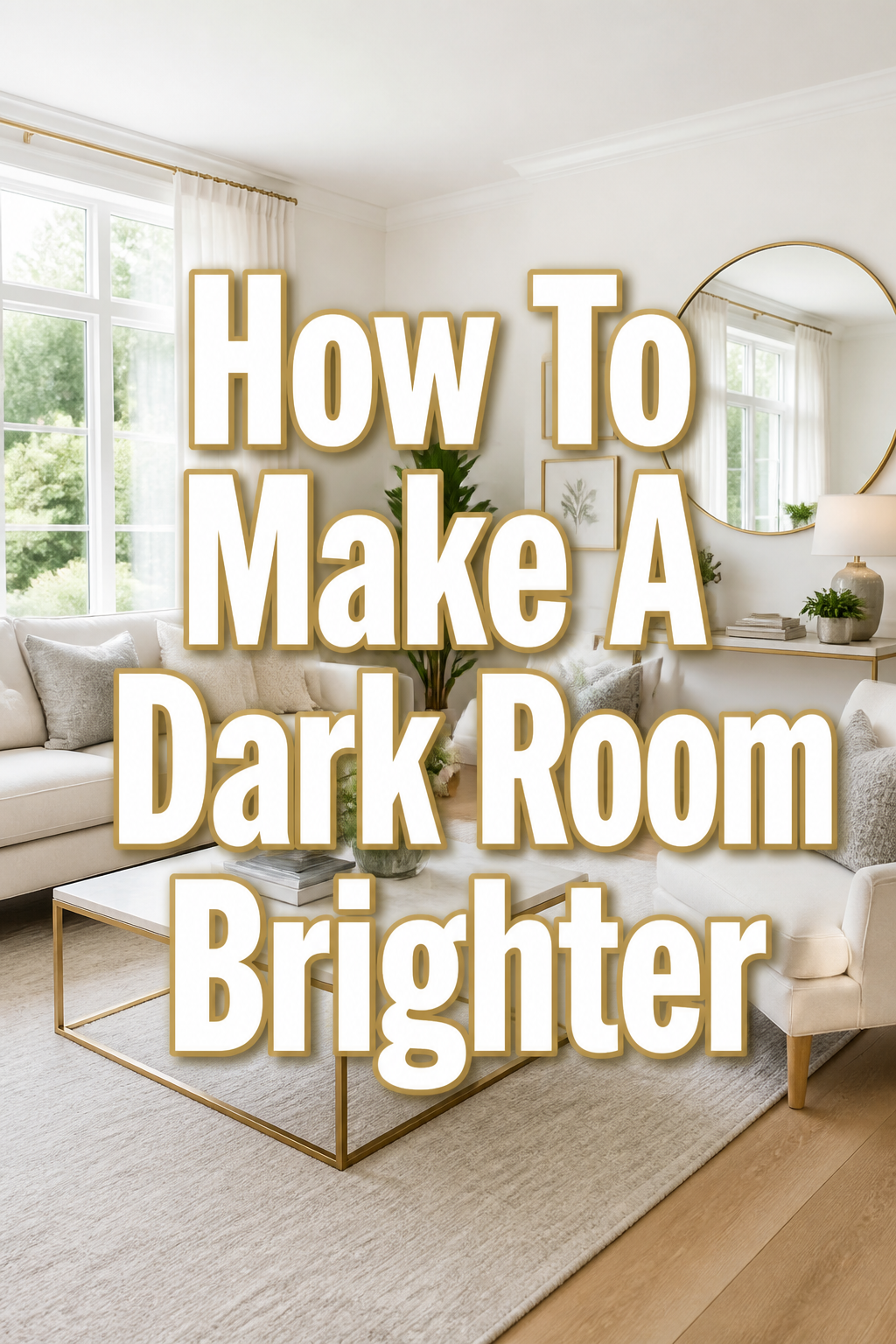
✨ How To Make A Dark Room Brighter
Ever walked into a room and felt an immediate sense of gloom?
I certainly have, especially in a north-facing apartment I once lived in.
This guide comes from years of personal experimentation and a passion for creating spaces that feel light, airy, and inviting, even when natural light is scarce.
Quick Overview
You’re about to transform your dim corners into vibrant, welcoming havens.
This journey will empower you to craft a brighter, more beautiful home using clever design tricks and cozy aesthetics.
- Time needed: 4-8 hours (depending on project scope)
- Difficulty: Beginner
- What you’ll need: Paint, mirrors, light fixtures, sheer curtains, plants, reflective decor
Step-by-Step Instructions
Step 1: Embrace the Power of Pale Paint
Start your brightening journey by changing your wall colors. Light-colored paints are your best friends in a dark room.
Choose shades like crisp white, soft cream, light gray, or even a very pale blue or green.
These colors reflect light rather than absorbing it, instantly making your room feel larger and more open.
Pro Tip: Opt for paints with a satin or eggshell finish. Their slight sheen offers a subtle reflective quality that matte paints lack, helping to bounce even more light around the room.
Step 2: Maximize Natural Light with Window Treatments
Look at your windows first. Heavy, dark curtains block precious natural light, even when open.
Replace them with sheer or light-colored fabrics.
Sheer curtains allow diffused light to filter in while still offering a touch of privacy and softness.
- Hang curtains high and wide.
- Extend the rod beyond the window frame.
- Ensure the fabric clears the window entirely when open.
Step 3: Strategically Place Mirrors
Mirrors are magical tools for brightening a room. They don’t just add decoration; they create an illusion of space and reflect light.
Place a large mirror directly across from a window to bounce natural light deep into the room.
You can also use multiple smaller mirrors on an adjacent wall to multiply the effect.
Step 4: Layer Your Lighting
A single overhead light often creates harsh shadows and leaves corners dim. Instead, think in layers.
Combine ambient, task, and accent lighting to create warmth and depth.
Use floor lamps, table lamps, and wall sconces to spread light evenly throughout the space.
Pro Tip: Choose light bulbs with a warmer color temperature (around 2700K-3000K) for a cozy, inviting glow, even as you increase brightness. Avoid harsh, cool white lights that can feel sterile.
Step 5: Incorporate Reflective Surfaces
Think beyond just mirrors. Furniture and decor with reflective surfaces can significantly contribute to brightness.
Consider a glass-top coffee table, chrome or brass accents, or glossy ceramic lamps.
These materials catch and scatter light, adding sparkle and dimension to your room.
Step 6: Choose Light-Colored Furniture and Textiles
Dark, bulky furniture can absorb light and make a room feel heavy.
If you’re buying new pieces, opt for sofas, chairs, and rugs in lighter shades.
You can also lighten up existing furniture with slipcovers or throws in pale colors.
Think about textiles like throw pillows and blankets. They offer an easy way to introduce brightness and texture without a major overhaul.
Step 7: Bring in Greenery
Plants don’t directly add light, but they bring life and freshness that brightens a room’s overall feel.
Choose plants that thrive in low light conditions if your room gets minimal sun.
Their natural vibrancy contrasts beautifully with light walls and adds a touch of organic warmth.
Step 8: Declutter and Organize
A cluttered room feels heavy and oppressive, even with good lighting.
Take time to declutter surfaces and store away unnecessary items.
An organized space allows light to flow freely and creates a sense of openness and calm.
Step 9: Open Up Doorways
Consider removing doors that aren’t essential for privacy, such as those leading to a dining room or hallway.
This creates an open-concept feel and allows light from adjacent, brighter rooms to spill into the darker space.
If removing a door isn’t an option, ensure it’s painted a light color.
Step 10: Leverage Art and Decor Thoughtfully
While dark, heavy artwork can contribute to a dim feel, bright, airy pieces can enhance a room’s luminosity.
Choose art with light backgrounds or vibrant colors.
Framing with white or metallic frames can also help reflect light.
Common Mistakes to Avoid
Ignoring Ceiling and Floor Colors
Many focus only on walls, forgetting that ceilings and floors play a huge role. A dark ceiling can make a room feel shorter and more enclosed. Similarly, dark flooring absorbs light.
Always paint ceilings a crisp white or the lightest shade of your wall color. For floors, use light rugs or consider lighter wood tones if you’re renovating.
Over-Reliance on a Single Light Source
Thinking one powerful overhead light is enough is a common pitfall. This creates harsh shadows and leaves corners dark, making the room feel unevenly lit and cold.
Always layer your lighting with multiple sources at different heights. Combine ambient, task, and accent lights to create a warm, inviting glow that reaches every corner.
Blocking Windows with Furniture
Placing large pieces of furniture directly in front of or too close to windows can obstruct the path of natural light. This reduces the primary source of brightness in your room.
Arrange your furniture to keep windows clear. If space is limited, choose low-profile pieces that don’t reach above the window sill, allowing light to flow freely.
Too Many Dark Accessories
While a few dark accents can add depth, too many dark decorative items, like vases, sculptures, or picture frames, can collectively absorb light and drag down the room’s brightness.
Balance dark pieces with lighter ones. Incorporate reflective materials, bright colors, and clear glass to keep the overall aesthetic light and airy. Every item should contribute to the bright feel.
Troubleshooting
Room Still Feels Dingy After Painting
Even with light paint, sometimes a room can still feel dull. This often happens if the room lacks varied light sources or reflective elements.
Add more lamps, especially at different heights, and ensure your bulbs are bright enough. Introduce a large mirror or some glossy decorative pieces to bounce the light you do have around the space.
Glare from Too Many Reflective Surfaces
While mirrors and glossy finishes are great for brightness, too many can create uncomfortable glare, especially during certain times of day. This can be jarring and less cozy.
Balance your reflective surfaces with matte textures. For instance, pair a glass coffee table with a plush, matte rug. Use sheer curtains to diffuse harsh incoming sunlight before it hits super reflective surfaces.
Lack of Cohesion After Adding Bright Elements
Sometimes, adding many bright elements can make a room feel disjointed or overly stark. This occurs when you prioritize brightness over a unified design aesthetic.
Choose a consistent color palette and stick to it, even with your bright additions. Use varying shades of the same light color for different elements, and introduce textures to add warmth and depth without sacrificing brightness.
Key Takeaways
- Light paint colors reflect light, instantly making rooms feel larger and brighter.
- Strategic mirror placement can multiply natural light and create an illusion of space.
- Layered lighting from multiple sources creates a warm, evenly lit, and cozy atmosphere.
- Sheer, light-colored curtains maximize the amount of natural light entering your room.
- Reflective decor and light-colored furniture help bounce light and keep the aesthetic airy.
- Decluttering and adding plants contribute to a fresh, open, and vibrant feel.
Frequently Asked Questions
Can I still have a cozy room if it’s very bright?
Absolutely! Coziness comes from warmth, texture, and personal touches, not necessarily dimness. Use warm-toned light bulbs, soft textiles like throws and rugs, and incorporate natural elements like wood and plants. A bright room can feel incredibly welcoming and comfortable.
Are dark floors always a bad idea in a dark room?
Not necessarily, but they require more balancing. If you have dark floors, compensate with very light walls, ceiling, and furniture. Use a large, light-colored area rug to break up the dark expanse and reflect light upwards. It’s all about creating contrast and balance.
How can I brighten a room without painting?
If painting isn’t an option, focus heavily on other elements. Maximize natural light with sheer curtains, add plenty of layered artificial lighting, and strategically place large mirrors. Incorporate light-colored furniture, rugs, and decor, and ensure the room is decluttered to promote an open feel.
What type of light bulbs are best for brightening a dark room?
For general brightness, look for LED bulbs with a higher lumen output (e.g., 800+ lumens for a standard bulb equivalent). For a cozy yet bright feel, choose a color temperature between 2700K and 3000K (warm white). This provides a pleasant glow without being too yellow or too stark white.
Our Top Recommended Finds
- Large Frameless Wall Mirror: These blend seamlessly into any decor, reflecting maximum light without heavy frames.
- Sheer Linen Curtains: They filter light beautifully, add texture, and create an airy, relaxed feel in any room.
- Slim Profile LED Floor Lamp: Provides excellent ambient light without taking up much floor space, often with adjustable brightness settings.
Your Brighter, Cozier Home Awaits
You now have a complete toolkit to transform even the darkest corners of your home.
Imagine stepping into a space that feels expansive, vibrant, and utterly inviting.
Start small, perhaps by hanging a new mirror or swapping out those heavy curtains. Each step you take will bring you closer to a home that truly shines, reflecting your unique style and warmth.