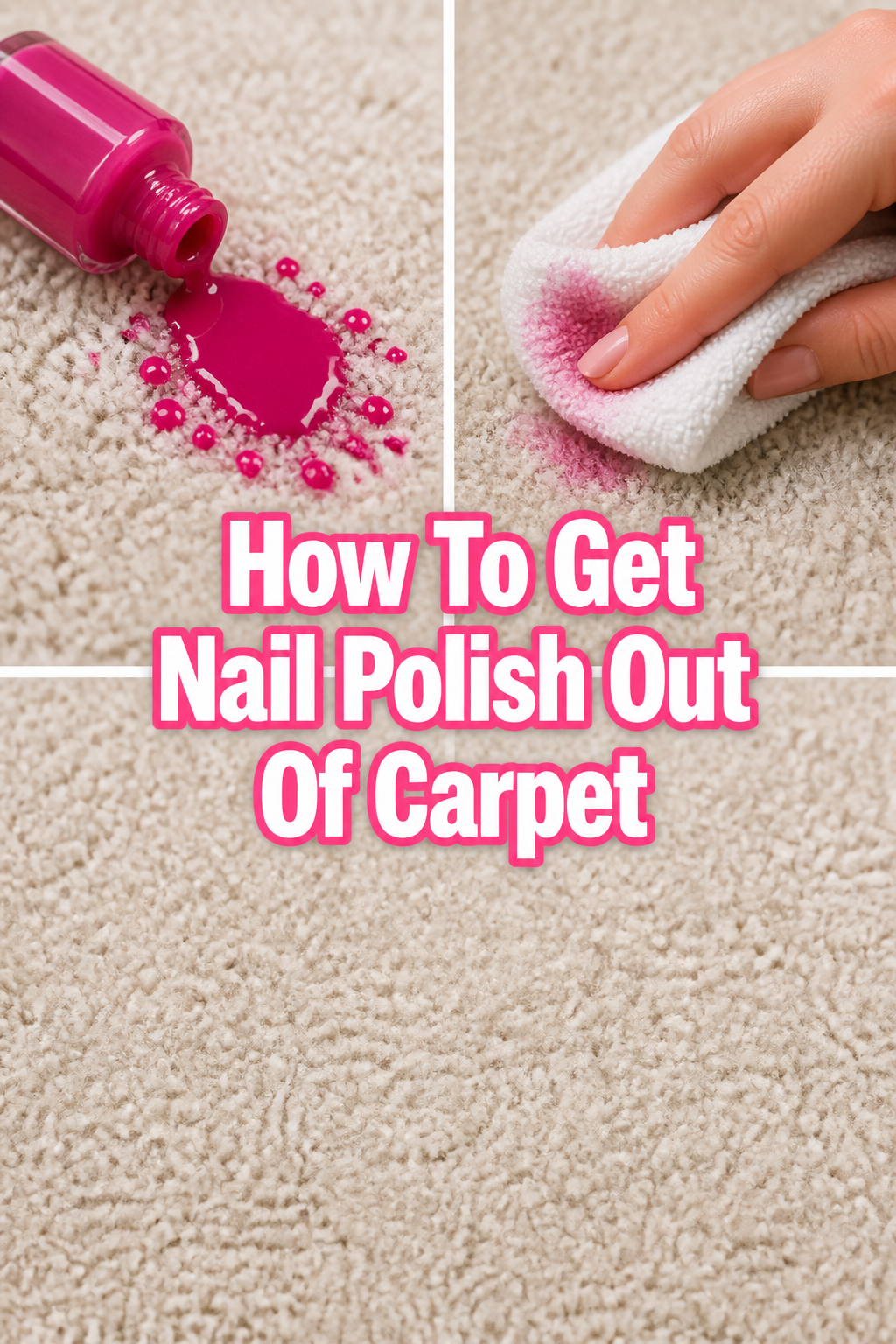
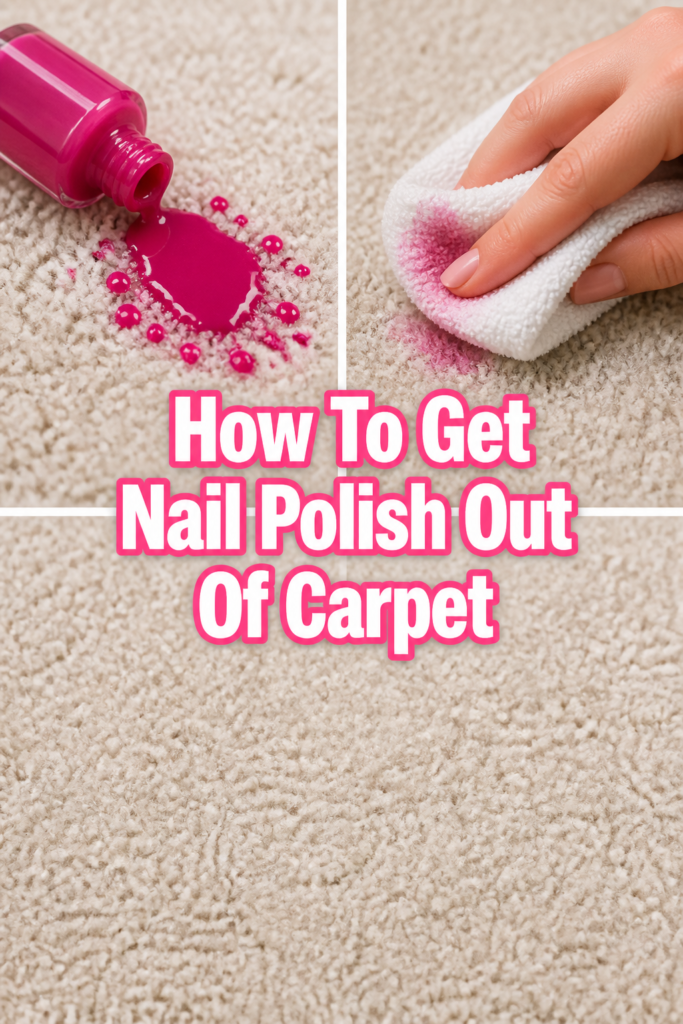
💅 How To Get Nail Polish Out Of Carpet
We’ve all been there, enjoying a moment of self-care, perhaps painting our nails on a plush rug in our favorite reading nook.
Then, a tiny slip, a moment of gravity, and suddenly a vibrant splash of color disrupts your perfectly curated space.
I remember a similar moment, turning a peaceful Sunday afternoon into a frantic search for solutions, and that firsthand experience taught me the gentle, effective methods I’m about to share.
Quick Overview
This guide will walk you through restoring your carpet’s pristine beauty, ensuring that little mishap doesn’t mar your home’s cozy charm. You’ll learn simple, effective techniques to tackle nail polish stains, leaving your carpet looking as inviting as ever.
Time needed: 30-60 minutes (depending on stain size and age)
Difficulty: Beginner
What you’ll need: Paper towels, cotton balls, rubbing alcohol (or non-acetone nail polish remover), hairspray, dish soap, a clean cloth, a spoon or dull knife, and a vacuum cleaner.
Step-by-Step Instructions
Step 1: Act Swiftly and Calmly
The first breath you take after spotting the spill is the most important. Resist the urge to panic or rub the stain immediately. Quick action, but with a gentle approach, is your best friend here.
This initial calm helps prevent the polish from setting deeper into the carpet fibers, making your cleaning journey much smoother. Think of it as preserving the tranquility of your living space.
Step 2: Gently Scrape Off Excess Polish
If the nail polish is still wet or slightly tacky, use a spoon or a dull knife to carefully lift as much of the excess as possible. Work from the outside edges of the spill towards the center.
The goal is to remove any raised or thick parts of the polish without spreading it further into the carpet. This delicate scraping protects the delicate weave of your carpet, maintaining its soft texture.
Step 3: Blot, Don’t Rub, with Paper Towels
Grab a stack of clean, white paper towels. Gently press them onto the stain, lifting more of the liquid polish. Remember, always blot, never rub.
Rubbing can push the polish deeper into the fibers and spread it, creating a larger, more stubborn problem. Blotting is like a soft kiss, drawing the polish up and out, preserving the integrity of your beloved carpet.
Pro Tip: Place a clean towel underneath the stained area if you have access to the carpet’s backing. This can help absorb the polish as you work, preventing it from seeping through to the padding below and ensuring a thorough clean.
Step 4: Choose Your Cleaning Agent Wisely
Now it’s time to introduce a cleaning agent. For most nail polish types, rubbing alcohol (isopropyl alcohol) is highly effective and generally safe for carpet. Non-acetone nail polish remover is another option, but always patch test it first.
Acetone-based removers are usually too harsh for carpet fibers and can cause damage or discoloration. Your choice here is crucial for both stain removal and protecting your carpet’s color and texture.
Step 5: Test in an Inconspicuous Area
Before applying any cleaning solution directly to the visible stain, always perform a patch test. Choose a hidden spot, like inside a closet or under a piece of furniture.
Dab a small amount of your chosen cleaner onto a clean white cloth and gently blot the test area. Wait a few minutes to ensure there’s no discoloration or damage to the carpet fibers. This step safeguards your beautiful carpet from any unintended consequences.
Step 6: Apply and Blot with Your Chosen Cleaner
Once you’ve confirmed the cleaner is safe, moisten a clean white cotton ball or cloth with the rubbing alcohol or non-acetone remover. Gently dab the stain, working from the outer edges inward.
As the polish transfers to your cotton ball or cloth, switch to a fresh, clean one. Continue this patient blotting process, allowing the cleaner to break down the polish, slowly lifting it from the fibers. You might need several applications and many fresh cotton balls.
Pro Tip: For stubborn, dried stains, consider using hairspray. Spray a small amount directly onto the dried polish, let it sit for a minute, then blot with a clean cloth. The hairspray can help loosen the dried polish, making it easier for the rubbing alcohol to work its magic.
Step 7: Rinse and Repeat if Necessary
After the majority of the polish is gone, dampen a clean cloth with plain water and gently blot the area to rinse away any remaining cleaning solution. This prevents residue buildup that could attract dirt later.
If a faint stain remains, you can repeat Step 6 with a fresh application of your cleaning agent. Patience and persistence are key to completely erasing the memory of the spill.
Step 8: Treat Any Remaining Discoloration (Optional)
Sometimes, a faint shadow or discoloration might linger, especially with darker polishes. Mix a small amount of mild dish soap with warm water to create a gentle sudsy solution.
Apply this solution to a clean cloth and gently blot the remaining discoloration. Follow up with a plain water rinse, blotting until all soap residue is gone. This final touch helps restore your carpet’s uniform appearance.
Step 9: Dry and Vacuum the Area
Once you’re satisfied with the clean, blot the area dry with clean paper towels or a dry cloth. You can also place a few layers of paper towels over the damp spot and weigh them down with a heavy book overnight to absorb residual moisture.
Once completely dry, gently vacuum the area to lift and fluff the carpet fibers. This step brings your carpet back to its original plush, inviting texture, making the whole incident a distant memory.
Common Mistakes to Avoid
Rubbing the Stain
One of the most common and damaging mistakes is to rub the nail polish stain. Rubbing pushes the polish deeper into the carpet fibers, making it significantly harder to remove. It can also fray the carpet, altering its texture and look. Always blot gently to lift the polish out of the fibers, rather than embedding it further.
Using Acetone Directly
While acetone is a powerful solvent for nail polish, it is often too harsh for synthetic carpet fibers and can dissolve the carpet’s backing or cause irreversible discoloration. Always opt for rubbing alcohol or a non-acetone remover, and conduct a patch test first. Prioritizing gentle solutions protects the longevity and beauty of your carpet.
Over-Wetting the Carpet
Applying too much cleaning solution can saturate the carpet and its padding, leading to mildew growth or damage to the subfloor. Use cleaning agents sparingly, applying them to a cloth or cotton ball first, rather than directly pouring onto the carpet. A little goes a long way in effectively treating the stain without creating new problems.
Skipping the Patch Test
Every carpet is different, and what works for one might harm another. Skipping the patch test can lead to permanent damage, such as bleached spots or melted fibers. Always test your chosen cleaning solution in an inconspicuous area first to confirm its safety. This small step provides peace of mind and preserves your carpet’s integrity.
Troubleshooting
The Stain Isn’t Coming Out Completely
If the stain persists even after multiple attempts, it might be an older, deeply set stain, or a particularly pigmented polish. Try repeating the process with fresh materials, applying the cleaning agent with a little more dwell time (a minute or two) before blotting. You can also try a gentle carpet spot cleaner designed for tough stains, after a patch test, of course.
Carpet Fibers Feel Stiff or Sticky
A stiff or sticky residue usually means there’s still some cleaning solution or polish residue left in the fibers. Dampen a clean cloth with plain warm water and blot the area thoroughly, rinsing and repeating until the stickiness disappears. Follow up with a dry cloth to absorb excess moisture. A clean rinse is vital for restoring the carpet’s soft feel.
Discoloration or Fading Appears
If you notice discoloration or fading after cleaning, it’s likely that the cleaning agent was too strong for your carpet’s dye. Unfortunately, this type of damage can be difficult to reverse without professional help. For minor fading, sometimes a diluted fabric dye can be carefully applied by an expert, but prevention through patch testing is always the best approach.
Key Takeaways
Act quickly and calmly to prevent the polish from setting deep into the carpet fibers.
Always blot the stain gently; never rub, to avoid spreading the polish or damaging carpet fibers.
Rubbing alcohol or non-acetone remover are typically safe and effective, but always perform a patch test first.
Patience is crucial; you may need multiple applications and fresh materials to fully remove the stain.
Thoroughly rinse the area with water after cleaning to remove any residue and prevent stiffness.
Protect your carpet’s beauty by avoiding harsh chemicals like pure acetone.
Frequently Asked Questions
Can I use hairspray on a wet nail polish stain?
Hairspray is most effective on dried or semi-dried nail polish stains, as it helps to break down the hardened polish, making it easier to lift. For wet stains, it’s best to start by gently scraping and blotting as much excess polish as possible before applying any cleaning agents.
What if my carpet is wool or a delicate natural fiber?
For wool or other delicate natural fibers, it’s especially important to be cautious. Rubbing alcohol is generally safer than acetone, but a professional carpet cleaner might be the best option to avoid damage. Always, always perform a very discreet patch test, as natural fibers can react differently to cleaners.
How do I prevent future nail polish spills?
To prevent future spills, consider painting your nails in an area with hard flooring or placing a protective mat or old towel under your feet when painting on carpet. A dedicated “beauty station” can also help keep your cozy spaces pristine and worry-free.
Is it better to let the nail polish dry before attempting to clean it?
No, it’s always best to address a nail polish spill as quickly as possible. While hairspray can help with dried stains, fresh spills are generally easier to remove as the polish hasn’t had a chance to fully bond with the carpet fibers. Quick action minimizes the effort required for a pristine finish.
Our Top Recommended Finds
Isopropyl Rubbing Alcohol 70%: An essential, budget-friendly cleaner that is highly effective and generally safe for carpet fibers.
White Cotton Balls or Pads: Crucial for gentle blotting and ensuring no color transfer from your cleaning tools.
Microfiber Cleaning Cloths: Excellent for rinsing and drying, as they are super absorbent and non-abrasive.
Reclaim Your Serene Sanctuary
Seeing a splash of nail polish on your beautiful carpet can feel like a jolt, but it doesn’t have to ruin your day or your home’s aesthetic. With these gentle, step-by-step methods, you have the power to restore harmony to your space.
Imagine your cozy reading nook, your plush living room, or your inviting bedroom, once again flawless and ready for relaxation. Don’t let a small spill diminish the joy of your carefully designed home. Take action today, confidently tackle that stain, and let your home shine with renewed sparkle and serenity.