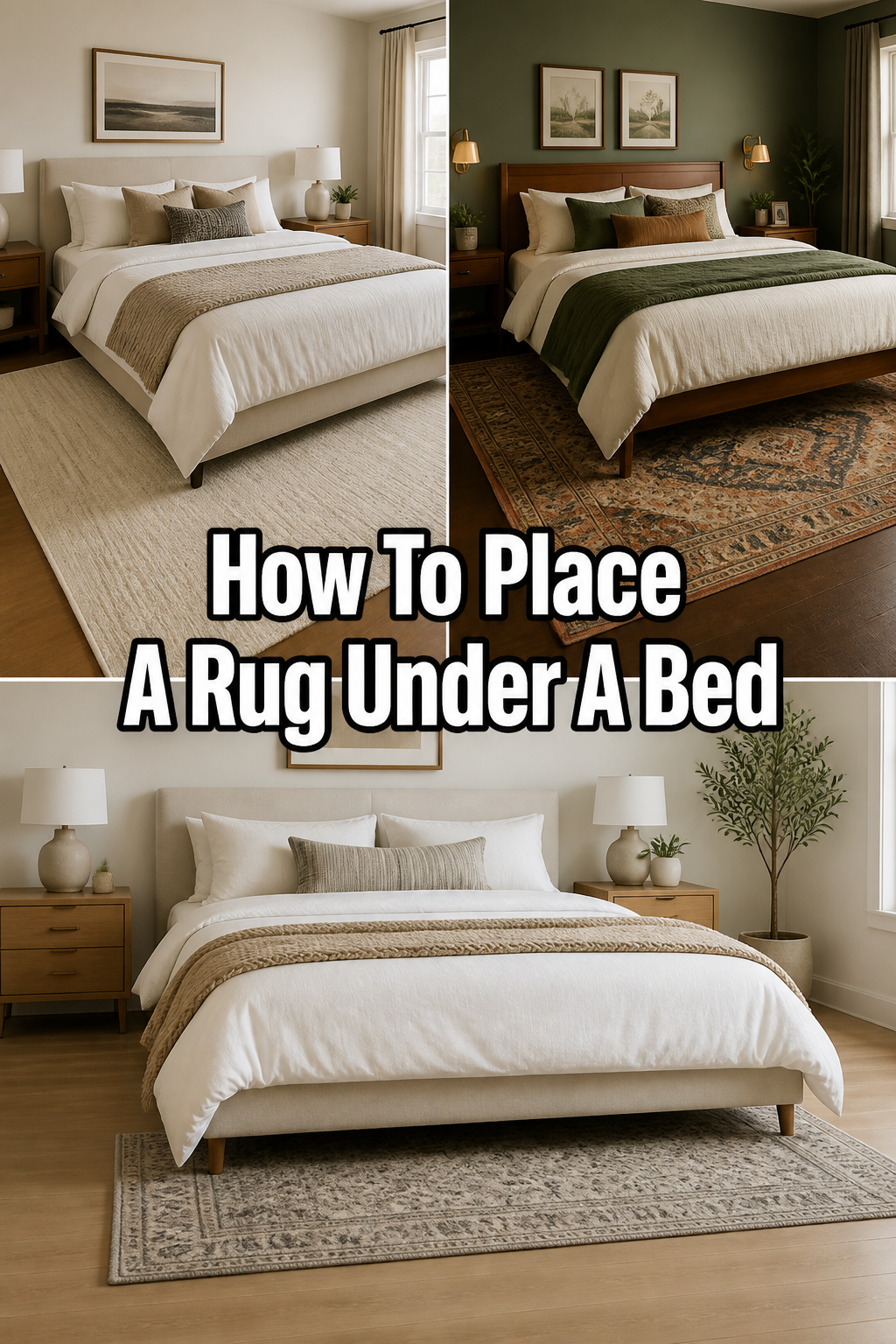
🛌 How To Place A Rug Under A Bed
Transforming a bedroom into a sanctuary of comfort and style often starts from the ground up. A well-placed rug can anchor your space, add warmth, and introduce a touch of luxury.
I’ve personally experimented with countless rug placements, learning the secrets to making a bedroom feel utterly inviting. This guide distills those experiences into simple, actionable steps, ensuring your room feels perfectly put together.
Quick Overview
Placing a rug under your bed is a design game-changer that can dramatically enhance your bedroom’s aesthetic and feel. You’ll learn how to select the right size, position it perfectly, and secure it for lasting comfort.
- Time needed: 30 minutes – 1 hour
- Difficulty: Beginner
- What you’ll need: Measuring tape, rug of choice, rug pad, (optional) a helper
Step-by-Step Instructions
Step 1: Envision Your Dream Layout
Before you even think about lifting a rug, take a moment to imagine the final look. Consider the overall feel you want to create in your bedroom. Are you going for cozy and intimate, or grand and expansive?
Think about how the rug will interact with your existing furniture and decor. A clear vision will guide your choices and make the process smoother.
Picture your ideal morning, stepping out of bed onto a soft, warm surface. This is the feeling we’re aiming for.
Step 2: Measure Your Bed and Room
Accurate measurements are the foundation of a successful rug placement. Start by measuring the dimensions of your bed, including the frame. This is crucial for determining the ideal rug size.
Next, measure the available floor space in your bedroom, especially around the bed. Note any existing furniture like nightstands or dressers that might influence the rug’s positioning.
Knowing these numbers prevents costly mistakes and ensures a harmonious fit.
Pro Tip: Don’t just measure the mattress; include the full bed frame in your calculations. This provides a more accurate representation of the space the bed occupies.
Step 3: Choose the Perfect Rug Size
Selecting the right rug size is perhaps the most critical decision. A rug that’s too small will look like a bathmat and feel out of place. One that’s too large might overwhelm the room.
For most queen beds, an 8×10 foot rug is a popular choice, allowing ample rug to extend beyond the sides and foot of the bed. For king beds, a 9×12 foot rug often works beautifully.
Twin or full beds can often accommodate a 5×7 or 6×9 foot rug, depending on how much rug you want exposed.
The goal is to have enough rug extending from the sides and foot of the bed so your feet land on softness when you get out.
Step 4: Select Your Rug Style and Material
The rug’s style, color, and texture play a huge role in defining your bedroom’s atmosphere. Do you want a plush, high-pile rug for ultimate softness, or a flat-weave for a more minimalist look?
Consider the existing color palette of your room. The rug can either complement these colors or introduce a contrasting pop of interest.
Think about practicality too: a durable, easy-to-clean material might be best for high-traffic areas or if you have pets.
Step 5: Prepare the Floor and Rug Pad
Before placing your rug, ensure the floor beneath is clean and free of dust or debris. This prevents dirt from transferring to the rug and helps the rug pad adhere better.
A high-quality rug pad is non-negotiable. It protects your floors, adds an extra layer of cushioning, and, most importantly, prevents the rug from slipping and bunching.
Unroll your rug pad and trim it to be slightly smaller than your rug, about an inch or two shorter on each side. This keeps the pad hidden.
Step 6: Determine Your Placement Strategy
There are a few common ways to place a rug under a bed, each creating a different effect. The most popular method involves pulling the rug down from the headboard, stopping before it hits the nightstands.
This means the rug starts under the bottom two-thirds of the bed, extending significantly beyond the sides and foot. This creates a balanced look and ensures your feet land on the rug.
Another option is to place the rug entirely under the bed and nightstands, which works well in larger rooms with very large rugs.
A third approach is to place the rug perpendicular to the bed, centered under the lower half, leaving a substantial amount of rug visible at the foot.
Step 7: Position the Rug
This is where having a helper can be invaluable, especially with larger rugs. Carefully unroll the rug, starting from the head of the bed.
Align the edge of the rug with your chosen starting point under the bed. For the most common placement, this means the rug begins roughly two-thirds of the way down the bed, past your nightstands.
Slowly pull the rug into position, ensuring it’s centered under the bed. Take your time to adjust it until it feels perfectly aligned.
Pro Tip: If you’re working alone with a large rug, roll it tightly and then unroll it in place. You can also temporarily fold it in half lengthwise to make it more manageable.
Step 8: Smooth and Adjust
Once the rug is generally in place, take a moment to smooth out any wrinkles or bumps. Walk around the bed, gently pulling and adjusting the rug until it lies flat.
Check the symmetry: ensure there’s an equal amount of rug extending from both sides of the bed. Also, verify that the desired amount of rug extends beyond the foot of the bed.
Step back and observe from different angles to confirm it looks balanced and intentional.
Step 9: Re-position Furniture
Carefully slide your bed back into its final position, ensuring the rug doesn’t bunch or shift too much. If you have nightstands on the rug, gently place them back.
If your nightstands are off the rug, make sure they are still easily accessible and look harmonious with the new rug placement.
This final adjustment brings everything together, completing your cozy bedroom transformation.
Common Mistakes to Avoid
Choosing a Rug That’s Too Small
A common pitfall is opting for a rug that’s disproportionately small for your bed. A rug that barely peeks out from under the sides or foot of the bed can make the room feel unbalanced and unfinished. It often looks like an afterthought rather than an intentional design element.
Always aim for a rug that extends significantly beyond the bed, allowing you to comfortably step onto it from any side. This creates a sense of luxury and makes the space feel more cohesive.
Ignoring the Rug Pad
Skipping the rug pad might seem like a way to save money or effort, but it’s a mistake that leads to frustration. Without a pad, your rug will slide, bunch, and potentially become a tripping hazard. It also offers no protection for your flooring.
A good rug pad provides cushioning, prevents movement, and extends the life of your rug and floors. It’s a small investment that makes a big difference in comfort and safety.
Placing the Rug Too Far Under the Bed
While you want the rug under the bed, placing it too far up – so it’s entirely hidden by the bed frame and nightstands – defeats the purpose. This means very little of the rug is visible, and you might not even step on it when getting out of bed.
The ideal placement usually involves the rug starting about two-thirds of the way down the bed, allowing a generous amount to extend outwards. This ensures both visual appeal and practical comfort.
Forgetting About Nightstands
When planning your rug placement, consider your nightstands. If you want them to sit on the rug, ensure your chosen rug size is large enough to accommodate them comfortably, along with the bed. If you prefer them off the rug, make sure the rug starts far enough down to avoid an awkward gap or partial coverage.
A well-thought-out plan for your nightstands ensures a clean, intentional look. It prevents them from looking like they’re floating or precariously placed.
Troubleshooting
Rug is Bunching or Sliding
If your rug is moving around or creating wrinkles, the most likely culprit is the lack of a proper rug pad. Even a heavy rug can shift on smooth floors without adequate grip.
Ensure you have a non-slip rug pad specifically designed for your flooring type. If you already have one, check if it’s the correct size (slightly smaller than the rug) and if it’s placed correctly. Sometimes, repositioning the pad can solve the issue.
Rug Doesn’t Seem Centered
After placing a large rug, it’s easy for it to be slightly off-center. This can be visually jarring. To fix this, gently slide the entire bed to one side if possible.
Then, adjust the rug until it’s perfectly centered under the bed, ensuring equal overhang on both sides. Once the rug is aligned, carefully slide the bed back into place. Having a second person to help with this makes it much easier.
The Room Feels Smaller with the Rug
If your bedroom suddenly feels more cramped after placing the rug, it might be due to the rug’s size or color choice. A very dark or patterned rug in a small room can sometimes visually shrink the space.
Consider if a lighter-colored rug might open up the room more. Alternatively, ensure the rug isn’t extending too far into high-traffic pathways, which can make the room feel cluttered. Sometimes, simply adjusting the furniture arrangement slightly can alleviate the feeling of constriction.
Key Takeaways
- Measure precisely: Always measure your bed and room before buying a rug to ensure the perfect fit.
- Size matters: Opt for a rug large enough to extend significantly beyond the sides and foot of your bed.
- Don’t skip the rug pad: A good rug pad prevents slipping, adds comfort, and protects your floors.
- Position thoughtfully: The most common and appealing placement is starting the rug about two-thirds down the bed.
- Consider aesthetics and function: Choose a style and material that complements your room and suits your lifestyle.
- Adjust with care: Take your time to smooth, center, and align the rug for a polished final look.
Frequently Asked Questions
Can I use two smaller rugs instead of one large one?
While technically possible, using two smaller rugs (like runners) on either side of the bed is generally less cohesive than one large rug. A single large rug anchors the entire bed, creating a more unified and luxurious feel. Smaller rugs can look disjointed and might slide around more easily.
How much rug should show around the bed?
Ideally, you want at least 18-24 inches of rug extending from the sides and foot of a queen or king bed. For twin or full beds, 12-18 inches is usually sufficient. This ensures your feet land on the rug and creates a balanced visual. The goal is a generous border of softness.
What if my bed has a footboard?
If your bed has a footboard, you’ll still follow the same general placement rules. Ensure the rug extends beyond the footboard by the recommended amount. The footboard itself will sit on the rug, which can help anchor it. Just be mindful of the rug’s thickness if the footboard is very low to the ground.
Do the nightstands have to be on the rug?
No, your nightstands do not have to be on the rug. Many popular placements have the rug starting just below the nightstands, allowing them to sit directly on the hard floor. This can make the rug appear larger and the room more expansive. If your nightstands are very heavy, placing them entirely off the rug can also make future rug cleaning or moving easier.
Our Top Recommended Finds
- Non-Slip Felt Rug Pad: Provides excellent cushioning and prevents slippage, crucial for safety and rug longevity.
- Heavy-Duty Furniture Sliders: Perfect for easily moving your bed to adjust the rug without scratching floors or straining your back.
- Retractable Measuring Tape (25ft+): Essential for accurate room and rug measurements, ensuring you buy the right size every time.
Your Cozy Bedroom Awaits
Placing a rug under your bed is more than just a decor choice; it’s an investment in comfort, style, and the overall ambiance of your personal retreat. With these steps, you’re ready to transform your bedroom into a haven you’ll adore.
Don’t let the idea of a large rug intimidate you. Take a deep breath, grab your measuring tape, and start envisioning the cozy paradise that awaits. Your feet (and your aesthetic sense) will thank you.