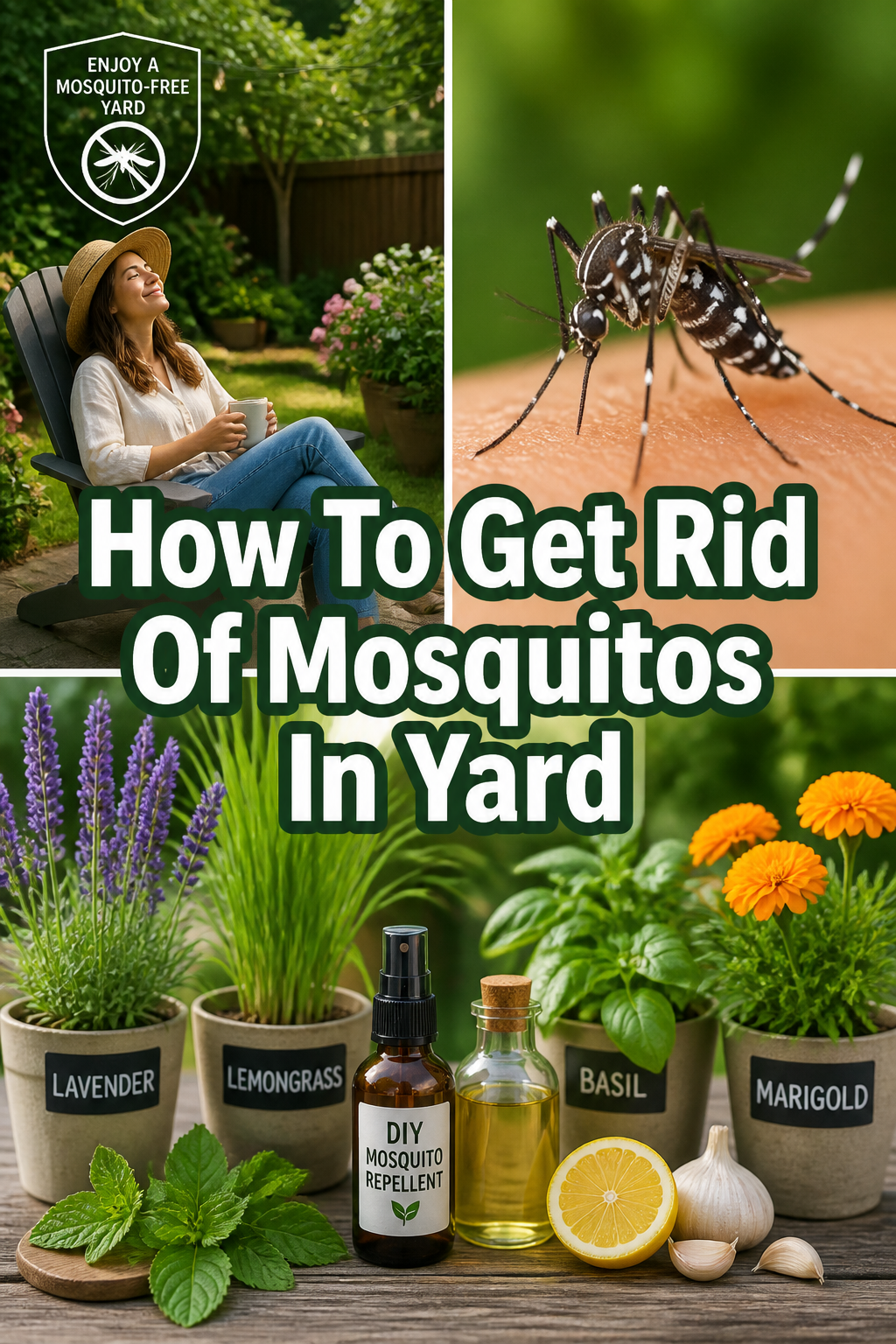
🌿 How To Get Rid Of Mosquitos In Yard
There’s nothing quite like a peaceful evening in your own backyard.
You imagine sipping lemonade, enjoying the sunset, and feeling completely at ease.
But often, that idyllic scene is shattered by the incessant buzz and bite of mosquitos, turning your outdoor sanctuary into a battleground.
I’ve personally transformed a mosquito-ridden swamp of a yard into a delightful outdoor haven, and I’m excited to share the practical, comforting steps that made all the difference.
Quick Overview
This guide will help you reclaim your outdoor space, turning it into a beautiful, bite-free oasis where you can truly relax.
You’ll learn to identify and eliminate breeding grounds, set up natural deterrents, and maintain a yard that welcomes you, not pests.
- Time needed: Initial setup 2-4 hours, ongoing maintenance 30 minutes weekly
- Difficulty: Beginner
- What you’ll need: Buckets, gloves, mosquito dunks, outdoor fan, citronella plants, essential oils, BTI granules, protective clothing
Step-by-Step Instructions
Step 1: Inspect and Eliminate Standing Water
Mosquitos begin their life cycle in water, even the smallest puddles. Your first mission is to become a detective for dampness.
Walk slowly through your entire yard, looking for any place water might collect and sit for more than a day or two.
- Check empty planters, old tires, clogged gutters, and even children’s toys left outside.
- Empty bird baths and pet water bowls daily, scrubbing them clean before refilling.
- Turn over wheelbarrows, buckets, and anything else that can hold water.
- Clear out debris from gutters and downspouts. This is a common, often overlooked, breeding spot.
- Look inside tarps covering firewood or outdoor furniture; they often create hidden water traps.
Pro Tip: Even a bottle cap full of water can host hundreds of mosquito larvae. Be incredibly thorough in your search and elimination efforts.
Step 2: Maintain Your Landscape with Care
Mosquitos love to hide in cool, damp, overgrown areas during the day. A well-kept yard is less inviting to these pests.
Think of your landscaping as creating a neat, airy outdoor room where mosquitos have nowhere to feel at home.
- Mow your lawn regularly to keep grass short. Tall grass provides perfect hiding spots.
- Trim overgrown bushes, shrubs, and trees. This improves air circulation and reduces shaded, damp areas.
- Remove leaf litter and yard debris promptly. Piles of leaves create ideal moist environments.
- Ensure proper drainage around your home. Fill in any low spots in your yard where puddles tend to form after rain.
Step 3: Introduce Natural Predators and Barriers
Working with nature can be incredibly effective and adds a lovely touch to your garden. Welcome creatures that feast on mosquitos.
Consider creating spaces that encourage these helpful visitors to make your yard their home.
- Install a bat house in a quiet corner of your yard. Bats are voracious mosquito eaters, especially at dusk.
- Attract birds by providing a clean bird bath (remember to empty daily!) and feeders. Many bird species eat mosquitos.
- Plant mosquito-repelling plants near your patio or outdoor seating areas. Citronella grass, lavender, rosemary, marigolds, and catnip are good choices.
- Set up outdoor fans around your seating areas. Mosquitos are weak fliers and dislike even a gentle breeze, making your space more comfortable.
Pro Tip: While mosquito-repelling plants are lovely, they work best when their leaves are crushed or brushed against to release their oils. Consider planting them where you can easily interact with them.
Step 4: Use Larvicides in Problematic Water Sources
Sometimes, standing water is unavoidable, like in rain barrels or decorative ponds. This is where larvicides become your friend.
These products target mosquito larvae before they can grow into biting adults, offering a safe and effective solution.
- Apply “mosquito dunks” or “mosquito bits” containing BTI (Bacillus thuringiensis israelensis) to standing water. BTI is a naturally occurring bacterium that is toxic only to mosquito and black fly larvae, harmless to pets, wildlife, and humans.
- Place dunks in rain barrels, unused swimming pools, or any water feature that cannot be completely emptied.
- Follow package directions for application rates and frequency. They typically last for about 30 days.
Step 5: Strategically Place Traps and Repellents
Even with preventative measures, a few persistent mosquitos might still find their way in. Traps and repellents offer an extra layer of defense.
Think of these as the final touches to your mosquito-free outdoor design, ensuring maximum comfort.
- Hang mosquito traps designed to attract and capture adult mosquitos. Look for models that use CO2, heat, or UV light.
- Light citronella candles or use tiki torches with citronella oil around your patio. The smoke and scent help deter mosquitos.
- Apply essential oil diffusers with blends of lemon eucalyptus, peppermint, or cedarwood near your outdoor seating. These scents are pleasant for us but bothersome to mosquitos.
- Consider a strategic perimeter spray, if necessary, using natural pyrethrin-based products. Always read labels carefully and apply responsibly.
Step 6: Plan Your Outdoor Activities Mindfully
While you’re working to create a mosquito-free zone, being smart about when you’re outside can make a big difference.
Enjoy your newly reclaimed space at times when mosquitos are least active.
- Avoid being outside during dawn and dusk, which are peak mosquito activity times.
- Wear light-colored clothing, long sleeves, and pants if you must be out during peak times. Mosquitos are attracted to dark colors.
- Use personal insect repellent containing DEET, picaridin, or oil of lemon eucalyptus when necessary, especially in areas with high mosquito populations.
Common Mistakes to Avoid
Ignoring Small Water Sources
Many people focus on large puddles but overlook tiny spots. A forgotten watering can or a crumpled tarp can be a massive breeding ground.
Mosquitos only need a tablespoon of water to lay hundreds of eggs. Be diligent about checking every nook and cranny.
Over-Reliance on a Single Method
Thinking one solution, like citronella candles, will solve all your problems is a common pitfall. Mosquitos are resilient.
A multi-pronged approach combining source reduction, natural deterrents, and strategic treatments is always most effective.
Applying Pesticides Indiscriminately
Spraying your entire yard with harsh chemical pesticides can harm beneficial insects, pets, and even your family. It’s often unnecessary.
Focus on targeted treatments like larvicides in water and localized repellents. This protects your ecosystem and your loved ones.
Neglecting Regular Maintenance
Getting rid of mosquitos isn’t a one-time task; it’s an ongoing commitment. Letting your guard down means they’ll quickly return.
Make mosquito prevention a routine part of your yard care, just like watering your plants or mowing the lawn.
Troubleshooting
Still Seeing Mosquitos After Taking Steps
If you’ve followed the steps but still have mosquitos, it’s time for a deeper investigation. They might be coming from a neighbor’s yard or a hidden source.
Re-inspect your property for overlooked standing water, check your gutters again, and consider if nearby properties have uncontrolled breeding sites. You might also need to increase the frequency of your larvicide applications or strengthen your natural deterrents.
Concerns About Chemical Exposure
If you’re worried about using any chemical treatments, focus on the most natural and least invasive methods first. Source reduction is key and completely chemical-free.
Embrace mosquito dunks (BTI) as they are organic and target only mosquito larvae. Rely heavily on landscaping, fans, and natural repellents like essential oils. Your yard can still be a haven without harsh chemicals.
Mosquitos Biting Indoors
Mosquitos inside usually mean they’re finding a way in. Check all your window screens and door seals for gaps or tears.
Ensure doors close completely and quickly. Consider using indoor mosquito traps or plug-in repellents if the problem persists, but sealing entry points is the most effective long-term solution.
Key Takeaways
- Eliminating all standing water is the single most important step in mosquito control.
- Regular yard maintenance, like mowing and trimming, removes mosquito hiding spots.
- Embrace natural solutions such as beneficial plants, bats, and birds to help manage populations.
- Larvicides like mosquito dunks offer a safe and effective way to treat unavoidable water sources.
- A combination of methods works best; no single solution will completely solve the problem.
- Consistency is crucial; ongoing vigilance keeps your yard mosquito-free and enjoyable.
Frequently Asked Questions
Do citronella plants actually work?
Citronella plants do contain mosquito-repelling compounds. However, they are most effective when their leaves are crushed or brushed against, releasing their essential oils. Simply having them in your garden provides some benefit, but active interaction enhances their repellent qualities.
Is it safe to use mosquito dunks around pets and children?
Yes, mosquito dunks containing BTI (Bacillus thuringiensis israelensis) are considered very safe. BTI specifically targets mosquito and black fly larvae and is harmless to humans, pets, fish, beneficial insects, and other wildlife. It’s an excellent eco-friendly option.
How often should I reapply mosquito repellent to my skin?
The reapplication frequency for personal insect repellents depends on the active ingredient and concentration. Always follow the specific instructions on the product label. Generally, products with higher concentrations offer longer protection, but sweat and water can reduce their effectiveness.
Can outdoor fans truly deter mosquitos?
Absolutely! Mosquitos are weak fliers and struggle against even a gentle breeze. Placing outdoor fans strategically around your patio or seating area creates an air current that makes it difficult for them to land and bite, significantly improving your comfort.
Our Top Recommended Finds
- Mosquito Dunks (BTI): These are indispensable for treating any standing water you can’t eliminate, safely stopping larvae before they hatch.
- Outdoor Patio Fans: A good quality outdoor fan provides a refreshing breeze that not only keeps you cool but also effectively deters mosquitos from your gathering spaces.
- Citronella Candles/Torches: These classic outdoor accessories add a warm glow and a pleasant scent while providing a good localized deterrent for mosquitos.
Embrace Your Outdoor Sanctuary
Imagine evenings spent unwinding on your patio, surrounded by soft lighting and the gentle hum of conversation, not mosquitos.
Picture lazy afternoons reading in your garden, a cool breeze rustling the leaves, completely undisturbed.
By taking these practical, thoughtful steps, you’re not just getting rid of pests; you’re actively designing a more comfortable, beautiful, and inviting outdoor living space for yourself and your loved ones.
Don’t let another season pass by swatting and itching. Start reclaiming your yard today, turning it into the peaceful retreat you deserve.