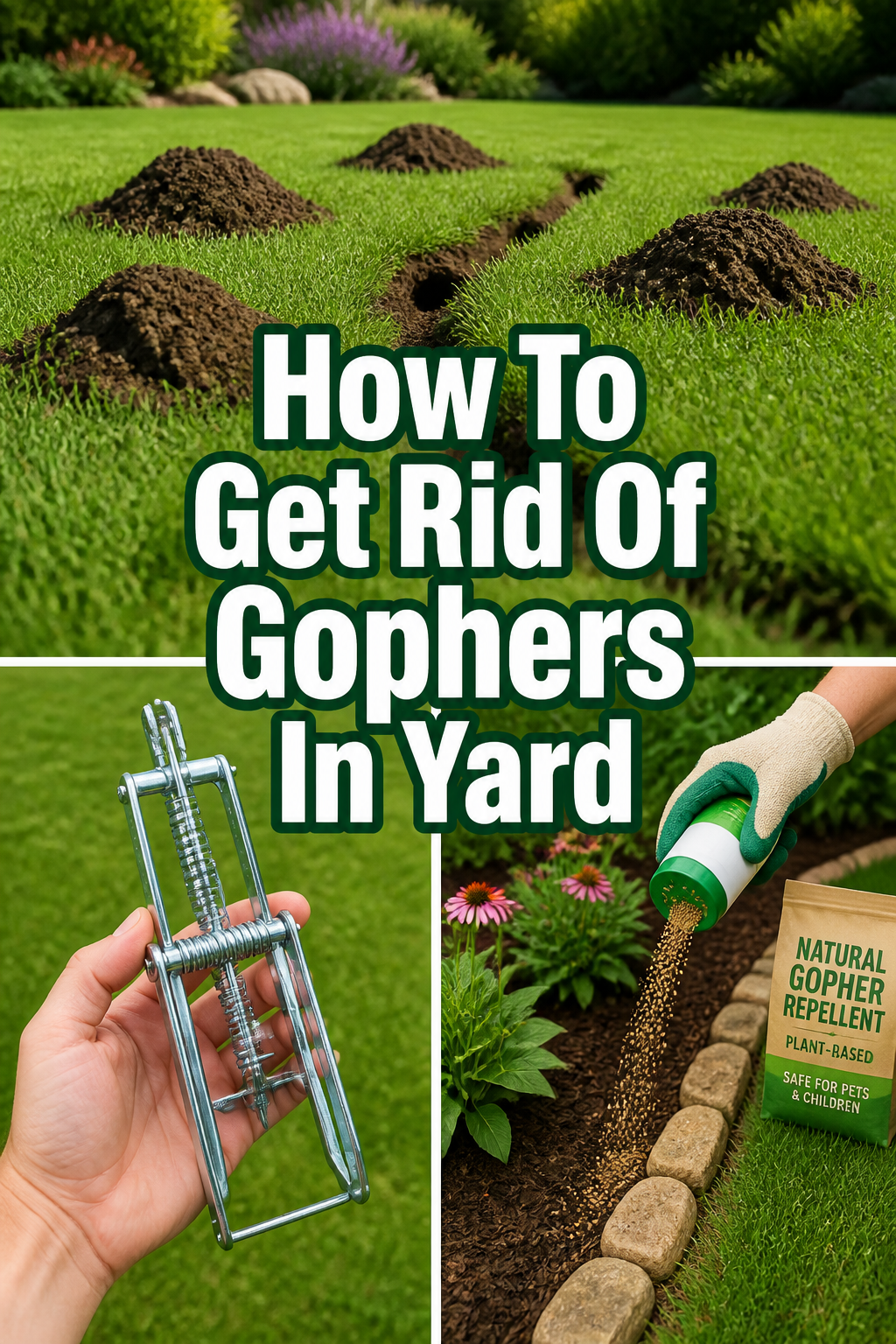
🌱 How To Get Rid Of Gophers In Yard
There’s nothing quite like stepping into your garden, a space you’ve lovingly shaped, only to find fresh mounds of dirt marring its beauty. It’s a familiar heartache for many home and yard enthusiasts.
I once spent weeks perfecting a new flower bed, imagining lazy afternoons surrounded by blooms, only to wake up to a series of gopher tunnels. That frustrating experience led me on a journey to truly understand these elusive creatures and find effective, practical solutions.
This guide shares everything I learned, helping you reclaim your outdoor sanctuary with confidence and a gentle hand.
Quick Overview
This guide will walk you through a clear, actionable process to effectively remove gophers from your yard, restoring peace and beauty to your outdoor living space. You’ll learn how to identify gopher activity, choose the right methods, and implement them safely and humanely.
- Time needed: Varies, from a few days to a couple of weeks for full eradication
- Difficulty: Intermediate
- What you’ll need: Shovel, gopher traps, bait (optional), protective gloves, possibly a hose and water.
Step-by-Step Instructions
Step 1: Become a Gopher Detective
Before you can address the problem, you need to confirm it’s actually gophers. Look for their tell-tale signs.
Gophers create crescent-shaped mounds of fresh dirt, often with a plugged hole off to one side. This is distinct from moles, whose mounds are typically volcano-shaped with a central opening.
Observe these mounds over a few days. Note where new ones appear. This helps you map their active tunnels.
Pro Tip: Gopher activity tends to be highest in spring and fall. Fresh, moist soil indicates recent work.
Step 2: Understand Their Habits and Habitat
Gophers are solitary creatures, except during breeding season. Each gopher can create an extensive network of tunnels, damaging roots and disrupting your carefully planned garden layout.
They feed on roots, bulbs, and sometimes above-ground vegetation. Knowing what they eat can help with baiting strategies later.
Their main tunnels are typically 6-12 inches below the surface, with shallower feeding tunnels branching off. Understanding this helps you place traps effectively.
Step 3: Choose Your Method Wisely
There are several approaches to gopher control, ranging from humane deterrents to trapping. Consider what feels right for your home and family.
Trapping is often considered the most effective and direct method. Live traps allow for relocation, while kill traps offer a permanent solution.
Other options include repellents or creating barriers, which can be part of a long-term prevention strategy. We’ll focus on effective removal first.
Step 4: Locate the Main Tunnel
This is the most crucial step for successful trapping. Gophers use a main runway to travel between feeding areas and their burrow.
Find a fresh mound and gently probe the soil a few inches from the plugged side with a stick or thin rod. You’re looking for a sudden drop, indicating the main tunnel.
Once you’ve found it, carefully dig down with a shovel to expose the tunnel opening. Make the opening just large enough to place your trap.
Pro Tip: Look for the freshest mounds, as these indicate active tunnels where the gopher is currently working.
Step 5: Set Your Traps with Care
Wearing gloves is essential. Gophers have an excellent sense of smell and can detect human scent, making them wary of traps.
Place two traps facing opposite directions into the main tunnel you’ve exposed. This increases your chances of success, as you don’t know which way the gopher will approach.
Make sure the traps are snug against the tunnel walls. Gently cover the opening with a board or dirt to block out light, creating a dark, natural environment for the gopher.
Step 6: Monitor and Re-Set
Check your traps frequently, at least twice a day. Gophers are industrious, and you want to address the situation promptly.
If you catch a gopher, dispose of it humanely or relocate it far from your property if using a live trap. Clean and reset the traps immediately.
If a trap hasn’t been triggered after 24-48 hours, the gopher might have sensed it or found an alternative route. Move the traps to a different, active tunnel.
Step 7: Consider Baiting (Optional)
If trapping proves difficult, bait can be a useful alternative or complement. Gopher baits are typically grain-based pellets containing a rodenticide.
Carefully read and follow all product instructions. Place bait directly into active tunnels using a probe, ensuring it’s inaccessible to pets and children.
Never leave bait exposed on the surface. This is critical for safety.
Step 8: Implement Long-Term Prevention
Once you’ve removed the gophers, think about keeping them from returning. This helps protect your beautiful yard design.
Consider installing gopher wire or hardware cloth around valuable plants or raised beds. Bury it at least 18-24 inches deep and extend it a few inches above ground.
Regularly inspect your yard for new mounds. Early detection is key to preventing a reinfestation.
Common Mistakes to Avoid
Ignoring the Problem
Many homeowners hope gophers will simply move on if left alone. Unfortunately, gophers are territorial and will establish elaborate tunnel systems if allowed. Ignoring them only leads to more damage and a larger problem to tackle later. Address gopher activity as soon as you spot those tell-tale mounds.
Using Ineffective Repellents
While some natural repellents like castor oil or certain plants are marketed for gopher control, their effectiveness is often limited and temporary. Relying solely on these can delay effective treatment, allowing gophers to cause more damage. Focus on proven methods first, then consider repellents as a supplementary deterrent.
Improper Trap Placement
Placing traps in surface feeding tunnels or blind burrows is a common error. Gophers primarily travel through their main runways. If a trap isn’t in an active main tunnel, it’s unlikely to be triggered. Always take the time to locate and expose the main runway for the best trapping success.
Neglecting Safety Precautions
When using traps or baits, it’s easy to forget about safety. Failing to wear gloves can transfer human scent, making traps ineffective. More importantly, not securing bait or traps away from pets and children can lead to serious accidents. Always prioritize safety and follow product instructions carefully.
Troubleshooting
No Gopher Caught in Traps
If your traps remain untouched, it’s likely they’re not in an active tunnel, or the gopher has detected your presence. First, ensure you used gloves to minimize human scent. Next, re-evaluate the location. Look for the freshest mounds and probe again to confirm you’ve found the main runway. If still no luck, try moving the traps to a different active tunnel.
Gopher Continues to Appear After Trapping
Catching one gopher is a great start, but it doesn’t mean the problem is solved. Gophers are territorial, but a new one might move into an abandoned tunnel system, or you might have had multiple gophers on your property. Continue monitoring for new mounds and keep traps set until you see no new activity for at least a week. Persistence is key.
Pets or Children are at Risk from Traps/Bait
Safety is paramount. If you have concerns about the proximity of traps or bait to pets or children, immediately remove any exposed items. Consider using underground bait applicators that deliver bait directly into tunnels without surface exposure. For traps, use covered traps or place them deep within tunnels and cover the entrance completely with a board or heavy stone to prevent accidental access.
Key Takeaways
- Early detection is crucial: Address gopher activity as soon as you see fresh mounds to prevent extensive damage.
- Locate main tunnels accurately: Successful trapping hinges on placing traps within the gopher’s primary travel routes.
- Use gloves when trapping: Minimize human scent on traps to increase their effectiveness and avoid deterring gophers.
- Monitor and reset traps consistently: Regular checks and prompt re-setting are vital for efficient gopher removal.
- Prioritize safety: Always follow product instructions and keep traps and baits away from children and pets.
- Implement long-term prevention: After removal, consider barriers and ongoing vigilance to keep your yard gopher-free.
Frequently Asked Questions
Are gophers harmful to my garden?
Absolutely. Gophers primarily feed on plant roots, bulbs, and tubers, which can quickly kill off your beloved plants, shrubs, and even small trees. Their tunnels also disrupt irrigation systems and create tripping hazards in lawns.
Can I use water to get rid of gophers?
Flooding gopher tunnels can sometimes force them to the surface, where they can be caught. However, this method is often labor-intensive, requires a significant amount of water, and isn’t always effective at completely eradicating a gopher. It can also cause soil erosion.
How long does it take to get rid of gophers?
The timeline varies depending on the number of gophers and the size of their tunnel system. With diligent trapping, you might catch the resident gopher within a few days. However, complete eradication and ensuring no new gophers move in can take a couple of weeks of consistent monitoring.
Are gopher traps humane?
There are various types of gopher traps. Live traps allow for relocation, which many consider more humane. Kill traps are designed for quick dispatch, which some also consider humane if effective. The key is to choose a trap and use it correctly according to the manufacturer’s instructions to ensure its intended function.
Our Top Recommended Finds
- Quality Gopher Traps: Look for sturdy, galvanized steel traps designed specifically for gophers. They’re durable and highly effective when properly set.
- Gopher Wire Mesh: A roll of galvanized hardware cloth with small openings can be buried around garden beds or individual plants to create a physical barrier.
- Long-Handled Probe: A simple, thin metal rod with a T-handle makes locating main gopher tunnels much easier and more efficient.
Crafting Your Peaceful Outdoor Retreat
Reclaiming your yard from gophers is more than just pest control; it’s about restoring the tranquility and beauty of your outdoor living space. Imagine stepping out into a perfect lawn, a vibrant garden, or a neatly arranged patio, all free from disruptive mounds.
Now that you have the knowledge and tools, it’s time to take that first step. Don’t let these little excavators dictate the design of your dream yard. Begin your gopher-free journey today and enjoy the serene, cozy outdoor haven you deserve.