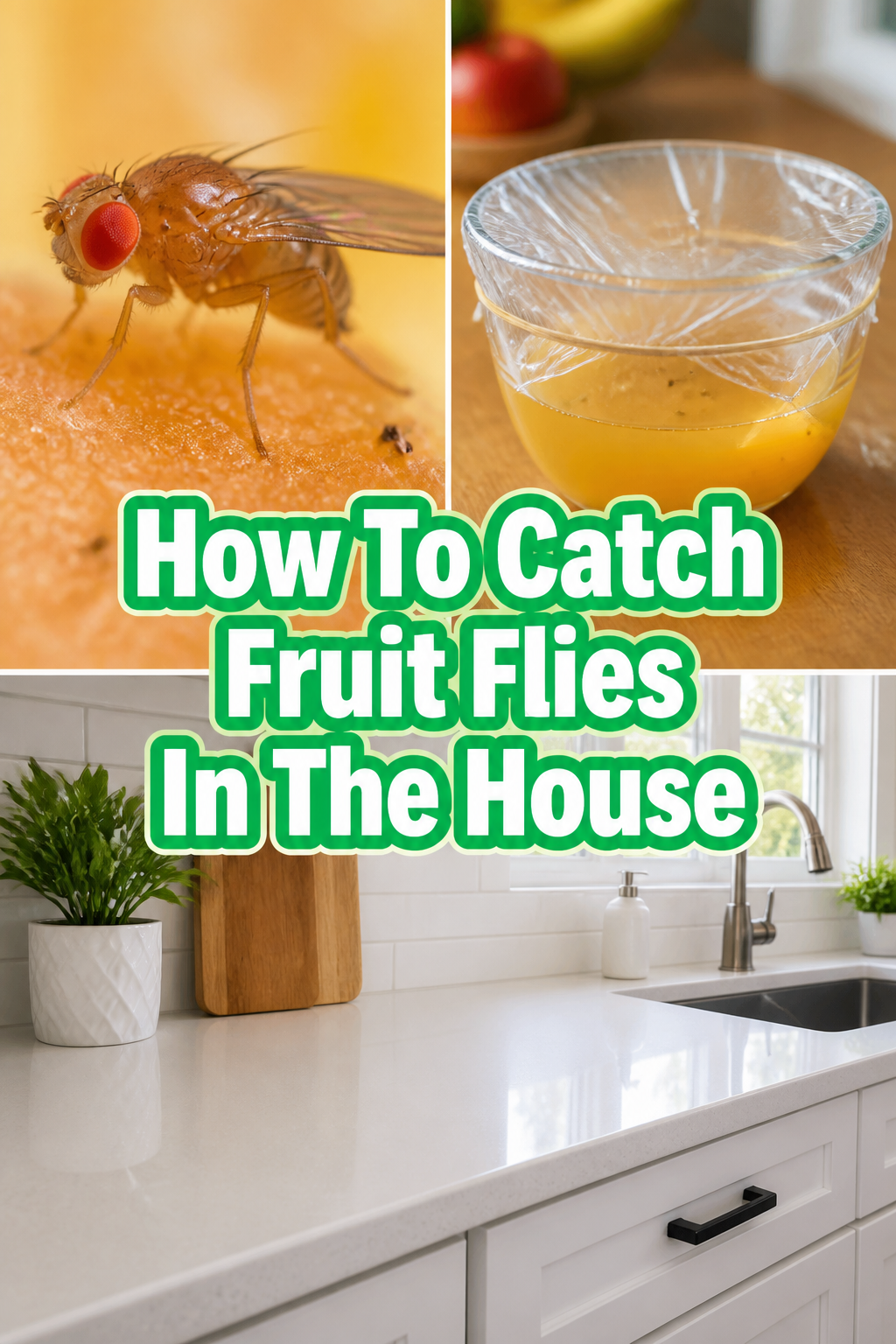
🍎 How To Catch Fruit Flies In The House
There’s nothing quite like walking into a beautifully organized home, only to spot a tiny swarm of fruit flies dancing around your kitchen. It’s truly a buzzkill for your carefully curated space.
I’ve been there, turning a blind eye until one too many landed on my morning coffee. That’s why I’ve refined a gentle, effective approach to reclaim my serene sanctuary.
This guide shares my personal, tried-and-true methods for a clear, calm home.
Quick Overview
This guide will walk you through transforming your home into a fruit-fly-free zone. You’ll learn how to identify their hangouts, set up clever traps, and maintain a pristine environment that keeps them away for good. Imagine enjoying your kitchen again, completely undisturbed.
- Time needed: 1-2 hours for initial setup and cleaning, ongoing maintenance.
- Difficulty: Beginner
- What you’ll need: Apple cider vinegar, dish soap, a small bowl, plastic wrap, ripe fruit or wine, cleaning supplies, a trash can with a lid.
Step-by-Step Instructions
Step 1: Identify Their Hideouts
Begin by playing detective in your own home. Fruit flies are drawn to ripe, fermenting organic matter. Walk through your kitchen, dining area, and even bathrooms with a keen eye.
Look for overripe fruit on counters, forgotten vegetables in the pantry, or even the subtle scent of a half-empty wine glass. These tiny creatures have an uncanny ability to find the smallest food source.
Pro Tip: Check under appliances and behind decorative items. Sometimes a stray piece of food rolls into a hidden corner, becoming a secret fruit fly haven.
Step 2: Eliminate Their Food Source
Remove anything that could be attracting them. This is the most crucial step in breaking their cycle. Place all ripe fruits and vegetables in the refrigerator or a sealed container.
Empty your compost bin and take out the trash immediately. Don’t leave dirty dishes in the sink, even for a short while. A sparkling clean kitchen is the first line of defense.
Step 3: Craft a Charming Vinegar Trap
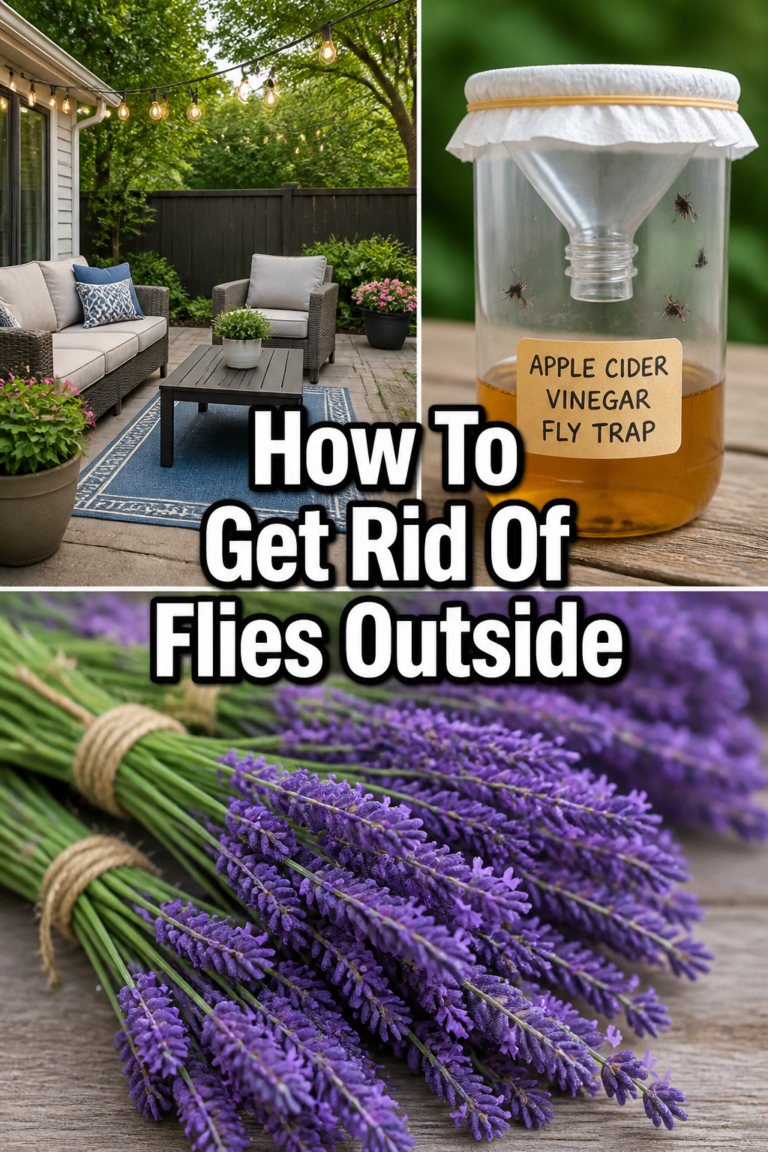
Gather a small, attractive bowl or a mason jar that blends with your kitchen decor. Pour about an inch of apple cider vinegar into it. The sweet, fermented scent is irresistible to fruit flies.
Add a few drops of liquid dish soap to the vinegar. This breaks the surface tension, ensuring that once they land, they can’t escape. It’s a simple yet highly effective trick.
Cover the bowl tightly with plastic wrap. Use a toothpick or a small skewer to poke several tiny holes in the top. The flies can get in, but they’re much less likely to find their way out.
Step 4: Strategically Place Your Traps
Position your homemade traps near the areas where you’ve seen the most fruit fly activity. Think about the flow of your room and place them discreetly, perhaps behind a plant or next to a fruit bowl (that now contains only sealed, fresh produce).
Consider placing a trap in your dining area or even a bathroom if you’ve noticed them there. The goal is to draw them away from your main living spaces.
Pro Tip: If apple cider vinegar isn’t working, try a small amount of old red wine or a piece of very ripe banana in the trap. Different attractants can sometimes yield better results.
Step 5: Daily Kitchen Refresh
Commit to a quick daily clean-up routine. Wipe down all kitchen surfaces, especially after preparing food. A clean countertop not only looks beautiful but also leaves no crumbs for pests.
Rinse out all recyclable containers before placing them in your bin. The sticky residue from soda cans or juice boxes is a prime target for fruit flies.
Step 6: Tackle Your Drains
Address your kitchen and bathroom drains. Fruit flies often breed in the organic matter that accumulates in pipes. Pouring boiling water down the drain can help, but a more thorough cleanse is better.
Mix baking soda with vinegar and pour it down the drain. Let it sit for at least 30 minutes before flushing with hot water. This not only cleans but also disrupts their breeding grounds.
Step 7: Maintain a Tidy Trash Zone
Invest in a trash can with a tight-fitting lid. This simple upgrade can make a huge difference in keeping fruit flies contained and away from your home.
Empty your trash can frequently, especially if it contains food scraps. Don’t let waste sit for days, as it quickly becomes an inviting home for fruit flies.
Step 8: Fresh Air and Circulation
Open windows and doors when the weather permits to improve air circulation. A well-ventilated home is less appealing to fruit flies.
Use fans to create air movement in areas where you’ve noticed them. This can make it harder for them to fly and settle.
Step 9: Monitor and Repeat
Observe your traps daily. You’ll likely see results within a few hours. Change the traps every few days, or as needed, to keep them fresh and effective.
Stay vigilant with your cleaning habits. Consistency is key to long-term fruit fly control and maintaining a beautifully clean home.
Common Mistakes to Avoid
Ignoring the Source
Many people focus solely on setting traps without first removing the fruit flies’ food source. This is like trying to catch rain in a bucket while leaving the window open. You’ll catch some, but the problem will persist. Always prioritize identifying and eliminating what’s attracting them in the first place.
Using Ineffective Traps
Sometimes people use just vinegar without dish soap, or they don’t cover the trap properly. Without the dish soap to break surface tension, fruit flies can often land on the vinegar and fly right back out. An uncovered trap also allows them easy escape, rendering your efforts less effective.
Neglecting Drains and Trash
Thinking fruit flies only come from fruit is a common misconception. Your sink drains, garbage disposal, and trash cans are often prime breeding spots. If you’re consistently cleaning surfaces but still seeing flies, these hidden areas are almost certainly the culprit. A thorough clean here is essential.
Giving Up Too Soon
Fruit fly infestations can take a few days to fully resolve, especially since their life cycle is quite short, meaning new ones hatch quickly. Don’t get discouraged if you don’t see immediate, complete eradication. Persistence with your traps and cleaning routine is vital for success.
Troubleshooting
Flies Aren’t Going into the Trap
If your fruit flies seem uninterested in your trap, it’s possible there’s a more appealing food source nearby that you haven’t found yet. Double-check all corners, under appliances, and in forgotten bags. Ensure your trap’s attractant is fresh; sometimes the scent fades.
Try a different attractant. While apple cider vinegar is popular, some fruit flies prefer old wine, a piece of overripe banana, or even balsamic vinegar. Experiment until you find what works for your particular visitors.
Still Seeing Flies After Days
If the problem persists, it usually means you haven’t fully eliminated their breeding grounds. Re-examine your drains, garbage disposal, and recycling bins. Look for hidden spills or forgotten food items in unusual places, like a plant saucer or a pet food bowl.
Remember, fruit flies have a rapid life cycle. Even if you’ve eliminated the adults, eggs might still be hatching. Keep your traps fresh and your cleaning routine consistent for at least a week to catch any newly emerged flies.
Flies Are in Other Rooms
If fruit flies have spread beyond the kitchen, it indicates they’ve found food sources elsewhere. Check bathrooms for damp towels or neglected cleaning supplies. Look in living areas for forgotten drinks or crumbs under furniture.
Place smaller, discreet traps in these secondary locations. Continue your vigilant cleaning across the entire house, not just the kitchen, until all areas are clear.
Key Takeaways
- Eliminate the Source First: Always remove ripe fruit, dirty dishes, and trash before setting traps.
- Craft Effective Traps: Use apple cider vinegar with dish soap and plastic wrap with small holes for best results.
- Clean Consistently: Daily wiping of surfaces, emptying trash, and cleaning drains prevents future infestations.
- Be Patient and Persistent: Fruit fly control takes time and ongoing effort due to their rapid life cycle.
- Extend Your Search: Check drains, recycling, and hidden corners beyond the obvious fruit bowl.
- Maintain a Cozy Home: A clean, well-ventilated space naturally discourages pests and enhances your living environment.
Frequently Asked Questions
Are fruit flies harmful?
Fruit flies are generally not considered harmful to humans or pets. They don’t bite or carry diseases in the same way mosquitoes or ticks do. They are mostly a nuisance, but they can contaminate food surfaces.
How quickly do fruit flies multiply?
Fruit flies have an incredibly fast life cycle. From egg to adult, it can take as little as 8 to 10 days. A female fruit fly can lay up to 500 eggs in her lifetime, which is why infestations can seem to appear overnight.
Can fruit flies come from outside?
Yes, fruit flies can easily enter your home from outside through open windows, doors, or even tiny cracks. They are excellent at detecting the scent of fermenting fruit from a distance and will make their way inside if an attractive food source is present.
What if I don’t have apple cider vinegar?
If you don’t have apple cider vinegar, you can try other fermented liquids. Red wine, balsamic vinegar, or even beer can work as attractants. A piece of very ripe or slightly rotting fruit placed in a bowl with plastic wrap and dish soap can also be effective.
Our Top Recommended Finds
- Stylish Compost Bin: A countertop compost bin with a charcoal filter keeps food scraps contained and odors sealed away, blending beautifully with your kitchen aesthetic.
- Decorative Fruit Bowl with Cover: Choose a fruit bowl that comes with a breathable mesh cover to protect your fresh produce from flies while still allowing air circulation.
- Drain Cleaning Brush Kit: A set of flexible brushes specifically designed for cleaning drains can help remove stubborn organic buildup, ensuring no hidden breeding grounds.
Embrace a Serene, Fly-Free Home
Taking control of a fruit fly problem isn’t just about pest management; it’s about nurturing the peace and beauty of your home. Each step you take towards a cleaner, more organized space contributes to a calmer, more inviting atmosphere.
Imagine enjoying your morning coffee on a clear counter, or hosting friends without those tiny, unwelcome guests. It’s a small change with a big impact on your daily comfort and overall well-being.
So, why wait? Start your journey to a fruit-fly-free sanctuary today. Your home deserves that fresh, clean feeling.