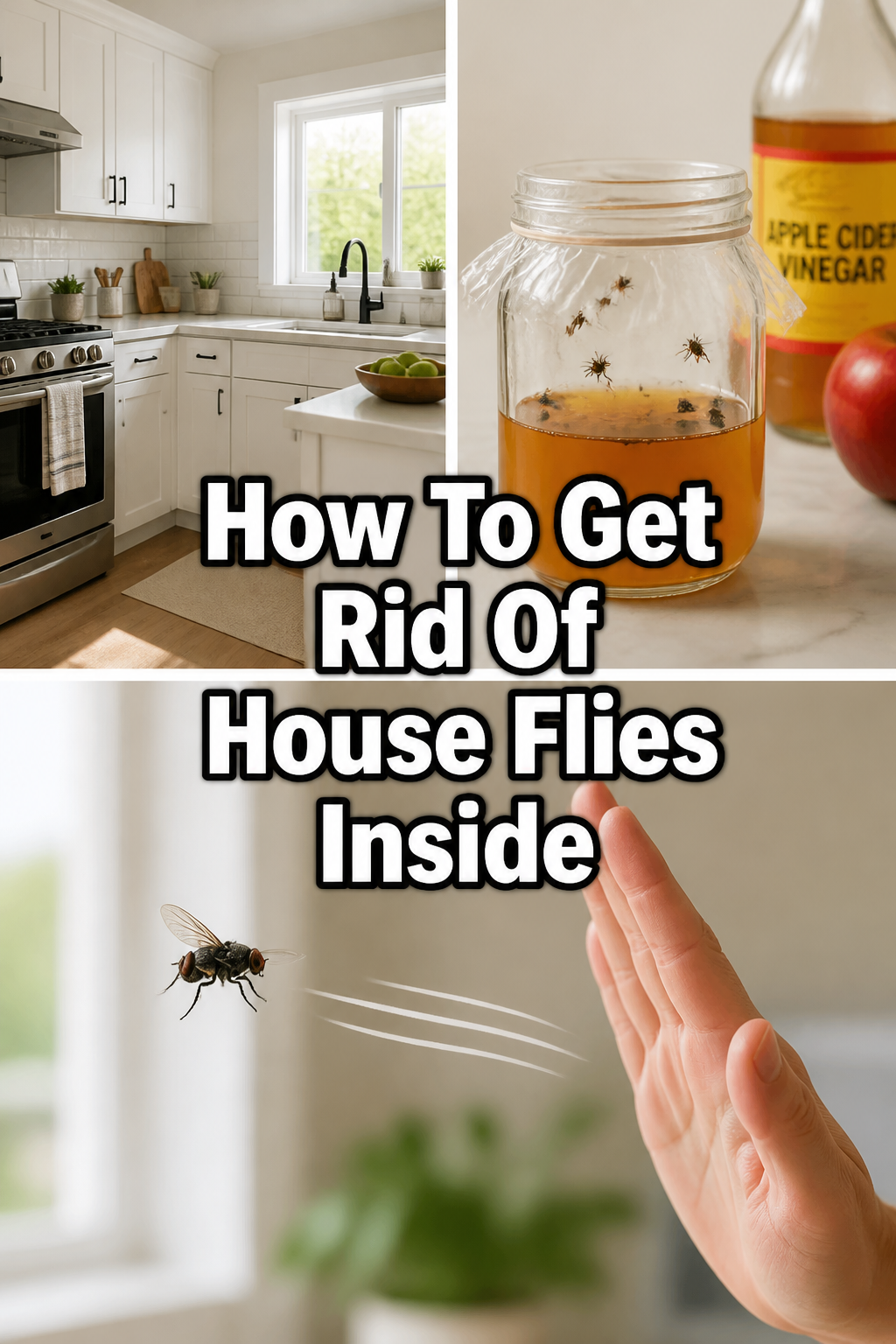
🏡 How To Get Rid Of House Flies Inside
There’s nothing quite like settling into your favorite armchair, a warm mug in hand, only to have a buzzing house fly disrupt your peace.
It can truly break the serene bubble of your beautifully curated home.
I’ve been there, admiring a freshly fluffed throw pillow, only to spot an unwelcome winged guest, and through experience, I’ve learned the gentle yet effective ways to reclaim my peaceful sanctuary.
Quick Overview
This guide will walk you through transforming your home into a fly-free zone, preserving its cozy charm without harsh chemicals or unsightly solutions. You’ll learn how to identify entry points, employ natural deterrents, and maintain a pristine environment that flies simply won’t find appealing.
- Time needed: Initial setup 1-2 hours; ongoing maintenance 15-30 minutes weekly.
- Difficulty: Beginner
- What you’ll need: Cleaning supplies, fine mesh screens, essential oils, apple cider vinegar, fruit, small bowls, perhaps a decorative fly trap.
Step-by-Step Instructions
Step 1: Identify and Seal Entry Points
Your first mission is to understand how flies are entering your peaceful abode. They often sneak in through tiny cracks or gaps you might not even notice.
Inspect all windows and door frames meticulously. Look for any tears in screens, gaps under doors, or small openings around utility pipes.
Repair these vulnerabilities immediately. Use screen repair kits for small holes, apply weather stripping under doors, and seal any cracks with caulk. This creates a much more secure and energy-efficient home too.
Pro Tip: Consider installing fine mesh screens on windows and doors you frequently open. They are nearly invisible and provide excellent protection without compromising your home’s aesthetic or airflow.
Step 2: Master the Art of Impeccable Cleanliness
Flies are drawn to food sources and moisture, making a tidy home their least favorite destination. This step is about making your space utterly unappealing to them.
Wipe down all kitchen surfaces, dining tables, and counters immediately after use. Crumbs and spills are magnets for flies, even tiny ones.
Empty trash cans frequently, especially those in the kitchen and bathrooms. Use bins with tight-fitting lids to contain odors and prevent access.
Rinse recyclable containers thoroughly before placing them in the recycling bin. Sugary residues are particularly attractive to flies.
Clean up pet food and water bowls after your furry friends have finished eating. Don’t leave pet food sitting out all day.
Pro Tip: Incorporate cleaning into your daily routine. A quick 15-minute tidy-up each evening can make a huge difference, keeping your home consistently fresh and fly-free. This also maintains that lovely, clean aesthetic you cherish.
Step 3: Manage Your Produce with Care
Fresh fruits and vegetables are wonderful for healthy living, but they can also inadvertently invite flies if not stored correctly. Their natural sugars and ripening process are very appealing.
Store ripe fruit in the refrigerator. Bananas, tomatoes, and some other items can be left out, but keep a close eye on their ripeness.
Use fruit bowls with covers or place produce under a mesh food tent. This allows for beautiful display while keeping flies away.
Compost fruit and vegetable scraps promptly. If you have an indoor compost bin, ensure it has a very secure lid and empty it often.
Step 4: Create Natural Fly Deterrents
Instead of harsh chemicals, embrace natural scents that flies dislike but we find pleasant. This adds to the cozy ambiance of your home.
Diffuse essential oils like peppermint, lavender, eucalyptus, or citronella. Flies detest these aromas, and they make your home smell wonderful.
Place bowls of cloves or bay leaves in areas where flies tend to gather. These natural herbs release scents that act as gentle deterrents.
Grow fly-repelling plants. Basil, mint, and lavender plants on windowsills or near entryways can help keep flies from entering.
Step 5: Set Up Gentle Traps
For any persistent stragglers, a simple, non-toxic trap can be incredibly effective. These can be discreetly placed and don’t detract from your decor.
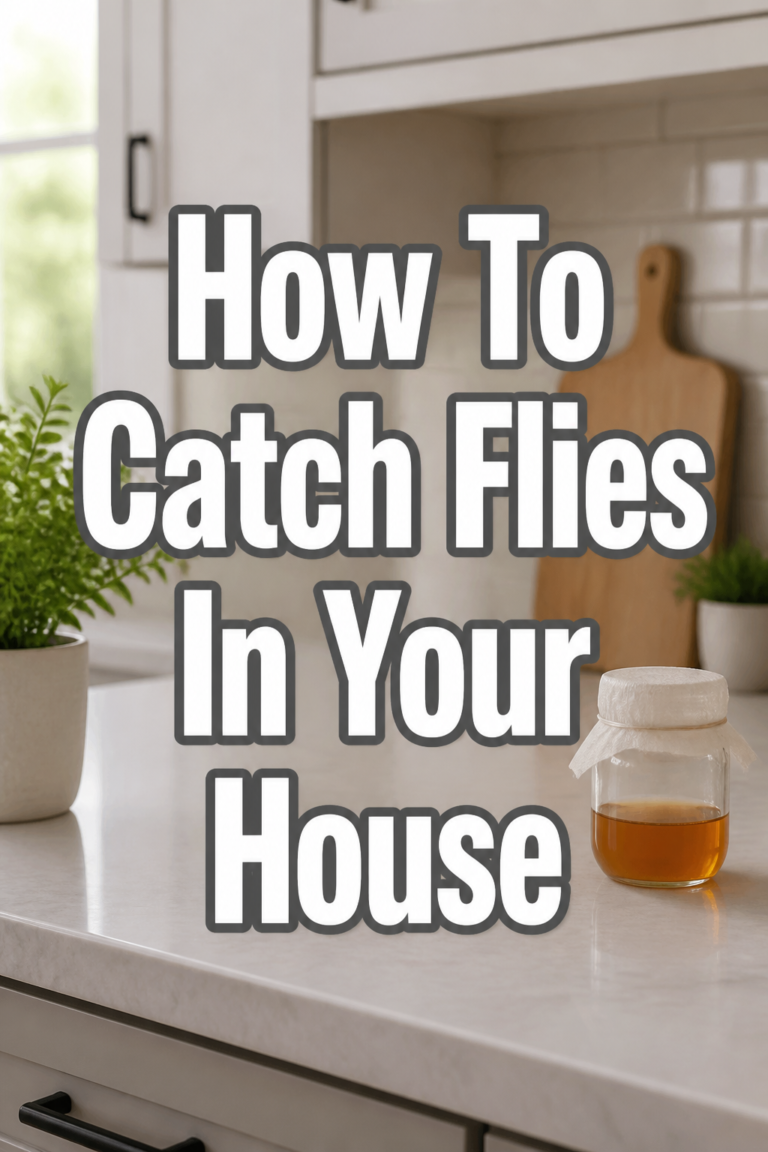
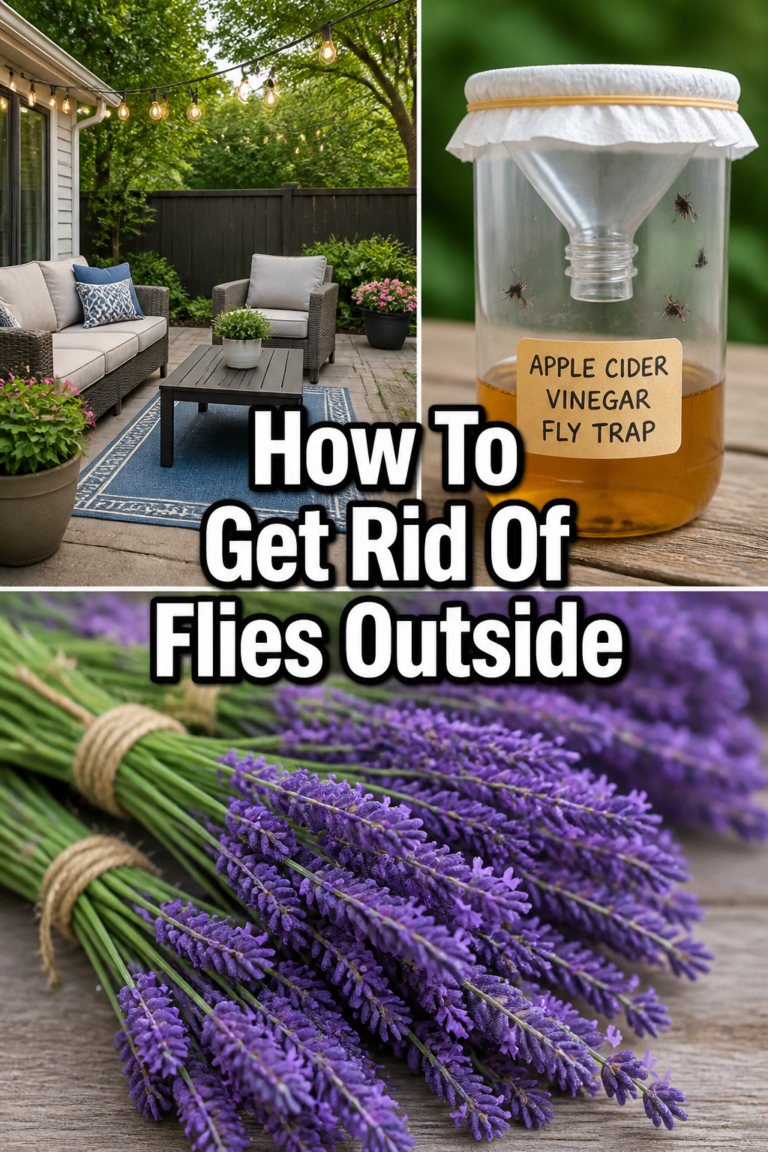
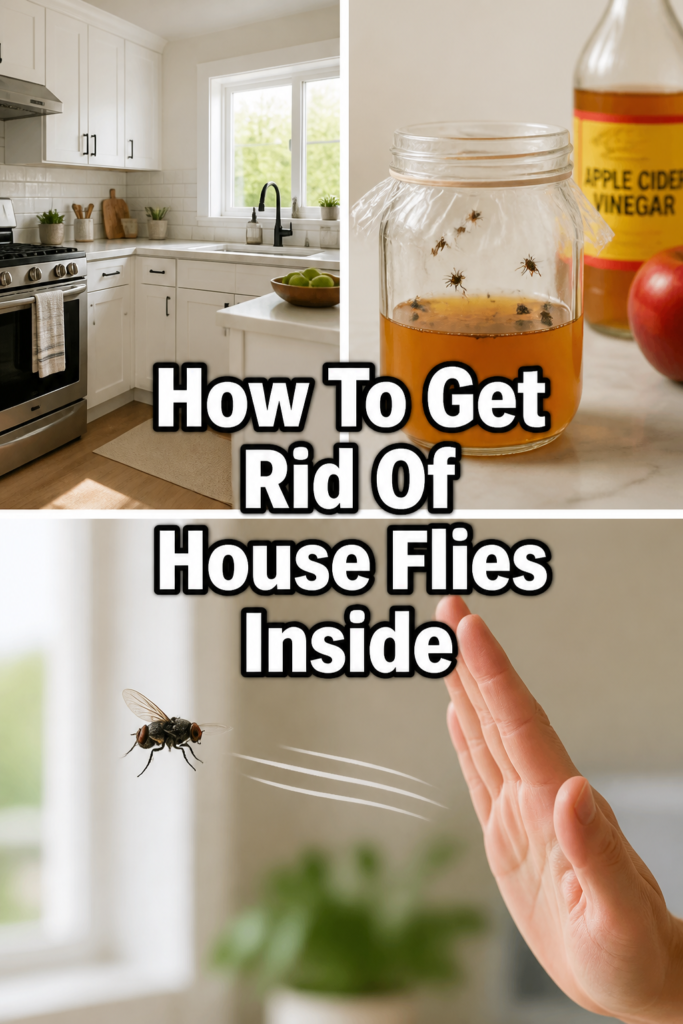
Create an apple cider vinegar trap. Pour a small amount of apple cider vinegar into a shallow bowl, add a drop of dish soap, and cover tightly with plastic wrap.
Poke a few small holes in the plastic wrap. Flies will be attracted to the vinegar, enter through the holes, and get trapped by the soap.
Place these traps in discreet corners of your kitchen or dining area. You can even find decorative bowls that blend seamlessly with your interior design.
Step 6: Maintain a Dry and Drain-Clean Environment
Flies, especially drain flies, love moisture and organic matter found in drains. Keeping these areas clean is crucial for a fly-free home.
Address any standing water promptly. Fix leaky faucets and ensure sinks and bathtubs are dry after use.
Pour boiling water down your drains weekly. This helps to dislodge and kill any eggs or larvae that might be breeding there.
Clean garbage disposals regularly with ice, salt, and lemon peels. This keeps them fresh and free of fly-attracting residue.
Pro Tip: Consider using natural drain cleaners made from enzymes. They break down organic matter without harsh chemicals, keeping your pipes clear and your home smelling fresh.
Step 7: Outdoor Maintenance Matters
What happens outside your home directly impacts what happens inside. A little outdoor care can significantly reduce indoor fly issues.
Ensure your outdoor trash cans have tight-fitting lids and are placed away from entry points. Wash them out periodically.
Clean up any pet waste in your yard immediately. This is a prime breeding ground for flies.
Remove standing water from bird baths, old tires, or clogged gutters. Mosquitoes aren’t the only pests attracted to stagnant water.
Step 8: Consider Light and Airflow
Flies are often drawn to light and warmth. Adjusting how you manage these elements can help deter them.
Keep curtains or blinds drawn during the hottest parts of the day if you’re not using windows for ventilation. This reduces light attraction.
Use ceiling fans or standing fans. Flies struggle to fly in turbulent air, making your living spaces less appealing to them.
Ensure good ventilation throughout your home. Fresh, circulating air is less appealing to flies than stagnant, warm air.
Common Mistakes to Avoid
Ignoring the Root Cause
Many people focus solely on killing existing flies without addressing why they are there in the first place. This leads to a never-ending battle. Instead, identify and eliminate breeding sites and entry points to truly solve the problem.
Over-reliance on Chemical Sprays
While chemical sprays offer a quick fix, they introduce harsh substances into your home environment. They can be harmful to pets, children, and even compromise your cozy air quality. Prioritize natural methods and preventative measures for a healthier home.
Inconsistent Cleaning Habits
A sporadic cleaning schedule won’t keep flies away. They thrive on consistency in available food sources. Maintaining a regular, diligent cleaning routine is far more effective than occasional deep cleans.
Leaving Doors and Windows Unscreened
It’s wonderful to let fresh air in, but doing so without proper screens is an open invitation for flies. Always ensure screens are intact and properly sealed before opening windows or doors, especially in warmer months.
Troubleshooting
Flies Still Appearing Despite Best Efforts
If flies persist, it’s time for a deeper investigation. Check less obvious places like forgotten fruit in the back of a cupboard, a rotting potato in a forgotten corner, or a small leak under a sink. Sometimes, a dead animal in a wall or attic can also attract flies, requiring professional help.
Drain Flies are the Main Culprit
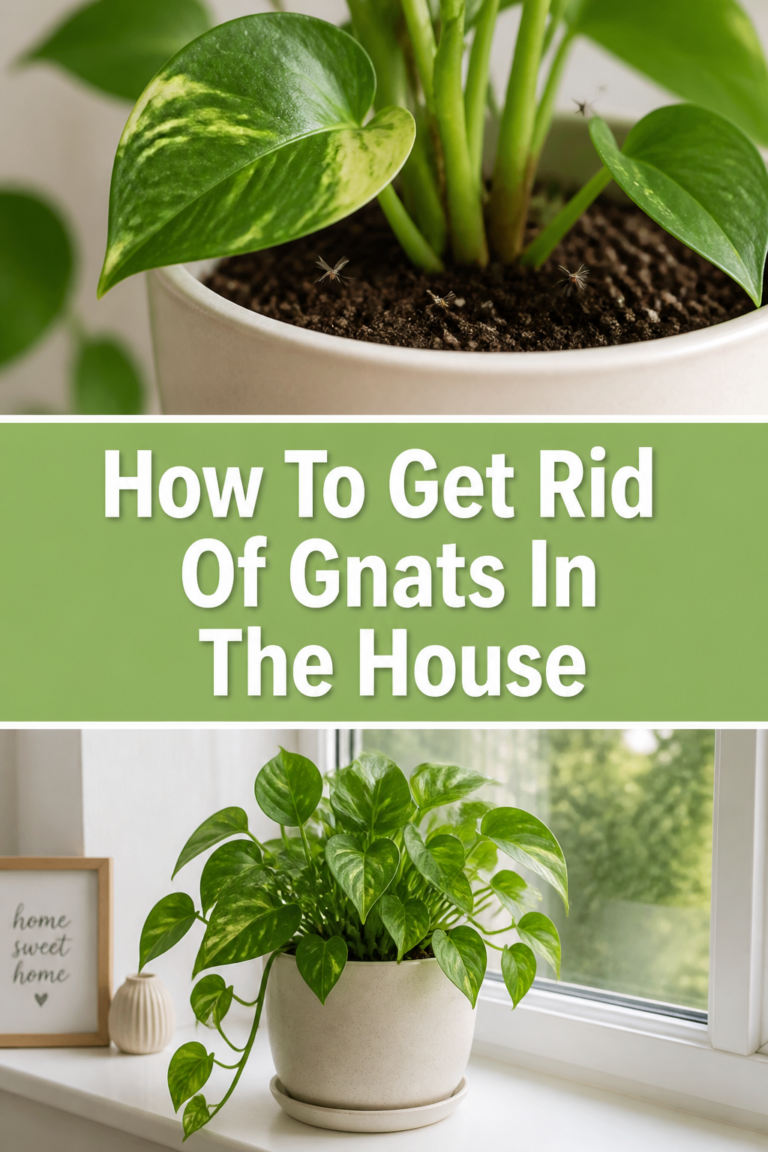
Drain flies indicate a buildup of organic matter in your pipes. Beyond boiling water, consider using a stiff-bristled brush to manually scrub the inside of your drain pipes as far as you can reach. Follow up with an enzyme-based drain cleaner for a thorough cleanse.
Flies are Coming from a Specific Room
If one room is a hotspot, focus your efforts there. Is there a specific plant attracting them? A hidden pet mess? Or perhaps a window screen with a tiny, overlooked tear? Isolate the problem area and apply the steps from this guide with extra diligence.
Key Takeaways
- Prevention is paramount: Sealing entry points and maintaining impeccable cleanliness are your first lines of defense.
- Natural deterrence works: Essential oils and specific plants create an unwelcoming environment for flies without harsh chemicals.
- Consistent habits matter: Regular cleaning and proper food storage are more effective than sporadic efforts.
- Address moisture: Keep drains clean and dry to prevent breeding grounds for various types of flies.
- Outdoor care is crucial: What happens outside your home directly impacts your indoor fly situation.
Frequently Asked Questions
Are house flies dangerous?
While generally not dangerous in the way a mosquito or tick might be, house flies can carry and transmit bacteria and pathogens from surfaces they land on to your food and living spaces. It’s best to minimize their presence for hygiene reasons.
How long do house flies live?
An adult house fly typically lives for about 15 to 30 days. However, during this short lifespan, a single female can lay hundreds of eggs, which is why prevention and quick action are so important.
Can flies lay eggs indoors?
Absolutely. Flies are notorious for laying eggs in decomposing organic matter, which can be found in uncovered trash, pet waste, rotting food, or even clogged drains. This is why thorough cleanliness is so vital.
What scents do flies hate the most?
Flies generally dislike strong, fresh scents like peppermint, lavender, eucalyptus, citronella, and basil. Harnessing these aromas through essential oils or live plants can be a pleasant way to deter them.
Our Top Recommended Finds
- Fine Mesh Window Screens: Invest in high-quality, almost invisible screens that allow fresh air in but keep even the smallest pests out.
- Decorative Essential Oil Diffuser: Choose a stylish diffuser that blends with your home decor, allowing you to disperse fly-repelling scents beautifully.
- Airtight Compost Bin: If you compost indoors, a bin with a super tight seal is essential to prevent odors and fly attraction.
Embrace Your Serene, Fly-Free Home Today!
Imagine your home, a haven of calm and beauty, completely free from the irritating buzz of flies. It’s not just a dream; it’s an achievable reality with these practical steps.
By integrating these simple, gentle habits into your routine, you’re not just getting rid of flies; you’re enhancing the overall tranquility and cleanliness of your living space.
Why not start today? Pick one step, perhaps tidying your kitchen or sealing a small gap, and begin your journey to a perfectly serene home. Your cozy sanctuary awaits!