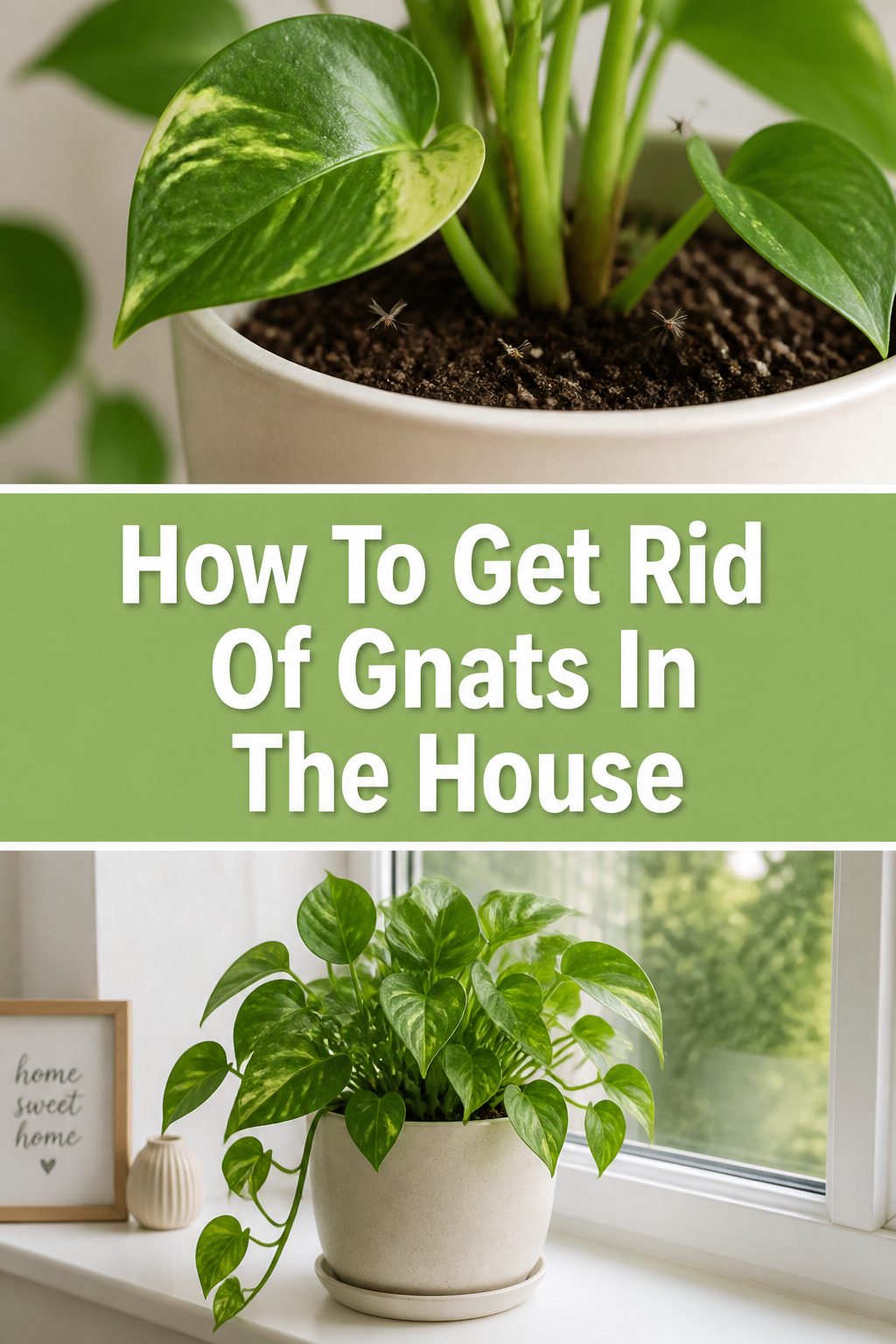
🌿 How To Get Rid Of Gnats In The House
There is nothing quite like the feeling of a quiet afternoon in a sun-drenched living room, surrounded by your favorite indoor jungle.
I remember the first time a tiny, flickering cloud of gnats interrupted my morning coffee, turning my peaceful sanctuary into a source of frustration.
After years of refining my home care routine, I have discovered that keeping these tiny intruders away is actually about creating a more balanced, beautiful environment.
Quick Overview
This guide will help you reclaim your space and turn your home back into the cozy, pest-free retreat you deserve.
- Time needed: 24 to 48 hours for initial results; 1 week for full removal.
- Difficulty: Beginner
- What you’ll need: Apple cider vinegar, liquid dish soap, small decorative bowls, fine-grit sand or pebbles, and microfiber cloths.
Step-by-Step Instructions
Step 1: Identify the Source and Breeding Grounds
Before you start setting traps, you need to understand where these little guests are coming from.
Gnats are usually attracted to moisture and organic matter, which means they are likely hovering around your potted plants or your kitchen sink.
Take a slow walk through each room and look for areas where dampness might be lingering longer than it should.
Check your beautiful indoor planters first, as overwatered soil is the most common nursery for fungus gnats.
Inspect your fruit bowls and vegetable baskets to ensure no overripe produce is hiding at the bottom of a ceramic dish.
Pro Tip: Gently tap the side of your plant pots; if a cloud of tiny flies emerges, you have found your primary source.
Step 2: Craft an Aesthetic Vinegar Trap
You do not need ugly, yellow sticky tape hanging from your ceiling to solve this problem.
Select a few of your favorite small ceramic ramekins or vintage glass jars that match your kitchen or living room decor.
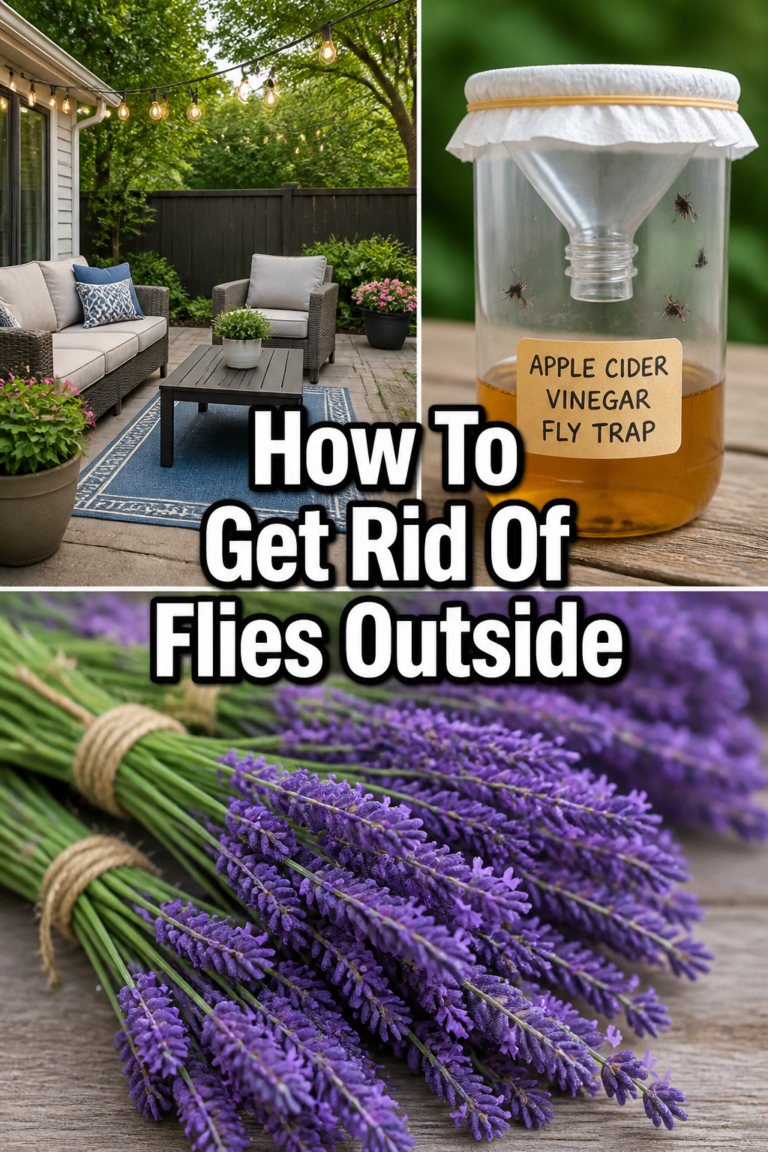
Fill the container halfway with organic apple cider vinegar, which mimics the scent of fermenting fruit.
Add two drops of liquid dish soap to the surface to break the surface tension, ensuring the gnats cannot fly away once they land.
Place these small vessels discreetly behind your plant pots or near the back of your kitchen counters where they can work their magic without being an eyesore.
Step 3: Refresh Your Houseplant Styling
Fungus gnats love the top inch of moist soil, so the goal is to make that area inhospitable while keeping your plants looking stunning.
Apply a half-inch layer of fine white sand or decorative polished pebbles over the top of the soil in every pot.
This creates a physical barrier that prevents adult gnats from laying eggs and stops new larvae from emerging.
Incorporate this as a design element by choosing stones that complement the color palette of your room.
Transition to bottom-watering your plants by placing them in a shallow tray of water for twenty minutes, keeping the top layer of soil dry and gnat-free.
Pro Tip: Using light-colored sand can actually reflect more light up into the foliage, helping your plants grow while deterring pests.
Step 4: Deep Clean Your Drains Naturally
Drains can accumulate a layer of organic film that serves as a perfect hiding spot for “drain flies” or gnats.
Boil a kettle of water and carefully pour it down your kitchen and bathroom sinks to loosen any buildup.
Follow this with a mixture of half a cup of baking soda and one cup of white vinegar for a satisfying, deep-cleaning fizz.
Rinse again with hot water after ten minutes to ensure the pipes are clear and fresh.
This simple ritual keeps your plumbing clear and removes the scents that attract pests into your home.
Step 5: Curate Your Fruit and Produce Displays
A bowl of fresh lemons or apples is a classic kitchen staple, but it can also be an invitation for gnats.
Store softer fruits like peaches, bananas, and berries in the refrigerator during the warmer months when gnats are most active.
Utilize stylish mesh food domes or cloches if you prefer to keep your fruit on the counter for visual appeal.
Wipe down the inside of your fruit bowls daily to remove any sugary residue that might have dripped from a ripe pear or orange.
Step 6: Manage Humidity with Style
Gnats thrive in stagnant, humid air, so improving the circulation in your home is a key preventative measure.
Position a sleek, modern floor fan or a ceiling fan to keep air moving in rooms with many plants.
Open your windows during the golden hour to let in a fresh breeze and reduce the moisture levels in the air.
Invest in a high-quality dehumidifier for your basement or laundry room if those areas feel particularly damp or heavy.
A well-ventilated home feels lighter, smells better, and is far less attractive to tiny flying insects.
Step 7: Perfect Your Trash Management
The scent of a trash can is a beacon for gnats, especially if it contains food scraps.
Choose a trash bin with a tight-fitting lid and a hands-free pedal to keep odors contained and access restricted.
Line the bottom of your bin with a few drops of peppermint or eucalyptus essential oil on a cotton ball to act as a natural repellent.
Empty your kitchen waste every evening to ensure no organic material sits overnight while you are sleeping.
Pro Tip: If you compost, use a specialized countertop bin with a carbon filter to keep the process odorless and gnat-proof.
Common Mistakes to Avoid
Overwatering Your Indoor Garden
The most frequent error is keeping the soil of your houseplants constantly saturated.
Most plants prefer to dry out slightly between waterings, and a dry surface is the best defense against gnat larvae.
Check the soil moisture with your finger before reaching for the watering can to ensure you aren’t creating a swampy habitat.
Leaving Damp Cloths in the Sink
A wet dishcloth or sponge left in a heap is a hidden paradise for gnats and bacteria.
Always wring out your cloths and hang them over a small drying rack or the edge of the sink to dry completely.
This small habit keeps your kitchen smelling fresh and removes a primary moisture source for pests.
Using Only One Trap Location
Gnats are small and do not travel far from their chosen home base, so placing a single trap in the kitchen might not help the living room.
You must address every room where you have seen activity simultaneously to break the breeding cycle.
Consistency across the entire house is the only way to ensure they do not just migrate from one room to another.
Troubleshooting
The Gnats Are Still There After One Week
If you have set traps and dried out your plants but still see flies, you likely have a hidden moisture source.
Check under your sinks for slow leaks or look behind furniture for any damp spots on the walls or floor.
Sometimes a forgotten bag of potatoes in a dark pantry can be the secret headquarters for a persistent infestation.
Traps Are Not Catching Anything
If your vinegar traps are empty but gnats are still flying, they may not be attracted to the scent of your specific bait.
Try swapping the apple cider vinegar for a small piece of mashed banana or a splash of red wine.
Different species of gnats and fruit flies have slightly different preferences, so a little experimentation goes a long way.
Key Takeaways
- Identify the source by checking damp soil and kitchen drains first.
- Use decorative vinegar traps to catch adult gnats without ruining your room’s aesthetic.
- Top-dress your houseplants with sand or pebbles to stop the breeding cycle in the soil.
- Maintain kitchen hygiene by storing fruit properly and emptying the trash nightly.
- Improve air circulation and reduce humidity to make your home less inviting to insects.
- Be patient and consistent, as it takes about a week to fully disrupt their life cycle.
Frequently Asked Questions
Are gnats the same thing as fruit flies?
While they look similar, fungus gnats are usually found around soil and have longer legs, while fruit flies are attracted to sugar and overripe produce. Both can be managed with vinegar traps, but gnats require more attention to your houseplant care routine. Knowing which one you have helps you target the right area of your home.
Will these methods harm my pets or children?
The natural methods described here, such as vinegar traps and sand barriers, are generally very safe for a busy household. Avoid using chemical sprays or toxic baits that could be accidentally touched or inhaled. Always ensure that any essential oils you use for scent are safe for the specific types of pets you have in your home.
Can I use cinnamon to get rid of gnats in plants?
Cinnamon is a natural fungicide and can help kill the fungus that gnat larvae feed on in the soil. Sprinkling a light layer of Ceylon cinnamon on the surface of your potting mix can be a helpful addition to your sand barrier. It also adds a warm, spicy scent to your room that makes your home feel even more inviting.
Do I need to throw away my plants if they have gnats?
Absolutely not, as most gnat infestations are easily treatable with a change in watering habits. Your plants are valuable parts of your home decor and only need a little help to return to health. By drying out the soil and using the steps above, you can save your greenery and keep your home beautiful.
Our Top Recommended Finds
- Ceramic Ramekin Set: These are perfect for creating discreet and stylish vinegar traps that blend into your kitchen or shelving.
- Decorative Horticultural Sand: A bag of fine white or tan sand provides a clean, minimalist look for your plants while blocking pests.
- Stainless Steel Compost Bin: Look for one with a charcoal filter to manage food scraps without attracting any unwanted flying visitors.
Embracing A Fresh And Airy Home
Taking care of a gnat problem is more than just a chore; it is an opportunity to refine your home’s atmosphere.
As you clear out the clutter and balance the moisture in your space, you will notice the air feels lighter and your plants look more vibrant.
Take a moment today to check your favorite green corner and set a few traps if needed.
Once the gnats are gone, you can get back to enjoying the simple beauty of your well-curated home without any distractions.
Consider looking into how to style your shelving or organize your pantry next to keep that feeling of clarity moving through every room.