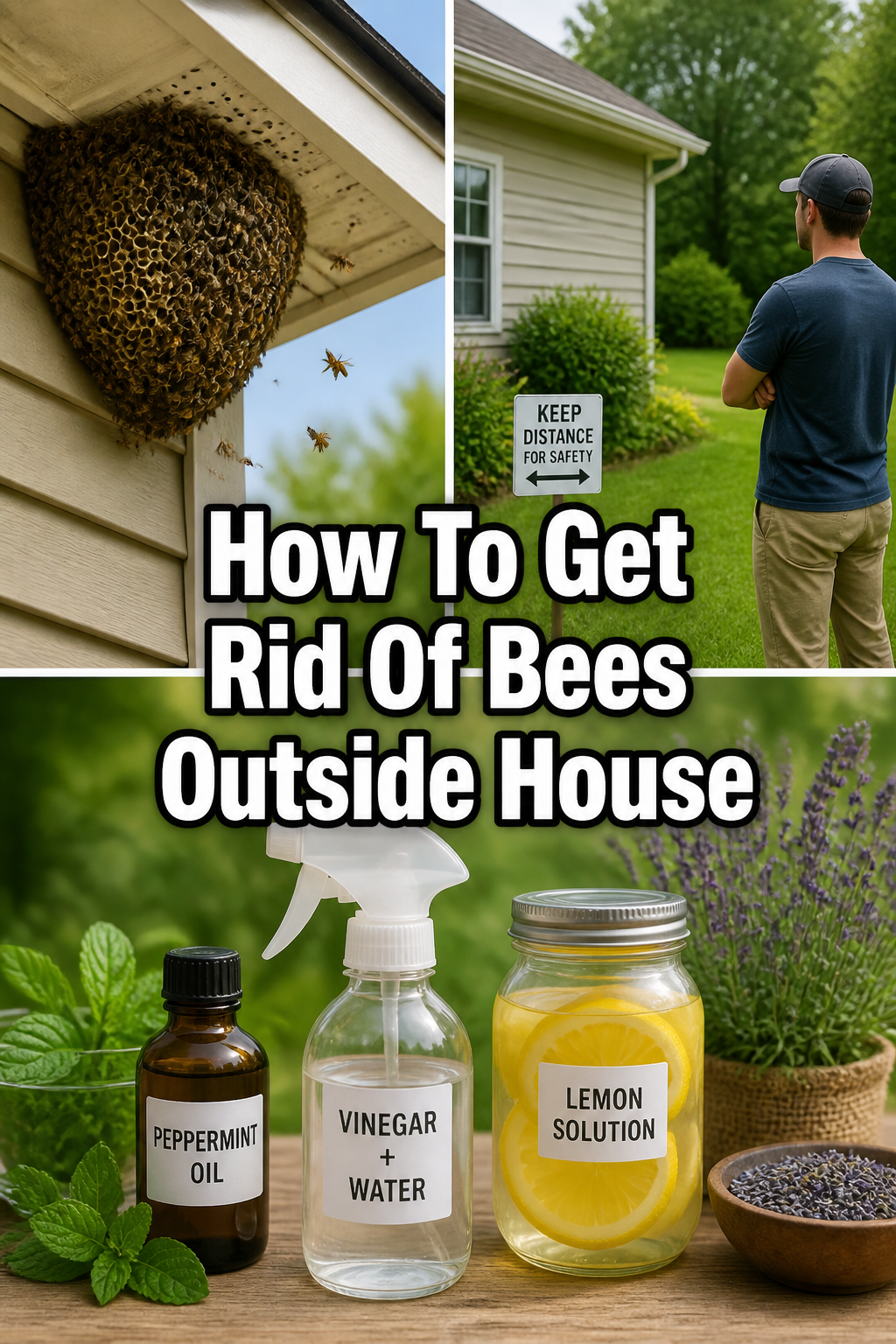
🐝 How To Get Rid Of Bees Outside House
There’s nothing quite like the feeling of a serene home, where every corner, indoors and out, reflects peace and comfort. I’ve always believed that a truly beautiful living space extends beyond the walls, embracing the garden and porch as vital parts of your personal sanctuary. Sometimes, though, nature brings unexpected guests that disrupt this harmony.
I once spent weeks perfecting a cozy reading nook on my patio, only to find a bustling bee nest forming right above it, turning my peaceful haven into a no-go zone. This experience taught me the delicate balance of appreciating nature while also safeguarding our personal comfort and the aesthetic integrity of our homes. This guide shares the practical steps and thoughtful considerations I’ve learned, helping you reclaim your tranquil outdoor spaces with grace and effectiveness.
Quick Overview
This guide will walk you through thoughtfully identifying and managing bee activity around your home, ensuring your outdoor spaces remain as inviting and beautiful as your interiors. You’ll learn how to approach the situation with care, making informed decisions that protect your home’s aesthetic and your family’s peace of mind.
- Time needed: Varies greatly, from a few hours for observation to several days or weeks for professional removal.
- Difficulty: Intermediate (requires careful observation and sometimes professional help).
- What you’ll need: Binoculars, protective clothing, sealants, natural deterrents, a phone for professional contact.
Step-by-Step Instructions
Step 1: Observe and Identify Your Buzzing Visitors
Before any action, understanding your bees is crucial. Different types of bees require different approaches, and some are protected. Take a moment to simply watch them from a safe distance, perhaps with a pair of binoculars.
Notice their size, color, and how they fly. Are they large and fuzzy like bumblebees, or smaller and more slender like honeybees? This initial observation helps you determine if you’re dealing with a gentle pollinator or something more aggressive.
Observe where they are congregating. Are they entering a small hole in your wall, buzzing around a specific flowering bush, or building a visible nest under an eave? Knowing their habits helps pinpoint the source of the issue.
Step 2: Determine the Type of Bee
Once you’ve observed, try to identify the specific type of bee. Honeybees, bumblebees, carpenter bees, and wasps (often mistaken for bees) all behave differently and require unique handling. A quick online search with your observations can usually narrow it down.
Honeybees are vital pollinators and often live in large colonies. They are typically golden-brown with black stripes and store honey. Bumblebees are large, fuzzy, and usually nest in the ground or in dense vegetation.
Carpenter bees bore perfectly round holes into wood, creating tunnels. Wasps, like yellow jackets or hornets, are often more aggressive, have smoother bodies, and build papery nests or underground colonies. This distinction is key to your next steps.
Pro Tip: If you suspect honeybees, your priority should always be safe removal by a beekeeper. These precious pollinators deserve a new home, not extermination, preserving the natural beauty of our world.
Step 3: Assess the Threat Level and Location
Consider how close the bee activity is to your living spaces. A nest high up in a tree, far from your patio or doors, might pose less of an immediate threat than one right next to your front door or children’s play area. The perceived threat can influence your urgency.
Think about your family members. Are there young children, elderly individuals, or anyone with severe bee allergies in your home? Their safety is paramount and should guide your decisions. Proximity to high-traffic areas like entryways, windows, or outdoor dining spots increases the need for prompt action.
Step 4: Consider Natural Deterrents for Mild Cases
For less aggressive bees or smaller populations, gentle deterrence can be a wonderful first step. Many plants emit scents that bees dislike but are lovely for humans, adding to your home’s sensory appeal. Plant peppermint, citronella, or eucalyptus around your patio or near entry points.
You can also use essential oil diffusers with these scents in outdoor areas. The goal here is to gently encourage them to find a more suitable home away from your personal spaces, without causing harm. This subtle approach helps maintain the peaceful aesthetic of your garden.
Set up false nests made from paper bags. Bees are territorial and might avoid building a nest near what they perceive as another colony’s territory. This clever trick adds an interesting, albeit temporary, visual element to your outdoor decor.
Step 5: Seal Entry Points and Repair Structural Gaps
Bees are often drawn to existing cracks and crevices in your home’s exterior. These small openings offer perfect nesting spots, disrupting the clean lines and structural integrity you work so hard to maintain. Take a walk around your house with a keen eye for detail.
Look for gaps around window frames, door jambs, utility pipes, and vents. Even tiny holes can be an invitation for carpenter bees or other insects. Sealing these up isn’t just about pest control; it’s about preserving the meticulous care you put into your home’s exterior.
Use caulk, wood filler, or appropriate sealants to close off these potential entry points. This maintenance task contributes to your home’s overall beauty and longevity, creating a seamless, protected facade that keeps unwanted guests out.
Step 6: Eliminate Attractive Food Sources
Bees are always on the lookout for food and water. A messy outdoor space, while charming in its own way, can inadvertently become a bee magnet. Keep your outdoor dining areas pristine and free of sweet temptations.
Promptly clean up any spilled drinks, food scraps, or fallen fruit from trees. Ensure your garbage cans are tightly sealed and regularly emptied. Even pet food left outside can attract them.
Consider the placement of bird feeders and hummingbird feeders. While lovely additions to your garden’s aesthetic, they can also draw bees. Clean them regularly and place them further from your main living areas to minimize interaction.
Step 7: Contact a Professional (Beekeeper or Pest Control)
If the bee activity is significant, a nest is established, or you’re dealing with aggressive species, it’s time to call in the experts. For honeybees, always prioritize contacting a local beekeeper or bee removal specialist. They can safely relocate the colony, preserving these vital pollinators.
For other types of bees or if beekeepers are unavailable, a reputable pest control service is your next step. Choose a company that emphasizes humane and environmentally conscious methods. They can identify the species accurately and implement a targeted, safe removal plan.
Don’t attempt to tackle a large, established nest yourself, especially if you’re unsure of the species. This can be dangerous and lead to stings, or even cause the bees to become more aggressive. Protecting your family and home means knowing when to seek professional help.
Step 8: Post-Removal Prevention and Maintenance
After the bees are gone, the work isn’t quite finished. To prevent future infestations, continue your vigilance. Regularly inspect your home’s exterior for new cracks or vulnerabilities. A consistent maintenance routine is key to long-term success.
Maintain your garden by pruning overgrown shrubs and keeping compost piles tidy and covered. A well-kept garden not only deters pests but also enhances the overall beauty and tranquility of your outdoor sanctuary, creating a seamless extension of your home’s interior design.
Consider adding more bee-repelling plants to your landscaping. This proactive approach ensures your outdoor spaces remain welcoming for you and your guests, while gently discouraging bees from making a permanent home too close to your comfort zones.
Common Mistakes to Avoid
Mistake 1: Attempting DIY Removal of a Large Nest
Trying to remove a large, active bee nest yourself can be incredibly dangerous. Bees can become highly defensive when their home is disturbed, leading to multiple stings. This can be particularly risky for individuals with allergies or if the nest is in a difficult-to-reach location.
Instead of risking injury or further agitating the colony, always defer to professionals for established nests. Beekeepers specialize in safe relocation, and pest control experts have the right equipment and knowledge to handle the situation effectively, protecting both you and the bees.
Mistake 2: Using Insecticides Without Proper Identification
Spraying an unknown nest with a general insecticide is often ineffective and can be harmful. Many insecticides are toxic to pets, children, and beneficial insects like honeybees. Without knowing the species, you might be killing a protected pollinator unnecessarily.
Always identify the bee type first. If it’s honeybees, call a beekeeper for relocation. If it’s another species requiring intervention, let a professional pest control service apply targeted, safe treatments. This thoughtful approach preserves your home’s ecosystem and your family’s health.
Mistake 3: Ignoring the Problem, Hoping It Will Go Away
While some transient bee activity might pass, an established nest or recurring presence rarely resolves itself. Ignoring the issue can lead to a larger, more entrenched problem, potentially causing structural damage to your home or increasing the risk of stings.
Addressing the problem promptly, even if it’s just observation and research, is crucial. Early intervention is often simpler and less costly than dealing with a mature colony. Your home deserves consistent care, both inside and out.
Mistake 4: Blocking the Entrance Before Removal
If bees are entering a hole in your wall or a crevice, never block the entrance before the bees are confirmed to be gone. Bees trapped inside will try to find another way out, potentially chewing through drywall or insulation, and ending up inside your house.
This can create a much bigger, messier, and more alarming problem, disrupting the peace of your interior spaces. Always ensure the colony is fully removed or relocated before sealing any entry points to maintain your home’s integrity and calm.
Troubleshooting
Bees Still Present After Deterrents
If you’ve tried natural deterrents like peppermint or false nests and the bees are still lingering, it might indicate a more established presence or a larger colony. Sometimes, initial deterrence is enough for minor issues, but persistent activity suggests a deeper problem.
At this point, it’s wise to reconsider your approach. It’s likely time to step up your game and contact a professional. A beekeeper or pest control expert can conduct a thorough inspection and provide a more definitive solution, ensuring your home’s comfort is fully restored.
Visible Nest, But Unsure of Species
Discovering a visible nest can be alarming, especially if you can’t tell what kind of bees or wasps have built it. Different nests (papery, muddy, waxy honeycomb) offer clues, but accurate identification requires a keen eye. Incorrect identification can lead to wrong actions.
Your best course of action here is to take a clear photo from a safe distance, without disturbing the nest. Send this photo to a local beekeeper or pest control service. Their expertise will ensure the right, safe steps are taken, protecting both your home and the creatures.
Bees Entering a Wall or Structure
When bees are seen entering a small opening in a wall, chimney, or attic, it’s a strong sign they’ve established a colony within your home’s structure. This is a serious situation that needs immediate professional attention, as internal nests can cause significant damage.
Do not attempt to seal the hole or spray insecticides into it. This could trap bees inside, forcing them to chew through interior walls. Instead, contact a professional bee removal service or beekeeper immediately. They have the tools to safely extract the colony without damaging your home’s beautiful interior.
Key Takeaways
- Observe Before You Act: Always identify the type of bee and assess the situation before deciding on a course of action.
- Prioritize Honeybee Relocation: If you have honeybees, contact a local beekeeper for humane removal and relocation.
- Seal and Maintain Your Home: Proactively seal cracks and maintain a clean exterior to prevent future infestations.
- Eliminate Food Sources: Keep outdoor areas free of food, spills, and uncovered garbage to deter foraging bees.
- Know When to Call Professionals: For large nests, aggressive species, or internal infestations, professional help is the safest and most effective solution.
- Harmonize Your Home and Nature: Integrate natural deterrents and mindful practices to create a beautiful, bee-free outdoor sanctuary.
Frequently Asked Questions
Can I just spray the bees with water to get rid of them?
Spraying bees with water is generally ineffective and can even make them agitated. It won’t remove an established nest or deter them long-term. For a lasting solution, you need a more targeted approach, whether it’s deterrence or professional removal.
Are all bees dangerous?
No, most bees are not inherently dangerous unless provoked. Honeybees and bumblebees are generally docile and only sting if they feel threatened. Wasps, however, can be more aggressive. Proper identification helps you understand the risk.
How do I know if it’s a bee or a wasp?
Bees are typically fuzzy with thicker bodies, while wasps have smoother, more slender bodies and a distinct “waist.” Bees are usually vegetarians, feeding on nectar and pollen, whereas wasps often hunt insects and scavenge. Observing their appearance and behavior helps distinguish them.
Will the bees come back to the same spot?
If the original nest site is not thoroughly cleaned and sealed, or if attractive conditions remain, bees might return. This is why post-removal prevention, including sealing entry points and eliminating food sources, is so important for long-term success and maintaining your home’s peace.
Our Top Recommended Finds
- High-Quality Caulk Gun and Sealant: Essential for sealing those tiny gaps and cracks, protecting your home’s integrity and aesthetic.
- Peppermint Essential Oil: A natural, pleasant-smelling deterrent that can be diffused or sprayed to gently encourage bees to find another home.
- Binoculars: Perfect for safe, distant observation, allowing you to identify your buzzing visitors without disturbing them.
Crafting Your Serene Outdoor Haven
Reclaiming your outdoor spaces from unwanted bee guests is more than just pest control; it’s about curating a truly peaceful and beautiful home environment. Every step you take, from careful observation to proactive sealing, contributes to the overall tranquility and aesthetic appeal of your sanctuary. Imagine enjoying your morning coffee on a quiet, bee-free patio, or hosting friends in a garden that feels perfectly serene.
Don’t let buzzing visitors disrupt the calm you’ve worked so hard to create. Take action today, starting with observation and smart prevention. Your home, both inside and out, deserves to be a place of uninterrupted comfort and beauty. Let’s make your outdoor haven as inviting and harmonious as your favorite cozy room.