🧺 How To Get Pee Smell Out Of Carpet
This dreaded smell can truly disrupt the peaceful sanctuary of your home.
I’ve personally navigated the challenge of stubborn pet accidents, learning the most effective ways to restore freshness.
Let this guide be your trusted companion in reclaiming that wonderfully clean and inviting atmosphere you cherish.
Quick Overview
You’re about to embark on a journey to effectively eliminate pet urine odors from your carpets, bringing back a sense of calm and cleanliness to your living spaces. Imagine a home where every room feels inviting and fresh again.
- Time needed: 2-4 hours (active time), plus drying time
- Difficulty: Beginner
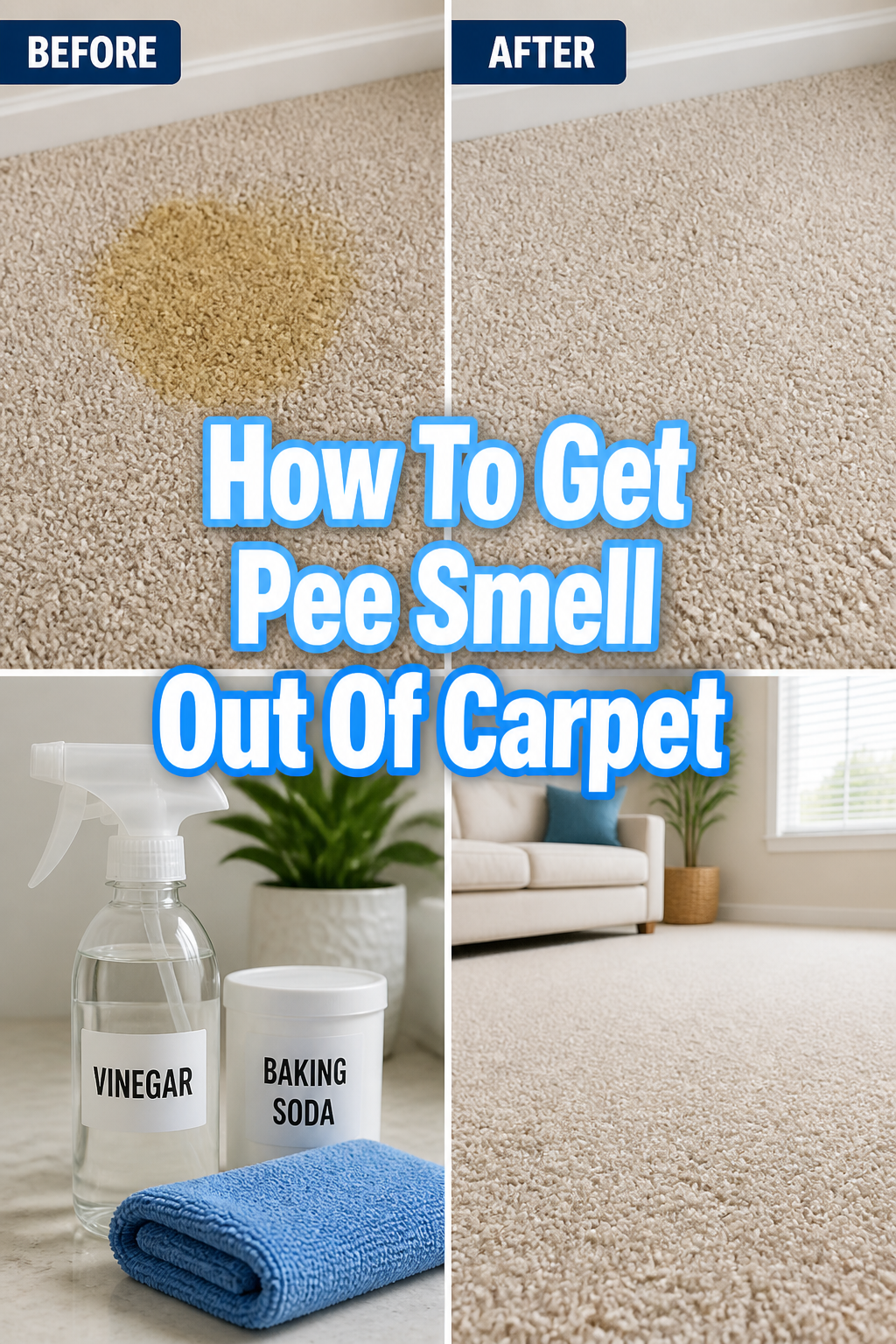
- What you’ll need: Paper towels, old towels, enzymatic cleaner, white vinegar, baking soda, spray bottle, stiff brush, vacuum cleaner
Step-by-Step Instructions
Step 1: Act Quickly and Blot Gently
The moment you discover a fresh accident, speed is your greatest ally in saving your beautiful carpet. Fresh urine is much easier to manage than dried, set-in odors.
Locate the spot immediately and arm yourself with a generous stack of paper towels or clean, absorbent cloths.
Blot, don’t rub, with firm, consistent pressure. Rubbing only pushes the urine deeper into the carpet fibers and padding, making removal much harder and potentially damaging the carpet’s texture.
Press firmly on the affected area to absorb as much liquid as possible. You want to lift the urine out, not spread it around.
Repeat this blotting process with fresh, dry paper towels until no more moisture transfers. You might be surprised how many towels it takes to get the area truly dry.
Pro Tip: For maximum absorption, place a thick stack of old towels over the blotted area and weigh them down with a heavy book or a stack of magazines for 15-20 minutes. This extra pressure can draw out even more liquid.
Step 2: Rinse and Prepare the Area
Once you’ve absorbed the initial liquid, a gentle rinse helps to dilute any remaining urine and prepare the carpet for deeper cleaning. This step is crucial for ensuring the enzymatic cleaner can work most effectively.
Pour a small amount of clean, cool water directly over the blotted area. You don’t want to drench the carpet, just enough to lightly rinse the fibers.
Blot again thoroughly with fresh, dry towels. The goal here is to further dilute and remove any residual urine that might still be clinging to the fibers.
Ensure the area is as dry as possible before moving on to applying any cleaning solutions. This prevents over-saturation and allows your chosen cleaner to concentrate on the urine, not just water.
Step 3: Apply an Enzymatic Cleaner
This is where the real magic happens for odor removal. Enzymatic cleaners are specifically designed to break down the uric acid crystals in pet urine that cause that persistent, unpleasant smell.
Choose a high-quality enzymatic cleaner that is specifically formulated for pet urine and safe for your carpet type. Always check the label for specific instructions and warnings.
Read the product instructions carefully. Each cleaner might have slightly different application methods and dwell times.
Saturate the soiled area completely with the enzymatic cleaner. It’s vital that the cleaner reaches everywhere the urine has, including deep into the carpet backing and potentially the pad beneath.
Pro Tip: Enzymatic cleaners work by deploying beneficial bacteria that “eat” the odor-causing molecules. They need time and moisture to do their job effectively. Don’t skimp on the application or cut the waiting time short.
Allow the cleaner to sit for the recommended time, which is usually between 10-15 minutes, but some products might suggest longer for tough odors. This dwell time is critical for the enzymes to do their work.
Step 4: Blot Away the Cleaner
After the enzymatic cleaner has had sufficient time to break down the urine, it’s time to remove it, along with the now-neutralized odor particles. This step is about lifting away the grime.
Blot the treated area with clean, dry towels. Again, use a firm, pressing motion rather than rubbing to avoid damaging the carpet fibers or spreading any remaining residue.
Remove as much of the cleaner and dissolved urine as possible. The more you blot out now, the less residue will be left in your carpet.
Avoid rubbing vigorously, as this can not only damage your carpet but also push the dissolved waste deeper, potentially reactivating the smell later.
Step 5: Apply a Vinegar Solution (Optional but Recommended)
White vinegar is a natural deodorizer and a wonderful complement to enzymatic cleaners. Its mild acidity helps neutralize any lingering alkaline odors and leaves your carpet feeling fresher.
Mix equal parts white vinegar and cool water in a clean spray bottle. This creates a gentle yet effective deodorizing solution.
Lightly mist the cleaned area with your vinegar solution. You want to dampen the fibers, not saturate the carpet again.
Allow the vinegar solution to sit for a few minutes, perhaps 5-10, to work its magic. Don’t worry about the vinegar smell; it will dissipate completely as it dries.
Pro Tip: Vinegar is fantastic for breaking down remaining mineral deposits and neutralizing odors. It’s a simple, eco-friendly way to ensure your carpet smells truly clean. It acts as a natural rinse aid.
Step 6: Sprinkle with Baking Soda
Baking soda is a household hero when it comes to absorbing odors. It’s a natural desiccant and deodorizer that will draw out any remaining moisture and encapsulate stubborn smells.
Ensure the carpet is slightly damp from the vinegar solution (or just a light mist of water if you skipped the vinegar). This helps the baking soda adhere to the fibers.
Liberally sprinkle baking soda over the entire treated area, making sure to cover it completely. Don’t be shy; a good layer is key.
Gently work the baking soda into the carpet fibers with a soft-bristled brush or even your gloved fingers. This ensures maximum contact with the odor-causing particles.
Pro Tip: Baking soda works by absorbing moisture and trapping odor molecules. The more contact it has with the carpet fibers, the more effective it will be at pulling out those unwelcome scents.
Step 7: Let it Dry Completely
Patience is a virtue, especially in this step. Allowing the area to dry thoroughly is crucial for the baking soda to effectively absorb odors and for the carpet to return to its fresh state.
Leave the baking soda on the carpet for several hours, or ideally, overnight. The longer it sits, the more odor it can absorb.
Ensure the area is completely dry before moving on to vacuuming. If you vacuum too soon, the baking soda won’t have done its full job, and you might clog your vacuum.
Open windows to increase air circulation or use a fan directed at the spot to speed up the drying process. Good airflow is essential for both drying and dispelling any lingering moisture.
Step 8: Vacuum Thoroughly
The final step is to remove all the baking soda, taking with it all the absorbed odors and leaving your carpet wonderfully fresh and clean. This is the satisfying culmination of your efforts.
Vacuum the dried baking soda from the carpet. Use strong suction and go over the area slowly to ensure you pick up every particle.
Go over the area multiple times from different directions. This helps to dislodge any baking soda that has settled deep within the carpet pile.
Empty your vacuum canister or change the bag immediately afterward. You don’t want those absorbed odors lingering in your vacuum cleaner, only to be blown back into your home next time you clean.
Common Mistakes to Avoid
Maintaining the cozy aesthetic of your home means understanding how to properly care for your cherished carpets. Avoiding these common pitfalls will protect your flooring and ensure effective odor removal.
Rubbing Instead of Blotting
Many people instinctively rub a fresh stain, but this is counterproductive. Rubbing pushes the urine deeper into the carpet fibers and padding, making it incredibly difficult to extract. This action also damages the carpet’s delicate fibers, potentially altering its texture and appearance permanently. Always blot gently and firmly to lift the liquid out, preserving your carpet’s beauty.
Using Steam Cleaners First
It’s a common misconception that heat helps clean. However, applying heat from a steam cleaner to a fresh urine stain can permanently set the protein in the urine. This process essentially “cooks” the odor-causing crystals into the carpet, making the smell almost impossible to remove later, even with enzymatic cleaners. Always use cold or cool water and enzymatic cleaners before considering any heat-based cleaning methods.
Not Saturating Enough with Enzymatic Cleaner
Pet urine often soaks much deeper than it appears on the surface, penetrating through the carpet fibers to the backing and even into the padding beneath. If your enzymatic cleaner doesn’t reach all the urine, the odor will inevitably persist. Be generous with the cleaner’s application, ensuring it penetrates deeply into all affected layers. This thoroughness is key to complete odor elimination.
Stopping Before the Smell is Gone
Sometimes, especially with older or larger stains, a single treatment might not be enough to fully eradicate the odor. A faint smell can indicate that some uric acid crystals remain. Be prepared to repeat the entire enzymatic cleaning process if you detect any lingering scent. Persistence is key to achieving a truly fresh and inviting space, ensuring your home feels truly clean.
Troubleshooting
Even with the best intentions, sometimes stubborn odors or unexpected issues can arise. Don’t let these minor setbacks dim your vision of a fresh home. Here’s how to address common challenges effectively.
Faint Odor Still Lingers
If you’ve followed all the steps and still detect a faint odor, it usually means some uric acid crystals remain, often deep within the carpet or padding. Your best course of action is to repeat the enzymatic cleaner application, ensuring even deeper saturation this time. Let it sit for a longer duration than before, then reapply baking soda and vacuum thoroughly. Consider using a UV black light in a darkened room; it will illuminate dried urine, helping you pinpoint exact problem areas you might have missed.
Carpet Feels Stiff or Sticky
A stiff or sticky carpet after cleaning can be frustrating. This typically happens if too much cleaner was used, or if it wasn’t properly blotted and rinsed away. To resolve this, gently mist the affected area with clean, cool water. Then, blot repeatedly with fresh, dry towels, rinsing the towels frequently. You might need to rinse and blot several times to completely remove the cleaner residue and restore your carpet’s soft texture.
Stain Remains After Odor is Gone
It’s wonderful when the odor is gone, but sometimes a visible stain can persist, especially if the accident was older. For these stubborn stains, a dedicated carpet spot remover (ensure it’s non-enzymatic to avoid interfering with prior enzyme work) can be used after the odor is completely gone. Always test the spot remover in an inconspicuous area first to ensure it doesn’t discolor your carpet. For very old or deeply set stains, professional carpet cleaning might be the most effective solution to fully restore your carpet’s appearance.
Key Takeaways
- Speed is essential: Act immediately upon discovering an accident to prevent odors from setting into your carpet fibers.
- Blot, don’t rub: Always use a gentle blotting motion to lift urine out, rather than rubbing it deeper into the carpet.
- Enzymatic cleaners are crucial: These specialized cleaners are vital for breaking down the uric acid crystals that cause persistent odors.
- Baking soda is your ally: This natural product effectively absorbs lingering odors, leaving your carpet smelling fresh.
- Patience is a virtue: Allow cleaners and baking soda enough time to work and for the treated area to dry completely for optimal results.
- Repeat if necessary: Stubborn odors or older stains may require multiple treatments for complete and lasting removal.
Frequently Asked Questions
Creating a truly fresh and inviting home means having all your questions answered. Here are some common queries about tackling those persistent pet odors.
Does vinegar really work on pet urine?
Yes, white vinegar is an excellent natural deodorizer for pet urine. Its mild acidity helps to neutralize the alkaline salts in urine and can break down some odor-causing components. It’s particularly effective as a follow-up to enzymatic cleaners, providing an extra layer of freshness. Don’t worry about the smell; the vinegar scent dissipates completely as it dries, leaving behind a clean aroma.
What if the pee has soaked into the carpet pad?
This is a common and challenging scenario. To effectively treat urine that has reached the carpet pad, you must saturate the area with enzymatic cleaner deeply enough to reach all affected layers. For severe or repeated accidents, you might need to carefully lift a corner of the carpet to treat the pad directly. In some cases, for very deep saturation, professional carpet cleaning with specialized tools might be the most effective solution to ensure thorough treatment and drying.
Can I use a steam cleaner to remove the smell?
It’s generally advised against using a steam cleaner before the odor is fully neutralized by an enzymatic cleaner. The heat from a steam cleaner can permanently bond the proteins in pet urine to the carpet fibers. This process essentially “sets” the stain and the odor, making it incredibly difficult, if not impossible, to remove later, even with powerful cleaners. Always use enzymatic cleaners and cold water first.
How do I prevent future accidents?
Preventing future accidents is key to maintaining a consistently fresh home. First, address the root cause: ensure your pet is fully house-trained, rule out any underlying medical issues with a vet, and provide plenty of regular potty breaks. Thoroughly clean previous accident spots so the residual scent doesn’t attract your pet back to the same area. Consider using pet-friendly washable rugs in high-traffic areas or investing in washable covers for beloved furniture.
Our Top Recommended Finds
Having the right tools makes all the difference in maintaining a fresh and beautiful home. These staples will become your trusted companions in keeping your carpets clean and inviting.
- High-Absorbency Microfiber Towels: These are indispensable for blotting effectively without leaving lint. Their superior absorbency means faster drying and better stain lifting, all while being gentle on your carpet fibers.
- Enzymatic Pet Stain & Odor Remover: A non-negotiable for every pet owner, specifically formulated to break down urine at a molecular level. Look for highly-rated brands that penetrate deep to tackle the source of the odor, leaving a truly clean scent.
- Large Box of Baking Soda: An incredibly inexpensive, natural powerhouse for absorbing odors. Always keep a fresh, substantial box on hand for quick clean-ups and general deodorizing around your home.
Embrace a Fresher, More Inviting Home
Reclaiming the fresh, clean scent of your home is more than just cleaning a spot; it’s about restoring peace and comfort to your cherished living spaces. Imagine stepping into a room where every breath feels light and clear, where the air invites relaxation and joy.
This guide provides a clear path to achieve that serene atmosphere you desire. Don’t let lingering pet odors detract from the beauty and warmth you’ve carefully cultivated within your walls. Take these steps today and rediscover the joy of a truly clean home, a space that perfectly reflects your vision of cozy, inviting living.