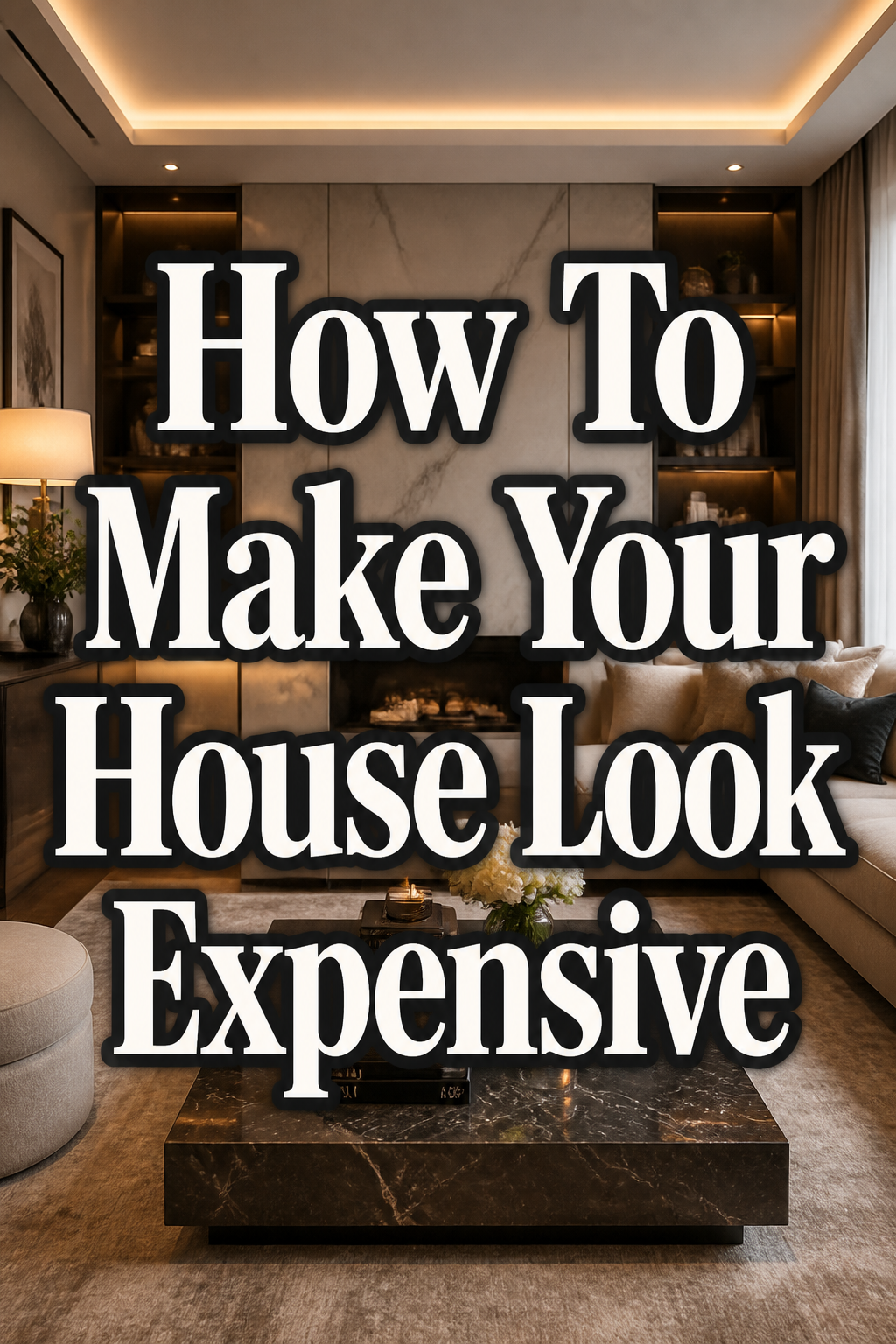
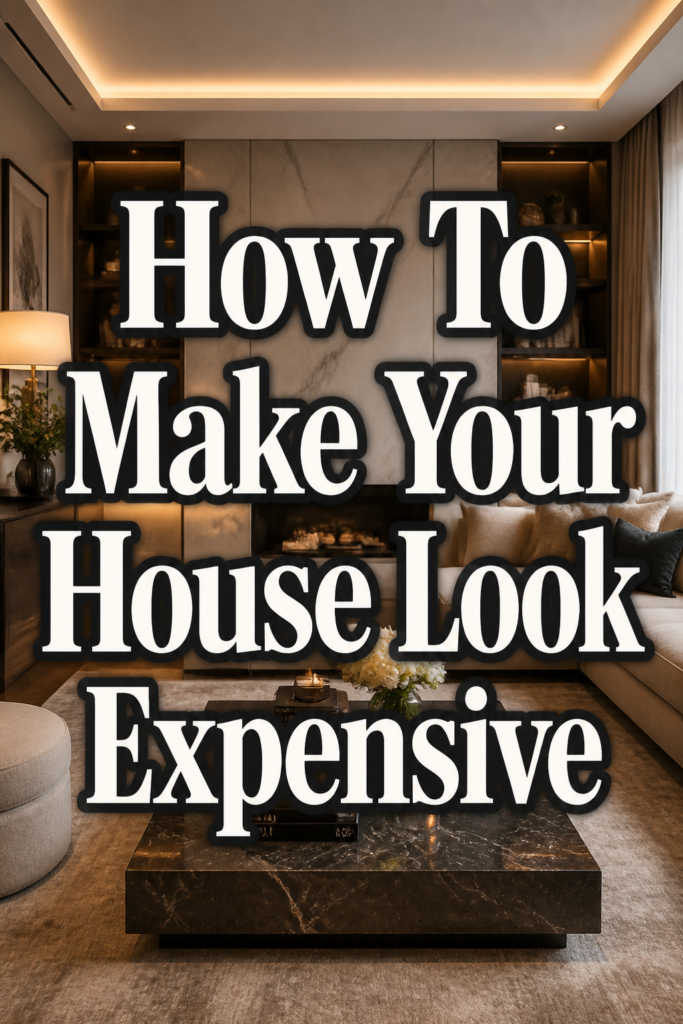
🏡 How To Make Your House Look Expensive
I remember feeling overwhelmed by interior design trends, wondering how some homes just exuded a certain luxurious calm.
It often seemed like an exclusive club, until I started experimenting and discovered that true elegance isn’t about the price tag, but about thoughtful choices.
This guide shares those practical secrets, helping you create a space that feels curated, comfortable, and undeniably chic, just as I’ve done in my own home.
Quick Overview
You’re about to transform your living space, making it feel more refined and intentionally designed. We’ll focus on creating a cohesive, inviting atmosphere that speaks of quiet luxury.
- Time needed: Varies, from a few hours for initial decluttering to a few weekends for larger projects.
- Difficulty: Beginner to Intermediate
- What you’ll need: Cleaning supplies, tape measure, art, textiles, plants, a few key decorative items, and a willingness to see your home with fresh eyes.
Step-by-Step Instructions
Step 1: Declutter and Define Your Flow
Begin by clearing out anything that doesn’t serve a purpose or bring you joy. A clean, uncluttered space is the foundation of an expensive look.
Remove excess items from surfaces, walls, and floors to allow your carefully chosen pieces to shine. Think of open space as a luxury itself.
Pro Tip: Imagine your favorite boutique or hotel lobby. They always have clear pathways and curated displays, not overflowing shelves. Adopt this minimalist mindset for maximum impact.
Step 2: Choose a Cohesive Color Palette
Select a sophisticated and calming color scheme for your entire home. Expensive-looking homes often stick to a limited palette of neutrals, muted tones, or deep, rich hues.
Pick 2-3 main colors and 1-2 accent colors to ensure harmony across rooms. This creates a seamless transition and a sense of intentional design.
Consider varying shades and textures within your chosen colors to add depth without introducing new hues. This strategy keeps the space feeling rich and layered.
Step 3: Master the Art of Lighting
Layer your lighting to create warmth and ambiance. Expensive homes never rely on a single overhead light; instead, they use a mix of ambient, task, and accent lighting.
Incorporate floor lamps, table lamps, and wall sconces to cast a soft glow. Dimmer switches are an absolute game-changer for setting the mood.
Highlight architectural features or artwork with focused accent lighting. This draws the eye to beautiful elements and makes the room feel more considered.
Step 4: Elevate with High-Quality Textiles
Invest in luxurious fabrics for curtains, throws, and pillows. Think linen, velvet, silk, or heavy cottons that drape beautifully and feel good to the touch.
Hang curtains high and wide, making windows appear larger and ceilings taller. This simple trick adds immediate grandeur to any room.
Layer different textures through rugs, blankets, and cushions to add depth and comfort. A well-dressed sofa or bed always looks more inviting and expensive.
Step 5: Incorporate Thoughtful Art and Decor
Display artwork that you truly love, even if it’s not a famous piece. Large-scale art or a gallery wall of personal photos can make a powerful statement.
Arrange decor in vignettes on tabletops and shelves. Group items of varying heights and textures, leaving plenty of negative space around them.
Choose unique, curated pieces rather than mass-produced items. Flea markets, antique shops, or local artisan markets are great places to find treasures.
Step 6: Upgrade Hardware and Fixtures
Replace builder-grade cabinet pulls, door knobs, and light switch plates. This small change makes a surprisingly big impact on perceived quality.
Select finishes like brushed brass, matte black, or polished nickel for a sophisticated touch. Consistency in hardware finish throughout a room elevates the design.
Consider updating faucets or shower heads if they look dated. These details often go unnoticed until they’re beautifully refined.
Step 7: Bring in Natural Elements
Add greenery to every room with live plants or fresh flowers. Plants bring life, color, and a sense of calm, instantly making a space feel more vibrant.
Choose substantial planters or vases that complement your decor. A beautiful pot can elevate even a simple plant into a statement piece.
Incorporate natural materials like wood, stone, or woven textures. These elements add warmth and an organic, timeless feel to your home.
Step 8: Arrange Furniture for Function and Flow
Create clear pathways and conversational groupings. Furniture should invite interaction and make sense for how you use the space.
Pull furniture slightly away from walls to give the room a more expansive feel. This simple adjustment prevents a “pushed up against the edges” look.
Ensure rugs are appropriately sized for the space, ideally large enough for all front legs of major furniture pieces to rest on them. This anchors the room and defines zones.
Step 9: Pay Attention to Scents
Introduce pleasant, subtle aromas throughout your home. A beautiful scent can significantly enhance the perceived luxury and coziness of a space.
Use diffusers with essential oils, high-quality candles, or room sprays. Choose sophisticated scents like sandalwood, cedar, or subtle florals.
Avoid overpowering or artificial smells. The goal is a gentle, inviting fragrance that contributes to the overall ambiance, not overwhelms it.
Step 10: Maintain Impeccable Cleanliness and Order
Keep your home consistently clean and tidy. Even the most expensive decor looks cheap in a dusty or messy environment.
Establish a daily tidying routine to maintain surfaces and floors. A sparkling clean bathroom and kitchen always make a strong impression.
Ensure windows are clean and mirrors are spotless. These small details reflect light beautifully and contribute to a bright, airy feel.
Common Mistakes to Avoid
Over-stuffing Rooms
A common pitfall is trying to fill every available space with furniture or decor. This makes a room feel cramped and chaotic, rather than spacious and inviting.
Instead, embrace negative space. Allow your chosen pieces to breathe and stand out by giving them room. Less truly is more when aiming for an expensive aesthetic.
Ignoring Scale and Proportion
Using furniture that is too small for a large room or too large for a small room can throw off the entire balance. This often makes a space feel awkward and unharmonious.
Always measure your space and furniture before buying. Consider how pieces relate to each other in terms of height, width, and depth. A well-proportioned room feels inherently more sophisticated.
Lack of Cohesion
Mixing too many styles, colors, or finishes without a guiding principle can result in a disjointed look. Your home might feel like a collection of random items rather than a curated sanctuary.
Develop a clear vision for each room and for your home as a whole. Stick to your chosen color palette and design style to create a harmonious and intentional flow from one space to the next.
Poor Lighting Choices
Relying solely on harsh overhead lighting, or having too few light sources, can make a room feel cold and unwelcoming. It fails to create depth or highlight features.
Always layer your lighting with various sources at different heights and intensities. Incorporate dimmers to control the mood and ensure your home feels warm, inviting, and well-lit at any time of day.
Troubleshooting
My Room Still Feels Flat and Uninspired
If your space lacks depth, it might be missing layers of texture and varying heights. Flat rooms often result from too many items being at the same level or having similar surfaces.
Introduce textiles like a chunky knit throw, a woven rug, or velvet cushions. Add plants of different sizes and incorporate decor pieces with varying heights. Use books to elevate smaller items in vignettes.
I Have Too Much Clutter and Don’t Know Where to Start
Feeling overwhelmed by clutter is common. The sheer volume can make the task seem impossible, leading to paralysis and no progress.
Start small. Pick one drawer, one shelf, or one small surface. Dedicate just 15-30 minutes to decluttering that tiny area. Once you see the progress, you’ll feel motivated to tackle the next small zone.
My Furniture Looks Old and Worn
Dated or damaged furniture can instantly detract from an expensive aesthetic, even if everything else is perfect. It often makes the whole room feel tired.
Consider slipcovers for sofas or chairs if the frames are still good. Reupholstering a cherished piece can give it new life. For wooden items, a fresh coat of paint or stain can work wonders. Sometimes, just replacing the legs of a sofa or table can make a big difference.
Key Takeaways
- Declutter Ruthlessly: A clean, organized space is the absolute foundation of an expensive look.
- Embrace a Cohesive Palette: Stick to a limited, sophisticated color scheme for harmony and elegance.
- Layer Your Lighting: Use a mix of ambient, task, and accent lights to create warmth and depth.
- Invest in Quality Textiles: Luxurious fabrics for curtains, throws, and pillows elevate comfort and style.
- Curate Your Decor: Choose meaningful pieces and arrange them thoughtfully in vignettes.
- Mind the Details: Upgrading hardware, fixtures, and even scents makes a significant impact.
Frequently Asked Questions
Do I need to buy all new furniture?
Absolutely not. The goal is to make your existing pieces look better through smart styling, decluttering, and strategic additions. Sometimes, simply rearranging, adding new textiles, or upgrading hardware can transform a piece you already own.
How can I make my rental home look expensive without major renovations?
Focus on elements you can easily change and take with you. Use peel-and-stick wallpaper, upgrade lighting fixtures (and store the originals), add luxurious textiles, bring in plenty of plants, and use large art pieces that lean against walls instead of being hung.
What’s the single most impactful change I can make on a tight budget?
Decluttering and a thorough deep clean will give you the biggest bang for your buck. After that, focus on quality textiles like a beautiful throw or new pillow covers, and strategic lighting from thrifted or affordable lamps.
How do I choose the right art for my walls?
Choose art that speaks to you personally. It doesn’t have to be expensive. Consider size and placement; larger pieces often make more of a statement. Look for pieces that complement your chosen color palette or introduce a thoughtful accent color.
Our Top Recommended Finds
- Linen Blend Curtains: They offer a beautiful drape and texture, instantly elevating any window.
- Dimmable Table Lamps: Essential for layered lighting, allowing you to control the mood and ambiance.
- Large Faux Olive Tree: A low-maintenance way to bring substantial greenery and a touch of organic elegance to your space.
Embrace Your Beautiful Home
You now have the tools and inspiration to transform your house into a haven that feels truly special. It’s about creating an atmosphere, a feeling, rather than just filling a space.
Start with one step today, perhaps decluttering a single surface or choosing a new throw. Each small change builds momentum, guiding you toward a home that reflects your refined taste and offers ultimate comfort.
Imagine the cozy evenings, the welcoming mornings, and the pride you’ll feel in a space that truly feels like you, elevated and exquisite. Your journey to an expensive-looking home begins now.