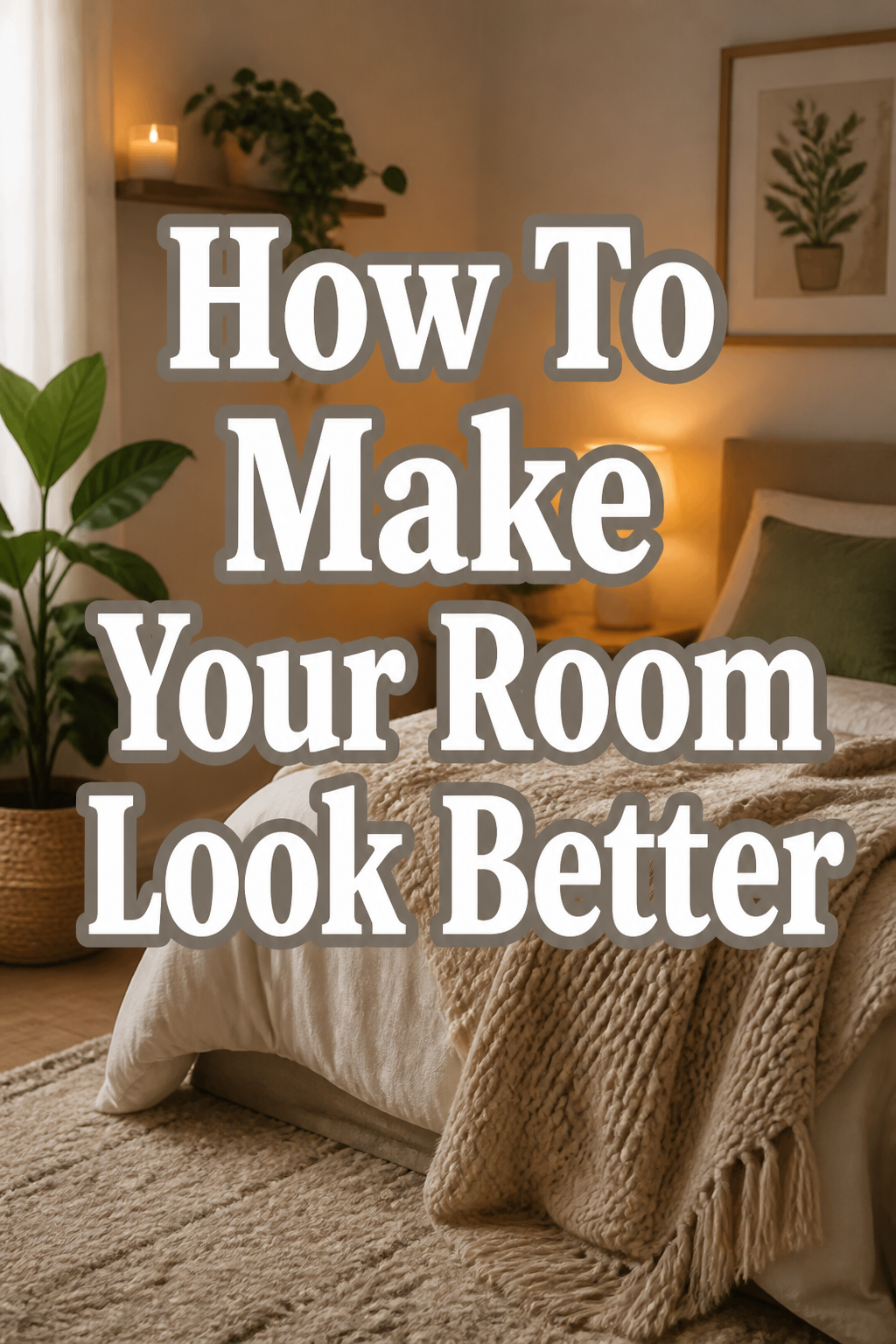
🏡 How To Make Your Room Look Better
Do you ever walk into your room and feel a little uninspired?
I certainly have. For years, my own space felt more like a storage unit than a sanctuary.
Through trial and error, I discovered simple, practical ways to transform any room into a cozy, inviting haven, and I’m excited to share those discoveries with you.
Quick Overview
This guide will walk you through transforming your room, making it more comfortable, stylish, and truly reflective of you. You’ll learn how to approach your space with fresh eyes, from decluttering to adding the perfect finishing touches.
- Time needed: 1-2 weekends (or a few hours each day over a week)
- Difficulty: Beginner
- What you’ll need: Cleaning supplies, trash bags, measuring tape, a notebook, and an open mind
Step-by-Step Instructions
Step 1: Clear the Canvas – Declutter and Donate
Before you can add anything new or rearrange what you have, you need a clean slate. A cluttered room often feels overwhelming and visually noisy.
Start by removing everything that doesn’t belong or serve a purpose. This is the foundation for any successful room transformation.
- Empty your surfaces: dresser tops, nightstands, shelves.
- Go through your closet and drawers. Pull out clothes you haven’t worn in a year, items that don’t fit, or things you simply don’t love anymore.
- Sort items into three piles: Keep, Donate/Sell, and Trash. Be honest with yourself about what you truly need and use.
- Remove trash immediately. Bag up donations and put them in your car so they leave your home quickly.
- Organize the “Keep” pile, giving everything a designated home. Consider storage solutions like baskets or drawer dividers for smaller items.
Pro Tip: Tackle one small area at a time if the whole room feels too big. A drawer today, a shelf tomorrow. Momentum builds with small wins.
Step 2: Deep Clean and Refresh
Once your room is decluttered, it’s time for a thorough cleaning. This step makes a huge difference in how a room feels and smells, creating a truly fresh start.
A clean space feels lighter and more inviting, allowing your new design choices to shine.
- Dust all surfaces, starting from the top down. Don’t forget ceiling fans, light fixtures, and window sills.
- Wipe down walls and baseboards. You might be surprised how much grime accumulates.
- Clean windows and mirrors to let in more natural light and improve reflections.
- Vacuum or mop the floor thoroughly, moving furniture where possible to get underneath.
- Wash all bedding, curtains, and any washable throw blankets or pillow covers. Fresh linens instantly elevate the feel of a room.
Step 3: Rethink Your Layout
The way your furniture is arranged dramatically impacts the flow and feel of your room. A thoughtful layout can make a small room feel larger or a large room feel cozier.
Consider both functionality and aesthetics when deciding where everything goes. Think about how you use the space daily.
- Identify the focal point of your room. This might be a window, a beautiful piece of art, or your bed. Arrange furniture to highlight it.
- Measure your room and your furniture. Sketch out different layouts on paper or use an online room planner tool.
- Experiment with your bed’s placement. Can it go on a different wall? Does moving it create more space or a better view?
- Create zones. If your room is large, define areas for sleeping, reading, or working. Use rugs or furniture placement to separate these zones.
- Ensure pathways are clear. You should be able to move freely without bumping into furniture. Pull furniture slightly away from walls to create a more open feel.
Pro Tip: Don’t be afraid to move things around multiple times. Live with a layout for a day or two to see how it feels before committing.
Step 4: Master the Art of Lighting
Lighting is one of the most powerful tools for setting a mood. Good lighting can transform a bland room into a warm, inviting sanctuary.
Layering different types of light creates depth and visual interest.
- Maximize natural light. Keep windows clear of heavy drapes during the day. Consider sheer curtains or blinds that let light filter through.
- Incorporate ambient lighting. This is your general overhead light, but it doesn’t have to be harsh. A dimmer switch can make a big difference.
- Add task lighting. This includes bedside lamps for reading or a desk lamp for working. Choose fixtures that complement your room’s style.
- Introduce accent lighting. String lights, a small lamp on a shelf, or a picture light can highlight specific features or create a cozy glow.
- Use warm-toned bulbs (around 2700K-3000K) for a cozy and inviting atmosphere, especially in bedrooms and living areas.
Step 5: Embrace Textiles and Textures
Textiles add softness, warmth, and personality to a room. They are essential for creating that cozy, layered aesthetic.
Think beyond just your bedspread; consider how different fabrics interact throughout the space.
- Upgrade your bedding. Invest in comfortable sheets, a plush duvet cover, and an array of decorative pillows. Mixing textures like linen, cotton, and faux fur adds luxury.
- Hang curtains. They frame your windows and add a finished look. Choose fabrics that complement your color scheme and provide the desired light control.
- Lay down a rug. An area rug can define a space, add warmth underfoot, and introduce color and pattern. Make sure it’s appropriately sized for the room.
- Drape throw blankets. A soft throw draped over a chair or the foot of your bed invites relaxation and adds a touch of comfort.
- Incorporate textured accessories. Think woven baskets, velvet pillows, or a chunky knit pouf. These small touches add depth and interest.
Step 6: Introduce Greenery and Natural Elements
Bringing plants and natural elements into your room instantly makes it feel fresher, livelier, and more connected to the outside world. They add organic beauty and a sense of calm.
Even a few well-placed plants can transform the atmosphere.
- Choose easy-care plants if you’re a beginner. Snake plants, Pothos, ZZ plants, and spider plants are forgiving and thrive indoors.
- Consider plant placement. Hang a plant in a corner, place one on your nightstand, or group several on a shelf for a lush look.
- Select attractive planters. The pot itself can be a decorative element, complementing your room’s style.
- Bring in natural materials. A wooden tray, a stone coaster, or even a vase of fresh flowers can add an organic touch.
- Think about dried arrangements if live plants aren’t for you. Pampas grass, dried lavender, or eucalyptus branches offer lasting natural beauty.
Step 7: Personalize with Art and Decor
This is where your room truly becomes yours. Art and decor are opportunities to express your personality, interests, and style.
Thoughtful curation of these items tells your story and makes the room feel authentic.
- Hang art that you love. Mix framed prints, photographs, or even textiles. Create a gallery wall for impact or a single statement piece.
- Display cherished objects. Souvenirs from travels, family photos, or meaningful trinkets add character and warmth.
- Arrange books on shelves. Vary vertical and horizontal stacks, and add small decorative objects in between.
- Choose candles or diffusers. A pleasant scent contributes significantly to the ambiance and can evoke specific moods.
- Don’t overdo it. Edit your accessories. A few well-chosen items are more impactful than a cluttered display. Give each item room to breathe.
Common Mistakes to Avoid
Over-Decorating or Under-Decorating
A common pitfall is either having too much stuff, which makes a room feel cluttered and busy, or too little, leaving it feeling cold and impersonal. The key is balance.
Aim for a curated look where every item has a purpose or brings you joy. Regularly assess your space and remove anything that no longer serves you. A good rule of thumb is to leave some empty space for the eye to rest.
Ignoring the Power of Lighting
Relying solely on harsh overhead lighting can make a room feel sterile and unwelcoming. It flattens the space and lacks warmth.
Instead, layer your lighting with ambient, task, and accent lights. Use dimmer switches and warm-toned bulbs to create different moods and highlight specific areas, making the room feel inviting at any time of day.
Forgetting Functionality
Sometimes, we prioritize aesthetics so much that we forget how we actually use the room. A beautiful room that isn’t practical for daily life quickly becomes frustrating.
Always consider how you move through the space and what activities you perform there. Ensure furniture is comfortable, storage is accessible, and the layout supports your routine. Beauty and practicality can, and should, coexist.
Matching Everything Perfectly
While a cohesive look is good, having every single item perfectly matched can make a room feel stiff and uninspired, like a furniture showroom. It lacks personality and depth.
Embrace a mix of textures, materials, and even subtle variations in color within your chosen palette. This creates visual interest and makes the room feel more lived-in, layered, and unique to you.
Troubleshooting
My Room Still Feels Small and Cramped
Even after decluttering, some rooms just feel tiny. The issue might be related to visual weight and color.
Try using lighter colors on walls and large furniture pieces to visually expand the space. Incorporate mirrors to reflect light and create the illusion of more depth. Opt for furniture with slender legs or open bases instead of bulky, solid pieces, which allows light and sightlines to pass through, making the room feel airier.
It Still Looks Cluttered, Even After Decluttering
Sometimes, the problem isn’t the quantity of items, but the lack of proper storage or organization. Visible clutter, even if it’s “organized” into piles, can still feel overwhelming.
Invest in smart storage solutions like closed cabinets, decorative boxes, or bins that hide items away. Ensure everything has a designated home, and make a habit of putting things back immediately after use. Vertical storage like tall bookshelves can also free up floor space.
My Room Lacks Warmth and Personality
If your room feels cold or generic, you might be missing personal touches and comforting textures. It’s easy to fall into a trap of minimalist design that lacks soul.
Introduce more textiles like soft rugs, throw blankets, and decorative pillows. Bring in personal items like photos, art, or souvenirs that tell your story. Add plants for a touch of life and natural warmth. Incorporate warm lighting and candles to create an inviting glow.
Key Takeaways
- Start with a clean slate: Decluttering and deep cleaning are non-negotiable first steps.
- Optimize your layout: Thoughtful furniture arrangement improves flow and functionality.
- Layer your lighting: Combine ambient, task, and accent lighting for varied moods.
- Embrace textures: Textiles like rugs, curtains, and throws add warmth and comfort.
- Bring in nature: Plants and natural elements add life and freshness to your space.
- Personalize thoughtfully: Decorate with items that genuinely reflect your personality and bring you joy.
Frequently Asked Questions
Can I make my room look better on a tight budget?
Absolutely! Many transformations cost very little. Focus on decluttering, cleaning, and rearranging what you already own. DIY projects, thrifting for unique finds, and using paint to refresh old furniture are excellent budget-friendly options. Small changes like new pillow covers or a fresh plant can also make a big impact without breaking the bank.
What if I rent and can’t paint or make permanent changes?
Renters have many options! Use peel-and-stick wallpaper or temporary wall decals for a pop of color. Command strips are perfect for hanging art without damaging walls. Focus on textiles like rugs, curtains, and bedding, which you can easily take with you. Add floor lamps and plants to bring warmth and style without altering the structure.
How do I choose a color scheme for my room?
Start with colors you genuinely love and that make you feel good. Look at your existing furniture or a favorite piece of art for inspiration. Decide if you prefer warm (reds, oranges, yellows) or cool (blues, greens, purples) tones. Stick to a main color, an accent color, and a neutral for balance. Pinterest and interior design magazines are great for visual ideas.
How often should I redecorate my room?
There’s no strict rule. Some people enjoy refreshing their space seasonally, while others only redecorate every few years. It’s a good idea to reassess your room whenever it no longer feels inspiring or functional for your current needs. Small tweaks, like rotating art or changing out throw pillows, can keep a room feeling fresh without a full overhaul.
Our Top Recommended Finds
- Command Strips: Perfect for hanging frames and decor without damaging walls, especially for renters.
- Decorative Storage Baskets: Stylish solutions for hiding clutter, from blankets to magazines, keeping surfaces clear.
- LED Strip Lights: Affordable and versatile for creating ambient lighting, especially behind beds or under shelves, adding instant mood.
Your Beautiful Room Awaits!
Transforming your room is a journey, not a destination. It’s about creating a space that nurtures you, inspires you, and truly feels like home.
Each step you take, big or small, contributes to a more beautiful and functional environment.
Why not start today? Pick one step from this guide, gather your supplies, and begin crafting the room of your dreams.