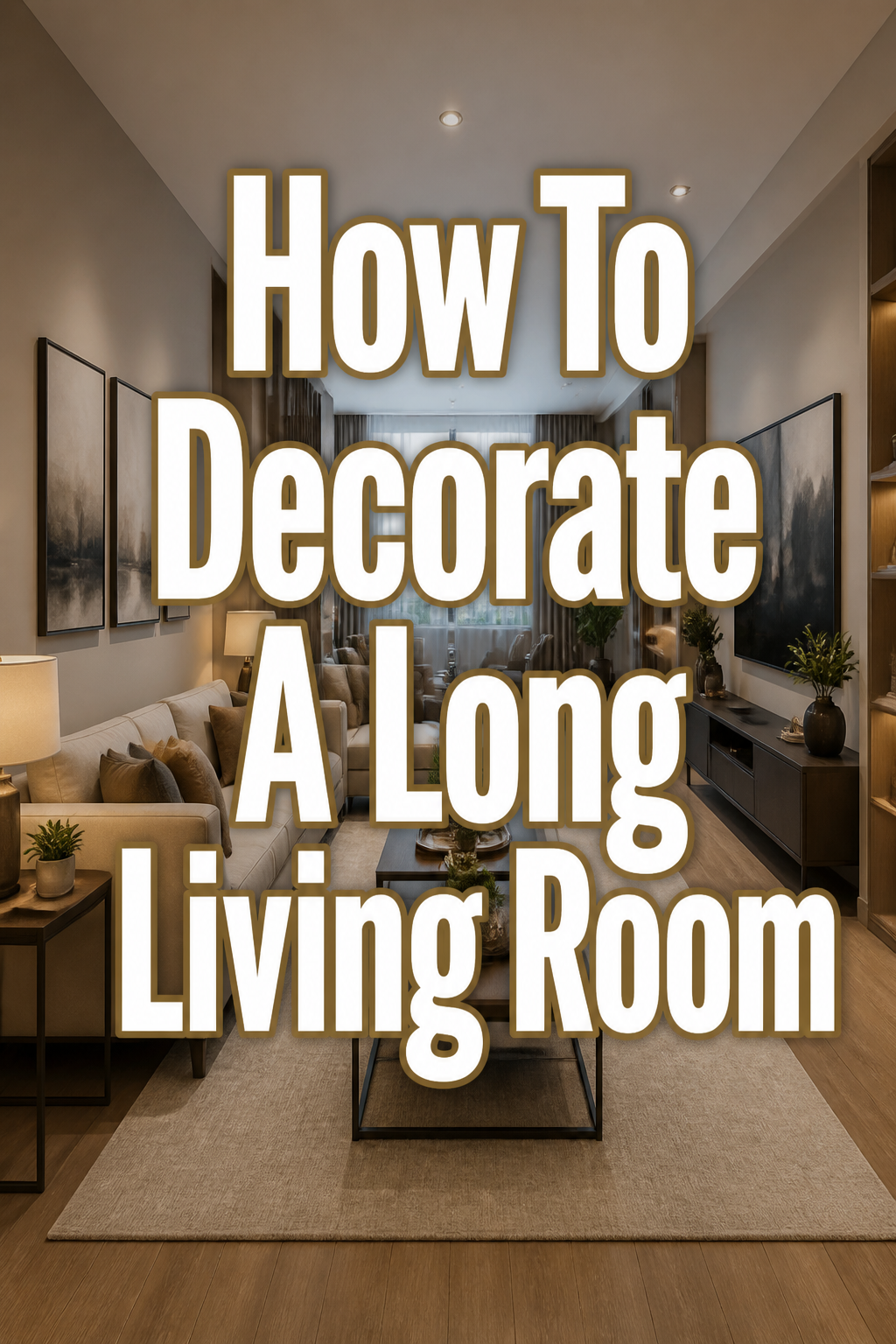
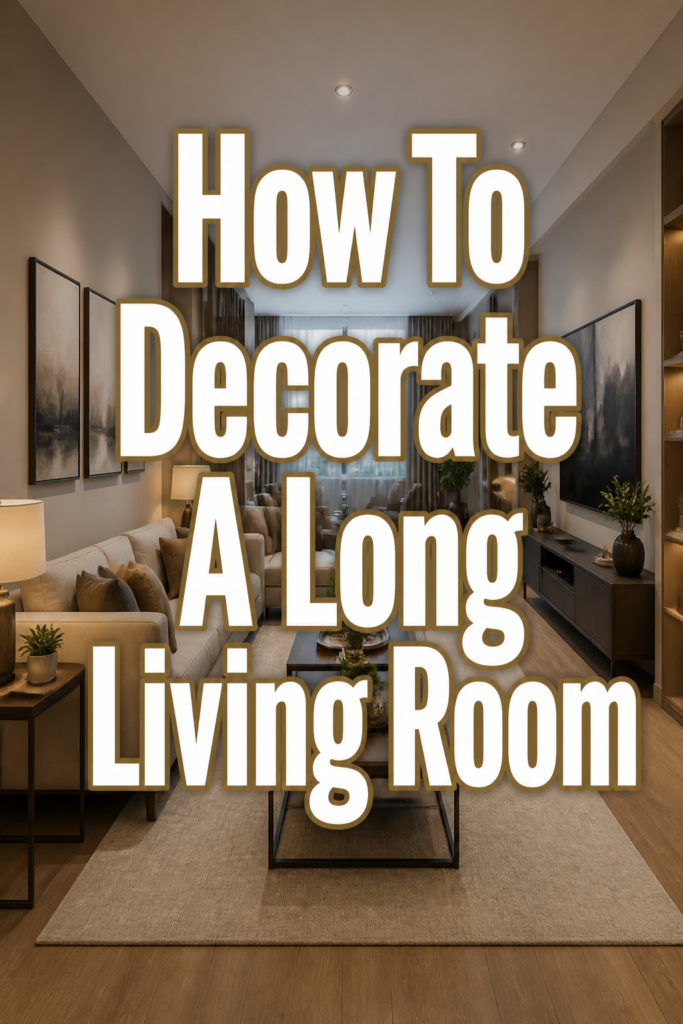
🏡 How To Decorate A Long Living Room
A long, narrow living room can feel like a design puzzle, presenting unique challenges for comfort and flow.
I’ve personally wrestled with several such spaces, turning awkward layouts into inviting havens.
This guide shares my practical strategies to transform your challenging room into a beautifully functional and cozy retreat.
Quick Overview
This guide will equip you with the knowledge to create distinct zones, improve traffic flow, and infuse personality into your long living room.
You’ll learn how to make the most of every inch, ensuring your space feels both expansive and intimate.
- Time needed: 1-3 weekends (depending on shopping and project scope)
- Difficulty: Intermediate
- What you’ll need: Measuring tape, graph paper or design app, inspiration photos, furniture pieces, lighting, textiles, wall decor.
Step-by-Step Instructions
Step 1: Understand Your Space and Its Purpose
Before moving a single piece of furniture, take a moment to truly understand your living room’s dimensions and how you want to use it.
A long room often benefits from being divided into multiple functional areas.
- Measure the entire room accurately. Note down all windows, doors, and outlets.
- Consider your lifestyle. Do you need a TV area, a reading nook, a workspace, or a dining zone?
- Sketch out the room on graph paper or use a simple online floor planner. This helps visualize potential layouts.
Pro Tip: Think about natural light sources. Position your primary seating to make the most of windows, or create a cozy, dimmer zone for evening relaxation.
Step 2: Divide and Conquer with Zone Planning
The key to a successful long living room is creating distinct zones that break up the linear feel.
This prevents the room from looking like a bowling alley and enhances functionality.
- Identify your primary zone. This is often the main seating area for conversation or television viewing.
- Establish a secondary zone. This could be a reading corner with an armchair, a small desk for a home office, or a casual dining spot.
- Use area rugs to visually define each zone. Different rugs for different areas instantly create boundaries.
Step 3: Choose Furniture Wisely for Scale and Function
Selecting the right furniture is critical. Avoid pieces that are too bulky or too small for the room’s proportions.
Focus on versatility and pieces that don’t block visual pathways.
- Opt for appropriately sized furniture. A sectional can work well, but ensure it doesn’t overwhelm the room. Two smaller sofas or a sofa and two armchairs often offer more flexibility.
- Consider backless benches, ottomans, or poufs. These are versatile, provide extra seating, and don’t block sightlines.
- Look for furniture with exposed legs. This creates a sense of openness and prevents the room from feeling too heavy.
Step 4: Master the Art of Furniture Placement
How you arrange your furniture dictates flow, comfort, and the overall feel of the room.
Avoid pushing all furniture against the walls; this only emphasizes the room’s length.
- Float some furniture away from the walls. Place a sofa in the middle of the room to create a walkway behind it, defining a zone.
- Create a primary conversation area. Often, two sofas facing each other with a coffee table in between works beautifully, or a sofa facing two armchairs.
- Arrange your secondary zone with specific purpose. A small desk and chair, or an armchair with a floor lamp and small side table, can fill a corner nicely.
- Ensure clear pathways. Leave enough space (at least 3 feet) for people to walk comfortably between furniture pieces.
Pro Tip: Experiment with angling furniture. Placing an armchair or even a smaller sofa at a slight angle can break up the linear axis and add visual interest.
Step 5: Define Zones with Lighting
Lighting is a powerful tool to differentiate areas and add warmth to your long living room.
Layering different types of light is key to a cozy and functional space.
- Install overhead lighting for general illumination, but ensure it’s dimmable.
- Add task lighting in specific zones. A floor lamp by a reading chair, or a desk lamp for a workspace, makes areas functional.
- Incorporate ambient lighting with table lamps on side tables or console tables. This adds warmth and a soft glow.
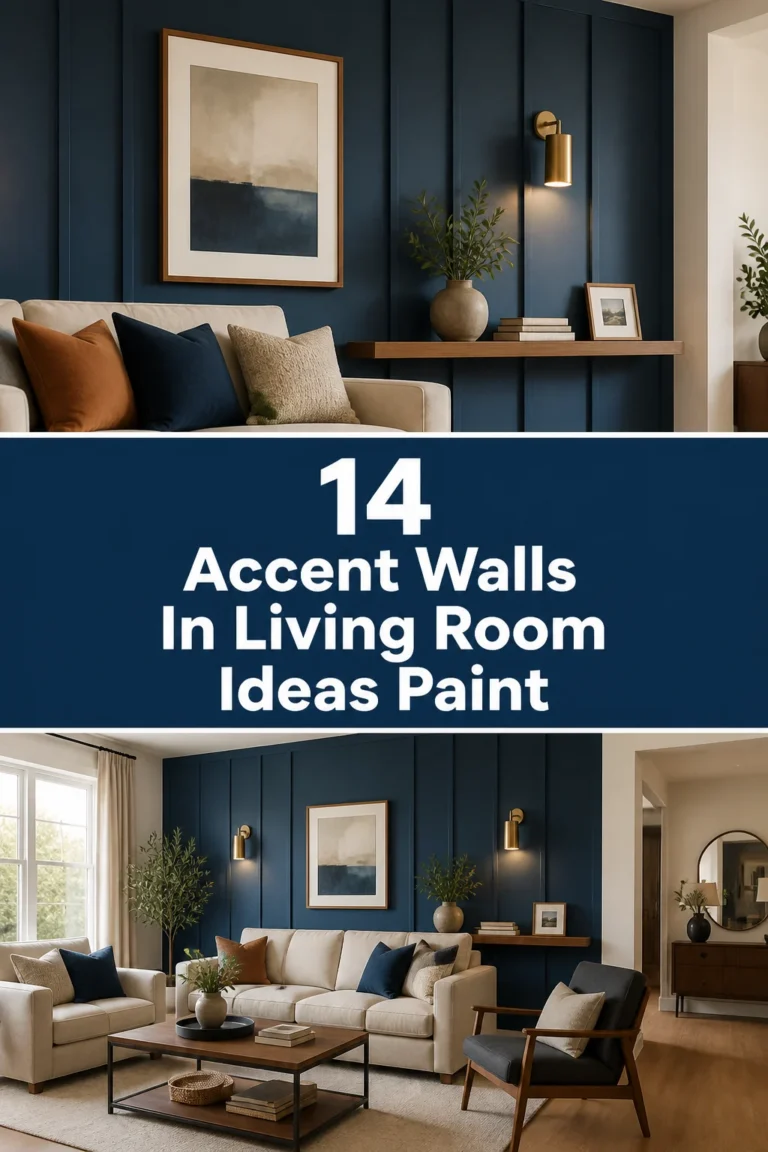
- Use wall sconces or picture lights to highlight artwork and draw the eye along the walls, rather than just down the length of the room.
Step 6: Employ Rugs to Anchor and Connect
Area rugs are essential for breaking up a long living room. They define zones, add texture, and introduce color.
Choose rugs that are appropriately sized for each zone.
- Select a large rug for your main seating area. All front legs of your primary furniture should rest on the rug.
- Choose a smaller, complementary rug for your secondary zone. This helps differentiate it from the main area.
- Consider runners for connecting pathways, but be mindful not to over-rug the space. Sometimes a bare floor between zones is just as effective.
Step 7: Strategically Place Wall Decor and Artwork
Wall decor can visually shorten a long room or draw the eye to specific points.
Think about how art can break up long stretches of wall.
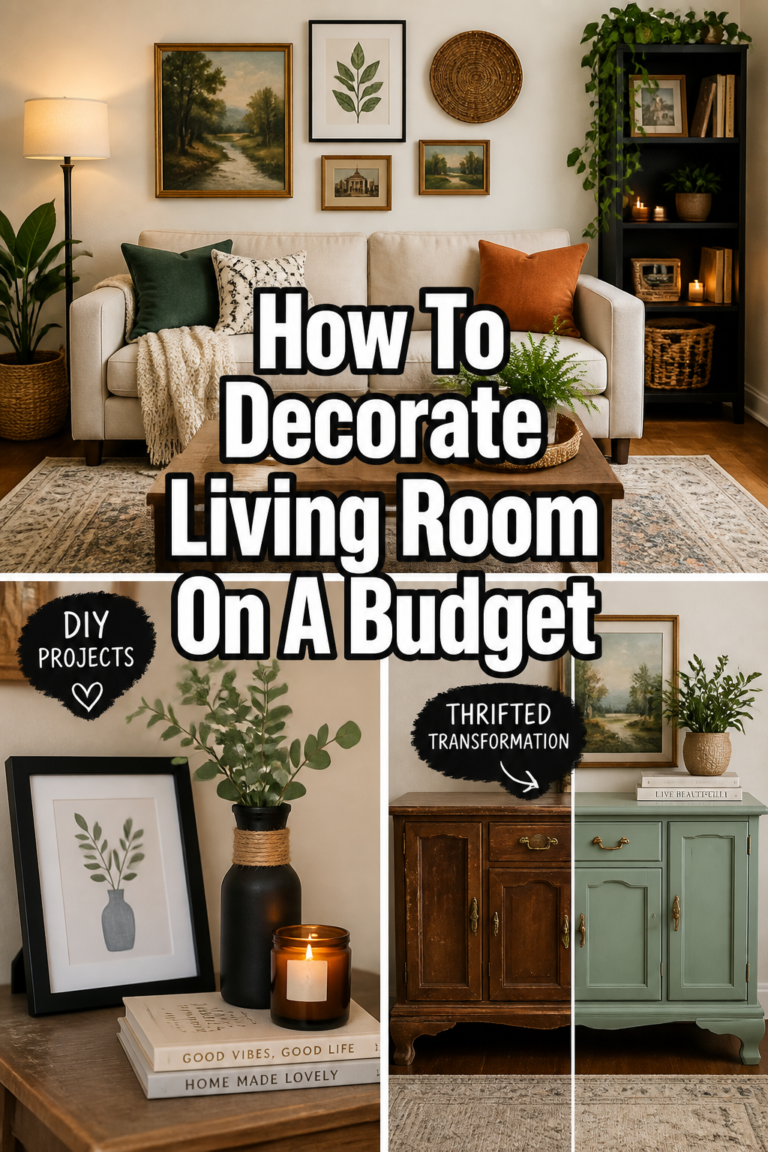
- Create a gallery wall on one of the longer walls. This visually breaks up the length and adds personality.
- Hang a large piece of art or a mirror on a shorter wall. This can make that wall feel more prominent.
- Use vertical elements. Tall bookshelves or floor-to-ceiling curtains can draw the eye upwards, making the room feel taller.
Step 8: Infuse Personality with Textiles and Accessories
Once the larger pieces are in place, textiles and accessories add the finishing touches, warmth, and character.
They are opportunities to introduce color, pattern, and texture.
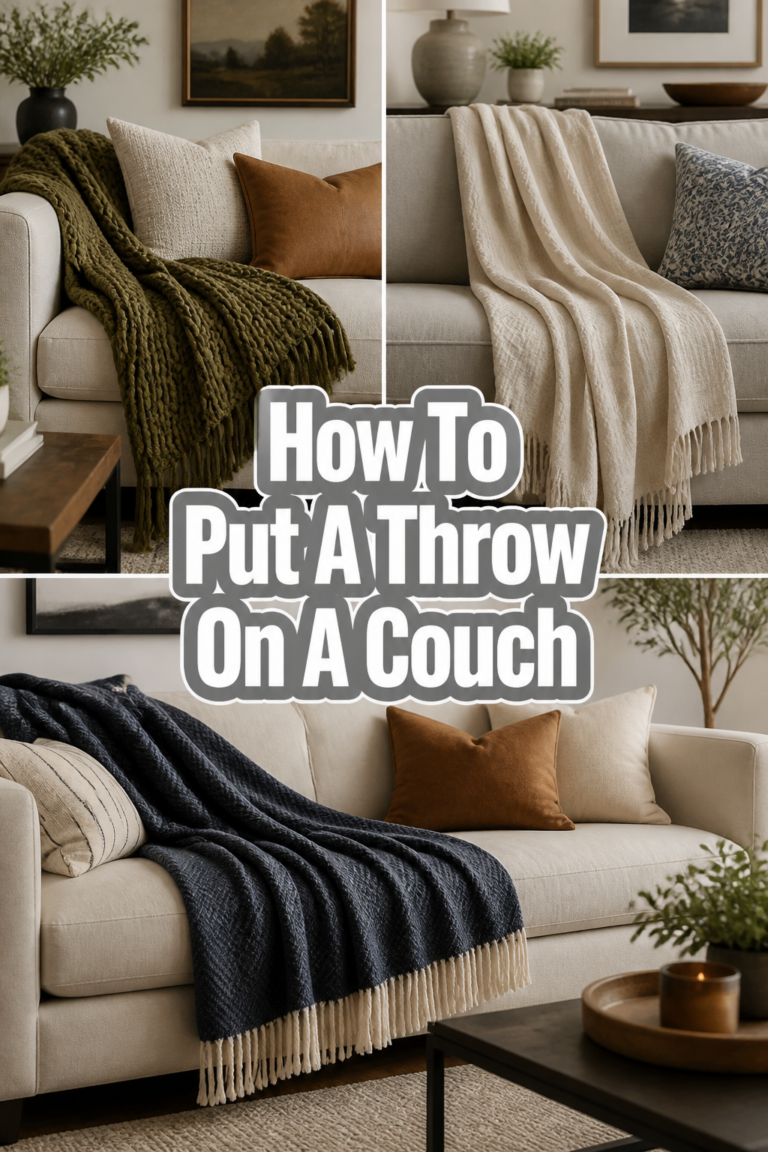
- Layer throw pillows and blankets on sofas and armchairs. Mix different textures and patterns for depth.
- Arrange decorative items on coffee tables, side tables, and shelves. Group items in odd numbers for visual appeal.
- Bring in plants. Greenery adds life, color, and helps purify the air. Taller plants can also help break up vertical space.
- Add curtains or blinds to windows. These soften the room, add privacy, and can introduce color or pattern.
Common Mistakes to Avoid
Pushing All Furniture Against the Walls
This is a common reaction to a long room, but it only amplifies the “bowling alley” effect. It leaves a large, empty space in the middle and makes the room feel less intimate.
Instead, float furniture away from the walls to create pathways and define distinct zones. This helps break up the length and makes the room feel more inviting.
Using Only One Large Area Rug
A single, very large rug spanning the entire length of the room can inadvertently highlight its narrowness. It fails to create the visual breaks needed.
Focus on using multiple, appropriately sized area rugs to anchor each specific zone you’ve created. This clearly delineates functional areas and adds visual interest.
Ignoring Vertical Space
Many people concentrate solely on the horizontal length of the room and forget to look up. This can make a long room feel even more tunnel-like.
Incorporate tall elements like floor-to-ceiling curtains, tall bookshelves, or large pieces of vertical art. These draw the eye upwards, making the room feel taller and more balanced.
Blocking Natural Light
In an attempt to fill space, some might place large, bulky furniture in front of windows, reducing precious natural light. This makes the room feel darker and even more enclosed.
Always prioritize natural light. Position furniture to allow light to flow freely, and use lighter window treatments that can be easily pulled back during the day.
Troubleshooting
My Room Still Feels Too Narrow
If the room still feels too tight despite your efforts, reconsider your furniture scale. Perhaps some pieces are still too deep or wide for the space.
Try incorporating mirrors on one of the longer walls. A large mirror can reflect light and the opposite wall, creating the illusion of greater width. Also, ensure your pathways are truly clear and unobstructed.
The Zones Don’t Feel Connected
Sometimes, dividing a long room can make it feel disjointed. If your zones feel like separate islands, you need to establish visual connections.
Use a consistent color palette or repeat certain textures and patterns across both zones. A long console table or a low bookshelf can act as a subtle divider while still maintaining visual flow between areas.
It Lacks Warmth and Coziness
Even with good layout, a long room can sometimes feel sterile or uninviting. This often points to a lack of soft elements and personal touches.
Layer in more textiles: throws, pillows, and textured curtains. Add warm lighting from multiple sources, not just overhead. Incorporate personal items like photos, books, and plants to infuse the space with your personality.
Key Takeaways
- Divide and Conquer: Break the room into distinct functional zones to combat the “bowling alley” effect.
- Float Furniture: Avoid pushing all pieces against the walls; position them to create pathways and define areas.
- Layer Lighting: Use a mix of overhead, task, and ambient lighting to add warmth and delineate zones.
- Use Area Rugs Wisely: Anchor each zone with an appropriately sized rug to create visual boundaries.
- Incorporate Vertical Elements: Draw the eye upwards with tall decor to make the room feel taller and more balanced.
- Personalize with Textiles: Add warmth, texture, and character through pillows, throws, and curtains.
Frequently Asked Questions
How do I make a long room feel wider?
To make a long room feel wider, place a large mirror on one of the longer walls to reflect light and space. Use lighter paint colors on the longer walls and possibly a slightly darker or more saturated color on the shorter end walls to bring them visually closer. Also, arrange furniture perpendicular to the long walls to break up the linear view.
Can I use a sectional in a long living room?
Yes, you can use a sectional, but choose wisely. An L-shaped sectional can work well when placed to define one of the zones, often in a corner or floating to create a distinct seating area. Avoid overly bulky sectionals that would overwhelm the space. Ensure there’s still ample room for traffic flow around it.
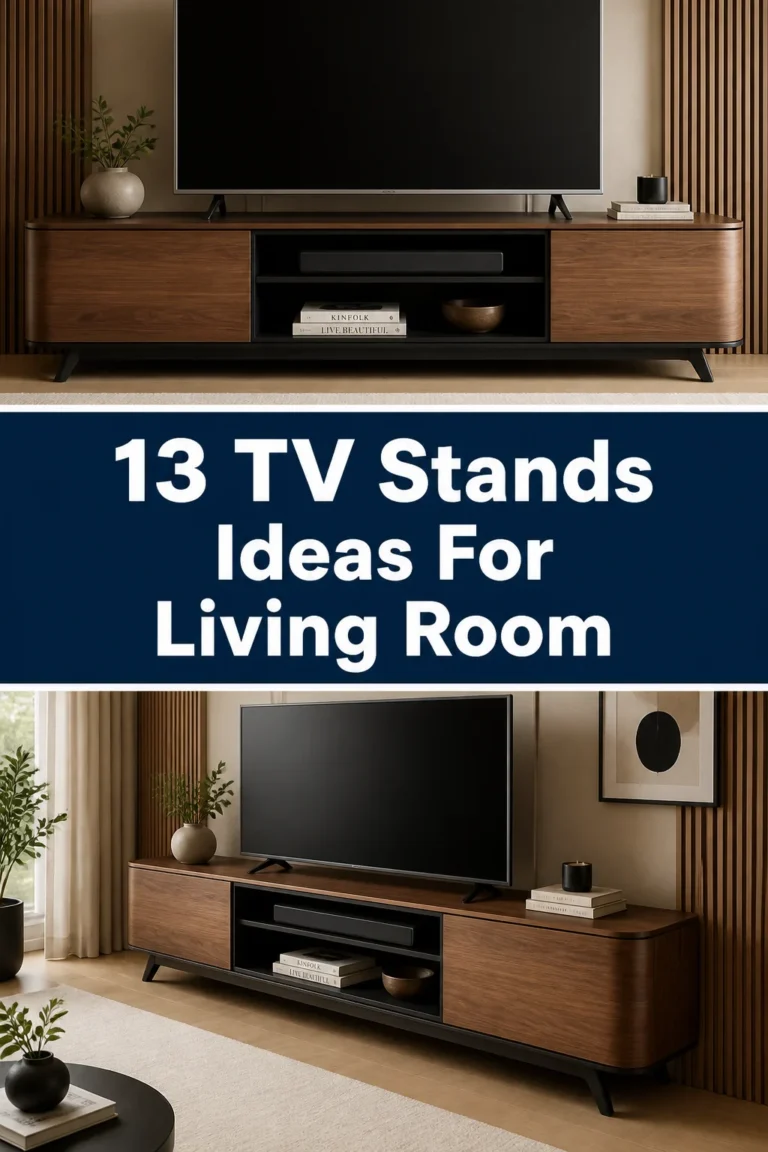
What’s the best way to handle the TV in a long room?
Position the TV in your primary viewing zone, ideally on one of the longer walls or a shorter end wall, depending on your layout. Consider a swivel mount for flexibility. If the TV is on a longer wall, try to balance it with other decor or a gallery wall to prevent it from being the sole focal point that emphasizes the room’s length.
Should I use a single color palette or different colors for each zone?
A cohesive color palette throughout the entire room is generally best to maintain a sense of unity and flow, even with distinct zones. You can introduce variations in shades, textures, and patterns within that palette to differentiate zones, but keeping a core set of colors will prevent the room from feeling too chaotic or disconnected.
Our Top Recommended Finds
- Modular Sectional Sofa: Offers flexibility to reconfigure and create custom seating arrangements for different zones.
- Large Round Mirror: An excellent tool for reflecting light and creating the illusion of width in a narrow space.
- Layered Area Rugs: Essential for defining distinct zones and adding warmth, texture, and color underfoot.
Embrace Your Long Living Room’s Potential!
Decorating a long living room doesn’t have to be a daunting task. With a little planning and strategic placement, you can create a space that feels both expansive and wonderfully cozy.
Think of its length as an opportunity for multiple functions, for different moods, and for endless possibilities to express your personal style.
Take these steps, trust your instincts, and start transforming your challenging space into the inviting home you’ve always dreamed of. Your perfect long living room awaits!