🦨 How To Get Rid Of Skunk Smell In House
I remember the night my golden retriever decided a backyard skunk was a new playmate.
Our once-cozy living room turned into a sulfurous nightmare in seconds, threatening the sanctuary we worked so hard to build.
I spent weeks perfecting the art of reclaiming my home’s freshness and style, and now I am sharing those hard-won secrets with you.
Quick Overview
Reclaiming your home from a skunk encounter is a marathon, not a sprint, but the results are worth the effort.
- Time needed: 24 to 48 hours for initial remediation; up to a week for deep scent removal.
- Difficulty: Intermediate.
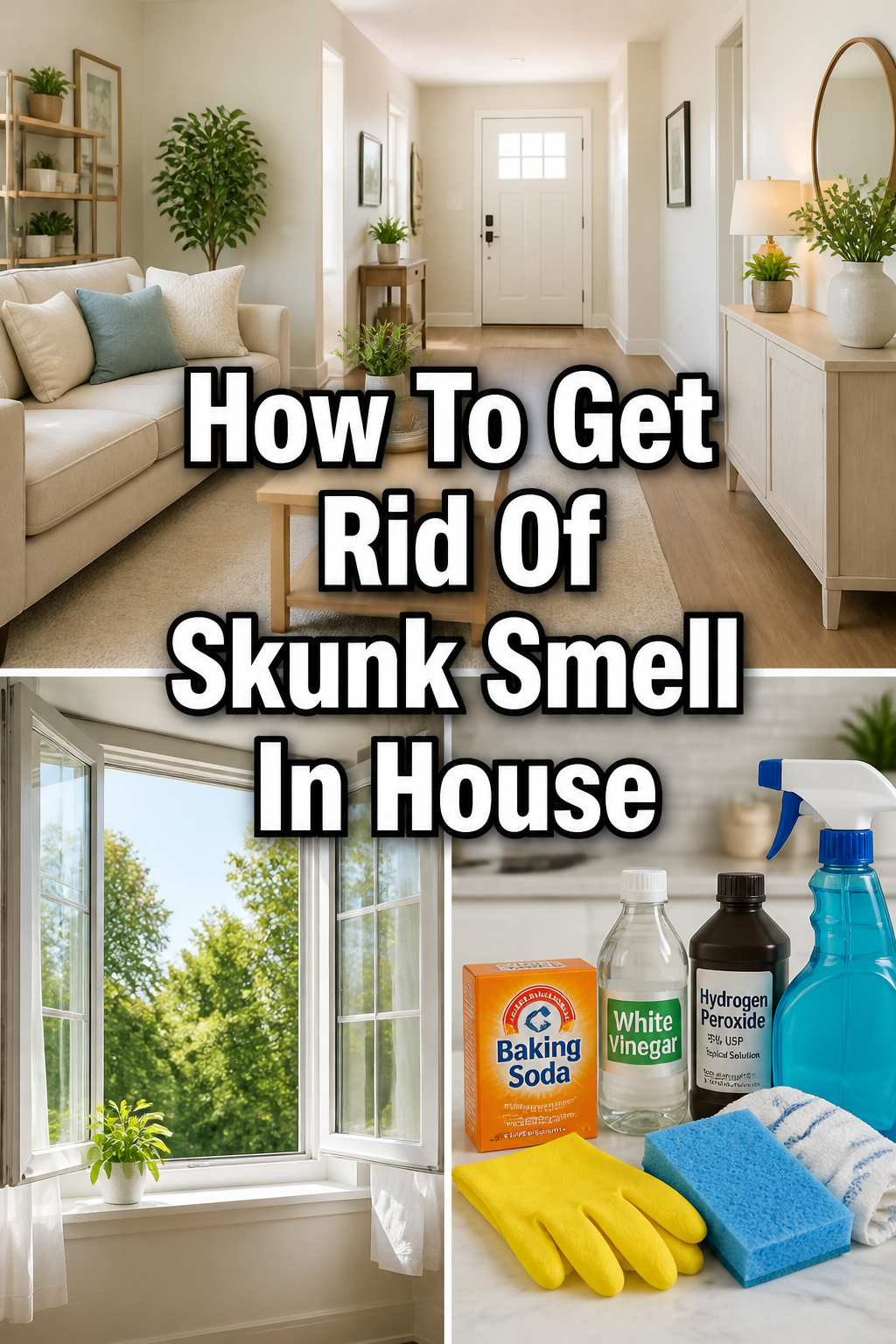
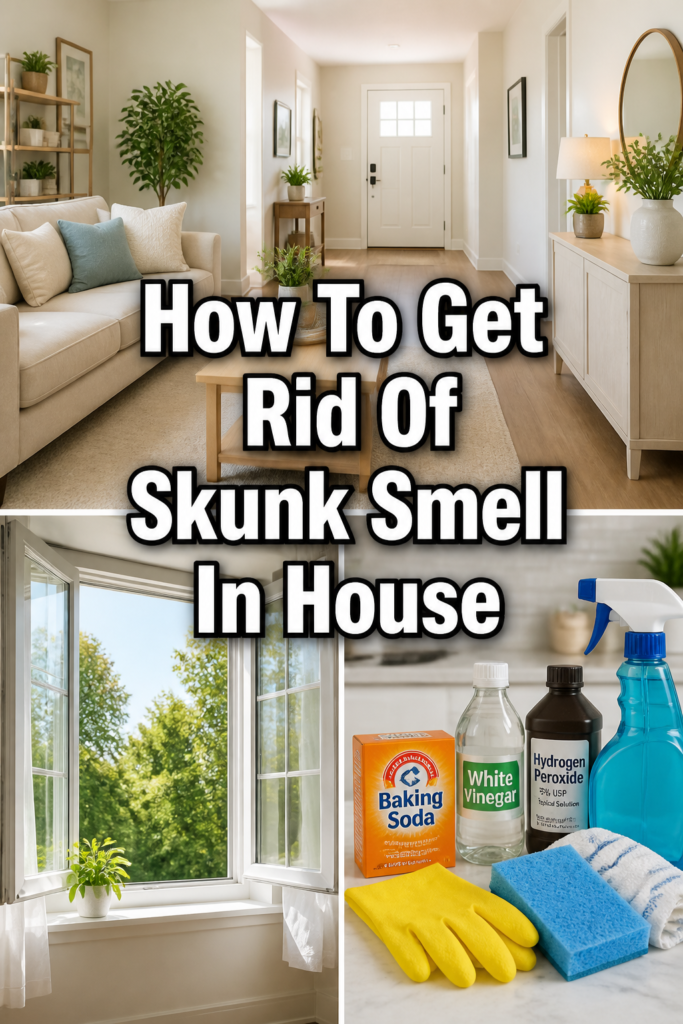
- What you’ll need: White vinegar, baking soda, dish soap, HEPA air purifier, and plenty of fresh air.
Step-by-Step Instructions
Step 1: Circulate the Air Immediately
The moment that pungent, oily scent hits your nostrils, your first instinct should be to open every portal to the outside world.
Fresh air is the most effective tool you have for diluting the concentrated thiols that make up skunk spray.
Think of your home as a breathing organism that needs a complete lung reset to feel like a sanctuary again.
- Open all windows and doors to create a cross-breeze that pulls the heavy air out of your living spaces.
- Turn on every ceiling fan in the house to keep the air moving and prevent the oils from settling into your furniture.
- Place box fans in windows, facing outward, to actively suck the contaminated air out of the rooms.
Pro Tip: If you have a beautiful sunroom or a porch, keep those transition doors open to maximize the airflow through your home’s layout.
Step 2: Neutralize with Vinegar Bowls
Vinegar is a miracle worker when it comes to breaking down the chemical bonds of skunk spray without ruining your home’s aesthetic.
Instead of using harsh chemicals that smell like a laboratory, you can use natural acids to gently lift the odor from the air.
This process allows you to maintain the cozy, organic feel of your home while performing a deep chemical cleaning.
- Fill several small, decorative ceramic bowls with plain white vinegar and place them discreetly around the affected rooms.
- Place these bowls on high shelves or tucked behind picture frames where they can work their magic without being seen.
- Change the vinegar every 24 hours until the sharpest notes of the skunk smell have completely vanished from the air.
Step 3: Launder Every Soft Textile
Skunk spray is an oil-based substance, which means it loves to cling to the soft, cozy textures that make a house a home.
Your velvet throw pillows, linen curtains, and wool blankets act like sponges for the lingering scent.
Taking the time to wash these items will not only remove the smell but also refresh the visual appeal of your room layouts.
- Strip all linens, including pillow covers, duvet covers, and even the curtains that frame your windows.
- Add a half-cup of baking soda to your regular laundry detergent to help neutralize the acidic nature of the skunk oil.
- Hang your fabrics outside to dry in the sun if possible, as UV rays are natural deodorizers that leave a crisp, clean scent.
Pro Tip: Use this as an opportunity to rotate your seasonal textiles, perhaps swapping out heavy winter throws for lighter, brighter fabrics.
Step 4: Deep Clean the Carpets and Rugs
The floor is the foundation of your room’s design, and it is also where the heaviest skunk particles tend to settle.
If you have a beautiful Persian rug or a plush wall-to-wall carpet, a simple vacuuming session won’t be enough to fix the problem.
You need to reach deep into the fibers to pull out the oily residue that is trapped near the backing of the carpet.
- Sprinkle a generous layer of baking soda over all carpeted areas and let it sit for at least four hours to absorb moisture.
- Vacuum the area thoroughly using a machine with a HEPA filter to ensure you aren’t just blowing the smell back into the room.
- Steam clean the rugs using a mixture of water and a specialized odor-neutralizing solution designed for pet accidents.
Step 5: Wash the Walls and Hard Surfaces
It sounds surprising, but skunk smell can actually “stick” to the paint on your walls and the finish on your wooden furniture.
If the smell persists after you have cleaned the fabrics and the air, the walls are likely the culprit.
A gentle wipe-down will restore the luster of your wall colors and ensure every inch of your space is truly clean.
- Mix a solution of warm water and a small amount of grease-cutting dish soap in a bucket.
- Wipe down the walls, baseboards, and door frames using a soft microfiber cloth that won’t scratch your paint.
- Focus on the areas near the floor and around entryways where the scent is most likely to be concentrated.
Step 6: Replace Your HVAC Filters
Your heating and cooling system is the heart of your home’s climate, but it can also circulate skunk odors through every room.
The filters in your furnace or air conditioner are designed to catch dust, but they can become saturated with skunk oils quickly.
Changing these filters is a practical step that ensures the air coming out of your vents is as fresh as a spring morning.
- Locate your air intake vents and remove the old, potentially smelly filters immediately.
- Install a high-quality carbon-pleated filter, which is specifically designed to trap and neutralize gaseous odors.
- Run the fan setting on your thermostat to continuously pull air through the new filter for the first 24 hours.
Pro Tip: Mark the date on your new filter so you can keep your home’s maintenance schedule on track for the rest of the year.
Step 7: Reintroduce Pleasant Scents
Once the offensive odor is gone, it is time to focus on the “hygge” aspect of your home by layering in beautiful scents.
This isn’t about masking a bad smell; it is about curating an inviting atmosphere that reflects your personal style.
Choose scents that complement your decor, like cedar for a rustic room or citrus for a modern, airy space.
- Light high-quality soy candles with natural essential oils to bring a warm, flickering glow to your coffee tables.
- Use an ultrasonic diffuser with peppermint or eucalyptus oils to create a spa-like feeling in your bedrooms.
- Simmer a pot of water on the stove with cinnamon sticks and orange peels for a classic, comforting aroma.
Common Mistakes to Avoid
Using Bleach on Everything
Many people panic and reach for the bleach, thinking it is the only way to kill a strong odor. Bleach is a harsh chemical that can ruin the finish on your hardwood floors and strip the color from your favorite designer fabrics. It also creates a clinical, unpleasant smell that clashes with a cozy home aesthetic. Stick to natural neutralizers like vinegar and baking soda to protect your home’s beauty.
Ignoring the “Oily” Nature of the Spray
Skunk spray isn’t just a gas; it is a yellowish oil that sticks to surfaces. If you only use air fresheners, you are ignoring the physical residue left behind on your walls and furniture. This residue will continue to off-gas for weeks if it isn’t physically removed with a degreasing agent like dish soap. Failing to clean the surfaces ensures the smell will return every time the humidity rises.
Closing the House Too Soon
It is tempting to close the windows once the air feels slightly better, especially if it is cold or hot outside. However, skunk thiols are incredibly persistent and can linger in stagnant air pockets. Closing the house prematurely traps the remaining molecules, allowing them to settle back into your clean textiles. Keep the airflow moving for at least 12 hours longer than you think you need to.
Troubleshooting
The Smell Returns When the Heater Turns On
If you notice a sudden waft of skunk when your furnace kicks in, the oils have likely settled inside your ductwork. This is common if the skunk was sprayed near an outdoor intake vent. You may need to have your ducts professionally cleaned to remove the residue from the interior metal surfaces. In the meantime, placing a scented dryer sheet over the vents can provide a temporary aesthetic fix.
Lingering Odor in Antique Wood Furniture
Porous wood can absorb odors more deeply than modern finished surfaces. If your grandmother’s oak dresser still smells like a skunk, do not saturate it with liquid cleaners. Instead, place a bowl of activated charcoal inside the drawers or cabinets to pull the scent out of the wood. This method is gentle on the antique finish while effectively purifying the air inside the piece.
The Dog Still Smells and Is Tracking It In
You can clean the house perfectly, but if your pet hasn’t been properly de-skunked, the cycle will continue. Use a mixture of one quart of 3% hydrogen peroxide, a quarter-cup of baking soda, and a teaspoon of liquid dish soap on the pet. This chemical reaction breaks down the oils before they can be transferred back onto your clean rugs and sofas. Ensure the pet is completely dry before allowing them back into your curated living spaces.
Key Takeaways
- Prioritize Airflow: Open windows and use fans to create a continuous stream of fresh air throughout your home.
- Neutralize, Don’t Mask: Use vinegar and baking soda to break down odors rather than just covering them with heavy perfumes.
- Clean Your Textiles: Wash every fabric item in the room to remove the oily residue that clings to soft surfaces.
- Maintain Your Systems: Change HVAC filters to ensure your home’s internal air circulation remains clean and fresh.
- Focus on Aesthetics: Use the cleaning process as a chance to refresh your room layouts and introduce high-quality natural scents.
Frequently Asked Questions
Does tomato juice actually work for skunk smells?
Tomato juice is a classic myth that doesn’t actually neutralize skunk spray. It mostly just masks the scent with a different strong smell, and the acidity can sometimes make the skunk oils even harder to remove. Furthermore, the red pigment can easily stain your carpets and furniture, ruining your home’s design. Stick to the peroxide and baking soda mixture for much better, stain-free results.
How long does skunk smell stay in a house if left alone?
If you do nothing, a strong skunk scent can linger in a home for up to three weeks, or even longer in humid conditions. The oils eventually break down on their own, but they will permeate your clothes and furniture in the process. Taking immediate action with the steps outlined above can reduce that timeframe to just a few days. Consistent cleaning ensures your home returns to its beautiful, inviting state much faster.
Can I use an ozone generator to get rid of the smell?
Ozone generators are powerful tools used by professionals, but they can be dangerous if used incorrectly in a residential setting. They can damage certain types of rubber and plastic found in modern decor and electronics. If you choose to use one, you must ensure that no people, pets, or plants are in the house during the process. For most homeowners, a high-quality HEPA air purifier with a carbon filter is a much safer and more practical choice.
Our Top Recommended Finds
- HEPA Air Purifier with Carbon Filter: Look for a model with a sleek, minimalist design that blends into your room’s aesthetic while filtering out microscopic odor particles.
- Natural Soy Candles: Choose scents like “Linen” or “Sea Salt” to provide a clean, refreshing finish to your room once the skunk smell is gone.
- Microfiber Cleaning Cloths: These are essential for wiping down walls and furniture without leaving lint or scratches on your beautiful surfaces.
Refresh Your Sanctuary Today
Now that you have the tools to banish that unwanted outdoor scent, you can focus on making your home feel like a retreat again.
Think about how you can use this fresh start to reorganize your favorite reading nook or update the textures in your living room.
A clean-smelling home is the perfect canvas for your next design project or a cozy evening with friends.
Take that first step by opening the windows and letting the fresh air breathe new life into your beautiful space.