🏡 How To Pack Up A House For Moving
Moving house can feel like climbing a mountain, especially when you look at all your cherished belongings.
I remember my first big move, surrounded by boxes, feeling overwhelmed by the sheer volume of things I’d accumulated.
This guide comes from years of experience, turning that daunting task into a series of manageable, even enjoyable, steps for you.
Quick Overview
This guide will gently walk you through the entire process of packing your home, helping you organize, declutter, and prepare your belongings for a smooth transition.
You’ll learn how to approach each room with a fresh perspective, making space for new memories and design dreams in your next cozy haven.
- Time needed: 4-8 weeks (depending on house size and personal pace)
- Difficulty: Intermediate
- What you’ll need: Packing boxes (various sizes), packing tape, bubble wrap, packing paper, markers, labels, trash bags, cleaning supplies, a moving checklist, and a positive mindset!
Step-by-Step Instructions
Step 1: Create Your Moving Blueprint
Before you lift a single item, visualize your new space. Imagine how your favorite armchair will look in the living room, or where your beloved books will find their new home.
This mental blueprint helps you decide what truly belongs in your next chapter, making decluttering much easier. Start with a clear plan for your packing journey.
- Gather all necessary packing supplies first. Having everything on hand prevents frustrating interruptions.
- Set a realistic timeline for each room. Break down the entire packing process into smaller, manageable chunks to avoid feeling rushed.
- Designate a “packing zone” in your current home. This could be a spare room or a corner where you can stage boxes without disrupting daily life too much.
Pro Tip: Create a simple floor plan of your new home. This helps you mentally assign items to rooms, making unpacking a breeze and inspiring your new aesthetic.
Step 2: Declutter with Intention
This is where the magic of a fresh start truly begins. Go through every item, asking yourself if it sparks joy, serves a purpose, or contributes to the cozy atmosphere you want to create.
Be honest and brave; letting go makes space for new energy and beauty in your life.
- Sort items into four categories: Keep, Donate/Sell, Trash, and Recycle. Be ruthless but kind to yourself.
- Handle sentimental items carefully. If they don’t fit your new vision, consider photographing them or creating a small memory box.
- Begin with less-used areas like the attic, garage, or guest room. This builds momentum before tackling daily living spaces.
Step 3: Pack Room by Room, Zone by Zone
Approaching your home one room at a time keeps the process organized and prevents chaos. Within each room, think about “zones” – like a reading nook, a kitchen pantry, or a craft corner.
This method helps you keep related items together, making unpacking feel like a natural rearrangement rather than a scramble.
- Start with items you don’t use daily. Seasonal decorations, extra linens, or infrequently used kitchen gadgets are perfect starting points.
- Group similar items together. All books from one shelf go together, all towels from one linen closet, all pantry staples.
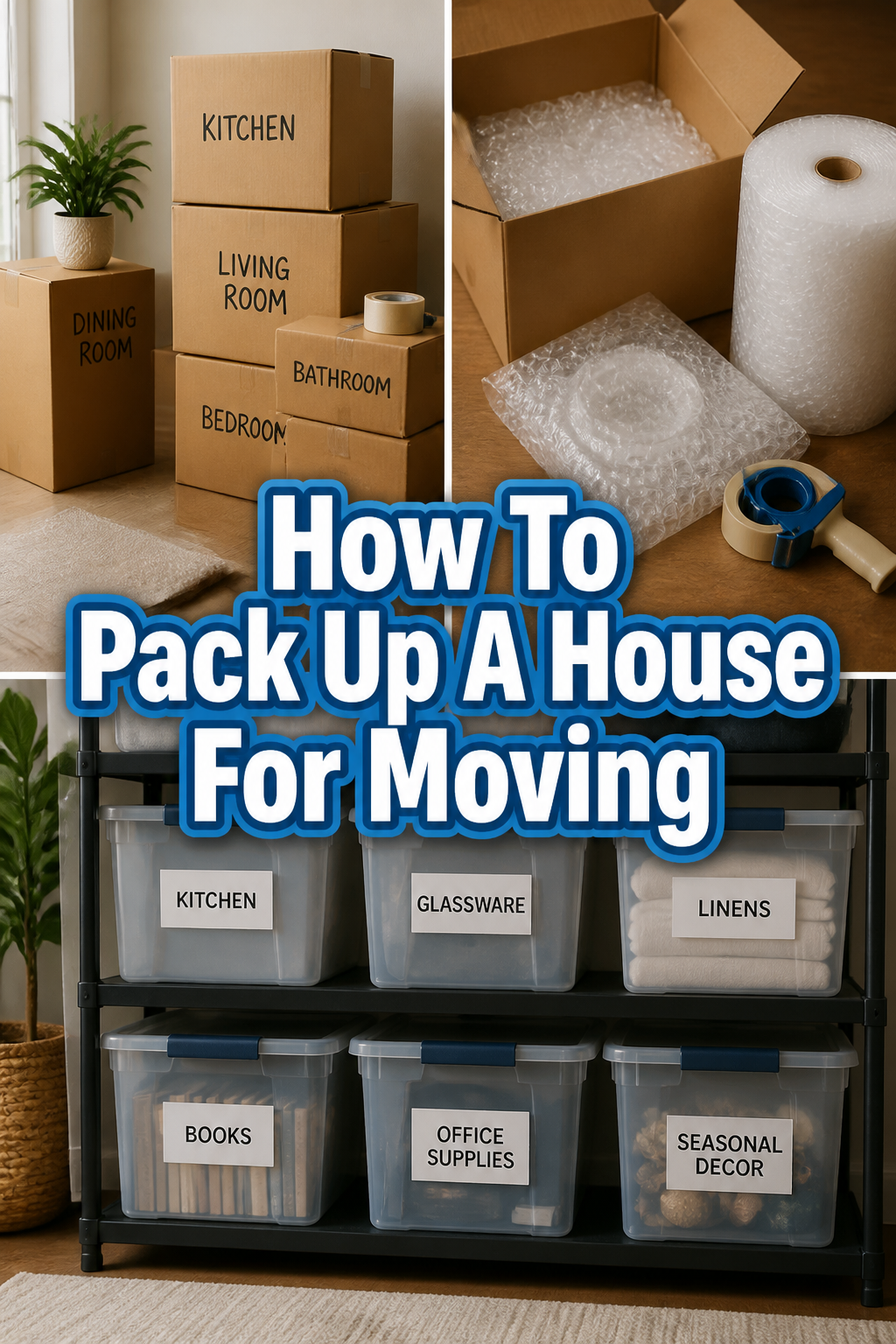
- Wrap fragile items individually with packing paper or bubble wrap. Place heavier items at the bottom of the box and lighter ones on top.
Step 4: Master the Art of Labeling
Clear, detailed labels are your best friends on moving day. They transform a mountain of anonymous boxes into an organized system, guiding movers and making your life so much easier.
Think of labels as signposts to your future cozy arrangements.
- Write the room name clearly on at least two sides of each box (e.g., “Kitchen,” “Master Bedroom”).
- List a brief description of contents (e.g., “Pots & Pans,” “Books & Decor”).
- Add special instructions like “Fragile” or “Open First” for essential items. Use different colored tape or markers for “Fragile” boxes.
Pro Tip: Create an “Essentials Box” for each person and one for the family. Include toiletries, a change of clothes, medications, snacks, pet supplies, and important documents. This box travels with you!
Step 5: Pack Smarter, Not Harder
Efficient packing isn’t just about fitting things into boxes; it’s about protecting your belongings and making the most of your supplies. Think creatively about how items can cushion each other.
This thoughtful approach ensures your treasures arrive safely, ready to enhance your new home’s aesthetic.
- Use linens, towels, and soft clothing to cushion fragile items. This saves on bubble wrap and utilizes items you’re already moving.
- Fill boxes completely to prevent items from shifting, but don’t overpack them to the point of bulging.
- Keep boxes to a manageable weight. If you can barely lift it, neither can your movers (or your back!).
Step 6: Tackle the Kitchen and Bathroom
These rooms often contain the most diverse and sometimes overwhelming array of items. They also hold many essentials you’ll need right up until moving day.
Approach them with a strategy, focusing on what you use daily versus what can be packed early.
- Start with pantry items, small appliances, and serving dishes in the kitchen. Leave out only essential cooking tools and a few plates.
- Pack toiletries and cleaning supplies in the bathroom, keeping only what’s needed for the last few days. Consider using sealed plastic bins for liquids.
- Defrost and clean your refrigerator and freezer a few days before the move. Plan meals to use up perishable food.
Step 7: Disassemble Furniture Thoughtfully
Larger furniture pieces often need to be taken apart for safe transport. This step requires patience and organization to ensure everything can be reassembled smoothly.
Think of it as preparing the bones of your new cozy spaces.
- Take photos of furniture before disassembling it. This provides a helpful visual guide for reassembly.
- Place all screws, bolts, and small parts in a clearly labeled Ziploc bag. Tape the bag securely to the corresponding piece of furniture.
- Wrap exposed edges or delicate parts with moving blankets or bubble wrap to prevent scratches.
Step 8: The “Open First” Box
This is arguably the most important box you’ll pack. It’s the one that greets you in your new home, offering comfort and immediate necessities.
Imagine arriving after a long day of moving and having everything you need to feel settled, even amidst the boxes.
- Include basic cleaning supplies, toilet paper, hand soap, a shower curtain, towels, and essential toiletries.
- Add a few plates, cups, cutlery, a coffee maker, and some non-perishable snacks or instant meals.
- Pack a basic tool kit (screwdriver, hammer) for immediate furniture assembly or small fixes.
- Don’t forget phone chargers, a first-aid kit, and any important documents you’ll need access to right away.
Common Mistakes to Avoid
Underestimating Time and Effort
Many people think packing will take just a weekend. The reality is, a thorough and organized pack takes significantly longer than anticipated, especially when decluttering is involved.
Start early, give yourself grace, and break the process into small, manageable tasks to avoid last-minute stress.
Mixing Items from Different Rooms
It might seem efficient to fill a box with items from various rooms just to get them packed. However, this creates a nightmare when you’re trying to unpack and organize your new home.
Stick to the room-by-room, zone-by-zone method. Your future self will thank you when everything is where it should be.
Skipping the Decluttering Phase
Packing items you don’t truly need or want means you’re paying to move clutter. This wastes time, effort, and money, and brings unwanted baggage into your new aesthetic.
Be intentional about what you bring into your next chapter. A decluttered move is a lighter, happier move.
Not Labeling Clearly or Thoroughly
Vague labels like “Misc.” or “Stuff” are unhelpful. When you’re tired and surrounded by boxes, you won’t remember what “Stuff” means.
Take the extra minute to write detailed labels for each box, including the room and a brief list of contents. This small effort saves hours of frustration later.
Troubleshooting
Feeling Overwhelmed and Stalled
It’s completely normal to feel a sudden wave of overwhelm during the packing process. When this happens, take a break. Step away from the boxes for a bit.
Come back with a fresh perspective and tackle just one small task. Pack a single drawer, or sort one shelf. Small victories build momentum and confidence.
Running Out of Packing Supplies
Realizing you’re out of tape or boxes mid-pack can halt your progress. This usually happens because initial estimates were too low.
Keep a running inventory of your supplies and reorder well in advance. Consider buying slightly more than you think you need; it’s better to have a few extra boxes than to run short.
Damaged Items During the Move
Despite careful packing, sometimes items still get damaged. This can be heartbreaking, especially for cherished pieces.
Ensure you have adequate moving insurance. Take photos of valuable or fragile items before packing them. This documentation can be crucial for insurance claims and provides peace of mind.
Key Takeaways
- Plan Ahead: Start early and create a detailed timeline to reduce stress.
- Declutter Ruthlessly: Only bring items that serve a purpose or spark joy in your new home.
- Pack Systematically: Work room by room, zone by zone, to maintain order.
- Label Meticulously: Clear labels save immense time and effort during unpacking.
- Prioritize Essentials: Prepare an “Open First” box for immediate needs upon arrival.
- Protect Your Belongings: Use proper packing materials and techniques to ensure safe transit.
Frequently Asked Questions
When should I start packing for my move?
Ideally, you should start packing at least 4-6 weeks before your moving date. This gives you ample time to declutter thoroughly and pack at a relaxed pace, especially if you have a larger home or many belongings. Starting early prevents last-minute panic and allows for thoughtful organization.
What should I do with perishable food items?
Plan your meals in the weeks leading up to your move to gradually use up perishable foods. Donate unopened, non-perishable items to a local food bank. On moving day, only transport non-perishable, essential items that are well-sealed, and ensure your fridge/freezer is defrosted and cleaned.
How can I make unpacking easier in my new home?
The key to easy unpacking lies in thorough packing and labeling. With boxes clearly marked for specific rooms and contents, you can direct movers to place boxes directly where they belong. Start by unpacking your “Open First” box and then tackle one room at a time, beginning with essentials like the kitchen and bedrooms.
Should I hire professional packers?
Hiring professional packers can save you a significant amount of time and effort, especially if you have a busy schedule, a large home, or many fragile items. While it adds to the cost, the convenience and expertise can be invaluable, ensuring your belongings are packed efficiently and safely.
Our Top Recommended Finds
- Sturdy Cardboard Boxes (various sizes): Essential for organizing and protecting your items. Look for double-walled options for heavier goods.
- Heavy-Duty Packing Tape with Dispenser: A strong adhesive is crucial, and a dispenser makes sealing boxes much quicker and easier.
- Bubble Wrap and Packing Paper: Indispensable for cushioning fragile items and preventing scratches.
Embracing Your Next Chapter
Packing up your home is more than just putting things into boxes; it’s about curating your life, preparing for new beginnings, and designing the cozy future you envision.
Each box represents a step towards a fresh start, a new layout, and a renewed sense of home.
Take these steps to heart, infuse them with your unique style, and embark on this exciting journey with confidence and a warm, hopeful spirit. Your beautiful new home awaits!