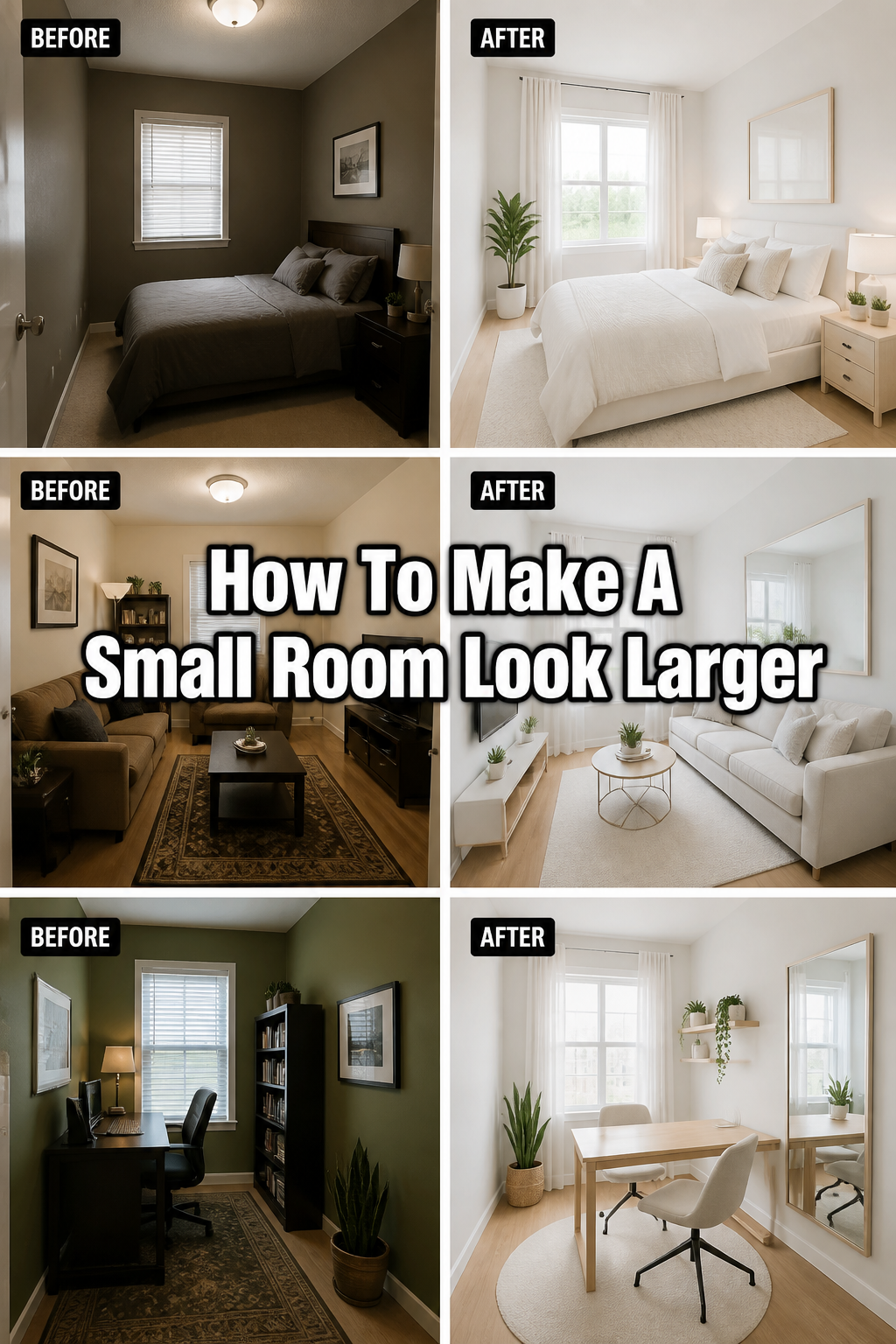
✨ How To Make A Small Room Look Larger
Oh, the charm and challenge of a small room! I remember staring at my tiny first apartment, feeling overwhelmed by its cozy confines.
Through years of experimenting and helping friends, I’ve discovered that making a small space feel expansive isn’t about magic, but smart design.
This guide shares those practical, heartwarming tricks I’ve learned, turning cramped into comfortable and captivating.
Quick Overview
Ready to transform your snug space into an airy sanctuary? This guide will walk you through clever design choices and layout strategies that visually expand any room.
You’ll learn how to harness light, choose the right colors, and arrange your belongings to create an illusion of greater square footage.
- Time needed: 1-3 weekends (depending on scope of changes)
- Difficulty: Beginner
- What you’ll need: Paint, brushes, measuring tape, mirror, decluttering supplies, open mind
Step-by-Step Instructions
Step 1: Embrace the Power of Decluttering
Before any design magic can happen, we need to clear the slate. Clutter is the number one enemy of a small space, making it feel suffocating.
This initial step is about ruthless editing, letting go of items that don’t serve a purpose or bring joy.
- Remove everything from the room, if possible, to get a fresh perspective.
- Sort items into three piles: Keep, Donate/Sell, Trash. Be honest with yourself.
- Store off-season items or things not used daily in discreet, organized containers elsewhere.
- Organize what you keep, ensuring every item has a designated home.
Pro Tip: Think of decluttering as creating breathing room for your home and your mind. A clear space equals a clear head.
Step 2: Master the Art of Light Colors
Light colors are your best friends in a small room. They reflect light, making walls recede and creating an open, airy feeling.
Think beyond just white; soft grays, gentle blues, and pale greens can also work wonders.
- Choose a light, neutral paint color for your walls. Eggshell or satin finishes reflect light best.
- Paint the ceiling the same color as the walls, or a slightly lighter shade. This blurs the lines and makes the room feel taller.
- Consider a monochromatic scheme. Using varying shades of the same light color throughout the room creates visual continuity.
- Opt for light-colored furniture and textiles where possible to maintain the expansive feel.
Step 3: Strategically Place Mirrors
Mirrors are an interior designer’s secret weapon for making small spaces appear larger. They reflect light and create the illusion of depth.
Placement is key to maximizing their impact and avoiding a cluttered look.
- Hang a large mirror on a wall opposite a window. This will reflect natural light and the view, effectively doubling the perceived size of the room.
- Lean a full-length mirror against a wall. This adds height and depth without needing to be hung.
- Incorporate mirrored furniture, like a mirrored coffee table or nightstand, for subtle light reflection.
- Avoid too many small mirrors, which can make a space feel busy rather than expansive.
Step 4: Optimize Furniture Layout and Scale
The way you arrange your furniture dramatically impacts how large or small a room feels. Choosing the right size and type of furniture is equally important.
Focus on functionality and visual lightness.
- Select furniture that is proportionate to the room. Oversized pieces will overwhelm the space.
- Choose pieces with exposed legs. Sofas, chairs, and tables that allow light to pass underneath create a sense of openness.
- Push larger furniture pieces against the walls to maximize floor space in the center.
- Arrange furniture to create clear pathways. Obstructed walkways make a room feel cramped.
- Consider a single large piece, like a sofa, instead of multiple smaller ones. This can make the room feel less cluttered.
Pro Tip: Multi-functional furniture is a game-changer. An ottoman with storage, a sofa bed, or nesting tables save space without sacrificing utility.
Step 5: Embrace Vertical Space
When you can’t go out, go up! Utilizing vertical space draws the eye upward, making ceilings appear taller and rooms feel grander.
This strategy also offers valuable storage solutions.
- Install tall, narrow bookshelves or shelving units. Fill them with books, decor, and plants.
- Hang curtains high and wide. Mount curtain rods several inches above the window frame and extend them beyond the window’s width.
- Choose floor-to-ceiling drapes in a light, solid color. This creates a continuous vertical line.
- Add vertical wall art or gallery walls that encourage the eye to travel upwards.
Step 6: Integrate Strategic Lighting
Good lighting can dramatically alter the perception of space. A well-lit room feels larger and more inviting than a dimly lit one.
Layering different types of light is key.
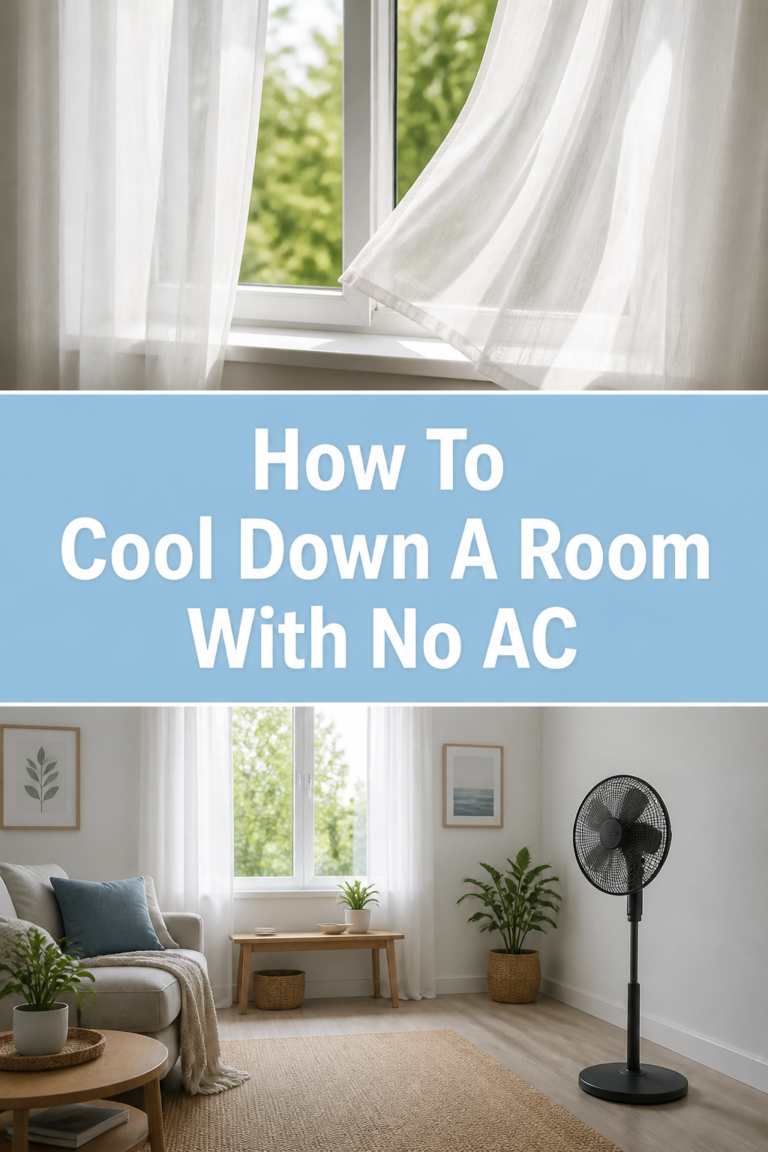
- Maximize natural light. Keep windows uncovered during the day, or use sheer curtains.
- Install recessed lighting or flush-mount fixtures to keep the ceiling visually clear.
- Add floor lamps and table lamps to create pools of light, adding depth and warmth.
- Use sconces or wall-mounted lights to free up floor and surface space.
- Ensure all corners of the room are well-lit to prevent dark shadows that shrink a space.
Step 7: Opt for Transparent or Leggy Furniture
Furniture that you can see through or under helps maintain an open, airy feel. It tricks the eye into perceiving more open space.
This is a clever way to add functionality without visual bulk.
- Choose acrylic or glass coffee tables and side tables. They practically disappear into the room.
- Select chairs with open backs or slender legs. Dining chairs, for instance, can make a big difference.
- Consider shelves made of glass or light wood with an open design.
- Embrace furniture on slender, elevated legs rather than solid, bulky bases.
Step 8: Use Area Rugs Wisely
Area rugs can define zones and add warmth, but they need to be chosen carefully in a small room. The wrong size can make a room feel chopped up.
Go big or go home, literally, when it comes to rugs in small spaces.
- Select a large rug that covers most of the floor, leaving only a small border of bare floor around the edges. This makes the room feel more expansive.
- Ensure that at least the front legs of all major furniture pieces rest on the rug.
- Choose light-colored rugs, or rugs with subtle patterns, to maintain an airy feel.
- Avoid small, “floating” rugs that only cover a tiny portion of the floor; they can make the room feel smaller.
Step 9: Thoughtful Accessorizing and Decor
Accessories add personality, but too many can quickly overwhelm a small space. Be deliberate and choose pieces that enhance, rather than clutter.
Less is often more when it comes to decor in tiny rooms.
- Select a few larger statement pieces rather than many small knick-knacks.
- Group similar items together on a tray or shelf to create a cohesive display.
- Incorporate plants to bring life and freshness into the room. Choose tall, slender plants or hanging plants.
- Use art strategically. A large piece of art can make a statement and define a wall without adding visual clutter.
- Keep surfaces clear. A tidy surface instantly makes a room feel more spacious.
Step 10: Embrace a Cohesive Color Palette
A unified color scheme helps a small room flow seamlessly, making it feel larger and more serene. Avoid too many jarring colors.
Think about continuity across different elements in the room.
- Stick to a palette of 2-3 main colors, primarily light and neutral.
- Use pops of a brighter accent color sparingly, perhaps in a cushion or a piece of art.
- Ensure that your wall color, furniture, and textiles work harmoniously together.
- Consider painting adjacent small rooms in similar light tones to create a sense of continuous space.
Common Mistakes to Avoid
Over-stuffing the Room
It’s tempting to try and fit all your cherished possessions into a small room. However, a crowded space instantly feels smaller and more cluttered. Resist the urge to fill every corner with furniture or decor.
Instead, prioritize essential pieces and leave ample negative space. This allows the eye to rest and makes the room feel more open.
Ignoring Vertical Space
Many people focus only on floor space and forget the potential of walls and ceilings. Leaving vertical space unused is a missed opportunity to expand your room visually and practically.
Make sure to draw the eye upwards with tall shelves, high-hung curtains, or vertical art. This creates an illusion of height and spaciousness.
Using Dark, Heavy Colors
While a dark accent wall can be dramatic in a large room, using dark or heavy colors throughout a small space will make the walls appear to close in. These colors absorb light, making the room feel smaller and often gloomy.
Always lean towards lighter, brighter colors that reflect light and expand the visual boundaries of the room.
Choosing Too Many Small Pieces of Furniture
A collection of small, disconnected furniture pieces can make a room feel like a jumble, breaking up the flow and making it appear more cramped. This creates a busy and disjointed look.
Instead, opt for fewer, larger, and well-proportioned pieces that serve multiple functions or have a lighter visual footprint. This creates a more cohesive and open feel.
Troubleshooting
My room still feels dark and closed in.
If your room still feels dim, reassess your lighting strategy. Are your windows unobstructed during the day? Consider sheer window treatments if privacy is a concern. At night, ensure you have multiple light sources – overhead, task, and accent lighting – to illuminate all corners and prevent shadows from shrinking the space.
Also, double-check your paint color; sometimes a seemingly light shade can still have undertones that absorb light. A fresh coat of a true bright white or a very pale neutral might be needed.
I’ve decluttered, but it still feels messy.
Even after decluttering, if items lack a designated home, they will inevitably drift into piles. The key to lasting tidiness in a small room is smart storage solutions. Invest in closed storage like cabinets, ottomans with lids, or decorative boxes that conceal clutter.
Utilize wall-mounted shelves or hooks to get items off surfaces. A place for everything, and everything in its place, is crucial for a small room’s sense of calm and order.
My furniture feels too bulky despite having thin legs.
The issue might be the overall scale or quantity of your furniture. Even leggy pieces can overwhelm if there are too many of them or if they’re simply too large for the room’s footprint. Try removing one non-essential piece to see if it frees up visual space.
Consider swapping a traditional coffee table for nesting tables or a wall-mounted shelf. Sometimes, simplifying the furniture arrangement to just the absolute essentials can make a huge difference.
Key Takeaways
- Declutter Relentlessly: Less truly is more in a small space; open surfaces create calm.
- Embrace Light Colors: Pale hues on walls and ceilings reflect light, making rooms feel expansive.
- Use Mirrors Strategically: Place large mirrors opposite windows to double light and perceived space.
- Choose Proportionate Furniture: Opt for pieces with exposed legs and a scale appropriate to the room’s size.
- Utilize Vertical Space: Draw the eye upwards with tall shelves and high-hung curtains to enhance height.
- Layer Your Lighting: Combine natural light with overhead, task, and accent lighting to brighten every corner.
Frequently Asked Questions
Can I use any bold colors in a small room?
Yes, you can! While light colors are generally best for overall expansion, a small pop of bold color can add personality without overwhelming the space. Consider an accent cushion, a vibrant piece of art, or a small decorative object. The key is to use it sparingly and ensure the majority of your room remains light and airy.
What about wallpaper? Can it make a small room look larger?
Wallpaper can absolutely work! Choose wallpapers with subtle, small-scale patterns or designs that have a vertical orientation to draw the eye up. Avoid large, busy patterns which can make a room feel too enclosed. A textured wallpaper in a light, neutral tone can also add depth without shrinking the space.
Should all my furniture be white or light-colored?
Not necessarily all of it, but a majority will help. Having some key pieces in light colors, like your sofa or main shelving, contributes significantly to an open feel. You can introduce warmth and texture with darker wood accents, metallic finishes, or a few colorful throw pillows. It’s about balance and ensuring the overall impression is bright.
How can I make my small bedroom feel cozy but not cramped?
For a cozy yet spacious bedroom, focus on soft textures and warm, inviting light. Use light colors on walls and bedding. Choose a bed frame with an open design or storage underneath. Layer soft throws and pillows in a cohesive, light color palette. Strategic lighting, like bedside lamps with warm bulbs, can create a snug atmosphere without making the room feel smaller.
Our Top Recommended Finds
- Large Wall Mirror: A full-length or generously sized mirror instantly bounces light and creates depth.
- Multi-functional Storage Ottoman: Perfect for hiding clutter while offering extra seating or a footrest.
- Sheer White Curtains: Allow maximum natural light to filter in while providing a touch of softness and privacy.
Your Journey to a More Spacious Home Begins Now
Isn’t it amazing how a few clever choices can completely transform the feel of your home?
Making a small room look larger is more than just a design trick; it’s about creating a living space that feels more comfortable, more serene, and more truly yours.
You have the power to infuse your home with warmth and openness, no matter its current size. Why not take one small step today?
Perhaps you’ll start by decluttering that one corner, or maybe you’ll browse for that perfect light paint color. Each little change builds towards a big difference.
Embrace the potential of your small space and watch it blossom into a place you love even more. Happy designing!