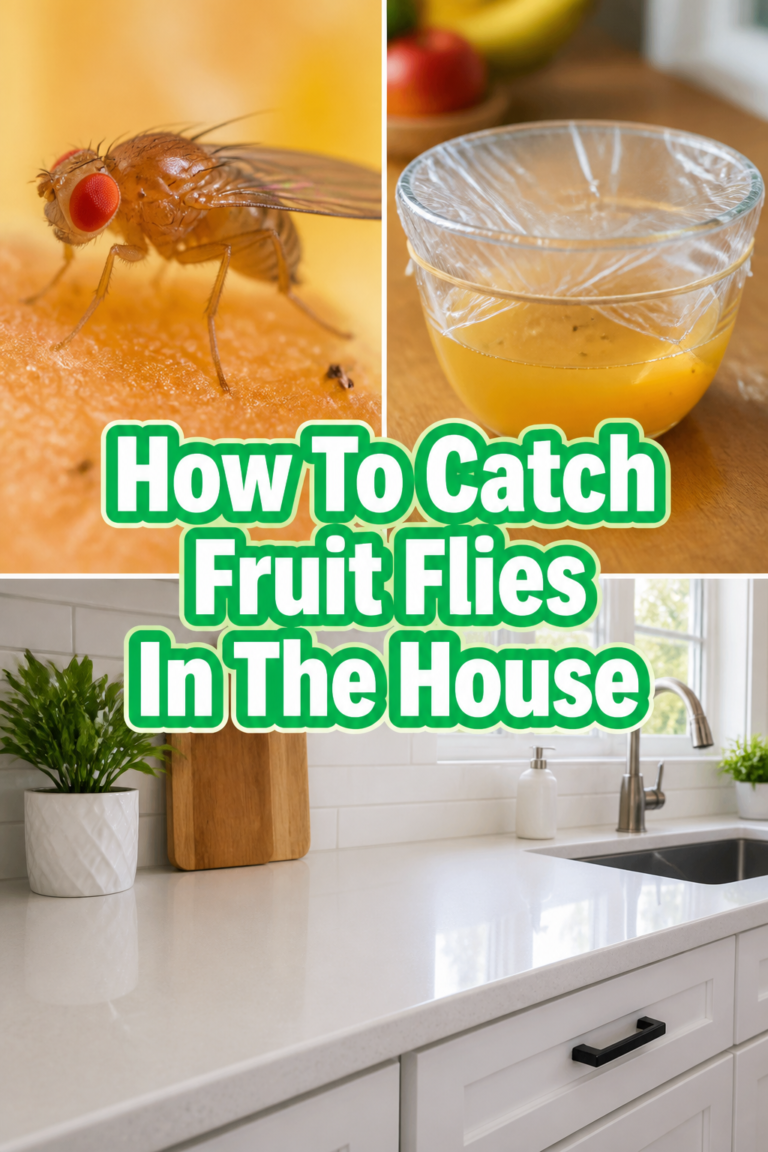
✨ How To Catch Flies In Your House
There’s nothing quite like settling into a perfectly tidy, beautifully arranged living space, only to have the peaceful atmosphere interrupted by the buzzing of a housefly.
I know that feeling well, having spent countless afternoons perfecting my own cozy corners, only to find an unwelcome guest circling overhead.
Over the years, I’ve discovered gentle yet effective ways to reclaim my serene sanctuary, and I’m excited to share those practical, design-friendly methods with you today.
Quick Overview
This guide will equip you with simple, elegant strategies to manage and catch flies, ensuring your home remains a tranquil haven.
You’ll learn how to create a fly-free zone that complements your home’s aesthetic, rather than detracting from it.
- Time needed: 15-30 minutes for initial setup, ongoing minimal maintenance
- Difficulty: Beginner
- What you’ll need: Common household items like apple cider vinegar, dish soap, fruit, small bowls, and perhaps a stylish fly swatter.
Step-by-Step Instructions
Step 1: Observe Your Uninvited Guests
Before you can effectively catch flies, it’s helpful to understand their habits and where they congregate.
Take a few moments to simply watch them.
Notice which windows they prefer, what kind of light attracts them, and if they’re drawn to specific areas like the kitchen or dining room.
This observation helps you place your traps strategically, making them much more effective.
Pro Tip: Pay attention to the type of fly. Small fruit flies often hover around ripe produce, while larger houseflies might be more attracted to general food odors or warmth. Tailoring your approach to the specific fly type yields better results.
Step 2: Craft a Charming Apple Cider Vinegar Trap
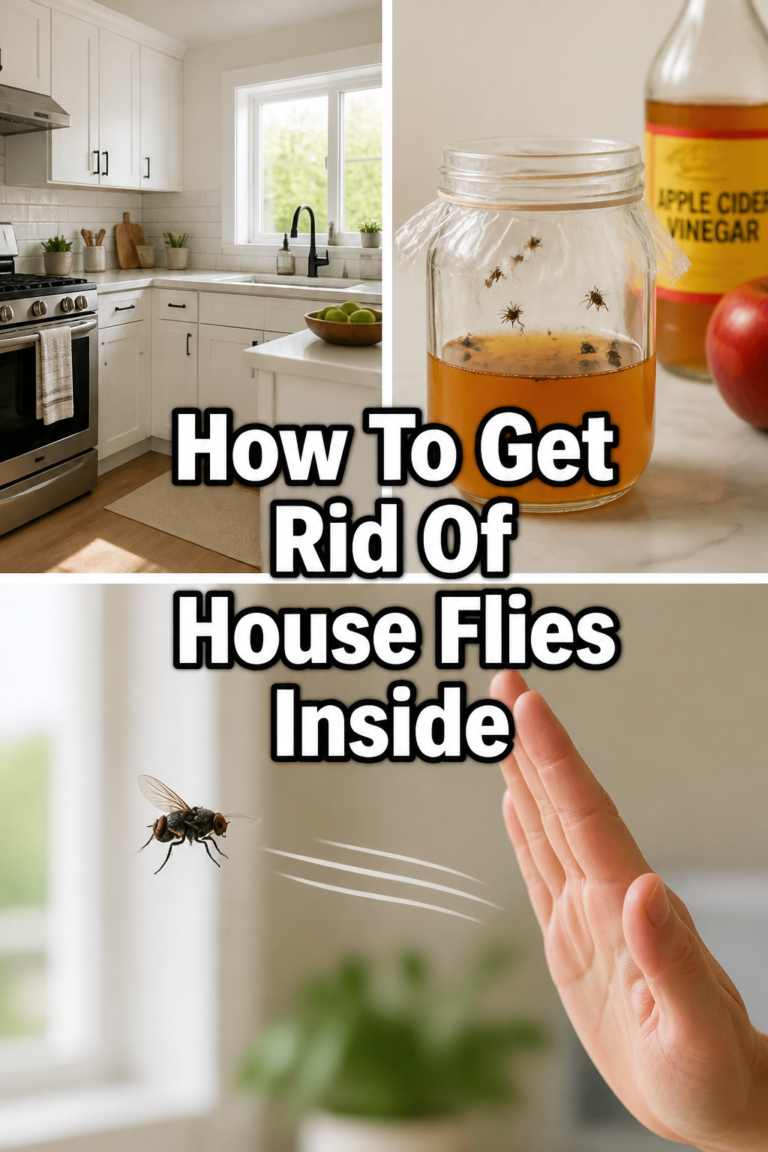
This is a classic for a reason: it’s incredibly effective, easy to make, and can be designed to blend seamlessly into your decor.
Flies are drawn to the fermented scent of apple cider vinegar.
- Gather a small, shallow bowl – perhaps one of your favorite ceramic ramekins or a decorative glass dish.
- Pour about an inch of apple cider vinegar into the bowl.
- Add a few drops of liquid dish soap. The soap breaks the surface tension of the vinegar, ensuring the flies sink rather than just landing and flying away.
- Cover the bowl tightly with plastic wrap. Use a rubber band to secure it around the rim.
- Poke several small holes in the plastic wrap with a toothpick. These holes should be just large enough for a fly to enter, but not so big they can easily escape.
Place this trap in areas where you’ve seen the most fly activity, ideally out of direct sunlight but where the scent can waft.
Step 3: Set a Sweet Fruit Bait
For those pesky fruit flies, a sweet bait is often irresistible.
This method works wonders, especially in kitchens where fruit is often displayed.
- Select a small piece of overly ripe fruit – a banana peel, a slice of apple, or a few berries work wonderfully.
- Place the fruit in a jar or a small, decorative bowl.
- Add a splash of apple cider vinegar or a few drops of red wine to enhance the allure.
- Cover the opening with plastic wrap, securing it with a rubber band.
- Puncture tiny holes in the plastic, just like with the vinegar trap.
Position this trap near your fruit bowl or wherever you notice fruit flies gathering, perhaps tucked behind a cookbook stand or a potted herb plant.
Step 4: Employ a Gentle Physical Approach
Sometimes, a direct approach is needed, but it doesn’t have to be jarring.
A well-chosen fly swatter can be both effective and a subtle accessory.
- Invest in a stylish fly swatter. Think bamboo, leather, or a design that complements your home’s aesthetic. Keep it within reach but out of plain sight, perhaps in a decorative basket or a utility drawer.
- Wait patiently. Flies are often drawn to light, so observe them near windows or lamps.
- Approach slowly and deliberately. A quick, decisive motion is key to success.
For those who prefer not to use a swatter, a simple hand clap can sometimes startle them enough to change their trajectory, allowing you to guide them towards an open window.
Step 5: Strategically Place Sticky Traps (Discreetly)
While sticky traps might not always be the most aesthetically pleasing, they are undeniably effective.
The trick is to use them wisely and discreetly.
- Choose smaller, less obtrusive sticky traps, perhaps those designed for windows.
- Position them on the inside corner of a window pane, where they are less visible but still catch flies drawn to the light.
- Consider placing them inside a pantry or a cabinet where flies might hide, keeping them completely out of sight.
Remember to check and replace these traps regularly to maintain effectiveness and cleanliness.
Pro Tip: Some companies offer decorative sticky traps designed to look like window decals or even small, stylish hanging ornaments. These can be a fantastic way to blend utility with beauty.
Step 6: Cultivate a Clean and Inviting Environment
Prevention is always the best strategy for a truly fly-free home.
A tidy space naturally deters flies from wanting to linger.
- Wipe down surfaces regularly, especially in the kitchen and dining areas.
- Store food in airtight containers. This includes fruits and vegetables on counters.
- Empty trash cans frequently, especially those containing food waste. Use bins with tight-fitting lids.
- Address any standing water, as flies often breed in moist environments.
- Ensure your window screens are intact and free of holes, acting as your first line of defense.
A clean home is not only more inviting for you but far less appealing to flies, reducing the need for active catching.
Step 7: Harness the Power of Natural Repellents
Certain scents that we find delightful, flies find quite off-putting.
Incorporating these into your home can add to your ambiance while deterring pests.
- Diffuse essential oils like peppermint, eucalyptus, lavender, or citronella in areas where flies are common.
- Place pots of fresh herbs like basil, mint, or rosemary on windowsills or kitchen counters. Not only do they look charming, but their aroma can help deter flies.
- Create small sachets of dried cloves or bay leaves and tuck them into fruit bowls or near entryways.
These natural elements contribute to a fresh, pleasant scent profile in your home, making it less attractive to flies without harsh chemicals.
Step 8: Regular Monitoring and Refreshing
Maintaining a fly-free environment is an ongoing, gentle process.
It’s about consistent care for your living space.
- Check your traps daily or every other day. Once they’re full, dispose of them promptly and create fresh ones.
- Refresh your essential oil diffusers or herb pots as needed to keep their deterrent power strong.
- Perform quick clean-ups after meals and cooking to eliminate any potential attractants.
This routine ensures your methods remain effective and your home consistently retains its peaceful, fly-free state.
Common Mistakes to Avoid
Ignoring Entry Points
Many people focus solely on catching flies already inside, forgetting how they got there in the first place. Overlooking torn window screens, gaps under doors, or even open windows can lead to a never-ending battle. Always check and seal potential entry points to significantly reduce the number of flies entering your home.
Using Overly Aggressive or Toxic Solutions
While chemical sprays might seem like a quick fix, they can introduce unpleasant odors and harmful substances into your carefully curated living space. These often disrupt the serene atmosphere you’re trying to create. Opt for natural, gentle methods first, reserving harsher options only for severe infestations and always using them with caution and proper ventilation.
Placing Traps in Obvious, High-Traffic Areas
While traps need to be effective, they don’t need to be an eyesore. Placing a sticky trap right in the middle of your dining table or a fly zapper in your main living area can detract from your home’s aesthetic. Instead, strategically place traps in less conspicuous spots where flies naturally gravitate, like near windows, behind plants, or in corners.
Neglecting Regular Maintenance
A common pitfall is setting up traps or deterrents and then forgetting about them. An old, full fly trap is not only ineffective but can also become unsanitary and unsightly. Similarly, letting food waste accumulate or not refreshing natural repellents diminishes their effectiveness. Consistency is key to a truly fly-free home.
Troubleshooting
My Traps Aren’t Catching Anything
If your traps seem ineffective, re-evaluate their placement. Flies are often drawn to light or specific food sources. Ensure your trap is in a high-traffic area for flies, perhaps closer to a window or where you’ve noticed them congregating most.
Also, check the freshness of your bait. Overly old vinegar or fruit may lose its allure. A fresh batch can make all the difference. Ensure the dish soap is adequately mixed into the vinegar to break surface tension effectively.
Flies Keep Returning Quickly
This usually indicates that you’re addressing the symptom, not the source. Double-check for any open entry points like unsealed windows or doors, or tears in screens. Flies might also be breeding nearby, so inspect for standing water, uncovered compost, or decaying organic matter inside or very close to your home.
Thorough cleaning, especially of food preparation areas and waste bins, is paramount. A persistent influx suggests a continuous source of attraction or entry that needs to be located and eliminated.
I’m Seeing Different Types of Flies
Different flies are attracted to different things. If you initially targeted fruit flies but are now seeing larger houseflies, your strategy might need to adapt. Houseflies are often drawn to general food waste and decaying matter, while drain flies indicate issues with plumbing or drains.
Adjust your traps and cleaning efforts accordingly. For drain flies, pouring boiling water down drains or using a specialized drain cleaner can help eliminate breeding grounds. Observing the specific type of fly helps tailor your solution.
Key Takeaways
- Observe First: Understanding fly behavior helps you place traps and deterrents most effectively.
- Embrace DIY Traps: Simple apple cider vinegar and fruit traps are highly effective, cost-efficient, and can be made to blend with your decor.
- Prioritize Cleanliness: A tidy home with sealed food and regularly emptied trash is your strongest defense against flies.
- Utilize Natural Repellents: Essential oils and fresh herbs offer pleasant aromas while deterring flies, enhancing your home’s ambiance.
- Strategic Placement is Key: Position traps and deterrents where flies are active but out of direct view, preserving your home’s aesthetic.
- Consistency Pays Off: Regular monitoring, refreshing traps, and maintaining cleanliness ensures a long-term, fly-free environment.
Frequently Asked Questions
Are these homemade traps safe for pets or children?
Generally, apple cider vinegar and fruit traps are non-toxic and safe. However, it’s always best to place them out of reach of curious pets and young children to prevent accidental ingestion or spills. If you’re concerned, consider placing them on high shelves or inside cabinets.
How often should I change the traps?
For optimal effectiveness and hygiene, aim to change your traps every 2-3 days, or sooner if they appear full. The bait’s potency diminishes over time, and a fresh trap is much more attractive to flies. Regular replacement also keeps your home looking and smelling fresh.
Can I use these methods for outdoor fly problems?
While these methods are primarily designed for indoor use, the principles of attraction and deterrence can be adapted for outdoor spaces. Larger outdoor traps or natural repellents like citronella plants can be effective. However, outdoor fly control often requires a more robust approach due to the open environment.
What if I have an overwhelming infestation?
For severe or persistent infestations, it might be time to call in professional pest control. While our gentle methods are excellent for maintenance and minor issues, a large-scale problem could indicate a more significant source that requires expert attention. They can identify the root cause and provide targeted solutions.
Our Top Recommended Finds
- Elegant Bamboo Fly Swatter: A beautifully crafted bamboo swatter that feels substantial and looks far more refined than plastic versions, making it a less obtrusive household tool.
- Decorative Ceramic Fruit Fly Trap: Designed to look like a small, stylish vase or ornament, these traps discreetly blend into your kitchen or living space while effectively catching fruit flies.
- Fine Mesh Window Screens: High-quality, durable window screens are an essential first line of defense, keeping pests out while allowing fresh air in, contributing to a truly comfortable home.
Cultivating Your Serene, Fly-Free Sanctuary
Transforming your home into a haven free from the nuisance of flies is entirely within your reach.
It’s not just about eliminating pests; it’s about nurturing a space that feels truly yours – peaceful, clean, and beautiful.
By integrating these gentle, aesthetic-conscious strategies, you’re not just catching flies; you’re enhancing the very essence of your home.
Imagine enjoying your morning coffee or an evening read without interruption, enveloped in the quiet comfort you’ve meticulously created.
Take the first step today. Gather a few simple items, observe your space, and begin the journey to a more serene, fly-free home. Your peaceful sanctuary awaits!