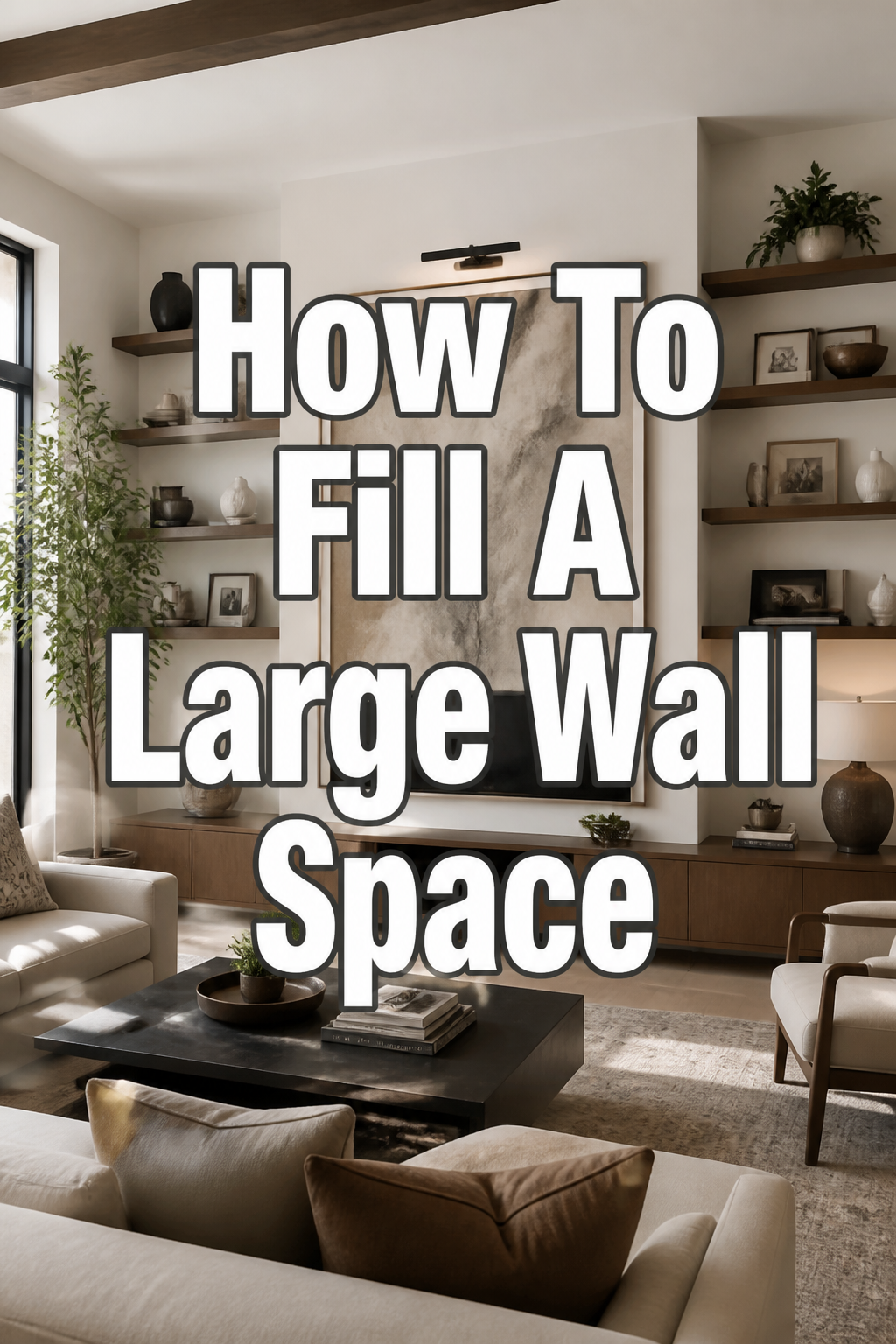
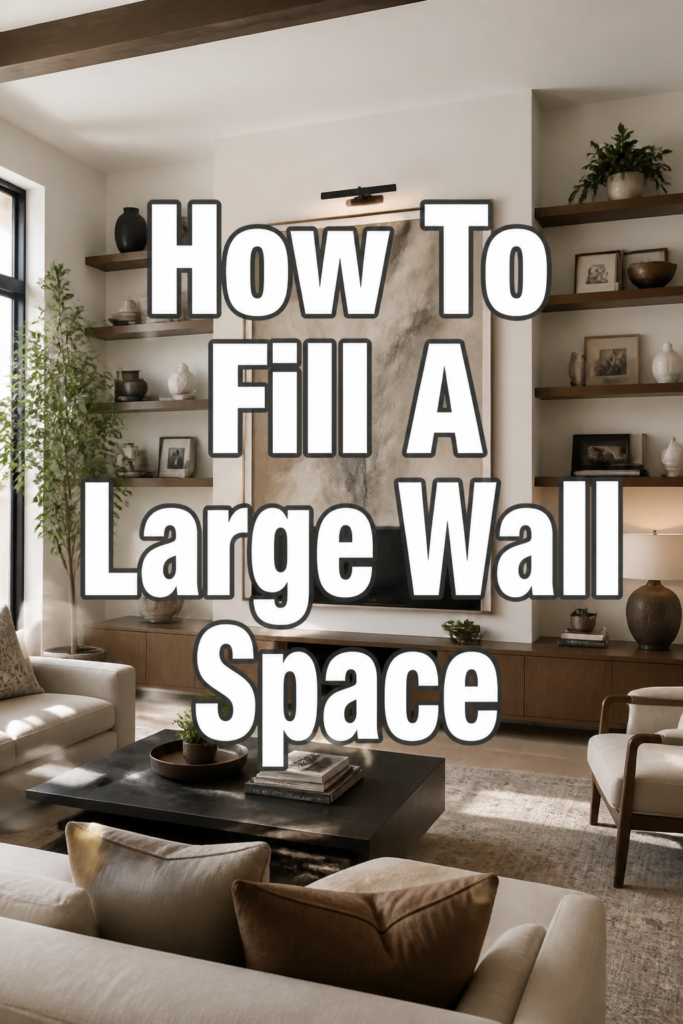
🖼️ How To Fill A Large Wall Space
That big, blank wall can feel a little daunting, can’t it?
I remember staring at my own vast living room wall, feeling completely overwhelmed by its emptiness.
But with a bit of planning and a focus on creating warmth, you can transform it into a beloved focal point, and I’m here to show you how.
Quick Overview
Transforming a large wall space is about more than just hanging things; it’s about creating a cohesive, inviting atmosphere that reflects your personal style.
This guide will walk you through the process, from initial inspiration to the final cozy touches, ensuring your large wall becomes a source of joy.
- Time needed: 4-8 hours (spread over a few days for planning and gathering)
- Difficulty: Beginner
- What you’ll need: Measuring tape, painter’s tape, pencil, level, hammer or drill, picture hanging hardware, chosen decor items.
Step-by-Step Instructions
Step 1: Envision Your Cozy Sanctuary
Before you even think about buying a single item, take a moment to truly envision the feeling you want to create in your room.
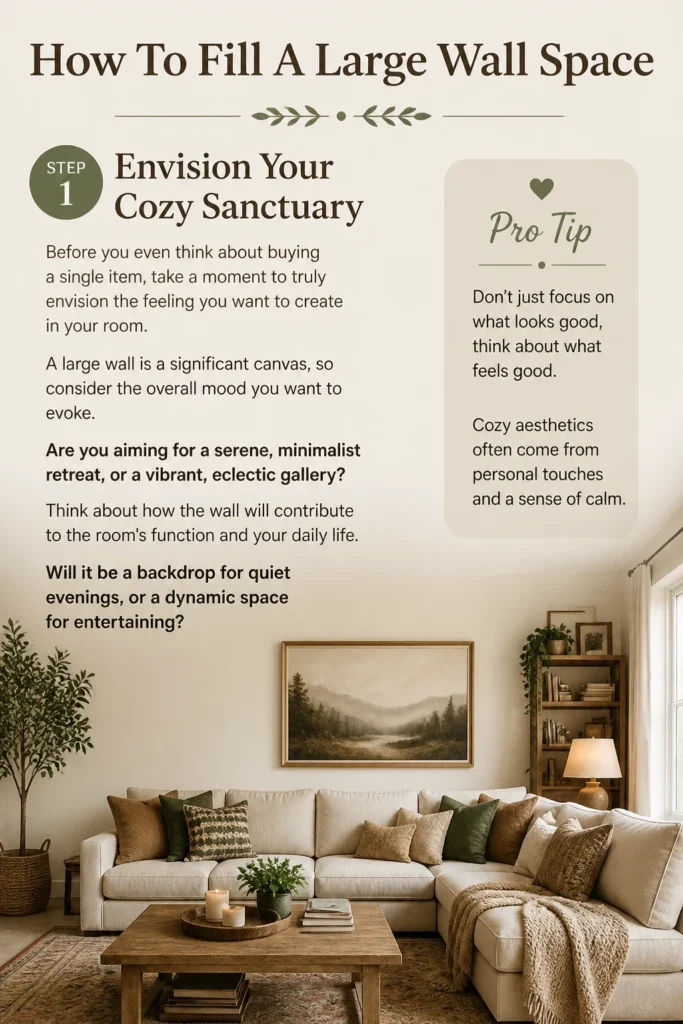
A large wall is a significant canvas, so consider the overall mood you want to evoke. Are you aiming for a serene, minimalist retreat, or a vibrant, eclectic gallery?
Think about how the wall will contribute to the room’s function and your daily life. Will it be a backdrop for quiet evenings, or a dynamic space for entertaining?
Pro Tip: Don’t just focus on what looks good, think about what feels good. Cozy aesthetics often come from personal touches and a sense of calm.
Step 2: Measure and Map Your Masterpiece
Grab your measuring tape and get accurate dimensions of your wall. Note any architectural features like windows, doors, or built-in elements.
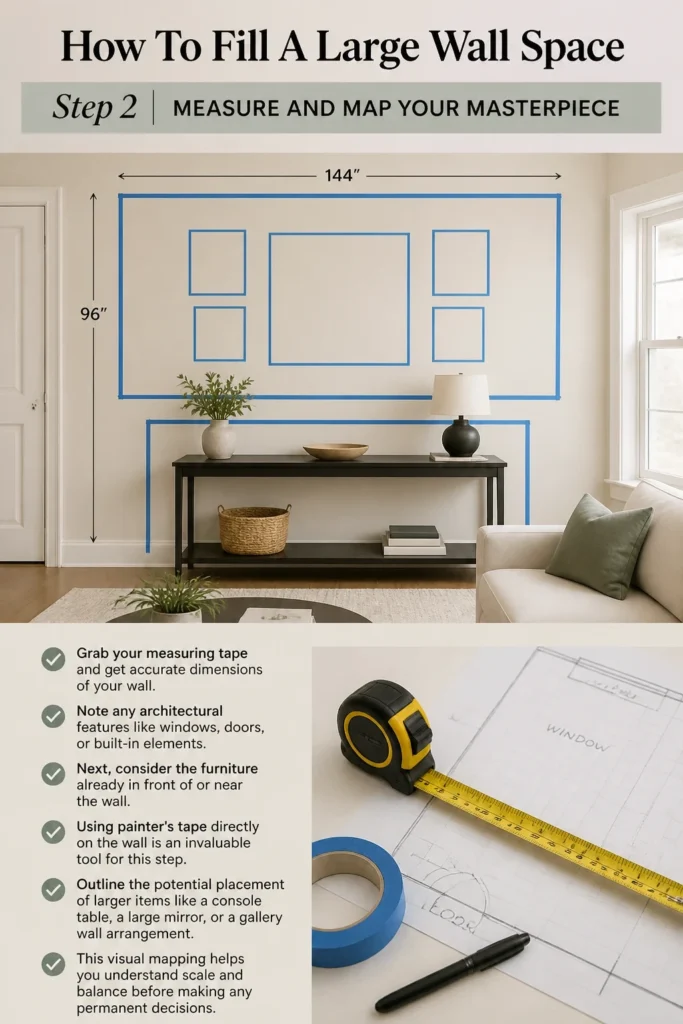
Next, consider the furniture already in front of or near the wall. This will define your usable space and help you avoid visual clutter.
Using painter’s tape directly on the wall is an invaluable tool for this step. Outline the potential placement of larger items like a console table, a large mirror, or a gallery wall arrangement.
This visual mapping helps you understand scale and balance before making any permanent decisions.
Step 3: Gather Inspiration and Spark Ideas
This is the fun part! Dive into design magazines, Pinterest boards, and Instagram for inspiration.
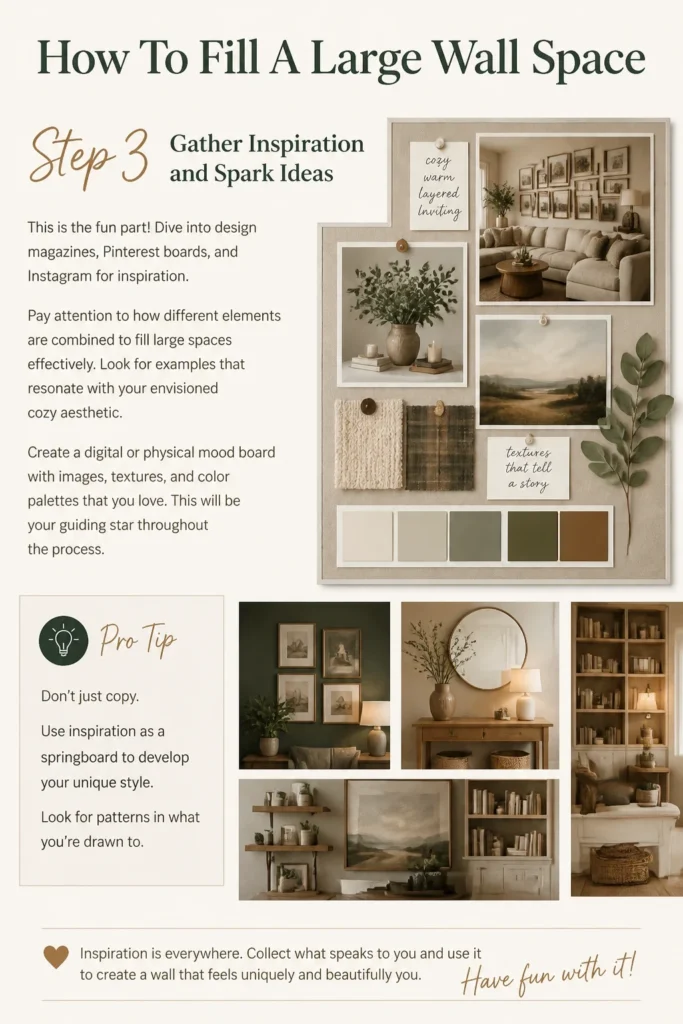
Pay attention to how different elements are combined to fill large spaces effectively. Look for examples that resonate with your envisioned cozy aesthetic.
Create a digital or physical mood board with images, textures, and color palettes that you love. This will be your guiding star throughout the process.
Pro Tip: Don’t just copy. Use inspiration as a springboard to develop your unique style. Look for patterns in what you’re drawn to.
Step 4: Choose Your Anchor Pieces Wisely
Every large wall needs an anchor, a central piece that grounds the entire display. This could be a substantial piece of art, a large mirror, a unique console table, or a set of floating shelves.
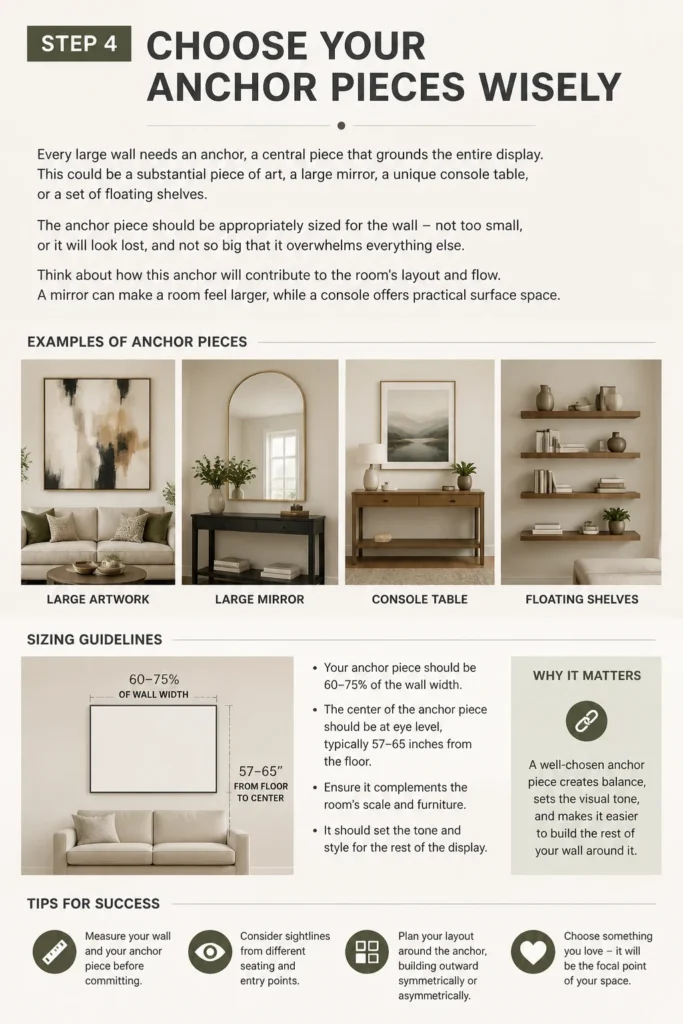
The anchor piece should be appropriately sized for the wall – not too small, or it will look lost, and not so big that it overwhelms everything else.
Think about how this anchor will contribute to the room’s layout and flow. A mirror can make a room feel larger, while a console offers practical surface space.
Step 5: Select Complementary Elements for Depth
Once your anchor is chosen, start thinking about the pieces that will support and enhance it. This is where you build depth and interest.
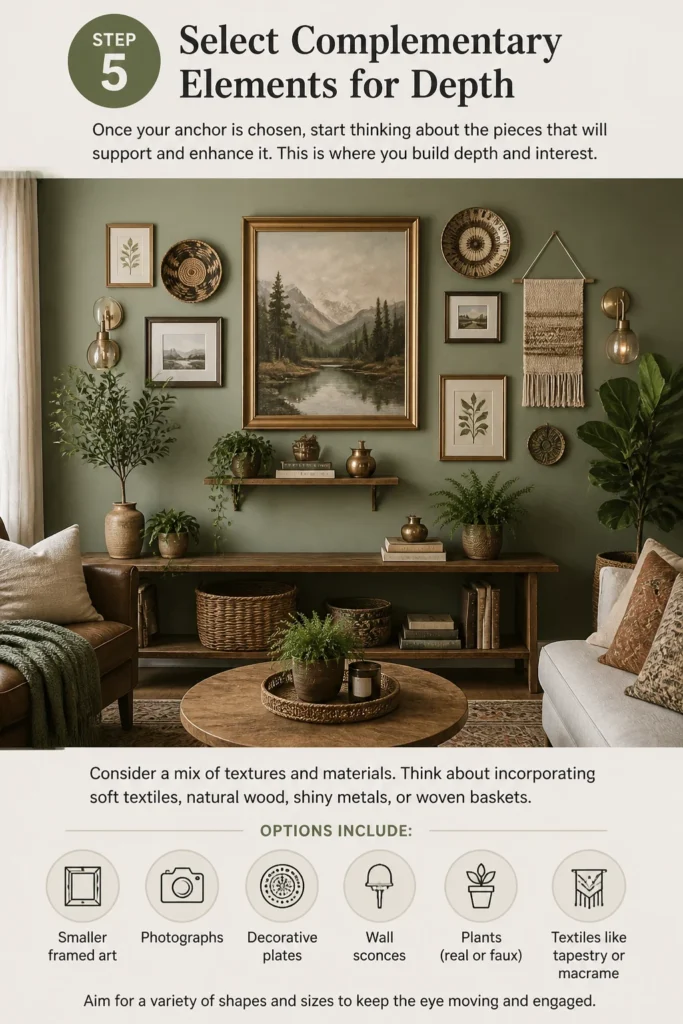
Consider a mix of textures and materials. Think about incorporating soft textiles, natural wood, shiny metals, or woven baskets.
Options include smaller framed art, photographs, decorative plates, wall sconces, plants (real or faux), or even textiles like a beautiful tapestry or macrame hanging.
Aim for a variety of shapes and sizes to keep the eye moving and engaged.
Step 6: Plan Your Layout on the Floor
Before you lift a hammer, lay all your chosen pieces out on the floor, mimicking the proportions of your wall.
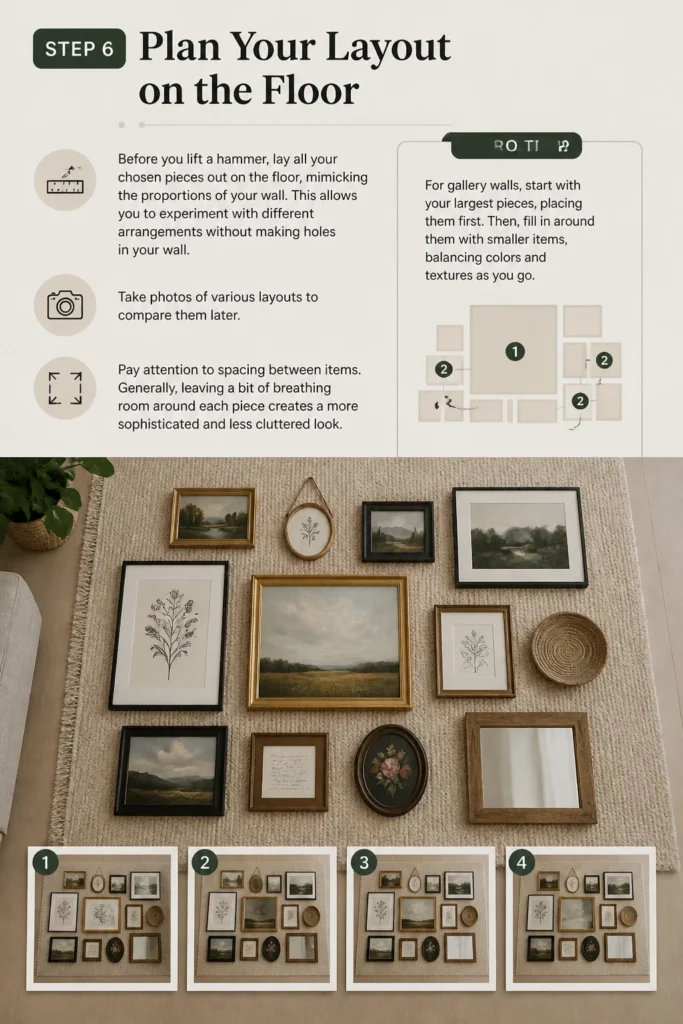
This allows you to experiment with different arrangements without making holes in your wall. Take photos of various layouts to compare them later.
Pay attention to spacing between items. Generally, leaving a bit of breathing room around each piece creates a more sophisticated and less cluttered look.
Pro Tip: For gallery walls, start with your largest pieces, placing them first. Then, fill in around them with smaller items, balancing colors and textures as you go.
Step 7: Hang with Confidence and Precision
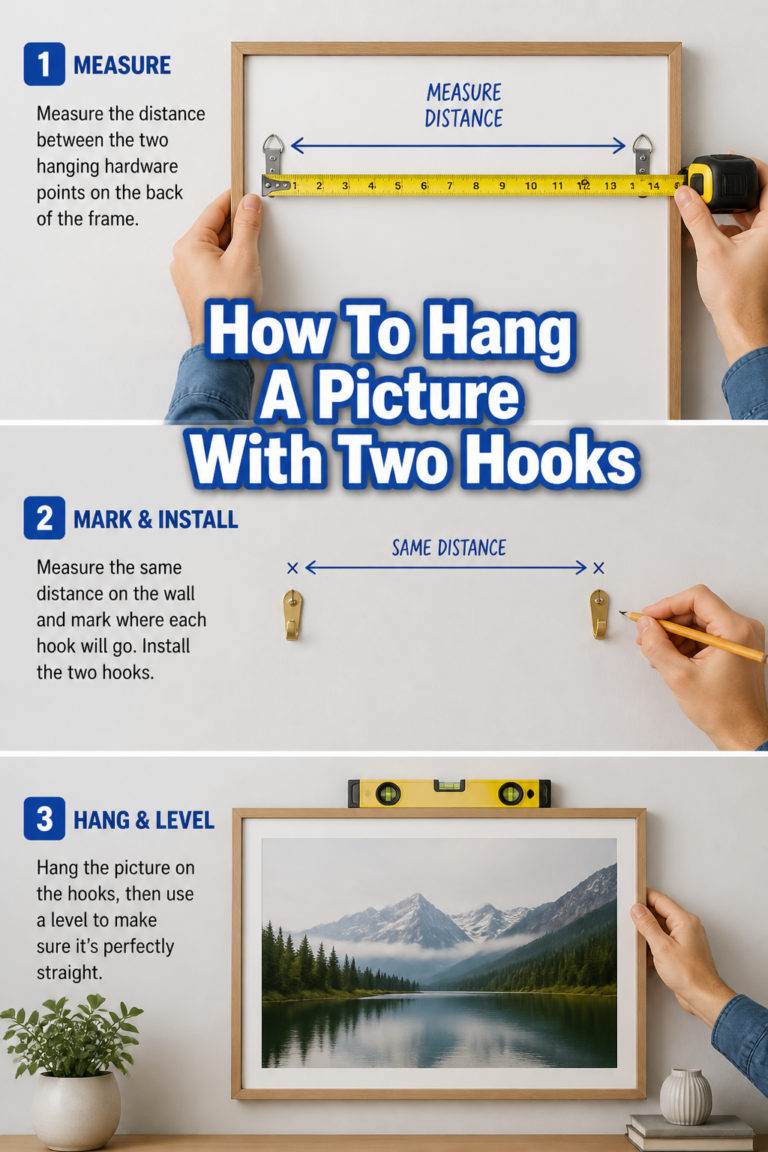
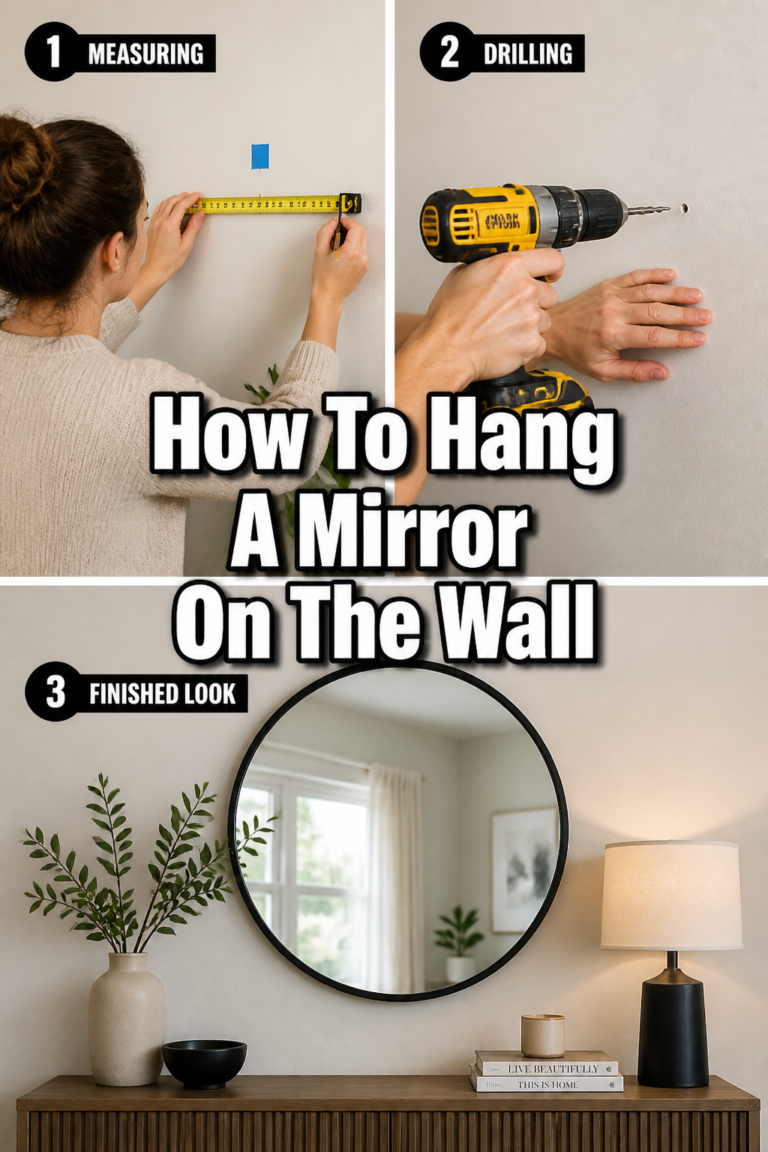
Once you’re happy with your floor layout, it’s time to transfer it to the wall. Use your painter’s tape outlines and a pencil to mark where each item will go.
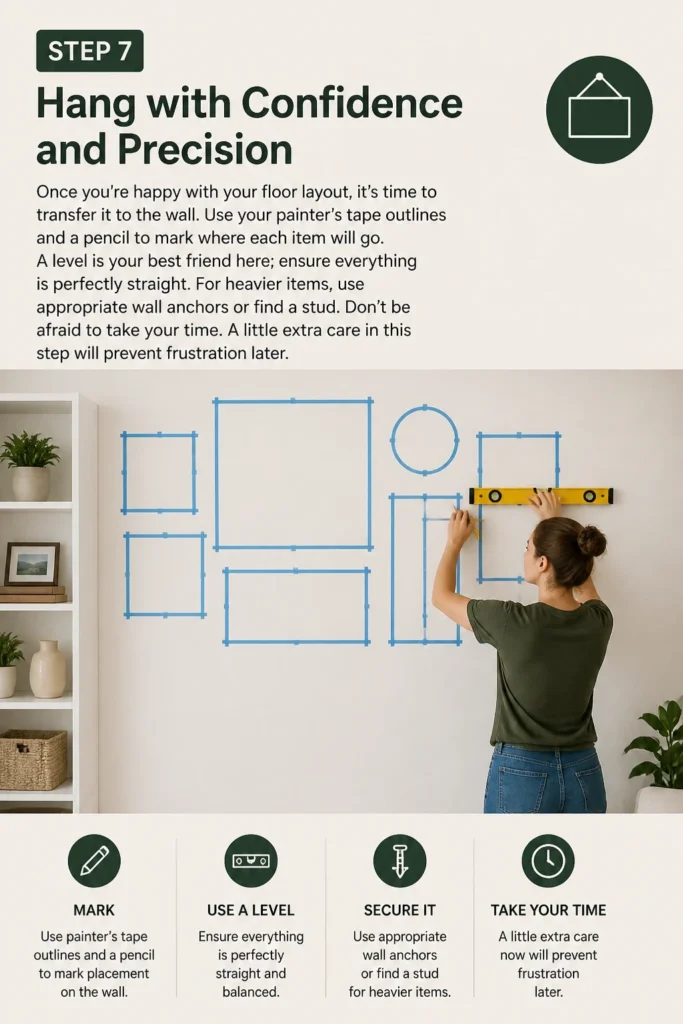
A level is your best friend here; ensure everything is perfectly straight. For heavier items, use appropriate wall anchors or find a stud.
Don’t be afraid to take your time. A little extra care in this step will prevent frustration later.
Step 8: Layer in the Finishing Touches and Texture
This is where the cozy magic truly happens. Once the main pieces are hung, step back and assess the overall feel.
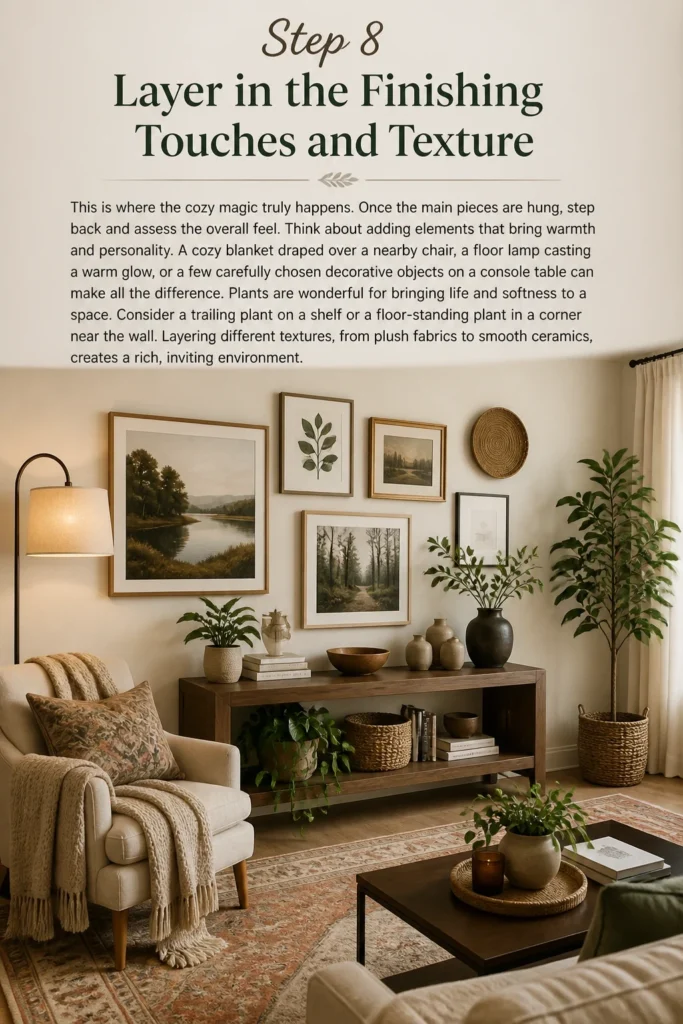
Think about adding elements that bring warmth and personality. A cozy blanket draped over a nearby chair, a floor lamp casting a warm glow, or a few carefully chosen decorative objects on a console table can make all the difference.
Plants are wonderful for bringing life and softness to a space. Consider a trailing plant on a shelf or a floor-standing plant in a corner near the wall.
Layering different textures, from plush fabrics to smooth ceramics, creates a rich, inviting environment.
Common Mistakes to Avoid
Ignoring Scale and Proportion
One of the biggest pitfalls is choosing items that are too small for a large wall. A tiny piece of art will look lost and insignificant, making the wall feel even emptier.
Conversely, cramming too many large items can make the wall feel chaotic and overwhelming. Always consider the size of your wall and the surrounding furniture when selecting decor.
The goal is to create balance and harmony, where each piece feels like it belongs and contributes to the overall composition without fighting for attention.
Forgetting About Texture and Dimension
A wall filled only with flat framed pictures can feel one-dimensional and lack interest. Cozy aesthetics thrive on tactile experiences and visual depth.
Avoid a flat display by incorporating a variety of textures: a woven wall hanging, a metallic sculpture, a mirror with a decorative frame, or a shelf with books and ceramics.
These elements add visual weight and make the wall feel more dynamic and inviting, encouraging the eye to linger and explore.
Poor Lighting Choices
Even the most beautifully curated wall can fall flat under harsh or inadequate lighting. Overly bright, cool-toned lights can make a cozy space feel sterile.
Think about how natural light hits the wall throughout the day. Supplement with warm-toned artificial lighting like wall sconces, picture lights, or strategically placed floor lamps.
Ambient lighting can highlight your decor, create shadows that add depth, and contribute significantly to the overall cozy and welcoming atmosphere of the room.
Rushing the Process
Decorating a large wall isn’t a race. Rushing often leads to impulsive purchases and a cluttered, uninspired result.
Take your time with each step, from inspiration gathering to final placement. Live with your empty wall for a while, letting ideas percolate.
Allow yourself the freedom to try different layouts on the floor and even to return items that don’t quite fit. The most beautiful spaces are often those that evolve thoughtfully over time.
Troubleshooting
The Wall Still Feels Empty or Unfinished
If your wall still feels sparse even after hanging items, it might be an issue of scale or density. Perhaps your anchor piece isn’t large enough, or there’s too much empty space between items.
Try adding more layers. Consider a larger rug in front of the wall, or a taller plant to fill vertical space. You might also need to introduce more elements to your gallery wall or add a floating shelf to break up the expanse.
Sometimes, a simple adjustment of spacing, bringing items a little closer together, can make a significant difference in creating a cohesive, full look.
The Wall Feels Too Busy or Cluttered
If your wall feels overwhelming, you might have too many small items, too many competing focal points, or a lack of visual resting space. Too many colors or patterns can also contribute to a cluttered feel.
Start by removing a few items, particularly those that don’t quite fit the overall aesthetic. Try simplifying your color palette or choosing pieces with similar tones.
Introduce some “white space” around your decor. Sometimes, less is more, and allowing a few key pieces to shine can create a more sophisticated and calming atmosphere.
It Doesn’t Feel Cozy Enough
Coziness often comes from softness, warmth, and personal touches. If your wall feels cold or impersonal, you might be missing these elements.
Incorporate more textiles like a woven wall hanging, a soft tapestry, or even framed fabric art. Introduce natural elements like wood, plants, or ceramic pieces.
Ensure your lighting is warm and inviting, perhaps adding a dimmer switch. Bring in personal photos or items with sentimental value to infuse the space with your unique story and warmth.
Key Takeaways
- Start with a Vision: Clearly define the mood and aesthetic you want to create for your space.
- Measure and Plan: Use painter’s tape to map out your layout on the wall before making any holes.
- Choose an Anchor Piece: Select one significant item to ground your entire wall display.
- Layer with Purpose: Combine various textures, materials, and sizes to add depth and interest.
- Don’t Rush: Take your time to gather inspiration, arrange items, and refine your display.
- Prioritize Coziness: Incorporate soft textures, warm lighting, and personal touches to make the space truly inviting.
Frequently Asked Questions
Should I paint the wall a different color first?
Painting the wall can absolutely set the tone for your decor. A deeper, warmer color can instantly make a large wall feel cozier and provide a beautiful backdrop for your chosen pieces. Consider your overall room palette and how a new wall color would complement or contrast with your existing furniture and decor.
How high should I hang my art?
A good general rule is to hang the center of your artwork at eye level, which is typically around 57-60 inches from the floor. If you’re hanging above furniture, ensure there’s enough space (usually 6-8 inches) between the top of the furniture and the bottom of the art to create a cohesive grouping.
Can I mix different styles of art on one wall?
Absolutely! Mixing styles can create a wonderfully eclectic and personal look. The key is to find a unifying element, such as a consistent color palette, similar frame styles, or a shared theme. This creates harmony even when individual pieces are diverse, preventing the wall from looking too chaotic.
What if I don’t want to hang things?
No problem! There are many ways to fill a large wall space without traditional hanging. Consider leaning large mirrors or oversized art against the wall on a console table or directly on the floor. You could also use tall bookshelves, floor-standing plants, or even a large, decorative room divider to break up the expanse and add visual interest.
Our Top Recommended Finds
- Large-Scale Art Print: A single, impactful piece can instantly transform a blank wall into a focal point. Look for abstract designs or serene landscapes.
- Set of Floating Shelves: Perfect for displaying small plants, books, and decorative objects, adding both storage and visual interest without overwhelming the space.
- Picture Hanging Kit with Level: Essential for securely and accurately hanging your chosen decor. A good kit will include various hardware types and a small level.
Embrace Your Creative Canvas
That once-intimidating blank wall is now brimming with potential, ready to become a reflection of your unique style and a source of comfort in your home.
You have all the tools and inspiration you need to create a space that feels truly yours, filled with warmth and personality.
Why wait? Take the first step today. Grab that measuring tape, start your mood board, and begin the joyful journey of transforming your large wall into a cozy masterpiece!