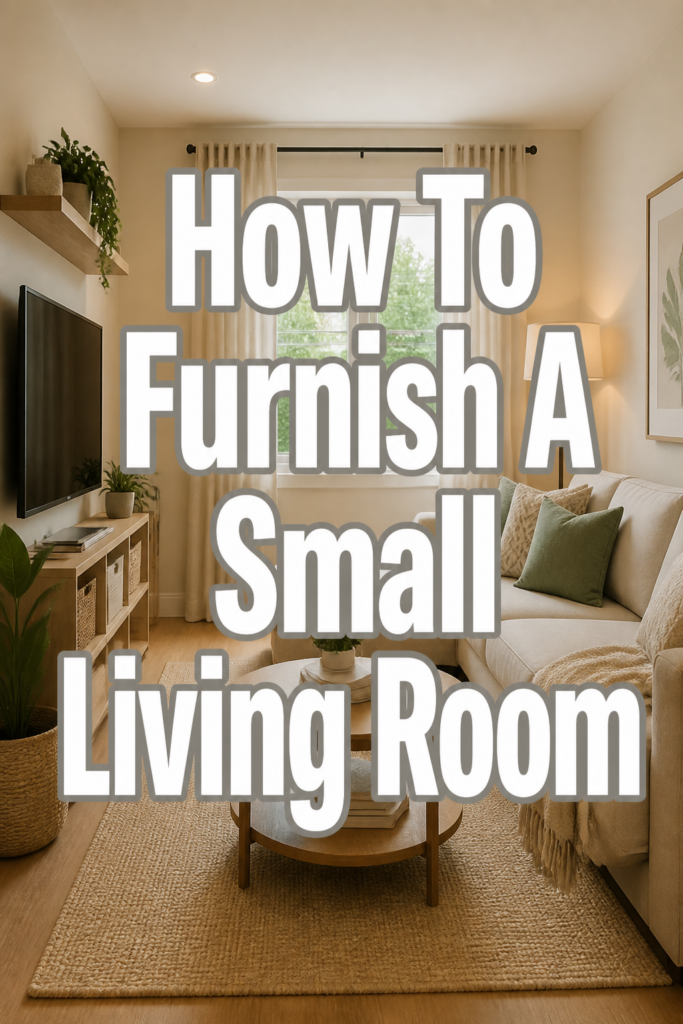
🛋️ How To Furnish A Small Living Room
Transforming a small living room can feel like a daunting puzzle, but it’s actually a wonderful opportunity for creativity.
I’ve lived in countless compact city apartments, learning firsthand how to make every square inch count and feel genuinely inviting.
This guide shares those practical, warm insights to help you craft a space that feels spacious, cozy, and perfectly you.
Quick Overview
Ready to turn your small living room into a stylish, comfortable haven?
This guide will walk you through creating a functional and beautiful space, maximizing every corner.
- Time needed: 1-2 weekends (including planning and shopping)
- Difficulty: Beginner
- What you’ll need: Measuring tape, notebook, pen, camera phone, painter’s tape, inspiration images, a friend for moving furniture
Step-by-Step Instructions
Step 1: Understand Your Space and Your Needs
Before you move a single piece of furniture, take a deep breath and truly get to know your living room.
Measure every wall, window, and doorway with precision, noting down all dimensions in a dedicated notebook.
Think about how you genuinely use the room: Is it for movie nights, reading, entertaining, or perhaps a bit of work?
List your essential activities and the furniture pieces absolutely necessary to support them.
Don’t forget to consider natural light sources and how they move throughout the day.
Pro Tip: Draw a simple floor plan on graph paper or use an online room planner tool. This visual aid helps you experiment with layouts without heavy lifting. Mark electrical outlets and vents too!
Step 2: Choose Your Focal Point and Define Zones
Every great room needs a star, a focal point that draws the eye and anchors the space.
This could be a fireplace, a beautiful window, a television, or even a striking piece of art.
Once your focal point is established, arrange your primary seating around it in a conversational way.
Even in a small room, you can create “zones” for different activities, like a reading nook or a small work area.
Use rugs or strategic furniture placement to subtly define these separate functions without adding walls.
Step 3: Select Furniture with Purpose and Scale
This is where mindful choices truly shine in a small living room.
Opt for furniture that is appropriately sized; oversized pieces will instantly overwhelm the space.
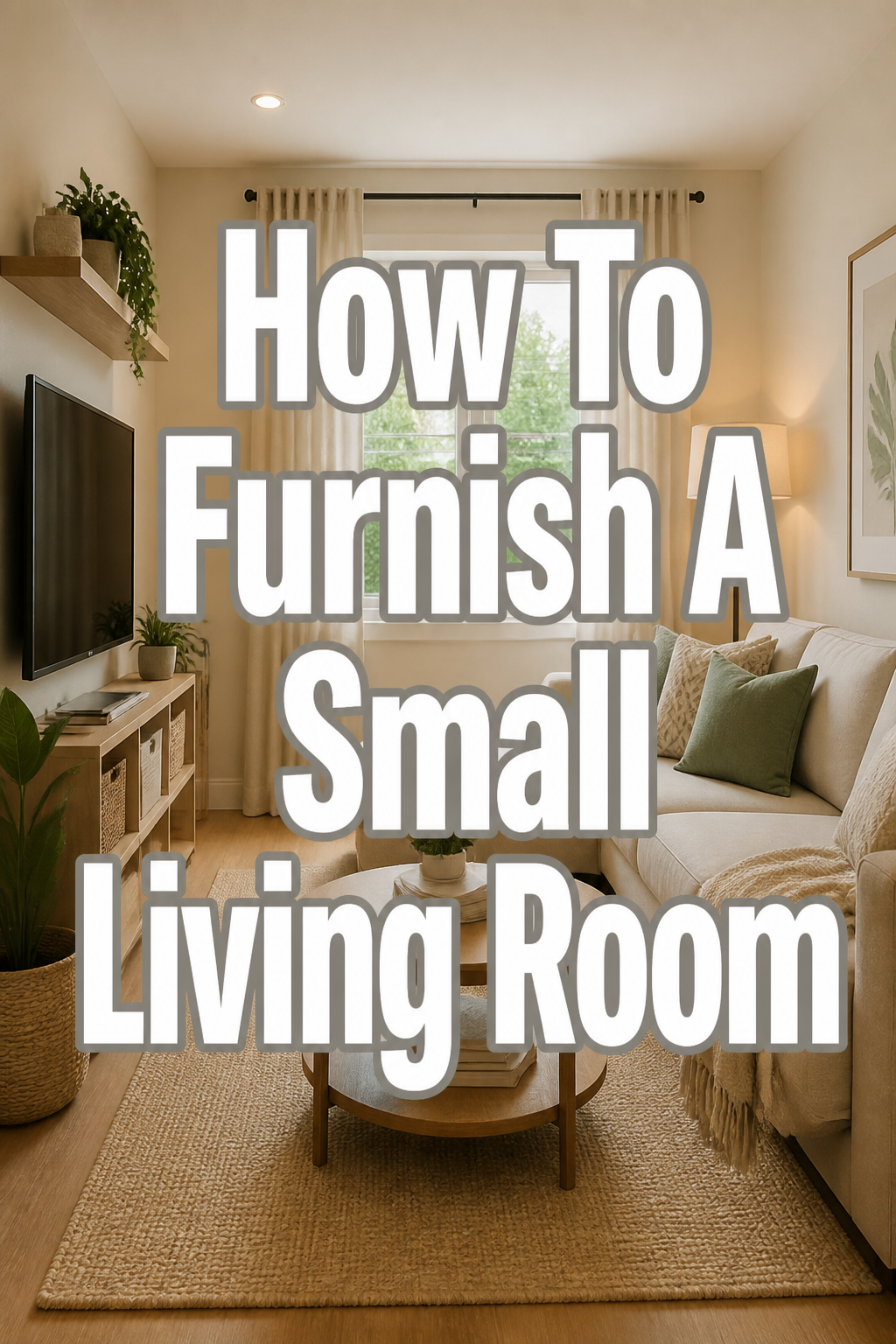
Look for slender profiles, exposed legs, and lighter materials that allow light and air to flow beneath them, creating a sense of openness.
Prioritize multi-functional items, such as ottomans with hidden storage or nesting tables that can be pulled out when needed.
A small loveseat or a compact sofa might be a better choice than a sprawling sectional, paired with a comfortable armchair.
Step 4: Embrace Vertical Space
When floor space is limited, the only way to go is up!
Utilize your walls for storage and display, drawing the eye upwards and making the room feel taller.
Install floating shelves, tall narrow bookcases, or wall-mounted cabinets to keep items off the floor.
Consider a wall-mounted TV to free up space that a media console would otherwise occupy.
Vertical stripes in wallpaper or tall drapes hung high can also enhance the illusion of height.
Pro Tip: Ensure any wall-mounted items are securely fastened. Use appropriate anchors for your wall type to prevent accidents.
Step 5: Master Lighting and Ambiance
Lighting is a powerful tool to make a small room feel larger and more inviting.
Maximize natural light by keeping windows clear of heavy drapes; opt for sheer curtains or blinds that can be pulled up entirely.
Incorporate multiple light sources at different heights to create depth and warmth.
Think about a mix of overhead lighting, a floor lamp for task lighting, and a table lamp for soft ambient glow.
Strategic placement of mirrors can reflect light and views, effectively doubling the perceived size of your room.
Step 6: Incorporate Smart Storage Solutions
Clutter is the enemy of a small space, so smart storage is your best friend.
Invest in furniture that secretly doubles as storage, like coffee tables with drawers or benches with lift-top seats.
Use decorative baskets and bins to corral smaller items like remote controls, magazines, or throws.
Consider a narrow console table behind a sofa if space allows, offering a surface for lamps and hidden storage underneath.
Every item should have a home, making daily tidying much easier and maintaining a serene atmosphere.
Step 7: Add Personality with Thoughtful Decor
Now for the fun part: infusing your personality into the space!
Choose a cohesive color palette, generally opting for lighter, airier tones on walls to make the room feel expansive.
Introduce pops of color and texture through pillows, throws, and carefully selected artwork.
Don’t overcrowd surfaces; instead, curate a few meaningful pieces that tell a story.
A large piece of art can actually make a room feel bigger than several small ones, as it provides a single, strong focal point.
Step 8: Refine and Reassess Your Layout
Once everything is in place, live with your new arrangement for a few days.
Walk through the room, sit on the furniture, and observe how the light changes throughout the day.
Are there any awkward pathways? Does the room feel comfortable and functional?
Don’t be afraid to tweak and move things around until it feels just right; design is an iterative process.
Sometimes, even a slight shift in furniture angle can make a big difference in flow and comfort.
Common Mistakes to Avoid
Over-furnishing the Space
A common pitfall is trying to fit too many pieces into a small area. This instantly makes a room feel cramped and unwelcoming, hindering movement.
Instead, prioritize essential pieces and ensure each one serves a clear purpose. Less truly is more in compact living rooms.
Blocking Natural Light
Placing large furniture in front of windows or using heavy, dark curtains can severely limit natural light. This makes any small room feel darker and even smaller.
Keep window treatments light and minimal, and arrange furniture to allow sunlight to flood the room, enhancing a sense of openness.
Ignoring Scale and Proportion
Bringing in oversized furniture, even just one piece, can throw off the entire balance of a small room. A massive sofa in a tiny space looks out of place and consumes too much visual real estate.
Always measure and consider the scale of furniture relative to your room’s dimensions. Opt for pieces with slim profiles and elevated legs to maintain an airy feel.
Clutter Accumulation
Small items scattered everywhere create visual noise and make a room feel chaotic and even smaller. Every surface quickly becomes overwhelmed, leading to stress rather than relaxation.
Implement smart storage solutions from the start and commit to regular decluttering. A tidy, organized space feels much larger and more serene.
Troubleshooting
My Room Still Feels Cramped
If your room still feels tight, revisit your furniture choices. Are any pieces too bulky or unnecessary?
Consider swapping a traditional coffee table for a set of nesting tables or an ottoman with hidden storage. Also, ensure you have clear pathways between furniture to improve flow.
The Space Feels Cold or Uninviting
A lack of warmth often comes from insufficient texture, poor lighting, or a monochromatic palette without variation. Introduce soft textiles like throws and plush pillows.
Layer your lighting with ambient, task, and accent lights, and add a few personal touches like plants or framed photos to bring life into the room.
I Still Have Too Much Clutter
Even with storage, clutter can persist if items don’t have a designated home. Go through every item in your living room and ask if it truly belongs there and if it’s used regularly.
Consider a “one in, one out” rule for new purchases, and explore vertical storage options like wall shelves or narrow cabinets to free up floor space.
Key Takeaways
- Measure precisely and plan your layout carefully before buying any furniture.
- Prioritize multi-functional furniture to maximize utility in a compact space.
- Embrace vertical storage to keep floors clear and draw the eye upward, creating height.
- Layer your lighting and use mirrors strategically to enhance brightness and perceived space.
- Choose a cohesive, lighter color palette and add personality with curated decor, not clutter.
- Regularly declutter and reassess your space to maintain its functionality and inviting atmosphere.
Frequently Asked Questions
What’s the best color palette for a small living room?
Lighter, neutral colors like whites, creams, light grays, and soft pastels are generally best. They reflect light, making the room feel more open and airy. You can then introduce bolder colors through accessories for visual interest.
How can I make my small living room feel bigger?
Beyond light colors, use mirrors to reflect light and views, choose furniture with slender profiles and exposed legs, and utilize vertical space for storage. Keep pathways clear and avoid over-furnishing the room.
Can I have a TV in a small living room?
Absolutely! Wall-mounting your television is an excellent space-saving solution, eliminating the need for a bulky media console. If you prefer a console, choose a narrow, floating, or open-shelving design to maintain an airy feel.
Should I use a rug in a small living room?
Yes, a rug can actually help define the space and ground your furniture, making the room feel more cohesive. Choose a rug that is large enough for at least the front legs of your main seating pieces to rest on, as a too-small rug can make the room feel disjointed.
Our Top Recommended Finds
- Multi-functional Storage Ottoman: Perfect for extra seating, a footrest, and discreetly stashing blankets or remotes.
- Floating Wall Shelves: Ideal for displaying decor or books without taking up precious floor space.
- Large Decorative Mirror: Instantly brightens a room and creates the illusion of more depth and space.
Your Cozy Oasis Awaits
Furnishing a small living room is an exciting journey of discovery and clever design.
You have the power to transform even the tiniest corner into a sanctuary that perfectly reflects your style and meets your needs.
Take these steps, embrace the process, and enjoy creating a space that feels expansive, welcoming, and uniquely yours, starting today!