✨ How To Decorate A Large Wall Living Room
That big, blank living room wall can feel overwhelming, can’t it? It often becomes the focal point, whether you intend it to or not.
I remember staring at my own vast living room wall, feeling a mix of excitement and dread about filling such a significant space.
This guide comes from years of turning those intimidating expanses into warm, inviting features that truly anchor a room.
Quick Overview
Transforming a large living room wall from daunting to delightful is a rewarding project.
This guide will help you create a cozy, balanced, and personalized focal point in your home.
- Time needed: 4-8 hours for planning and initial setup, spread over a weekend.
- Difficulty: Beginner to Intermediate.
- What you’ll need: Measuring tape, painter’s tape, pencil, level, hammer or drill, picture hanging hardware, a variety of decorative items (art, mirrors, shelving, plants).
Step-by-Step Instructions
Step 1: Understand Your Wall’s Personality
Before you lift a single hammer, take a moment to truly observe your wall. Is it a true blank canvas, or does it have architectural features like windows, a fireplace, or built-in shelving?
Consider the room’s natural light and how it interacts with the wall throughout the day. This initial observation informs every decision you make.
Step 2: Define Your Room’s Purpose and Feel
Think about how you use your living room. Is it a cozy family hub, an elegant entertaining space, or a quiet reading nook?
The wall decor should support this primary function and contribute to the overall mood you want to create. A cozy aesthetic might lean towards warm textures and layered art.
Step 3: Measure and Map Your Space
Grab your measuring tape and get precise. Measure the wall’s full height and width, noting any architectural elements.
Use painter’s tape on the wall to map out potential arrangements. This allows you to visualize scale and placement without committing to holes.
Pro Tip: Take a photo of your taped-out wall. Looking at it on your phone can offer a fresh perspective and help you spot imbalances.
Step 4: Choose Your Focal Point Strategy
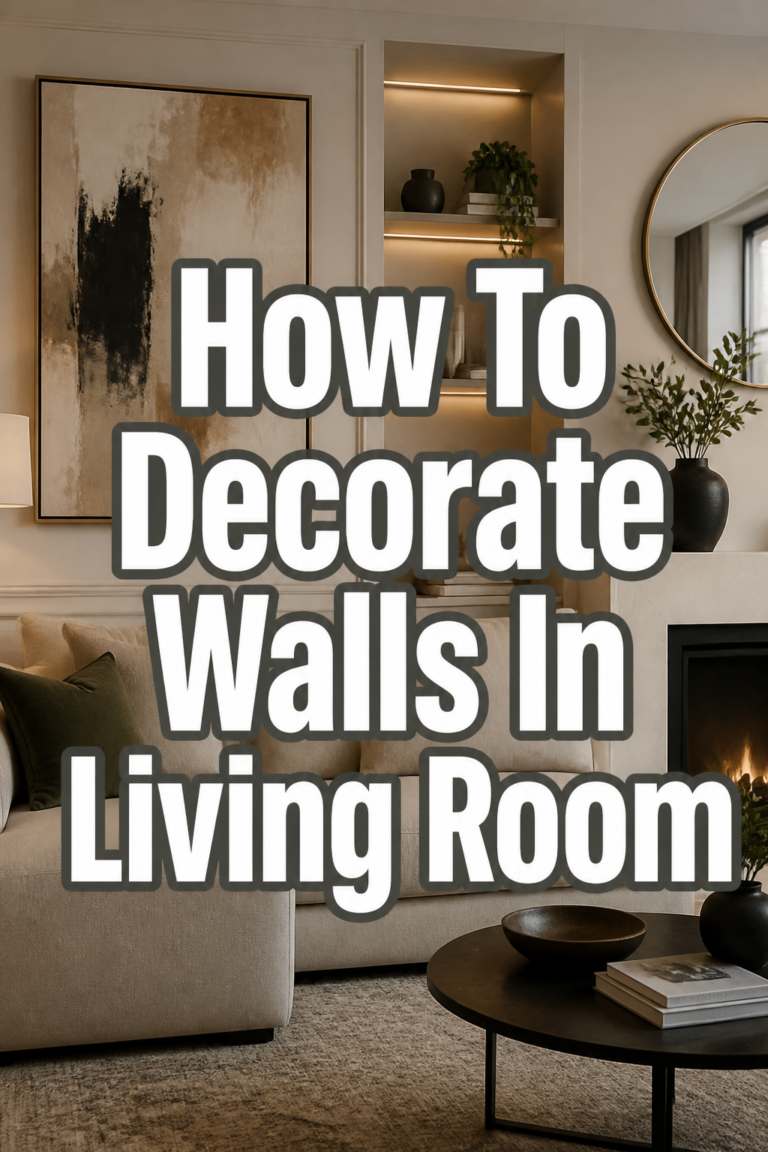
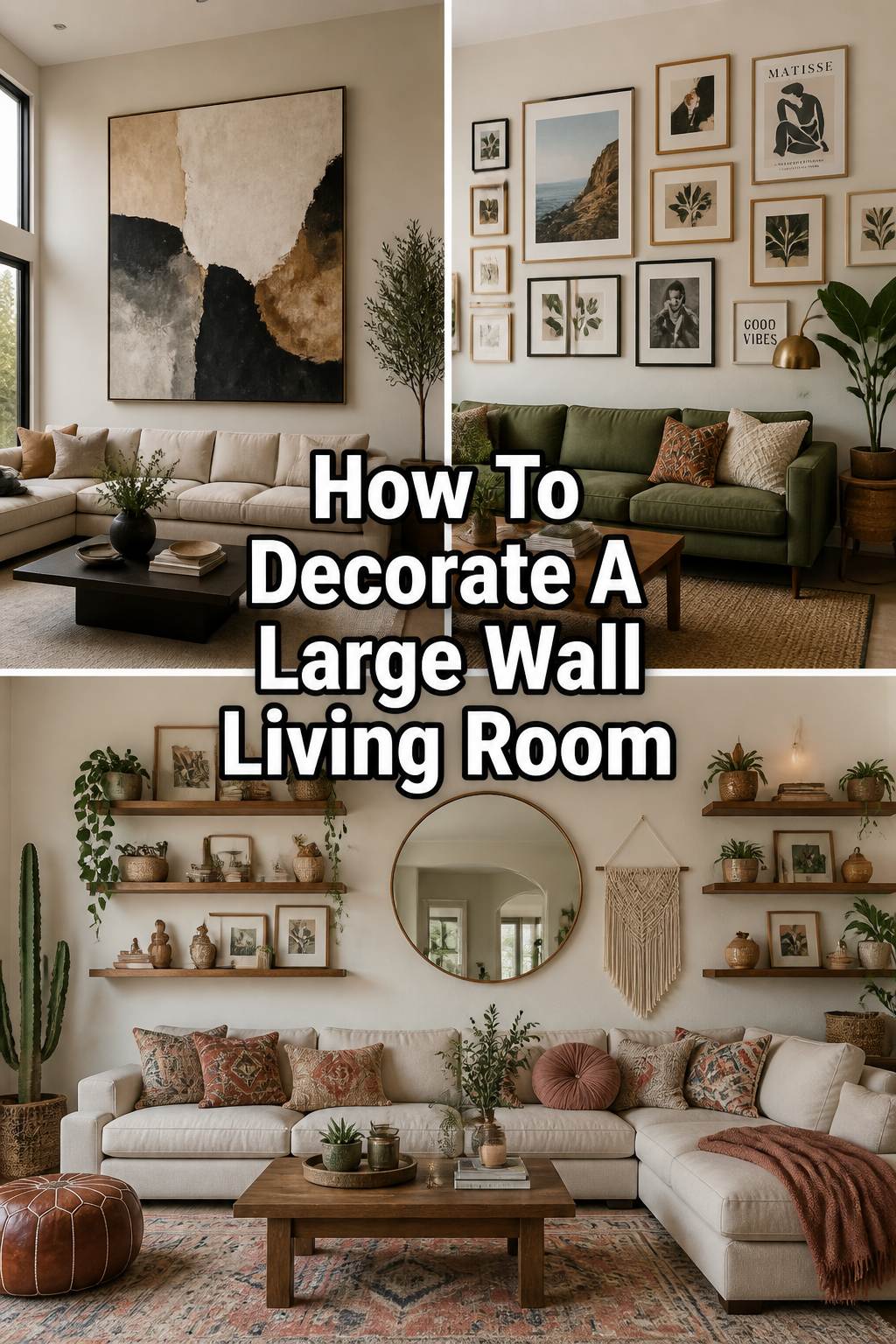
A large wall needs a strong anchor. Decide if you want one dominant piece, like a grand painting or a large mirror, or a curated collection of smaller items.
For a cozy feel, consider a gallery wall that tells a story, or a large, textured piece of art that adds warmth.
Step 5: Select Your Elements with Intention
Think beyond just pictures. Incorporate a variety of textures and dimensions. Consider framed art, mirrors, wall sconces, floating shelves, or even a textile hanging.
Mix horizontal and vertical elements to keep the eye moving. Choose pieces that resonate with your personal style and the room’s color palette.
Step 6: Embrace Scale and Proportion
This is crucial for a large wall. Don’t use tiny pieces that get lost; aim for items that feel substantial enough for the space.
When arranging, consider the “negative space” around your decor. It’s just as important as the items themselves in creating balance.
Pro Tip: Grouping smaller items together can make them feel more impactful on a large wall. Think of them as one cohesive unit.
Step 7: Create a Cohesive Arrangement
Whether it’s a grid, a symmetrical layout, or an organic gallery wall, aim for visual harmony. Lay your items on the floor first to experiment with arrangements.
Consider a central axis for balance, even in an asymmetrical display. Step back frequently to assess the overall composition.
Step 8: Incorporate Texture and Layers
To foster a cozy aesthetic, texture is your friend. Think about woven wall hangings, framed fabric art, or shelves adorned with books and tactile objects.
Layering can involve placing smaller art in front of larger pieces, or using sconces to highlight specific elements, adding depth and interest.
Step 9: Add Greenery and Lighting
Plants bring life and softness to any wall. Consider wall-mounted planters or a tall floor plant positioned near the wall.
Wall sconces or picture lights can illuminate your chosen decor, adding warmth and ambience, especially in the evenings.
Step 10: Hang and Refine
Once you’re happy with your arrangement, it’s time to hang. Use a level for straight lines and appropriate hardware for each item’s weight.
Don’t be afraid to make small adjustments after everything is up. Sometimes a slight shift makes all the difference in achieving perfection.
Common Mistakes to Avoid
Using Too Many Small, Unrelated Items
A large wall can quickly look cluttered and chaotic if filled with too many tiny, disparate pieces. These small items tend to get lost in the vastness of the wall.
Instead, group smaller items into cohesive collections, treating them as one larger unit. Or, opt for fewer, more substantial pieces that command attention.
Ignoring Scale and Proportion
Placing a single, small piece of art on a massive wall is a common oversight. It makes both the art and the wall feel awkward and out of balance.
Always choose decor that is appropriately sized for the wall. If using multiple items, ensure their combined visual weight feels right for the space.
Forgetting About Negative Space
There’s a temptation to fill every inch of a large wall. However, empty space, or negative space, is crucial for allowing the eye to rest and appreciate the decor.
Plan for breathing room around your art and objects. It creates a more sophisticated and less overwhelming look, especially for a cozy feel.
Not Considering the Room’s Overall Aesthetic
Sometimes, a beautiful piece of art might not fit the existing style of your living room. Decorating a large wall in isolation can lead to a disjointed feel.
Ensure your wall decor complements the furniture, colors, and textures already present in the room. It should feel like a natural extension of your home’s story.
Troubleshooting
My Wall Still Feels Empty After Hanging Art
If your wall feels sparse, it might be a scale issue. The art you chose could be too small for the expansive area.
Consider adding more elements around your existing art, like floating shelves, wall sconces, or even a large plant. You could also group smaller art pieces to create a larger visual block.
The Arrangement Looks Cluttered and Busy
Too many competing elements or a lack of cohesive spacing can make a wall feel overwhelming. Your eye doesn’t know where to land.
Try removing a few items to create more negative space. Re-evaluate the arrangement on the floor, focusing on balance and simplicity. Sometimes less truly is more.
My Decor Doesn’t Feel “Cozy” Enough
A lack of warmth or texture can prevent a wall from feeling cozy. Hard lines and shiny surfaces might contribute to a starker look.
Introduce soft elements like woven tapestries, framed textile art, or warm-toned wooden shelves. Add personal photos, books, or plants to bring life and a sense of lived-in comfort.
Key Takeaways
- Start with a plan: Measure, map, and define your room’s purpose before buying anything.
- Embrace scale: Choose decor that is appropriately sized for the vastness of a large wall.
- Mix textures and layers: Combine different materials and depths to create visual interest and warmth.
- Don’t forget negative space: Allow breathing room around your decor to prevent clutter and enhance appreciation.
- Integrate with the room: Ensure your wall decor complements the existing style and color palette of your living room.
- Personalize your space: Incorporate items that reflect your personality and tell your home’s unique story.
Frequently Asked Questions
How high should I hang art on a large wall?
A good general rule is to hang the center of your artwork at eye level, which is typically around 57-60 inches from the floor. For a very large piece or a gallery wall, consider the grouping’s center at this height.
Can I use wallpaper on a large living room wall?
Absolutely! Wallpaper, especially a textured or patterned option, can be a fantastic way to add character and warmth to a large wall. It acts as a single, impactful statement piece that covers the entire area. Choose a pattern that complements your room’s scale and aesthetic.
What if my wall is really long but not very tall?
For a long, low wall, focus on horizontal arrangements. Consider a long console table beneath the wall, topped with a series of framed prints or a long, narrow mirror. Floating shelves running horizontally can also extend the line and provide display space.
Should all my frames match for a gallery wall?
Not necessarily! A mix of frame styles and finishes can create a more eclectic, collected, and cozy feel. The key is to find common threads, such as a consistent color palette within the art itself, or grouping similar frame tones together for balance.
Our Top Recommended Finds
- Large Canvas Art: A single, substantial piece can anchor the entire wall, immediately adding color and a focal point. Look for abstract designs or landscapes that evoke calm.
- Floating Wood Shelves: These offer versatility to display books, small plants, and decorative objects, adding both dimension and warmth. Choose a natural wood tone for a cozy touch.
- Decorative Wall Sconces: Beyond illumination, sconces can frame artwork or add an architectural element. Their soft light creates a wonderfully inviting atmosphere in the evenings.
Bringing Your Vision to Life
Decorating a large living room wall is an opportunity to infuse your personality and style into your home.
It’s about creating a space that feels uniquely yours, a backdrop for memories, and a haven of comfort.
Don’t wait for the perfect moment; gather your inspiration and start transforming that expansive wall today.