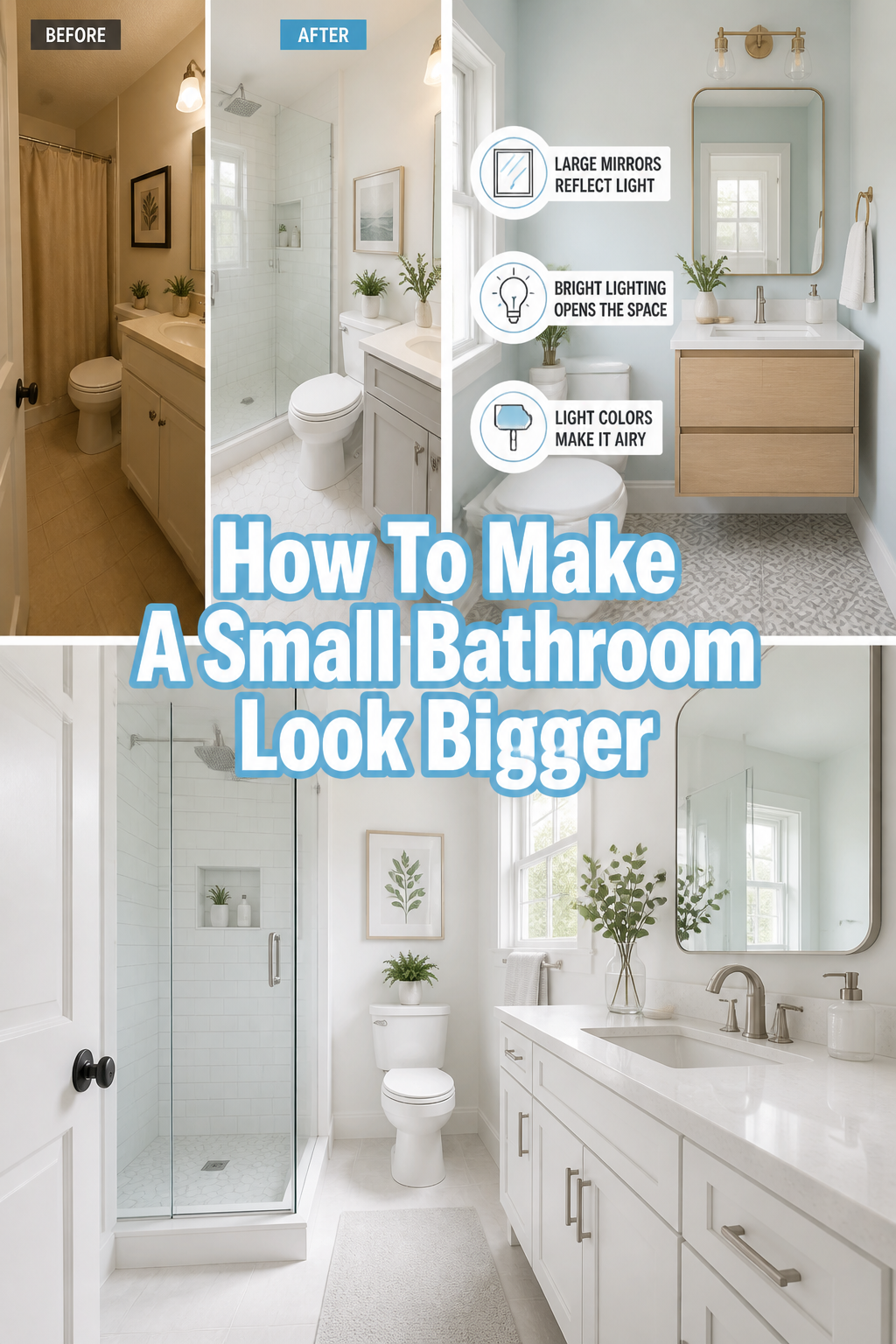
How To Make A Small Bathroom Look Bigger
Oh, the tiny bathroom dilemma! I remember staring at my own compact space, wondering if it was destined to feel cramped forever. But with a few clever tricks, I discovered how truly transformative a small bathroom can be.
This guide will help you turn your snug space into an airy, inviting sanctuary.
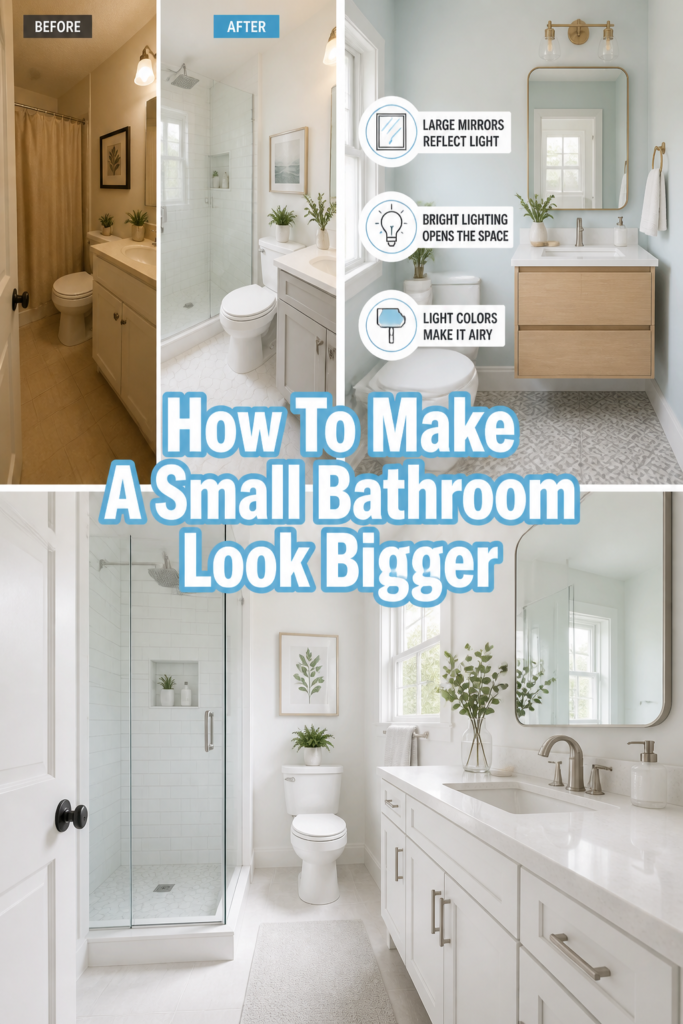
Quick Overview
Ready to transform your small bathroom? You’re about to learn how smart design choices can create the illusion of ample space, making your bathroom feel both cozy and expansive. Get ready to embrace brighter colors, smarter layouts, and clever storage.
- Time needed: 1-3 weekends (depending on your ambition and DIY skills)
- Difficulty: Beginner to Intermediate (many steps are DIY-friendly, some might benefit from professional help)
- What you’ll need: Paint, brushes, large mirrors, smart storage solutions, new light fixtures, perhaps a clear shower curtain or door.
Step-by-Step Instructions
Step 1: Declutter and Streamline
The first, and arguably most crucial, step is to remove anything that doesn’t absolutely need to be in your bathroom. Every extra item visually shrinks the space. Start with a fresh, clean slate.
Remove all non-essentials from countertops, shelves, and shower caddies. Think about what you use daily and what can be stored elsewhere or discarded. A clear surface immediately makes a room feel larger and more organized.
Organize what remains with purpose. Use drawer dividers, small baskets, or wall-mounted caddies for items you truly need. This prevents visual clutter and ensures everything has a designated home.
Pro Tip: Apply the “one year rule.” If you haven’t used something in your bathroom in over a year, it’s probably time to let it go. Be ruthless!
Step 2: Choose Your Color Palette Wisely
Color is a powerful tool for manipulation. Light colors reflect light, pushing walls visually outwards, making the room feel more open and airy. Dark colors absorb light, making a space feel smaller and cozier, which is the opposite of our goal here.
Opt for light, cool, or neutral shades for your walls. Think crisp whites, soft grays, pale blues, or gentle greens. These hues create a sense of calm and spaciousness, bouncing light around the room beautifully.
Consider a monochromatic scheme. Using varying shades of the same light color throughout the bathroom—on walls, tiles, and even towels—creates a seamless flow that avoids visual breaks, further enhancing the feeling of space.
Paint the ceiling the exact same color as your walls. This blurs the lines between walls and ceiling, making the room feel taller and more expansive. It eliminates the visual “cap” that a white ceiling often creates in a colored room.
Step 3: Embrace Reflective Surfaces
Mirrors and glossy finishes are a small bathroom’s best friend. They reflect light and the room itself, effectively doubling the perceived space and brightening every corner. This illusion is incredibly effective.
Install a large mirror, preferably one that spans most of the vanity wall. A frameless mirror offers the most seamless look, blending into the wall without adding visual bulk. It becomes a window to an expanded room.
Incorporate mirrored cabinets or medicine cabinets. These serve a dual purpose: practical storage and a reflective surface. Choose recessed options if possible to keep them flush with the wall.
Select glossy or reflective tiles for your walls or floor. Subway tiles with a polished finish, for example, will catch and reflect light, adding a subtle sparkle that enhances the brightness and openness of the space.
Step 4: Optimize Lighting
A well-lit bathroom feels larger, cleaner, and more inviting. Poor lighting creates shadows and dark corners, which can make even a moderately sized bathroom feel cramped and unwelcoming. Brightness is key.
Maximize natural light whenever possible. If you have a window, keep treatments minimal or choose sheer options that allow light to flood in. Avoid heavy curtains that block precious daylight.
Add layered artificial lighting. This means having a good overhead light, task lighting around the mirror, and perhaps even some ambient lighting. Dimmable lights offer flexibility for different moods and times of day.
Choose fixtures that don’t take up much visual space. Recessed lighting is ideal for ceilings. For vanity lighting, sconces mounted on either side of the mirror provide even illumination without protruding too much into the room.
Step 5: Select Smart Fixtures and Furniture
The right fixtures can dramatically impact how open your bathroom feels. Heavy, floor-mounted pieces can chop up the floor space and make the room appear cluttered and small. Floating elements are your friends.
Install a floating vanity. By lifting the vanity off the floor, you expose more floor space, which tricks the eye into perceiving a larger room. It also provides a sleek, modern aesthetic.
Opt for a wall-mounted toilet. Similar to a floating vanity, this design choice frees up valuable floor space. The tank is hidden within the wall, creating an incredibly minimalist and space-saving look.
Consider a pedestal sink or a wall-mounted sink if a vanity isn’t necessary for your storage needs. These open up the floor area beneath them, contributing to an airy, uncluttered feel.
Choose clear glass shower doors over frosted glass or shower curtains. A clear enclosure allows your eye to see all the way to the back wall of the shower, making the entire bathroom feel continuous and much larger.
Step 6: Utilize Vertical Space
When horizontal space is limited, look up! Using your walls for storage keeps necessities organized and off the counters, preventing clutter and maximizing functionality without sacrificing floor space.
Add open shelving above the toilet or in an unused corner. Floating shelves, especially in light colors or glass, offer practical storage for towels, toiletries, or decorative items without feeling heavy.
Install recessed niches in your shower or above the tub. These built-in shelves are fantastic for holding shampoo and soap, keeping them off the shower floor and out of sight, maintaining a clean line.
Use over-the-toilet storage units that are slim and tall. Look for open-shelf designs or units with glass doors to maintain an open feel. This provides significant storage in an often-underutilized area.
Step 7: Create Visual Flow with Flooring
The way you handle your bathroom floor can also contribute to the illusion of space. Seamless transitions and smart tile choices make a big difference in how expansive the room feels underfoot.
Extend the flooring from an adjacent room into the bathroom if possible. This seamless transition prevents a visual break, making both spaces feel like one larger, continuous area.
Choose larger format tiles for your bathroom floor. Fewer grout lines mean less visual interruption, creating a smoother, more expansive surface. This trick works wonders in making a small room feel bigger.
Lay tiles diagonally. This draws the eye across the room in a longer path, making the space appear wider and more dynamic. It adds a subtle design element while enhancing the feeling of openness.
Step 8: Introduce Thoughtful Accents
Even in a small space, personality is important. The key is to be selective and intentional with your decor. A few well-chosen pieces can enhance the space without overwhelming it.
Select minimal, impactful decor. One beautiful piece of art, a stylish soap dispenser, or a unique plant can add character without adding clutter. Less is truly more in a small bathroom.
Incorporate small plants or greenery. A tiny succulent or a trailing plant on a shelf adds life and a touch of nature, bringing a sense of freshness and calm to the space.
Use strategically placed art or photography. Choose pieces with light colors or open landscapes to further enhance the feeling of depth and expand the visual horizon.
Step 9: Master the Art of Transparency
Transparent materials are invaluable in small spaces because they allow light to pass through and don’t block the visual line of sight. This creates an uninterrupted view, making the room feel larger.
Opt for clear shower enclosures instead of frosted glass or a shower curtain. As mentioned before, this allows your eye to see the entire bathroom, including the shower area, making the room feel continuous.
Choose acrylic accessories for things like toothbrush holders or soap dishes. Their transparent nature helps them disappear visually, reducing clutter and maintaining a light, airy feel.
Consider open shelving made of glass or clear acrylic. These shelves provide storage without casting heavy shadows or creating visual barriers, keeping the space feeling open and bright.
Step 10: Keep it Clean and Organized
All the design tricks in the world won’t make a difference if your bathroom is messy. A tidy space inherently feels larger, more inviting, and more peaceful. This step is about ongoing maintenance.
Maintain daily tidiness. Put items back in their designated spots immediately after use. Wipe down surfaces regularly to keep them sparkling and free of water spots or toothpaste smears.
Implement a regular cleaning schedule. A deep clean once a week or every other week ensures your bathroom remains pristine. This includes scrubbing the shower, toilet, and floor.
Pro Tip: Everything has a home. If an item doesn’t have a designated spot, it contributes to clutter. Re-evaluate if you need it or find a proper storage solution.
Common Mistakes to Avoid
Over-Decorating
It’s tempting to fill every empty space with cute decor, but in a small bathroom, this quickly leads to visual chaos. Too many items, no matter how small, make the room feel cramped and cluttered, negating all your efforts to make it look bigger. Focus on a few key, impactful pieces.
Dark Colors
While a dark accent wall can look sophisticated in a large room, using dark colors on all walls in a small bathroom is a common pitfall. Dark hues absorb light, making the walls feel like they’re closing in, dramatically shrinking the perceived size of the space. Stick to light, reflective palettes.
Bulky Fixtures
Choosing a large, ornate vanity or a heavy, opaque shower enclosure can eat up precious visual and physical space. These items create visual blockades that interrupt the flow of the room, making it feel disjointed and much smaller than it is. Prioritize sleek, floating, or transparent options.
Poor Lighting
A single, dim overhead light fixture is insufficient for a small bathroom. It creates shadows and dark corners, which can make the space feel gloomy and confined. Layered, bright lighting is essential to expand the perception of space and make the room feel open and inviting.
Troubleshooting
“My bathroom still feels cramped after decluttering.”
If decluttering hasn’t fully solved the issue, reassess your fixtures and color choices. Are your vanity and toilet floating or wall-mounted? Is your shower door clear glass? Are your walls painted in a light, reflective color? Sometimes, bigger changes in these areas are necessary to truly open up the space. Consider adding more reflective surfaces like a larger mirror or glossy tiles.
“I can’t afford a full renovation.”
You don’t need a complete overhaul to make a big difference. Focus on high-impact, low-cost changes. Repainting walls in a lighter color, installing a large frameless mirror, upgrading to brighter LED lighting, and adding open shelving are all budget-friendly ways to create more space. Even replacing a bulky shower curtain with a clear liner can help.
“My bathroom lacks natural light.”
Without a window, artificial lighting becomes even more critical. Invest in layered lighting: bright overhead fixtures, excellent task lighting around the mirror, and perhaps even some subtle strip lighting under a floating vanity. Use light-colored, glossy finishes on walls and tiles to help bounce the available light around the room as much as possible, mimicking natural brightness.
Key Takeaways
- Decluttering is the fundamental first step to making any small space feel larger and more organized.
- Light, cool, or neutral color palettes on walls and ceilings are essential for reflecting light and expanding visual space.
- Embrace reflective surfaces like large mirrors and glossy tiles to bounce light and create an illusion of depth.
- Optimize lighting with a combination of natural and layered artificial sources to eliminate shadows and brighten the entire room.
- Choose smart, space-saving fixtures such as floating vanities, wall-mounted toilets, and clear glass shower doors to expose more floor area.
- Utilize vertical space with open shelving and recessed niches to keep items off countertops and maintain a clean look.
Frequently Asked Questions
Can I use wallpaper in a small bathroom?
Yes, you absolutely can! The trick is to choose wisely. Opt for wallpaper with a subtle, small-scale pattern or a light, reflective finish. Applying it to just one accent wall can add personality without overwhelming the space. Avoid large, busy patterns or dark colors, which will make the room feel smaller.
Are dark wood vanities a complete no-go?
Not necessarily a complete no-go, but they require careful balancing. If you love a dark wood vanity, ensure all other elements in the bathroom are very light and reflective. Pair it with white walls, a large frameless mirror, clear glass shower doors, and bright lighting to prevent the space from feeling heavy and small. The contrast can be quite striking.
How do I add personality without making it feel small?
Focus on minimalist decor and thoughtful accents. Choose one or two impactful pieces of art with light colors. Incorporate a small, elegant plant. Select towels and bath mats in colors that complement your light color scheme. Use texture through woven baskets or a unique soap dispenser to add interest without adding visual clutter.
Should I use a shower curtain or a glass door?
For making a small bathroom look bigger, a clear glass shower door is almost always the better choice. It allows your eye to see straight through to the back wall of the shower, making the entire bathroom feel continuous and open. A shower curtain, even a light-colored one, creates a visual barrier that breaks up the space and makes it feel smaller.
Our Top Recommended Finds
- Large Frameless Mirror: A wide, unframed mirror above your vanity is a game-changer for reflecting light and creating depth.
- Floating Vanity: A wall-mounted vanity opens up floor space, making the room feel larger and much more modern.
- Recessed LED Lighting Kit: These provide bright, even illumination without taking up any ceiling space, keeping your bathroom feeling airy.
Ready to Reimagine Your Bathroom?
You now have all the tools and inspiration to transform your small bathroom into a space that feels surprisingly expansive and wonderfully inviting. Every small change you make contributes to a bigger impact.
Don’t wait to start enjoying a bathroom that feels more open and serene. Pick one step from this guide and begin your transformation today. You’ll be amazed at how quickly your perception of your space shifts!