🐈 How To Get Cat Pee Out Of Carpet
Life with cats is truly a joy, filled with purrs, playful antics, and endless cuddles. Yet, sometimes, even the most beloved felines have little accidents that can disrupt the peace of our beautifully curated homes. I remember the first time I discovered a stubborn cat pee stain on my favorite living room rug; it felt like a tiny earthquake had hit my cozy sanctuary.
That moment sparked a mission to find a gentle, effective way to restore freshness, without harsh chemicals or stress. This guide shares everything I’ve learned, helping you reclaim your serene space and keep your home feeling clean and inviting. You absolutely can tackle this with confidence and bring harmony back to your lovely home.
Quick Overview
Transforming your carpet from a place of worry to a fresh, clean haven is completely achievable. This guide will walk you through each gentle step to eliminate cat pee odors and stains effectively.
- Time needed: 30-60 minutes for immediate treatment, plus drying time (several hours to overnight).
- Difficulty: Beginner
- What you’ll need: Paper towels, old clean towels, white vinegar, baking soda, enzymatic cleaner (pet-specific), spray bottle, warm water, vacuum cleaner.
Step-by-Step Instructions
Step 1: Act Fast, Breathe Deep
The moment you discover a fresh spot, speed is your best friend. A quick response significantly reduces the chances of the urine soaking deep into your carpet fibers and padding. Don’t panic; just take a calm breath.
Grab a stack of clean paper towels or an old, absorbent cloth. Gently but firmly blot the area, pressing down to soak up as much liquid as possible. Avoid rubbing, as this can spread the urine and push it deeper into the carpet.
Replace the saturated towels with fresh ones, repeating this blotting process until no more moisture transfers. You want the area to be as dry as you can get it before moving on. This initial step is crucial for protecting your carpet’s foundation.
Pro Tip: If you’re unsure if the spot is fresh or old, a UV blacklight flashlight can be a game-changer. Dim the lights, scan your carpet, and any glowing spots will reveal hidden accidents, even dried ones. This helps ensure you treat the entire affected area.
Step 2: Gather Your Gentle Arsenal
Before you begin the deeper cleaning, make sure all your supplies are within easy reach. Having everything organized helps the process flow smoothly, much like arranging your favorite décor pieces. You’ll feel more prepared and less stressed.
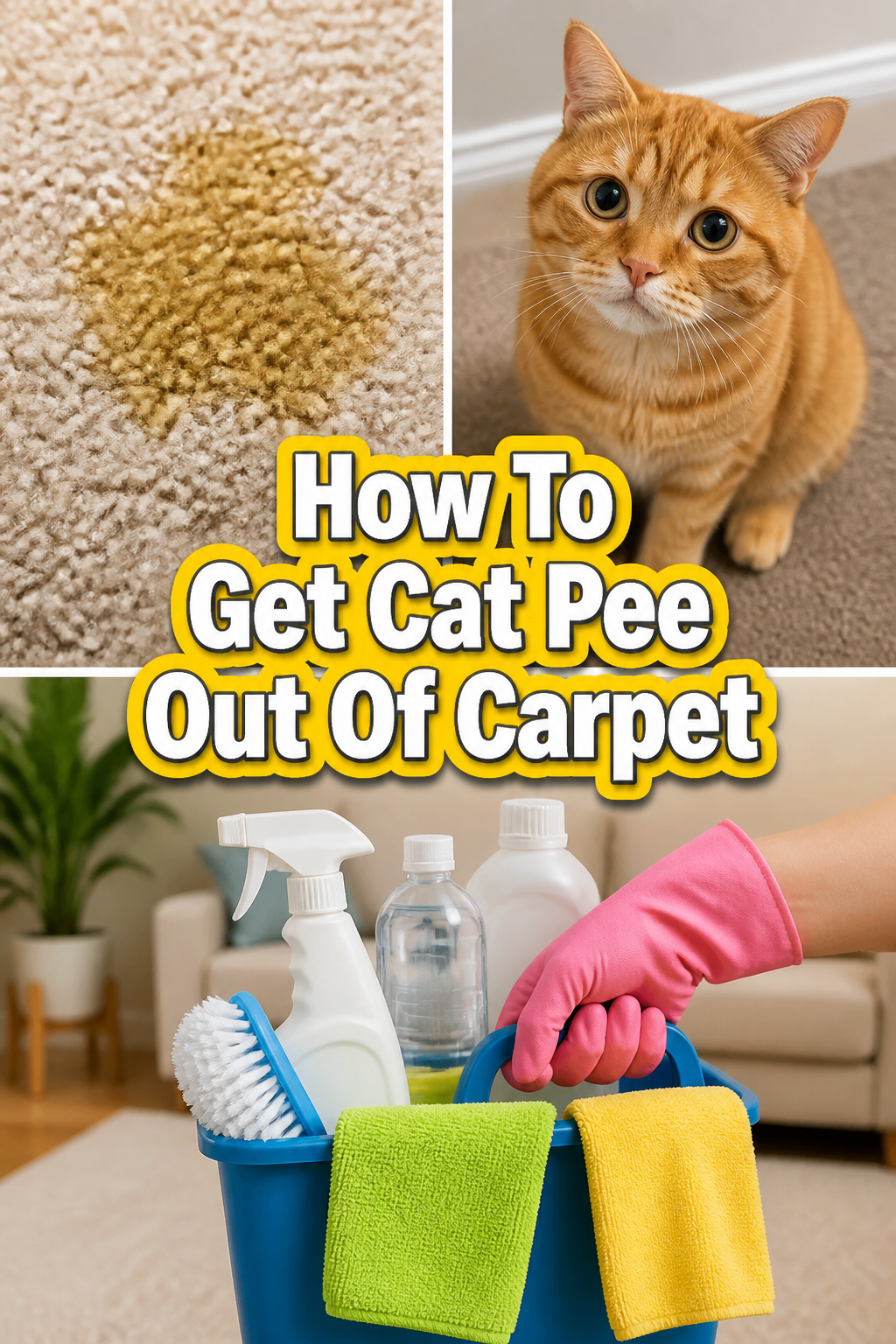
You’ll need a spray bottle, white vinegar, baking soda, a pet-specific enzymatic cleaner, and plenty of clean, dry towels. Think of these as your tools for restoring peace and freshness to your beautiful home. Each item plays a vital role in gently lifting the stain and neutralizing odors.
Step 3: The Vinegar Embrace
White vinegar is a wonderful, natural odor neutralizer and mild disinfectant, making it perfect for the first cleaning pass. It helps to break down the uric acid crystals found in cat urine. Mix a solution of equal parts white vinegar and warm water in your spray bottle.
Generously spray the affected area, ensuring the solution saturates the carpet fibers. You want it to reach as deep as the urine likely did. Let this vinegar solution sit and work its magic for about 10-15 minutes.
This allows the vinegar to penetrate and begin neutralizing those stubborn odors. After it has soaked, use fresh, clean towels to blot up the vinegar solution, again pressing firmly. Continue blotting until you’ve removed as much liquid as possible.
Step 4: Baking Soda’s Magic Touch
Baking soda is a natural marvel when it comes to absorbing odors. Once the vinegar solution has been mostly blotted away, it’s time for this gentle powder to work. Liberally sprinkle a generous layer of baking soda over the damp spot.
Ensure the baking soda covers the entire affected area, creating a visible, even coating. This fine powder will draw out any remaining moisture and odors from the carpet fibers. Let it sit for several hours, or even better, overnight.
The longer the baking soda sits, the more effectively it will absorb deep-seated smells. During this time, you might notice the powder clumping slightly as it pulls moisture from the carpet. This is a good sign it’s doing its job.
Step 5: The Enzyme Elixir
Enzymatic cleaners are truly the superheroes for cat urine. They contain special enzymes that break down the uric acid crystals in cat urine, which are responsible for the lingering odor that other cleaners often miss. This step is non-negotiable for complete odor elimination.
After the baking soda has done its work and you’ve vacuumed it up (which we’ll cover next), it’s time for the enzymatic cleaner. Follow the product instructions carefully, as applications can vary slightly. Generally, you’ll saturate the area with the cleaner.
Allow the cleaner to air dry completely, which can take several hours or even a full day. The enzymes need time to fully break down the urine at a molecular level. Resist the urge to blot it up immediately; let it do its complete work.
Pro Tip: Always test any cleaning solution, especially enzymatic cleaners, on an inconspicuous patch of carpet first. This ensures it won’t cause discoloration or damage to your specific carpet type, preserving your home’s lovely aesthetic.
Step 6: Patient Drying
Proper drying is crucial to prevent mildew and ensure the spot is truly clean. Once the enzymatic cleaner has been applied, you need to let the area air dry completely. This might take some patience, but it’s an essential part of the process.
You can help speed up drying by placing a fan near the area or opening a window for good air circulation. Avoid covering the spot or placing furniture back on it until it is bone dry. This ensures no moisture is trapped beneath.
You can also place a few clean, dry towels over the damp spot and weigh them down with a heavy book. This helps to wick away the remaining moisture. Change the towels periodically until the carpet feels completely dry to the touch.
Step 7: Vacuum Away the Worries
Once the area is completely dry, whether it was after the baking soda or the enzymatic cleaner, it’s time for the final cleanup. Grab your vacuum cleaner and thoroughly vacuum the treated spot. This removes any remaining baking soda residue and refreshes the carpet fibers.
Vacuuming helps to lift the carpet pile, making it look and feel good as new. It also ensures all the absorbed odors and particles are completely removed from your home. Run the vacuum over the area multiple times for the best results.
This final touch brings back the soft texture and clean appearance of your carpet. It’s truly satisfying to see the carpet restored, contributing to the overall beauty and comfort of your living space. A clean carpet enhances the entire room’s design.
Step 8: Reclaim Your Sanctuary
With the stain and odor gone, it’s time to fully reclaim your beautiful space. Take a moment to appreciate your clean carpet and the fresh feeling in your home. This is more than just cleaning; it’s about restoring harmony.
Consider a light spritz of a pet-safe fabric refresher to enhance the clean scent, if you like. Perhaps even rearrange a small piece of furniture or add a cozy throw pillow to mark the area’s fresh start. This helps redefine the space positively for both you and your cat. Enjoy your renewed, inviting home.
Common Mistakes to Avoid
Rubbing the Stain
It’s a natural instinct to want to scrub a stain away, but with cat pee, this is counterproductive. Rubbing actually pushes the urine deeper into the carpet fibers and padding, making it much harder to remove. This also spreads the odor and can damage the carpet’s texture. Always blot gently to lift the liquid rather than spreading it or forcing it down.
Using Harsh Chemicals
Bleach, ammonia-based cleaners, or strong chemical disinfectants might seem like a quick fix, but they can be disastrous for cat urine. Ammonia, in particular, has a scent similar to urine, which can actually attract your cat back to the same spot. These harsh chemicals can also permanently damage carpet dyes and fibers, creating an unsightly patch in your otherwise lovely room. Stick to gentle, pet-safe solutions.
Not Treating the Pad
Cat urine often soaks through the carpet fibers and into the padding beneath. If you only treat the surface, the odor will persist because the source of the smell remains. You need to ensure your cleaning solutions penetrate deep enough to reach the padding. This is where generous application of enzymatic cleaner becomes essential, ensuring a thorough treatment from top to bottom.
Skipping the Enzyme Cleaner
Many general household cleaners mask odors temporarily, but they don’t eliminate the uric acid crystals that cause the stubborn, lingering cat pee smell. Only enzymatic cleaners can effectively break down these crystals. Skipping this crucial step means the odor will likely return, especially in humid weather, undermining all your hard work. An enzyme cleaner is truly the key to permanent odor removal.
Troubleshooting
Lingering Odor
If a faint odor persists after treatment, it often means the urine soaked deeper than initially treated, or the enzymatic cleaner didn’t have enough time to work. The key is usually re-application and patience.
Solution: Re-apply the enzymatic cleaner generously, ensuring it saturates the area completely, reaching the carpet padding. Allow it to air dry for an extended period, perhaps 24-48 hours, with good ventilation. You can also re-apply baking soda after the area is dry from the enzyme cleaner, letting it sit overnight before vacuuming.
Stubborn Stain Remains
Sometimes, older or very dark urine stains can leave a faint discoloration even after the odor is gone. This can be frustrating when you’re aiming for a pristine carpet.
Solution: For light discoloration, a gentle scrub with a soft brush and a solution of mild dish soap and warm water can sometimes help. Blot thoroughly afterward. For more stubborn stains, consider a professional carpet cleaner who has specialized equipment and solutions for tough spots. They can often restore the carpet’s original beauty.
Cat Keeps Returning to the Spot
This is a common and disheartening problem, suggesting your cat still detects a faint scent, or there’s an underlying behavioral issue. It can disrupt the harmony of your home.
Solution: First, ensure the area is truly odor-free using a UV blacklight to double-check. If any spots glow, re-treat them thoroughly with enzymatic cleaner. If the problem persists, consult your veterinarian. Cats often urinate outside the litter box due to stress, medical issues (like UTIs), or dissatisfaction with their litter box setup. Addressing the root cause is essential for your cat’s well-being and your home’s peace.
Key Takeaways
- Act Swiftly: Immediate blotting of fresh urine is crucial to prevent deep saturation and minimize odor.
- Embrace Enzymes: Pet-specific enzymatic cleaners are essential for breaking down uric acid crystals and eliminating odors permanently.
- Vinegar and Baking Soda are Allies: Use white vinegar for initial neutralization and baking soda for powerful odor absorption.
- Patience is a Virtue: Allow cleaning solutions, especially enzyme cleaners, ample time to work and the carpet to dry completely.
- Address the Source: If accidents are frequent, consult a vet to rule out medical issues and review your cat’s litter box habits and environment.
- Protect Your Home’s Aesthetic: Gentle, effective cleaning methods preserve your carpet’s beauty and the overall tranquility of your space.
Frequently Asked Questions
Can I use bleach to clean cat pee?
No, absolutely not. Bleach can permanently damage your carpet’s color and fibers. Worse, the strong chemical smell can be irritating to pets and humans. It also doesn’t effectively break down the uric acid crystals that cause the lingering cat pee odor. Stick to pet-safe, enzymatic cleaners for best results.
How do I find old, dried cat pee spots?
Old, dried cat pee spots can be invisible to the naked eye but still emit an odor. The best way to find them is by using a UV blacklight flashlight. In a darkened room, the dried urine crystals will glow a distinctive yellow or greenish hue, making them easy to identify and treat. This tool is invaluable for thorough cleaning.
Is enzymatic cleaner safe for pets?
Yes, pet-specific enzymatic cleaners are formulated to be safe around animals when used as directed. They work by breaking down organic matter rather than using harsh chemicals. Always choose a product specifically labeled for pet use and follow the instructions carefully to ensure the safety and well-being of your furry friends.
Why does my cat keep peeing outside the litter box?
Frequent accidents outside the litter box can signal an underlying issue that needs attention. It could be a medical problem, like a urinary tract infection, which requires a vet visit. It might also be behavioral, such as stress, dissatisfaction with the litter box (location, type of litter, cleanliness), or territorial marking. Addressing these root causes is vital for your cat’s health and your home’s harmony.
Our Top Recommended Finds
- Pet-Specific Enzymatic Cleaner: A high-quality enzymatic cleaner is non-negotiable for truly eliminating odors at their source. Look for brands with strong reviews from other pet owners.
- UV Blacklight Flashlight: This handy tool reveals hidden, dried urine spots, ensuring you treat every affected area and achieve a truly clean result. It’s a game-changer for thoroughness.
- Absorbent Microfiber Towels: Soft, highly absorbent microfiber towels are excellent for blotting. They quickly wick away moisture without damaging carpet fibers, making the cleaning process more efficient and gentle.
Embrace a Fresh, Cozy Home Again!
Discovering a cat pee accident can feel like a small setback in maintaining your beautiful, cozy home. But with this guide, you now have the gentle, practical steps to confidently tackle any spot. You’re not just cleaning a stain; you’re restoring the peace and beauty of your living space.
Remember, a clean home is a happy home, for both you and your beloved feline companions. Take pride in knowing you can handle these little challenges, keeping your sanctuary fresh and inviting. Don’t let a small accident dim the light of your lovely design; embrace the journey of renewal today!