✨ How To Add Character To Your Home
I’ve always believed a home should feel like a warm hug, a reflection of the lives lived within its walls.
For years, I’ve helped friends and clients transform sterile spaces into sanctuaries that tell a unique story.
This guide shares my favorite, practical ways to infuse your home with soul, personality, and genuine warmth.

Quick Overview
This guide will help you transform your living spaces from generic to genuinely yours. You’ll learn how to layer textures, choose colors, and curate items that speak to your personal story, creating a home that feels uniquely inviting.
- Time needed: 2-3 weekends (or an ongoing, enjoyable process)
- Difficulty: Beginner to Intermediate
- What you’ll need: An open mind, measuring tape, paint samples, thrift store finds, and personal mementos.
Step-by-Step Instructions
Step 1: Define Your Home’s Story
Every home has a narrative waiting to be told. Before you move a single piece of furniture, think about what truly inspires you.
Consider the feelings you want your home to evoke, the memories you cherish, and the experiences that shape who you are.
- Reflect on your personal style, passions, and travel experiences. What colors, textures, and eras resonate with you most?
- Gather inspiration from places you love, whether it’s a cozy cafe, a cherished vacation spot, or simply a beautiful garden. Look for elements that consistently catch your eye.
- List your favorite objects, colors, and feelings. These are the building blocks of your home’s unique identity and will guide your choices.
Pro Tip: Create a physical or digital mood board. Pin images of rooms, colors, fabrics, and objects that make your heart sing. This visual collection will help you see recurring themes and solidify your vision.
Step 2: Embrace the Power of Color
Color is one of the most impactful tools for adding character. It sets the mood and can instantly transform a room’s feel.
Think beyond just wall paint; consider how color can be introduced through textiles, art, and decorative accents.
- Choose a color palette that truly speaks to you and aligns with your defined story. Don’t be afraid to step away from neutrals if a vibrant hue calls to you.
- Experiment with accent walls or subtle, unexpected hues in smaller spaces like hallways or powder rooms. A bold color can make a big statement without overwhelming an entire area.
- Layer colors through decorative elements like throw pillows, rugs, curtains, and artwork. This creates depth and visual interest, making the space feel more curated and less flat.
Pro Tip: Test paint colors on a large swatch in different areas of the room. Observe how the light changes the hue throughout the day before making a final decision.
Step 3: Curate Meaningful Objects
Your home’s character truly shines through the objects you choose to display. These are not just decorations; they are storytellers.
Focus on items that hold personal significance, evoke memories, or simply bring you joy.
- Display items with personal history, such as family heirlooms, souvenirs from travels, or gifts from loved ones. These pieces instantly add warmth and a sense of legacy.
- Mix old with new for compelling visual interest. A vintage vase next to a modern sculpture creates a dynamic contrast that feels collected over time.
- Tell a story with your collections, arranging them in thoughtful vignettes. Group similar items, or create a display that showcases a particular theme or memory.
Pro Tip: Rotate your displayed items seasonally or when you feel like a change. This keeps your home feeling fresh and allows you to appreciate different pieces.
Step 4: Play with Texture and Textiles
Texture adds depth, warmth, and an inviting sensory experience to any room. It’s often an overlooked element that significantly enhances character.
Think about how different fabrics and materials can contribute to the overall feel of your space.
- Introduce varying textures for depth and visual interest. Combine smooth ceramics with rough-hewn wood, or soft velvet with crisp linen.
- Layer soft furnishings for maximum comfort and coziness. Think plush rugs, chunky knit throws, and an assortment of decorative cushions on sofas and chairs.
- Consider natural materials like linen, wool, cotton, and jute. These materials bring an organic, earthy feel that makes a space feel more grounded and authentic.
Pro Tip: Don’t be afraid to mix patterns too. As long as they share a common color or tone, different patterns can add playful complexity and character.
Step 5: Master the Art of Lighting
Lighting is crucial for setting the mood and highlighting your home’s unique features. It can transform a space from functional to truly atmospheric.
Think about more than just overhead lights; consider how different light sources can work together.
- Vary light sources to create different moods and functions. Include ambient lighting (overhead), task lighting (reading lamps), and accent lighting (spotlights on art).
- Add dimmer switches to overhead lights and lamps wherever possible. This allows you to adjust the intensity of light, creating anything from bright and energetic to soft and intimate.
- Highlight focal points or beloved objects with targeted accent lights. A small picture light can draw attention to a favorite piece of art, adding a gallery-like feel.
Pro Tip: Warm-toned light bulbs (2700K-3000K) generally create a cozier, more inviting atmosphere than cooler tones.
Step 6: Greenery and Natural Elements
Bringing the outdoors in is a simple yet powerful way to add life, freshness, and character to your home. Plants and natural materials connect us to the world outside.
They introduce organic shapes, vibrant colors, and a sense of calm to any interior.
- Bring the outdoors in with a variety of houseplants. Choose plants of different sizes and leaf textures to add visual interest and clean the air.
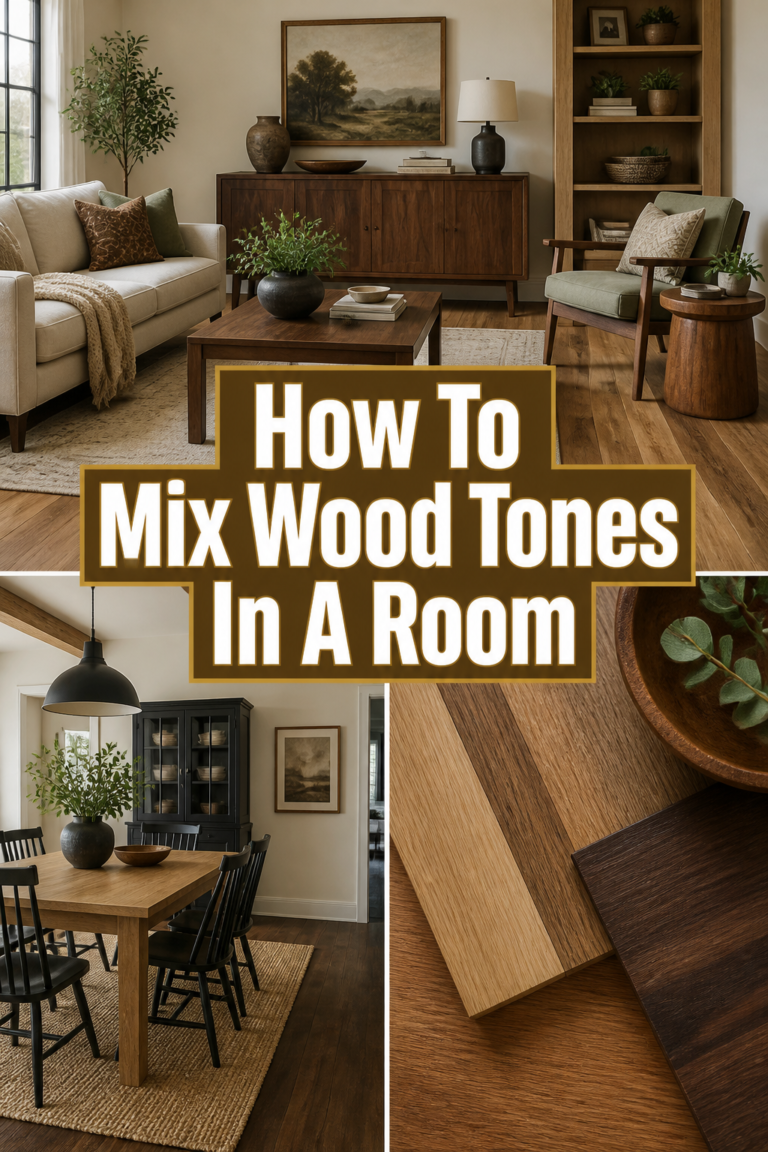
- Incorporate natural materials like wood, stone, and rattan through furniture, decorative bowls, or picture frames. These elements add warmth and an earthy texture.
- Arrange fresh flowers or seasonal branches in vases. This adds a touch of transient beauty and a living, changing element to your decor.
Pro Tip: Even a few well-placed plants can make a significant difference. Start with easy-care varieties like snake plants or ZZ plants if you’re new to indoor gardening.
Step 7: Optimize Your Layout for Flow and Function
Character isn’t just about what you see; it’s also about how a space feels and functions. A well-arranged room invites you in and supports your daily life.
Thoughtful furniture placement can create intimate zones and ensure ease of movement.
- Arrange furniture to encourage conversation and connection. Place sofas and chairs facing each other, or around a central coffee table, to foster interaction.
- Create cozy nooks for relaxation or focused activities. A comfortable armchair by a window with a small side table makes an ideal reading spot.
- Ensure clear pathways for easy movement throughout the room. Avoid blocking doorways or creating awkward obstacles that disrupt the flow.
Pro Tip: Before moving heavy furniture, sketch out different layout possibilities on paper. Measure your pieces and the room to ensure everything fits comfortably.
Step 8: Personal Touches and DIY Projects
The most authentic character comes from injecting your own creativity and personality into your space. Don’t be afraid to make things truly your own.
These unique touches are often the most memorable and cherished elements of a home.
- Display personal artwork or photographs in a curated gallery wall or scattered throughout the home. These visual memories make a space deeply personal.
- Undertake small DIY projects to add uniqueness. Repurpose an old piece of furniture with a fresh coat of paint, or create custom shelving.
- Incorporate handmade items from local artisans or craft fairs. These pieces often have a story behind them and support independent creators, adding unique charm.
Pro Tip: Start with a small, manageable DIY project to build confidence. Painting a small side table or creating a simple wall hanging can be very rewarding.
Common Mistakes to Avoid
Over-Theming
Sometimes, people get carried away with a single theme, like “farmhouse” or “coastal.” This can make a home feel like a display rather than a lived-in space.
Instead, aim for an eclectic mix that reflects various aspects of your life and interests. A blend of styles often feels more authentic and collected over time.
Ignoring Scale and Proportion
Placing furniture that is too large for a small room, or too small for a grand space, can throw off the entire balance. It makes a room feel awkward and uncomfortable.
Always measure your space and your furniture before buying. Use painter’s tape on the floor to visualize how pieces will fit and relate to each other.
Buying Everything New
A home filled exclusively with brand-new, matching items can lack soul and depth. It often looks like a showroom, missing the warmth of history.
Seek out vintage finds, antique pieces, or handmade items. These unique pieces add character, tell a story, and give your home a distinct personality.
Forgetting Functionality
While aesthetics are important, a beautiful home that isn’t practical isn’t truly characterful. If a space doesn’t work for your lifestyle, it will feel frustrating.
Always consider how you live in your home. Ensure comfort, storage, and ease of use are prioritized alongside visual appeal. Beauty without comfort is incomplete.
Troubleshooting
“My home still feels generic, even after trying these steps.”
It can feel frustrating when your efforts don’t immediately yield the desired results. Sometimes, the issue is a lack of bold choices or too much conformity.
Revisit Step 1: Define Your Home’s Story. Are you truly expressing your unique self, or are you still playing it safe? Try focusing on one small room or even just a corner, and make one truly bold, personal choice there to start.
“I have too much stuff, and it feels cluttered, not characterful.”
There’s a fine line between curated charm and overwhelming clutter. Too many objects, even meaningful ones, can make a space feel chaotic and lose its appeal.
Before adding more, take time to declutter. Focus on curation, not accumulation. Store items you love but don’t currently display, and rotate them. Every item on display should earn its spot.
“I’m on a tight budget, and new decor feels out of reach.”
Adding character doesn’t require a large budget. Many of the most impactful changes are free or very low cost. Creativity often trumps cash.
Focus on rearranging existing furniture, decluttering, displaying personal photos, or making small DIY projects. Thrift stores, garage sales, and hand-me-downs are treasure troves for unique, characterful items at a low price.
Key Takeaways
- Character comes from expressing your personal story and passions in your home.
- Mix old, new, and handmade items to create a collected, authentic feel.
- Layering textures, colors, and patterns adds depth and visual interest.
- Thoughtful lighting is essential for setting mood and highlighting features.
- Prioritize both beauty and functionality for a truly comfortable and inviting space.
- Don’t be afraid to experiment, make bold choices, and let your personality shine through.
Frequently Asked Questions
How do I start if I’m completely overwhelmed by the process?
Start small and choose just one area. Focus on a single room, a corner, or even just a bookshelf. Make one or two small changes based on your defined story, then build momentum from there. Small steps lead to big transformations.
What if my partner and I have very different design styles?
This is a common challenge that often leads to a richer, more unique home. Find common ground by identifying shared values or colors you both appreciate. Blend elements from both styles, creating a dialogue between your preferences rather than a clash. Compromise and collaboration are key.
Is adding character just for older, traditional homes?
Not at all! Character is about personality, not age. Even modern or minimalist homes can benefit from elements that add warmth, texture, and a sense of individuality. Think about unique art, a statement plant, or a single vintage piece to soften contemporary lines.
How often should I redecorate or refresh my home’s character?
There are no strict rules. Your home should evolve with you. Some people enjoy seasonal updates, while others prefer major refreshes every few years. The best time to redecorate is when your home no longer feels like a true reflection of who you are or how you live.
Our Top Recommended Finds
- Cozy Throw Blankets: An instant way to add warmth, texture, and a touch of color to any sofa or armchair, inviting relaxation.
- Vintage-Style Picture Frames: Perfect for displaying cherished memories, these frames add a touch of timeless elegance and personal history.
- Unique Ceramic Planters: Elevate your houseplants from simple greenery to a curated design element, adding artisanal charm to any room.
Your Home, Your Story: Begin the Transformation
Adding character to your home is a journey, not a destination. It’s an ongoing conversation between you and your living space, a continuous expression of who you are.
Every decision you make, from the colors you choose to the objects you display, contributes to a home that feels truly authentic.
Take that first step today. Start reflecting on your story, gather some inspiration, and make one small, intentional change. Your home is waiting to tell your unique tale.