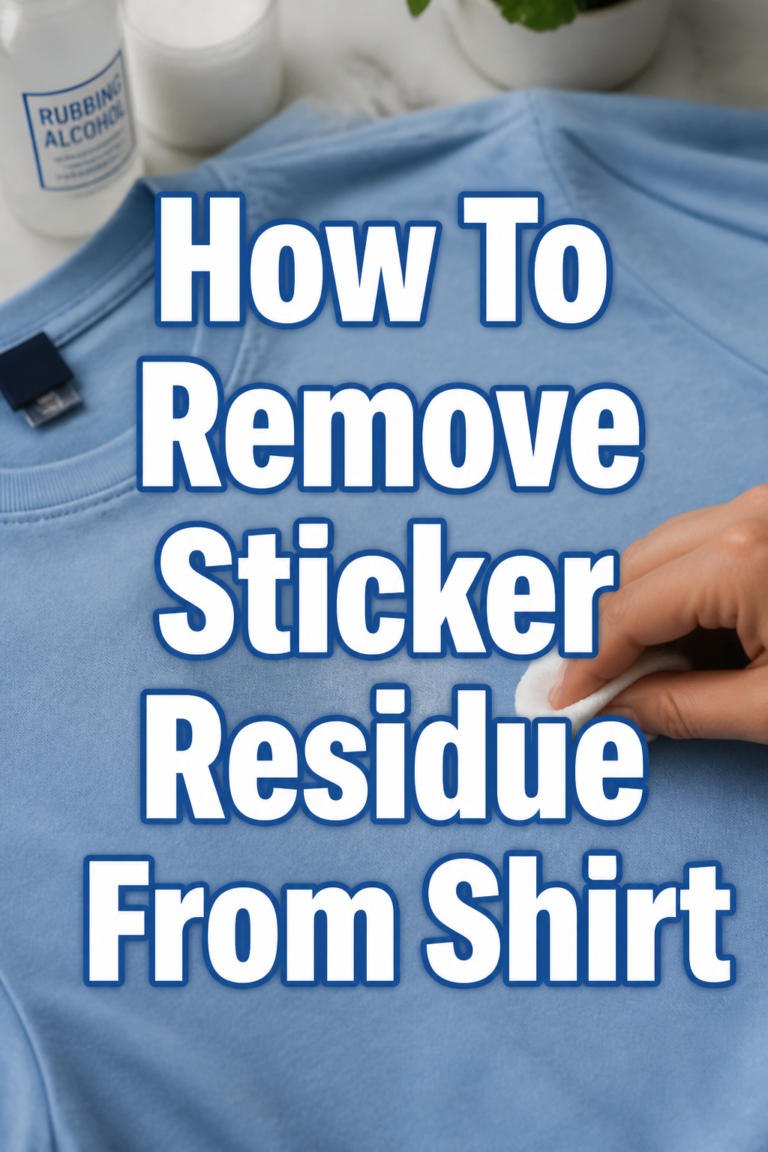
✨ How To Get Sticker Residue Off Clothes
There’s nothing quite like the disappointment of peeling off a price tag or a fun sticker, only to find a stubborn, sticky mess left behind on your favorite fabric.
It’s a common little hurdle in maintaining a beautifully curated wardrobe and a tidy home, something I’ve personally navigated countless times after a new purchase or a crafty afternoon with the kids.
But don’t fret; with a gentle touch and the right approach, you can restore your garments to their pristine, comfortable state, making your daily routines just a little bit smoother.
Quick Overview
This guide will gently walk you through the process of safely removing sticky residue, ensuring your clothes remain as lovely and inviting as your favorite cozy corner.
- Time needed: 15-30 minutes (mostly waiting)
- Difficulty: Beginner
- What you’ll need: Household items like tape, oil, or rubbing alcohol.
Step-by-Step Instructions
Step 1: Assess the Situation and Gather Your Gentle Allies
Before you begin, take a moment to gently examine the sticky culprit. Is it a fresh, slightly tacky residue, or a hardened, long-forgotten patch?
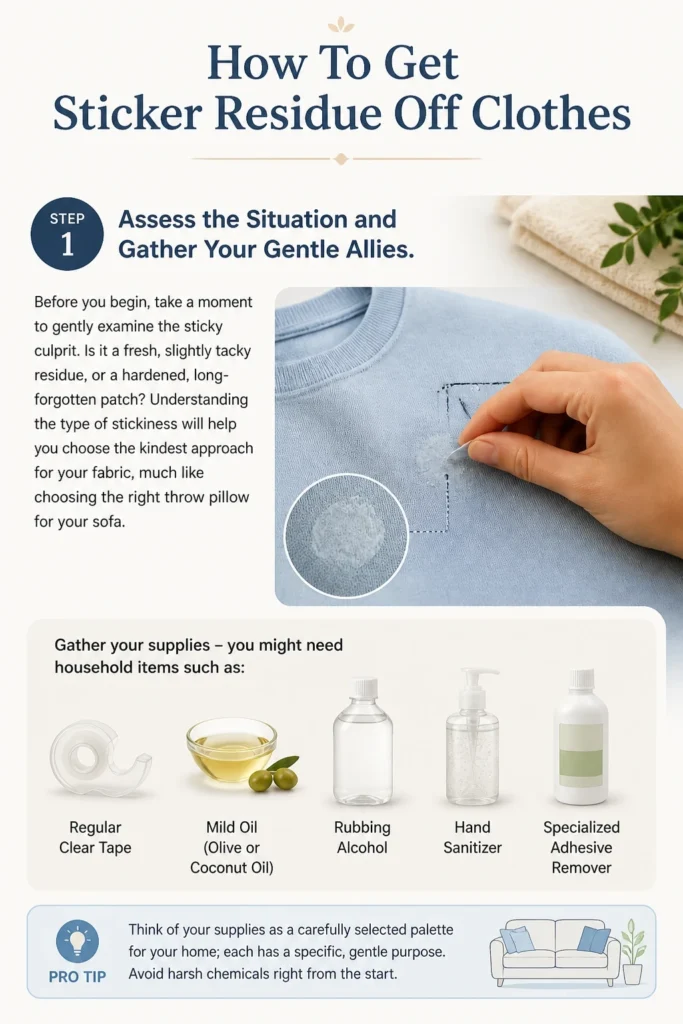
Understanding the type of stickiness will help you choose the kindest approach for your fabric, much like choosing the right throw pillow for your sofa.
Gather your supplies: you might need household items such as regular clear tape, a mild oil like olive or coconut oil, rubbing alcohol, hand sanitizer, or even a specialized adhesive remover.
Pro Tip: Think of your supplies as a carefully selected palette for your home; each has a specific, gentle purpose. Avoid harsh chemicals right from the start.
Step 2: Start with the Simplest Touch – The Tape Trick
Sometimes, the easiest solution is the most effective, much like a simple declutter can transform a room.
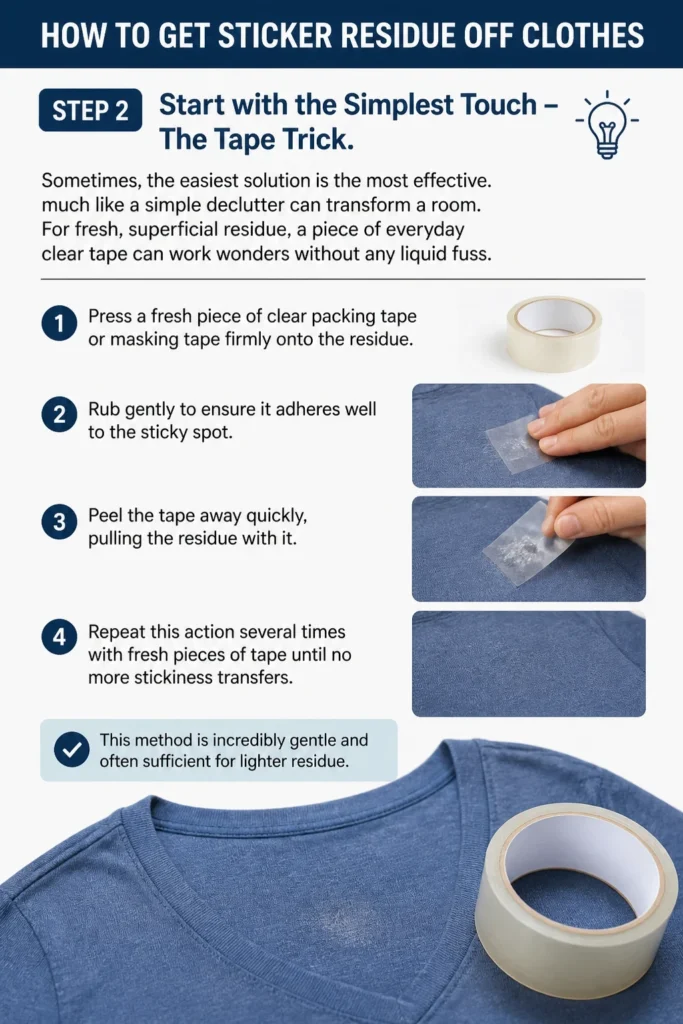
For fresh, superficial residue, a piece of everyday clear tape can work wonders without any liquid fuss.
- Press a fresh piece of clear packing tape or masking tape firmly onto the residue.
- Rub gently to ensure it adheres well to the sticky spot.
- Peel the tape away quickly, pulling the residue with it.
Repeat this action several times with fresh pieces of tape until no more stickiness transfers. This method is incredibly gentle and often sufficient for lighter residue.
Step 3: Introduce a Gentle Oil for Stubborn Spots
When tape alone isn’t enough, it’s time to introduce a mild, oil-based solution. Oils are fantastic at breaking down the adhesive bond without harming most fabrics, much like a soft rug adds warmth without overwhelming a space.
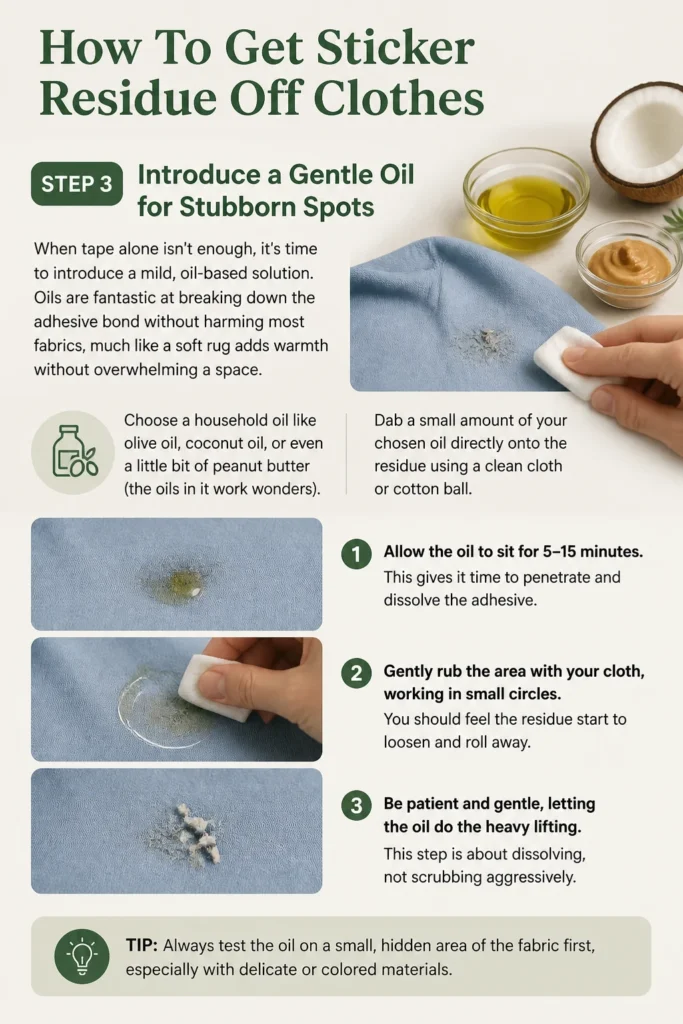
Choose a household oil like olive oil, coconut oil, or even a little bit of peanut butter (the oils in it work wonders).
- Dab a small amount of your chosen oil directly onto the residue using a clean cloth or cotton ball.
- Allow the oil to sit for 5-15 minutes. This gives it time to penetrate and dissolve the adhesive.
- Gently rub the area with your cloth, working in small circles. You should feel the residue start to loosen and roll away.
Be patient and gentle, letting the oil do the heavy lifting. This step is about dissolving, not scrubbing aggressively.
Step 4: Consider the Power of Rubbing Alcohol or Hand Sanitizer
For particularly stubborn or synthetic-based adhesives, rubbing alcohol (isopropyl alcohol) or hand sanitizer can be a powerful, yet still gentle, ally. These solvents evaporate quickly, leaving little trace.
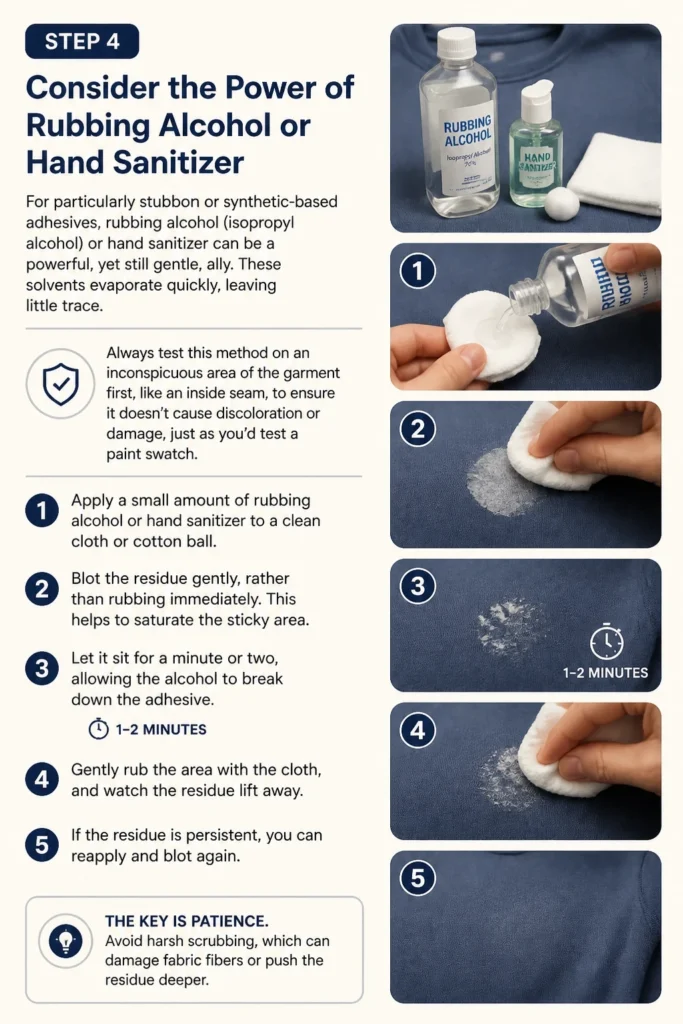
Always test this method on an inconspicuous area of the garment first, like an inside seam, to ensure it doesn’t cause discoloration or damage, just as you’d test a paint swatch.
- Apply a small amount of rubbing alcohol or hand sanitizer to a clean cloth or cotton ball.
- Blot the residue gently, rather than rubbing immediately. This helps to saturate the sticky area.
- Let it sit for a minute or two, allowing the alcohol to break down the adhesive.
- Gently rub the area with the cloth, and watch the residue lift away.
If the residue is persistent, you can reapply and blot again. The key is to be methodical and observe how the fabric reacts.
Step 5: Tackle the Residue with a Dish Soap Solution
Once the sticky residue itself is gone, you’ll likely have an oily or alcoholic spot left on your fabric. This is where a mild dish soap comes in, ready to cut through grease and refresh the area.
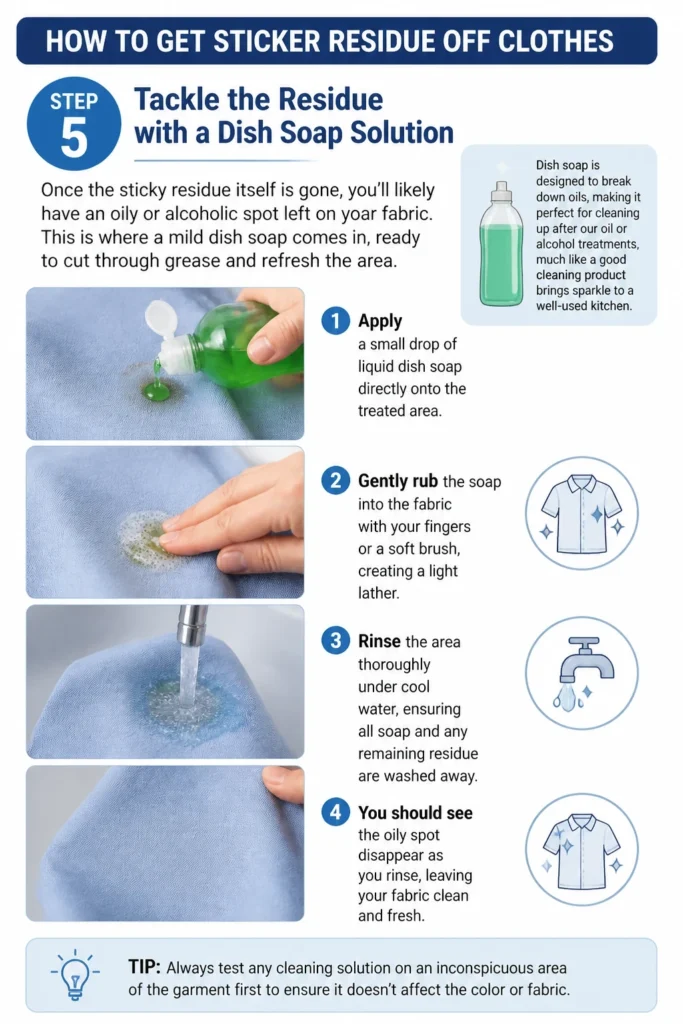
Dish soap is designed to break down oils, making it perfect for cleaning up after our oil or alcohol treatments, much like a good cleaning product brings sparkle to a well-used kitchen.
- Apply a small drop of liquid dish soap directly onto the treated area.
- Gently rub the soap into the fabric with your fingers or a soft brush, creating a light lather.
- Rinse the area thoroughly under cool water, ensuring all soap and any remaining residue are washed away.
You should see the oily spot disappear as you rinse, leaving your fabric clean and fresh.
Step 6: The Gentle Wash Cycle
After all the targeted treatments, a full wash cycle is the perfect way to ensure your garment is completely clean, refreshed, and ready to re-enter your beautiful wardrobe rotation.
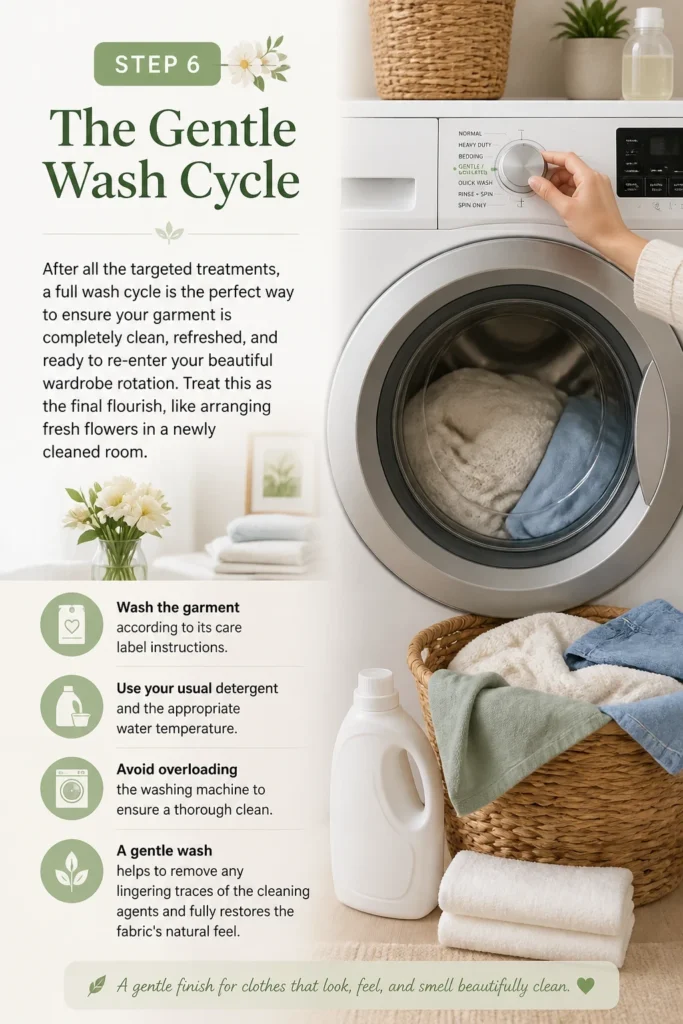
Treat this as the final flourish, like arranging fresh flowers in a newly cleaned room.
- Wash the garment according to its care label instructions.
- Use your usual detergent and the appropriate water temperature.
- Avoid overloading the washing machine to ensure a thorough clean.
A gentle wash helps to remove any lingering traces of the cleaning agents and fully restores the fabric’s natural feel.
Step 7: Air Dry with Care
The final step is crucial for preventing any unseen residue from baking onto your clothes and for preserving the fabric’s integrity. Air drying is always the kindest choice after a targeted cleaning.
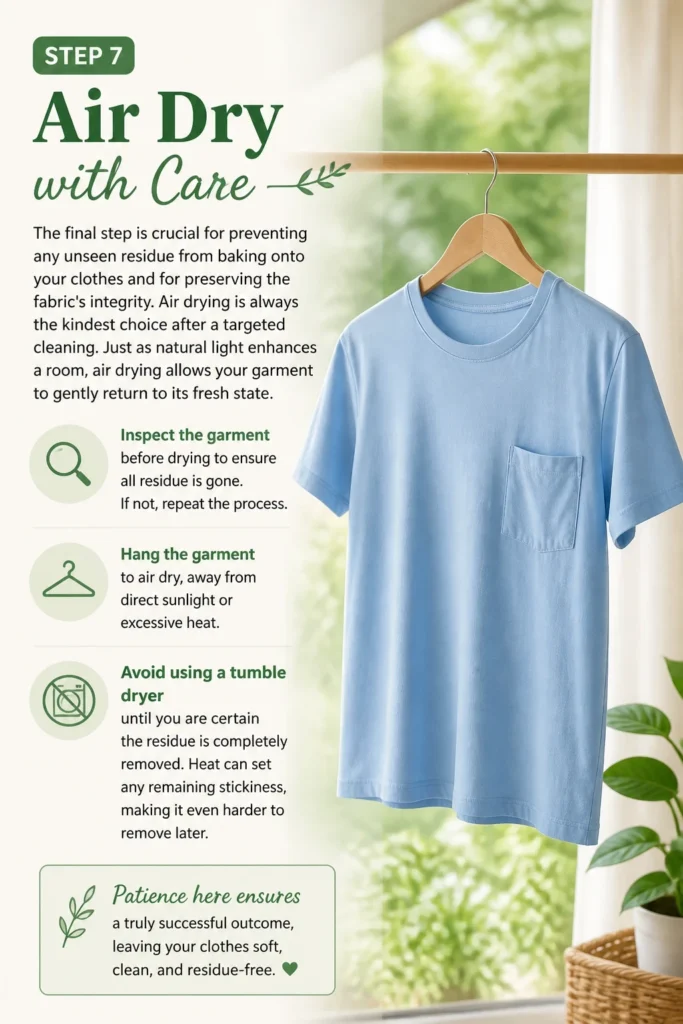
Just as natural light enhances a room, air drying allows your garment to gently return to its fresh state.
- Inspect the garment before drying to ensure all residue is gone. If not, repeat the process.
- Hang the garment to air dry, away from direct sunlight or excessive heat.
- Avoid using a tumble dryer until you are certain the residue is completely removed. Heat can set any remaining stickiness, making it even harder to remove later.
Patience here ensures a truly successful outcome, leaving your clothes soft, clean, and residue-free.
Common Mistakes to Avoid
Rubbing Too Hard or Aggressively
It’s tempting to scrub furiously when faced with a sticky spot, but this can actually push the adhesive deeper into the fabric fibers, or worse, damage the fabric itself.
Aggressive rubbing can cause pilling, stretching, or even tears, especially on delicate materials. Always opt for gentle blotting and patient dissolving.
Think of it like polishing a delicate piece of furniture; a gentle, steady hand yields the best results without causing harm.
Using Hot Water or a Dryer Immediately
Heat is the enemy of sticker residue. High temperatures from washing in hot water or, especially, tumble drying can “bake” the adhesive onto the fabric.
Once heated and set, the residue becomes much harder, if not impossible, to remove without damaging the garment. Always use cool water for rinsing and air dry until you’re sure the stickiness is gone.
This careful approach preserves the fabric, much like keeping cherished items out of direct sunlight prevents fading.
Trying Harsh Chemicals First
Reaching for strong solvents like nail polish remover (acetone) or paint thinner might seem like a quick fix, but these can bleach, dissolve, or permanently damage many clothing fabrics.
Always start with the mildest option, like tape or oil, and only escalate to rubbing alcohol after testing. Your garment deserves a gentle, considered approach.
Just as you wouldn’t use a harsh cleaner on a delicate antique, treat your clothes with the same respect and care.
Skipping the Patch Test
Every fabric is unique, and what works perfectly on one garment might discolor or damage another. Ignoring the patch test is a gamble that can lead to irreversible damage.
Always test any liquid cleaning agent on an inconspicuous area, such as an inside seam or hem, before applying it to the visible residue.
This simple step is a critical safeguard, ensuring your cleaning efforts enhance, rather than detract from, the beauty of your clothes.
Troubleshooting
Residue Still Feels Tacky After Treatment
If a faint stickiness remains, it often means the adhesive wasn’t fully dissolved or lifted in the first attempt. Don’t worry, this is quite common and easily addressed.
Revisit the oil or rubbing alcohol step, applying a fresh, small amount to the still-tacky area. Allow it a bit more time to work, then gently rub again with a clean cloth.
Sometimes a second, more focused application is all that’s needed to fully break down the stubborn bits, much like a second pass with a duster catches all the forgotten corners.
Oil Stain Remains After Washing
An oil stain left behind indicates that the dish soap or detergent didn’t fully emulsify and rinse away the oil used to remove the sticker residue. This can happen if the spot wasn’t thoroughly treated with soap.
Apply a small amount of liquid dish soap directly to the oil stain. Gently rub it into the fabric with your fingers or a soft brush, creating a good lather. Let it sit for 5-10 minutes, then rinse thoroughly under cool running water.
Follow with another gentle wash cycle. Dish soap is designed to cut through grease, so a targeted application should resolve the issue, leaving your fabric pristine.
Fabric Discoloration After Cleaning
If you notice a slight discoloration, particularly after using rubbing alcohol or other solvents, it’s usually due to the dye being slightly lifted from the fabric. This is why the patch test is so vital.
Unfortunately, dye loss is often permanent. For minor fading, you might try a fabric refresh product designed to brighten colors, but for significant discoloration, it might be a permanent change.
Moving forward, always prioritize the patch test on an unseen area to prevent this issue. It’s a small step that protects your cherished garments from unexpected changes.
Key Takeaways
- Start Gentle: Always begin with the least abrasive methods like tape, escalating only if necessary.
- Test First: Perform a patch test on an inconspicuous area before applying any liquid cleaner to the main spot.
- Patience is Key: Allow cleaning agents time to work their magic; gentle blotting is more effective than aggressive scrubbing.
- Avoid Heat: Never apply heat (hot water, dryer) to a garment with sticker residue, as it can permanently set the adhesive.
- Clean Thoroughly: Always follow up with dish soap to remove oily residues and a full wash to refresh the garment.
- Air Dry Completely: Ensure the garment is fully air-dried and residue-free before putting it back into regular use or storage.
Frequently Asked Questions
Can I use Goo Gone on clothes?
While Goo Gone is an effective adhesive remover, it’s generally not recommended for direct application to clothing. Its strong solvents can potentially stain, discolor, or damage certain delicate fabrics.
If you absolutely must use it, always opt for the “fabric safe” version, apply a tiny amount to a cotton swab, and perform a diligent patch test on an inconspicuous area first.
Thoroughly wash the garment immediately after using any specialized adhesive remover to prevent lingering chemicals.
What if the sticker residue is old and hardened?
For old, hardened residue, you’ll need a bit more patience. Begin by gently trying to scrape off any loose, dry bits with the edge of a credit card or a dull knife, being careful not to damage the fabric.
Then, apply a generous amount of a mild oil (like olive or coconut oil) and let it soak for a longer period, perhaps 30 minutes to an hour, or even overnight for very stubborn spots.
The oil needs time to penetrate and soften the old adhesive. Follow up with gentle rubbing and the dish soap treatment as outlined in the steps.
Will nail polish remover work?
Nail polish remover, especially those containing acetone, can be very effective at dissolving adhesives. However, it is also very harsh and can easily damage, bleach, or melt certain synthetic fabrics like acetate, rayon, or triacetate.
It can also strip dyes from natural fibers. For these reasons, it’s generally best to avoid nail polish remover on clothing and stick to safer alternatives like rubbing alcohol or oils, unless it’s a very robust fabric and you’ve performed a successful, extensive patch test.
Is there a natural, non-toxic option?
Absolutely! The oil method (using olive, coconut, or even vegetable oil) is a wonderfully natural and non-toxic way to remove sticker residue.
Lemon essential oil is also highly effective at breaking down adhesives and smells delightful, though it should be diluted slightly in a carrier oil and patch tested.
For a truly natural approach, a paste made from baking soda and water can sometimes gently abrade away residue, followed by a thorough rinse. These options align perfectly with creating a harmonious and healthy home environment.
Our Top Recommended Finds
- Microfiber Cleaning Cloths: Gentle yet effective for applying solutions and buffing away residue without scratching or damaging fabrics.
- Isopropyl Rubbing Alcohol (70%): A versatile and effective solvent that’s readily available and generally safe for most fabrics when patch tested.
- Mild Liquid Dish Soap: Essential for cutting through any oily residue left behind, ensuring your garments are truly clean.
Embrace a Pristine Wardrobe, One Spot at a Time
Seeing your favorite clothes restored to their original beauty after a sticky mishap brings a quiet satisfaction, much like stepping into a perfectly organized and inviting room.
Each successful removal isn’t just about a clean garment; it’s about maintaining the comfort and aesthetic of your personal space, ensuring that every item you wear feels as good as it looks.
So, gather your gentle tools, follow these steps with a thoughtful touch, and let the small victories of a pristine wardrobe contribute to the overall tranquility and beauty of your home. You’ve got this!