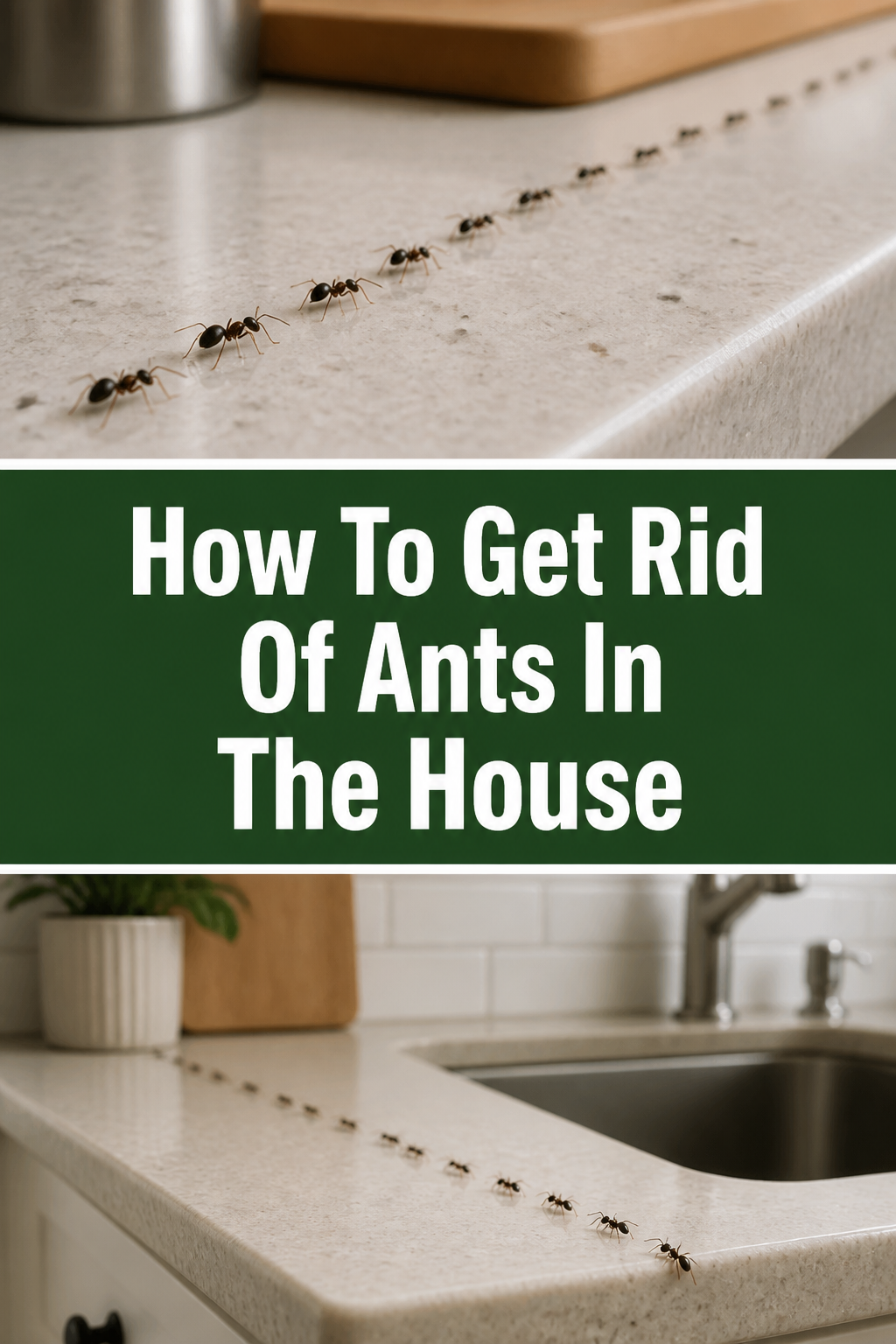
How To Get Rid Of Ants In The House
There’s nothing quite like the peace of a beautifully maintained home, a sanctuary where every corner feels just right.
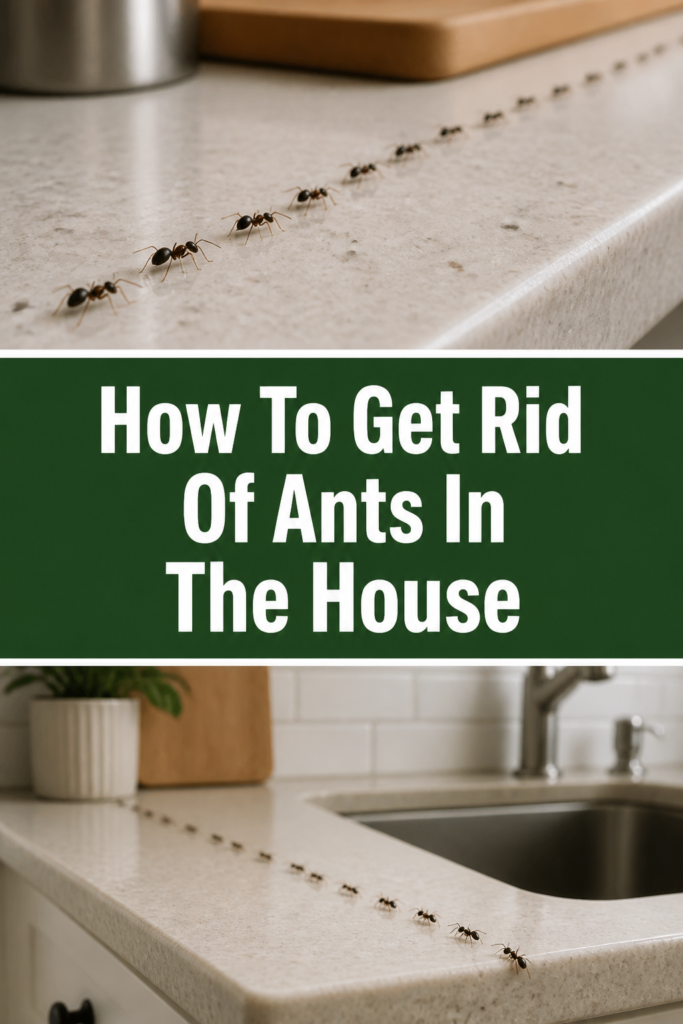
Then, you spot them: a tiny trail of ants marching across your pristine kitchen counter, disrupting that perfect calm.
I know that feeling intimately, having faced my own unwelcome ant guests. This guide shares the practical, aesthetic-friendly strategies I’ve learned to reclaim my peaceful space.
Quick Overview
Transforming your home from an ant highway back into your serene haven is entirely achievable. This guide will walk you through a gentle, yet effective, process to bid farewell to those tiny invaders.
- Time needed: Initial setup 1-2 hours, ongoing monitoring 1-2 weeks
- Difficulty: Beginner
- What you’ll need: Cleaning supplies, caulk, ant baits, natural deterrents
Step-by-Step Instructions
Step 1: Become a Gentle Detective
Before you act, take a moment to observe. Where are the ants coming from, and where are they going?
Follow their trails carefully. They often lead to a food source or directly to their entry point into your home.
Understanding their routes is crucial for effective treatment, helping you place baits precisely where they’ll do the most good.
Pro Tip: Look for ants near windows, doors, baseboards, and especially in areas where food is prepared or stored. A quiet observation period can save you much effort later.
Step 2: Cleanse Your Sacred Spaces
The first line of defense is always a thorough clean. Ants are drawn to even the tiniest crumbs and spills.
Wipe down all kitchen surfaces, dining tables, and pantry shelves with a good all-purpose cleaner. Pay special attention to sticky residue around appliances.
Sweep and vacuum floors regularly, especially in eating areas. Store all food in airtight containers, removing any easy access for ants.
Step 3: Seal Off the Welcome Mat
Once you’ve identified their entry points, it’s time to close them off. Inspect your home’s exterior and interior for cracks.
Look for tiny gaps around window frames, door thresholds, and utility pipe openings. Even the smallest crack can be an open invitation.
Use caulk or weatherstripping to seal these openings. This not only keeps ants out but also helps with energy efficiency, maintaining your home’s comfortable temperature.
Pro Tip: Choose clear or paintable caulk for a seamless finish that blends with your home’s aesthetic. A well-sealed home looks tidy and feels more secure.
Step 4: Deploy Strategic Baits
Ant baits are incredibly effective because they work by having the ants carry the poison back to their colony. This targets the source, not just the visible scouts.
Place ant baits directly in the ants’ path, or very close to their entry points. Position them discreetly, perhaps under cabinets or behind appliances, away from pets and children.
Resist the urge to spray visible ants with repellent when baits are active. You want them to take the bait back to the colony.
Step 5: Create Natural Scent Barriers
Certain natural scents are highly repellent to ants, disrupting their scent trails and deterring them from entering. These can be integrated subtly into your home design.
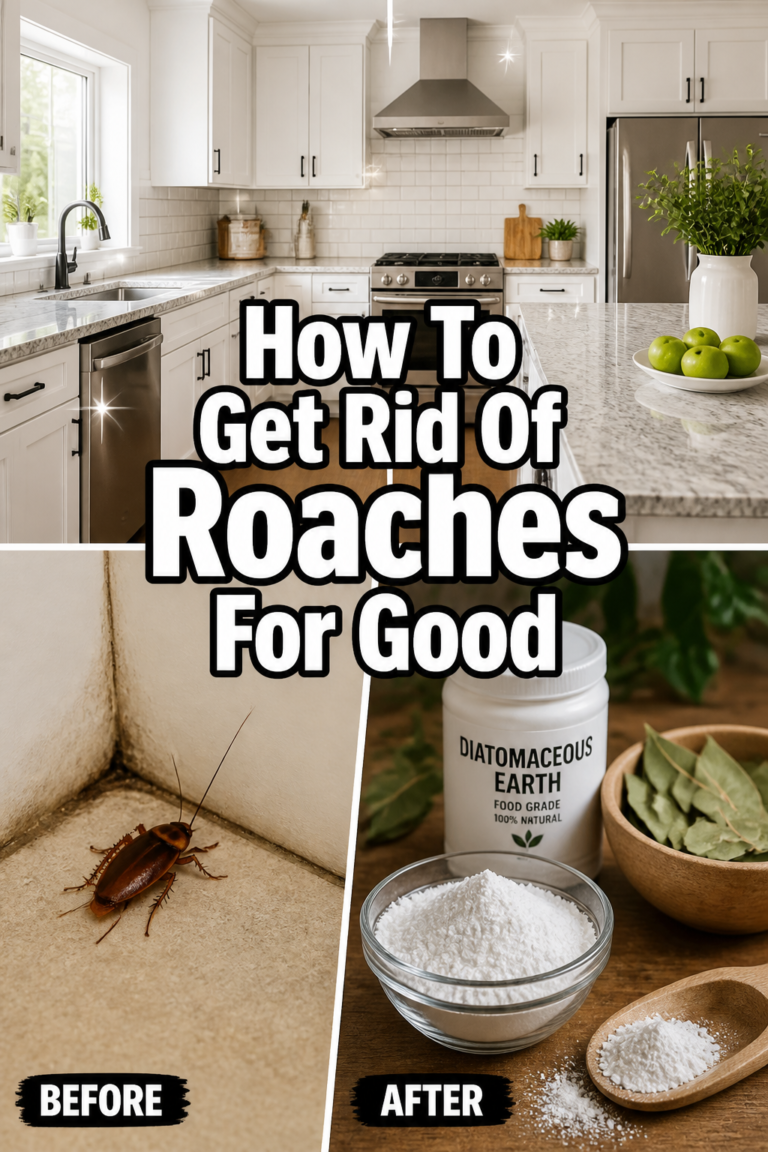
Sprinkle a fine line of food-grade diatomaceous earth (DE) along known ant pathways or outside entry points. DE is a natural, non-toxic powder that dehydrates insects.
You can also place cotton balls soaked in peppermint oil, cinnamon sticks, or bay leaves near windows and doors. The fresh scents can also enhance your home’s aroma.
Pro Tip: When using diatomaceous earth, ensure it’s food-grade, especially if you have pets. Apply it in a very thin layer; it only works when dry and undisturbed.
Step 6: Cultivate an Outdoor Defense
Prevention starts outside your home. Many ant problems originate in your garden or yard.
Trim back any bushes, trees, or other foliage that touch your house. These can serve as “bridges” for ants to access your home’s exterior.
Address any standing water sources, as ants, like all creatures, need water. Keep compost piles away from the house and ensure trash cans are tightly sealed.
Step 7: Embrace Regular Decluttering and Deep Cleaning
A beautifully organized and clean home is less appealing to ants. Regular maintenance is key to long-term prevention.
Perform a thorough deep clean periodically, moving appliances and cleaning underneath them. Dusting and vacuuming forgotten corners removes potential food sources and nesting spots.
Decluttering reduces hiding places and makes it easier to spot any new ant activity quickly. A minimalist approach often means fewer places for pests to thrive.
Step 8: Monitor and Maintain Vigilance
Getting rid of ants is not a one-time event; it’s an ongoing commitment to maintaining your home’s defenses. Stay alert for any new signs of activity.
Regularly check your bait stations and replenish them as needed. Reapply natural deterrents after cleaning or if their scent fades.
A consistent approach ensures that your home remains a peaceful, ant-free zone, allowing you to fully enjoy its beauty.
Step 9: Know When to Seek Expert Help
While most ant issues can be resolved with DIY methods, sometimes the problem is more extensive or persistent. It’s okay to call for backup.
If you have a very large infestation, or if ants continue to return despite your best efforts, consider contacting a professional pest control service.
They can offer specialized treatments and identify types of ants that might require a different approach, ensuring your home is truly protected.
Common Mistakes to Avoid
Ignoring the Source
Many people focus solely on killing the ants they see marching across their counters. While satisfying in the moment, this rarely solves the problem.
Ants you see are just a small fraction of the colony. If you don’t eliminate the colony itself, more ants will simply appear, continuing the cycle.
Always prioritize finding their entry points and using baits that target the entire nest for a lasting solution.
Using Repellents Too Soon
Spraying ants with insecticide or strong repellents immediately can disrupt your baiting strategy. This often scatters the ants and makes them avoid the bait.
If you’re using baits, allow the ants to freely access them so they can carry the bait back to their colony.
Once the colony is addressed, then you can use repellents or seal entry points to prevent future invasions.
Giving Up Too Quickly
Ant removal requires patience and persistence. You might not see immediate results, especially with baits that take time to work through the colony.
It can take several days to a couple of weeks for a baiting system to fully eradicate a colony. Don’t get discouraged if you still see ants initially.
Keep your cleaning routine consistent and replenish baits as needed until all ant activity ceases.
Overlooking Outdoor Prevention
Focusing only on the inside of your home misses a critical part of the puzzle. Many ant problems begin outdoors, with colonies living near your foundation.
Neglecting to trim foliage, seal exterior cracks, or address outdoor food and water sources means ants will constantly try to re-enter.
A comprehensive strategy always includes maintaining a strong perimeter defense around your home.
Troubleshooting
Ants Still Appearing After Treatment
If you’ve applied treatments but still see ants, it could be a sign that the colony is large or that you haven’t found all entry points.
Double-check your bait placements; ants might be finding alternative food sources before reaching the bait. You might also need to try a different type of bait.
Re-inspect your home’s interior and exterior for any overlooked cracks or gaps, and seal them promptly. Consistency is key.
Baits Not Working
Sometimes ants are particular about the type of food they prefer, and a specific bait might not appeal to them.
Try switching to a different brand or type of ant bait, perhaps one with a different active ingredient or food attractant (e.g., sweet vs. protein-based).
Ensure the bait is fresh and hasn’t dried out, as ants are less likely to consume stale bait. Place new bait in fresh locations.
Ants Reappearing Seasonally
Ants often emerge more actively during certain seasons, especially spring and summer, as they forage for food and water.
This suggests that while you might have cleared one colony, new ones are forming or existing ones are becoming active again.
Reinforce your outdoor perimeter defenses before these seasons begin, and maintain a consistent cleaning and monitoring routine year-round to catch any early signs.
Key Takeaways
- Identify ant trails and entry points through careful observation to target your efforts effectively.
- Maintain impeccable cleanliness and store food securely to eliminate ant attractants.
- Seal all cracks and openings in your home’s foundation, windows, and doors to block access.
- Strategically deploy ant baits to eliminate the colony at its source, rather than just visible ants.
- Utilize natural deterrents like diatomaceous earth or essential oils for added protection and pleasant scents.
- Sustain an ant-free home through regular cleaning, outdoor maintenance, and consistent monitoring.
Frequently Asked Questions
Are natural remedies truly effective against ants?
Yes, many natural remedies can be quite effective, especially for prevention and as a deterrent. Substances like diatomaceous earth, peppermint oil, and vinegar can disrupt ant trails and repel them.
However, for established infestations, they often work best in conjunction with baits that target the entire colony rather than as a standalone solution.
Is it safe to use ant baits around pets and children?
Most ant baits are designed to be low-toxicity to humans and pets, but direct ingestion should always be avoided. It’s crucial to place baits in areas inaccessible to children and pets, such as inside cabinets, under appliances, or secured bait stations.
Always read the product label carefully for specific safety instructions and precautions. Consider child- and pet-safe bait traps for added peace of mind.
How long does it typically take to get rid of an ant infestation?
The time it takes can vary depending on the size and type of ant infestation. With effective baiting, you might see a significant reduction in ant activity within a few days to a week.
Complete eradication of the colony can take up to two weeks or even longer for very large infestations. Consistency with your treatment and cleaning is key during this period.
When should I consider calling a professional exterminator?
If you’ve diligently followed all the steps in this guide for several weeks and are still experiencing persistent ant activity, it might be time to call a professional. This is especially true for very large colonies, carpenter ants, or if you’re unsure of the ant species.
Professionals have access to stronger treatments and specialized knowledge to identify and eliminate stubborn infestations effectively.
Our Top Recommended Finds
- Gel Ant Baits: These are often highly attractive to ants and are easy to place discreetly. They ensure the bait is carried back to the nest for colony elimination.
- Food-Grade Diatomaceous Earth: A natural, non-toxic powder that creates a physical barrier. It’s safe for use around homes when applied correctly and helps deter future invasions.
- High-Quality Caulk and Caulk Gun: Essential for sealing entry points, enhancing your home’s insulation, and maintaining a clean, uninterrupted aesthetic.
Embrace Your Serene Sanctuary
Imagine your home, a haven of tranquility, free from the unwelcome march of tiny invaders. You now have the knowledge and tools to make that vision a reality.
Taking these steps not only rids your home of ants but also contributes to a cleaner, more organized, and ultimately more beautiful living space.
Start today, and reclaim the peace and comfort of your perfectly styled home, one ant-free step at a time.