How To Get My Husband On My Side Wallpaper
I remember standing in our master bedroom for three months, staring at the flat, eggshell-colored walls that felt more like a doctor’s office than a retreat.
My husband was convinced that wallpaper was a relic of the past or a nightmare to install, but I knew a textured forest green or a subtle linen print would change everything.
This guide is built from my own experience of successfully turning a skeptic into a wallpaper enthusiast by focusing on quality, collaboration, and a shared vision for a cozy home.

Quick Overview
This guide will help you navigate the delicate balance of home design and partner collaboration to transform your living space into a stylish sanctuary.
- Time needed: 4 to 8 hours for planning and installation
- Difficulty: Intermediate
- What you’ll need: Wallpaper samples, measuring tape, level, smoothing tool, utility knife, and a spirit of compromise
Step-by-Step Instructions
Step 1: Identify the Shared Aesthetic
Start by observing the elements your husband already likes in your home, such as a favorite leather chair or the way the light hits the wooden floors.
Instead of presenting a finished idea, ask him what kind of “mood” he wants for the room, whether it is a dark library vibe or a bright, airy coastal feel.
Framing the conversation around comfort and the overall atmosphere makes the project feel less like a chore and more like an upgrade to his daily life.
Pro Tip: Focus on patterns that mimic natural textures like stone, grasscloth, or wood grain, as these often appeal to people who are wary of busy floral prints.
Step 2: Order Physical Samples
Never rely on a digital screen to sell the idea of wallpaper because colors and textures look vastly different in person.
Order several large-scale samples and tape them to the wall where they will live, allowing both of you to see how they change throughout the day.
Letting him touch the paper and feel the weight of the material helps demystify the product and proves it is a high-quality design choice.
Step 3: Address the Maintenance Myths
Many people associate wallpaper with the difficult-to-remove versions from decades ago that required hours of scraping and steaming.
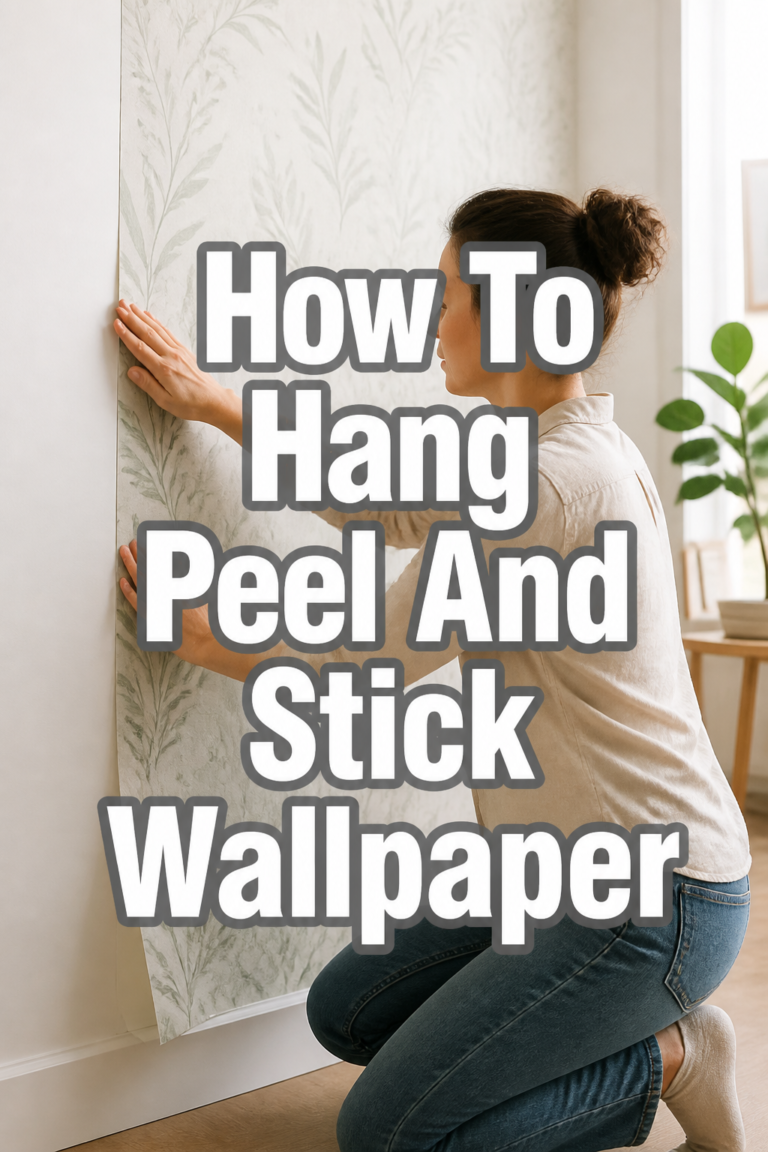
Explain the benefits of modern non-woven papers or peel-and-stick options that can be removed in full strips without damaging the drywall.
Showing him a video of how easily these materials come off can alleviate the fear of a permanent, messy mistake.
Step 4: Create a Visual Mockup
Use a simple photo editing app on your phone to overlay your chosen pattern onto a picture of your actual room.
Seeing the wallpaper behind your current bed or sofa helps bridge the gap between imagination and reality.
This visual aid reduces the anxiety of the unknown and makes the final result feel tangible and exciting.
Pro Tip: If he is still hesitant, suggest starting with a small accent wall or the inside of a bookshelf to test the look before committing to a full room.
Step 5: Measure the Space Together
Involve him in the technical side of the project by measuring the height and width of the walls to calculate the number of rolls needed.
When you work together on the logistics, it becomes a team effort rather than a solo mission he is simply observing.
Use a pencil to mark the center of the wall and discuss where the pattern should start to ensure the most symmetrical and pleasing layout.
Step 6: Prepare the Surface for Success
Spend time together cleaning the walls with a damp cloth and filling any small holes or cracks with spackle.
A smooth, clean surface is the secret to a professional-looking finish and prevents bubbles or peeling later on.
This stage is the perfect time to listen to music and talk about the final furniture layout you want to achieve.
Step 7: Execute a Precise Installation
Start your first panel using a level to ensure a perfectly vertical line, as walls in many homes are rarely straight.
Work in small sections, using a smoothing tool to push out air bubbles from the center toward the edges of the paper.
Take turns holding the paper and trimming the excess at the ceiling and baseboards with a fresh, sharp utility knife blade.
Pro Tip: Keep a damp sponge nearby to immediately wipe away any excess paste that might seep out from the seams.
Step 8: Layer in the Cozy Details
Once the paper is up, bring in elements that complement the new colors, such as a soft throw blanket or a set of brass lamps.
Wallpaper acts as a backdrop that makes your existing furniture look more intentional and expensive.
Point out how the room feels warmer and more finished now that the walls have depth and character.
Common Mistakes to Avoid
Choosing a Pattern That Is Too Busy
If you pick a highly intricate or loud pattern for a first project, it can feel overwhelming and lead to immediate regret.
Stick to subtle geometries or tonal prints that add interest without dominating the entire visual field of the room.
A calm pattern is much easier to live with and more likely to win over a partner who prefers a minimalist look.
Neglecting the Lighting in the Room
Wallpaper can significantly change how light bounces around a space, sometimes making a room feel much darker than expected.
Check your samples under your actual light bulbs at night to ensure the colors don’t turn muddy or unattractive.
If the room lacks natural light, opt for papers with a slight metallic sheen or a lighter background color to keep the space feeling open.
Skipping the Primer Phase
Applying wallpaper directly onto flat paint without a dedicated wallpaper primer can make future removal a nightmare.
Primer creates a consistent surface that helps the adhesive bond properly while protecting the wall underneath.
Taking this extra step ensures that if you ever want to change the look, the process will be quick and painless.
Troubleshooting
Visible Seams Between Panels
If you see white gaps between the strips of paper, it usually means the paper shrunk slightly as it dried or was not aligned tightly enough.
You can often disguise these gaps using a colored pencil or a tiny amount of craft paint that matches the background color of the paper.
To prevent this, ensure you are butting the edges of the paper together firmly without overlapping them during the installation.
Stubborn Air Bubbles
Small bubbles sometimes appear after the paste begins to set, especially if the wall was not perfectly clean.
If a bubble persists after a few hours, use a very fine needle to prick a tiny hole in the center and gently press the air out with your finger.
Avoid pressing too hard, as you do not want to stretch the paper or create a permanent crease in the material.
Pattern Misalignment at the Ceiling
If the pattern starts to look crooked as you move across the wall, your initial starting line was likely not perfectly plumb.
You may need to gently peel back the current strip and re-level it, even if it means a slight overlap at the very top or bottom.
Always use a level on every third or fourth panel to ensure you are staying on track as you move around the room.
Key Takeaways
- Start the conversation by focusing on the shared mood and comfort of the home.
- Always use physical samples to judge texture, color, and light interaction before buying.
- Involve your partner in the technical planning and measuring to create a sense of ownership.
- Choose modern, removable materials to ease concerns about permanent changes or damage.
- Proper wall preparation and using a level are the most important steps for a professional look.
- Complete the look with cozy textiles and lighting to show the full potential of the design.
Frequently Asked Questions
What if my husband hates the pattern I love?
Compromise is the foundation of a happy home, so try to find a middle ground by looking at “neutral” patterns like linen textures or soft stripes.
If you are dead set on a bold print, suggest using it in a smaller, less-trafficked area like a powder room or a laundry room first.
Often, seeing a successful small project will build the confidence needed for a larger room later on.
Is peel and stick better than traditional paste wallpaper?
Peel and stick is excellent for renters or those who want a temporary change, but it can be more difficult to reposition during installation because it acts like a giant sticker.
Traditional paste-the-wall paper allows you to slide the panels into the perfect position before the glue sets, which many find easier for pattern matching.
Consider your patience level and how long you plan to keep the design when choosing between the two types.
How do I calculate how much wallpaper to buy?
Measure the total width of all walls and multiply by the ceiling height to get the total square footage, then subtract the area of large windows and doors.
Check the “pattern repeat” on the wallpaper roll, as a large repeat means you will have more waste when trying to match the design across panels.
Always order at least one extra roll to account for mistakes, trimming, or future repairs if a section gets damaged.
Can I put wallpaper over textured walls?
Wallpaper requires a smooth surface to adhere correctly, so heavily textured walls like “orange peel” or “knockdown” will usually show through the paper.
You may need to skim coat the walls with a thin layer of joint compound or use a thick, non-woven liner paper to create a flat base.
Skipping this step often leads to the wallpaper peeling off or looking bumpy and unprofessional.
Our Top Recommended Finds
- Professional Smoothing Kit: Look for a set that includes a soft-edged plastic smoother and a sharp craft knife to prevent tearing the paper.
- Laser Level: A self-leveling laser tool is much more accurate than a hand level and allows you to see a straight line across the entire wall.
- Heavy-Duty Wallpaper Primer: A high-quality acrylic primer creates the perfect surface for the adhesive and makes future removal much easier.
Creating A Home You Both Love
The journey of updating your home is about more than just aesthetics; it is about creating a space where everyone feels at ease.
By taking the time to listen to your partner’s concerns and involving them in the creative process, you build something together that reflects both of your personalities.
Once that first wall is finished and the room feels transformed, you might find that he is the one suggesting the next pattern for the hallway.
Take that first step today by ordering a few samples and starting a low-pressure conversation about how you want your home to feel.