How To Get Rid Of Flies Outside
Nothing spoils a perfectly curated outdoor brunch quite like the persistent buzz of uninvited houseflies.
I remember spending weeks designing my dream patio, only to find myself retreating indoors because the flies had claimed my sanctuary as their own.
Through years of trial and error, I have discovered that a beautiful outdoor space can also be a fly-free zone with the right design choices and maintenance habits.
Quick Overview
You are about to transform your outdoor living area into a serene, pest-free environment that looks as good as it feels.
- Time needed: 2 to 4 hours for initial setup, then 15 minutes of weekly maintenance.
- Difficulty: Beginner
- What you’ll need: Airtight trash bins, aromatic herbs, oscillating fans, warm-toned LED bulbs, and natural essential oils.
Step-by-Step Instructions
Step 1: Sanitize Your Outdoor Sanctuary
Identify the primary attractants that are drawing flies to your property in the first place.
Flies are scavengers by nature and are highly sensitive to the scent of decaying organic matter and food waste.
Scrub your trash cans with a mixture of vinegar and water to remove any lingering residue or sticky spills.
Make sure all outdoor bins have tight-fitting lids that prevent flies from entering to lay eggs.
Clear away any pet waste immediately, as this is one of the most significant fly magnets in a backyard setting.
Pro Tip: Place your trash bins as far away from your seating area as possible to redirect fly traffic away from your guests.
Step 2: Cultivate a Fragrant Green Shield
Select plants that offer both aesthetic beauty and natural insect-repelling properties to line your patio.
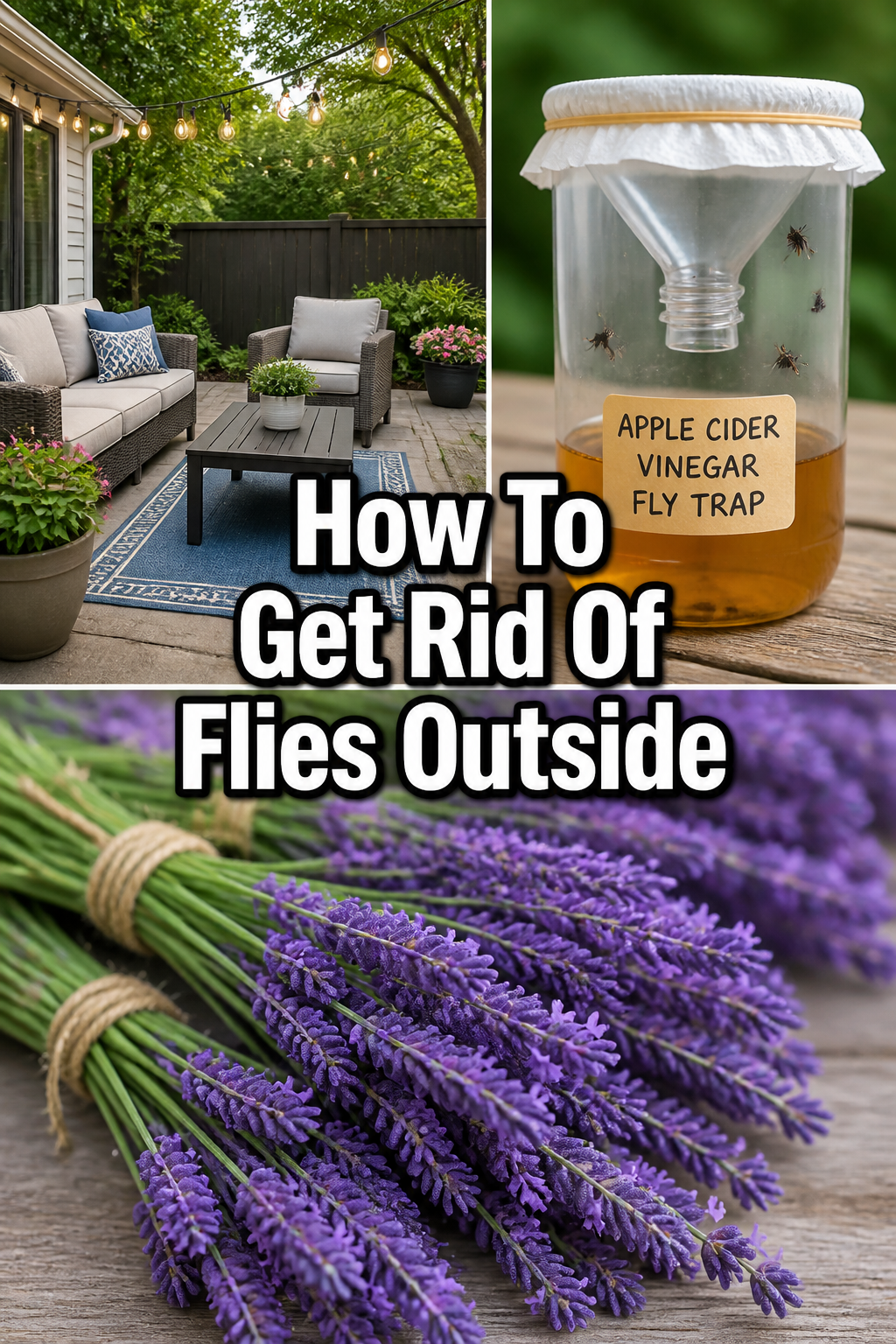
Lavender, mint, and rosemary are stunning additions to any garden and emit scents that flies find quite repulsive.
Position these aromatic herbs in stylish terracotta pots directly on your dining table or along the perimeter of your deck.
Basil is another excellent choice that looks lush in a window box and helps keep the air clear of buzzing pests.
Prune your plants regularly to encourage new growth, which often carries the strongest scent profile.
Marigolds offer a bright pop of color and contain pyrethrum, a natural insecticide that many gardeners swear by.
Step 3: Master the Art of Air Movement
Install high-quality outdoor ceiling fans or stylish oscillating floor fans around your seating areas.
Flies are relatively weak fliers and struggle to navigate in even a gentle breeze.
Direct the airflow downward and across the surface of your dining table to create a “no-fly zone” for your meals.
A well-placed fan not only keeps the bugs away but also adds a layer of comfort on those humid summer afternoons.
Choose fans with a finish that complements your outdoor furniture, such as matte black or weathered wood.
Step 4: Switch to Warm-Toned Lighting
Replace your standard white or blue-toned outdoor bulbs with warm yellow or amber LED lights.
Most insects, including flies, are attracted to the UV rays and cool blue light emitted by traditional bulbs.
Look for bulbs labeled as “bug lights” which are specifically designed to be less visible to flying insects.
This simple change creates a cozy, high-end atmosphere while significantly reducing the number of pests drawn to your porch at dusk.
Layer your lighting with string lights or lanterns to maintain a beautiful glow without inviting a swarm.
Step 5: Utilize Discreet Trapping Methods
Set up fly traps in the far corners of your yard, well away from where people gather.
The goal is to lure the flies toward the perimeter of your property and away from your living space.
Opt for disposable fly bags for heavy infestations or decorative ceramic traps for a more permanent, subtle look.
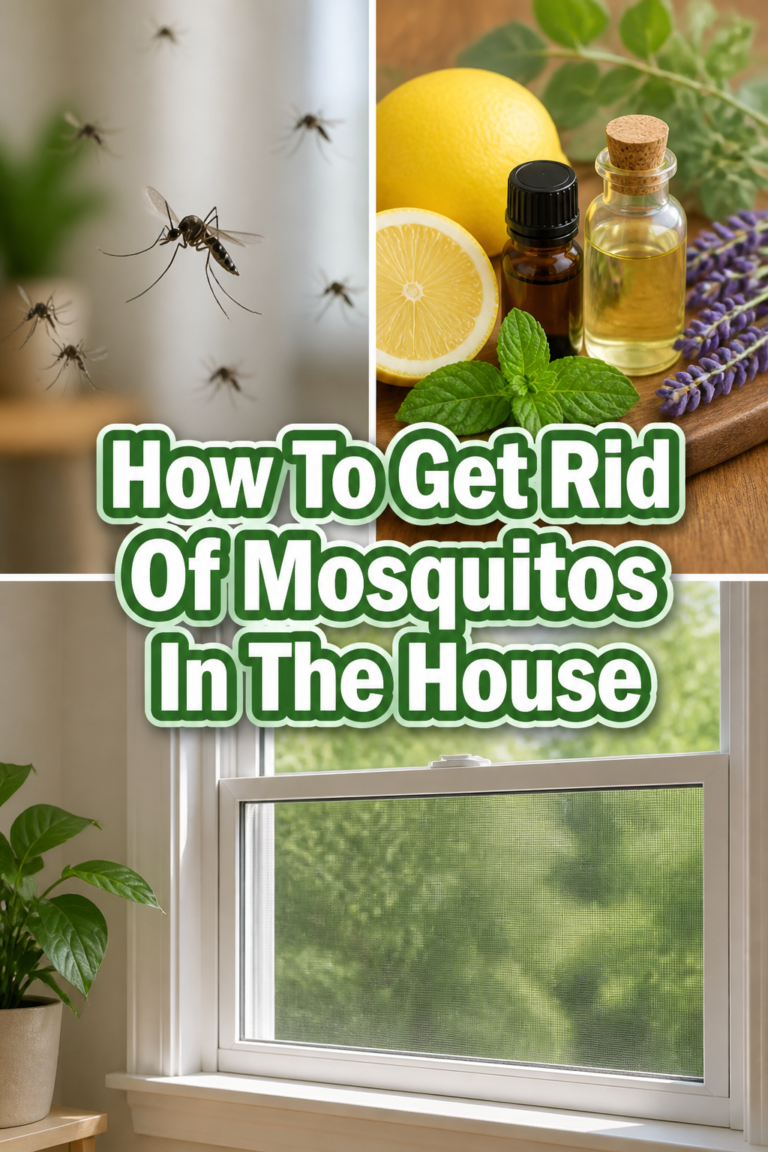
You can create a simple DIY trap using a jar, some apple cider vinegar, and a few drops of dish soap.
Hide these traps behind large planters or garden ornaments so they do not disrupt the visual flow of your landscape.
Pro Tip: Empty or replace traps frequently to ensure they remain effective and do not become an eyesore or a source of odors.
Step 6: Manage Moisture and Drainage
Inspect your gutters and downspouts to ensure they are clear of debris and draining properly away from the house.
Standing water is a breeding ground for many types of flies and mosquitoes.
Level any low spots in your lawn where water tends to pool after a heavy rainstorm.
If you have a birdbath, change the water every few days to keep it fresh and unattractive to egg-laying insects.
Check for leaky outdoor faucets or irrigation lines that might be creating damp patches in your mulch.
Step 7: Curate Your Dining Setup
Invest in stylish mesh food covers or glass cloches to protect your appetizers and entrees during outdoor gatherings.
Keeping food covered is the most effective way to prevent flies from landing on your plates.
Clear away empty plates and glasses as soon as guests are finished to remove any lingering sugar or protein trails.
Use a damp cloth to wipe down tables immediately after spills occur to prevent sticky surfaces.
Incorporate unscented candles or specialized essential oil diffusers into your table landscape for an added layer of protection.
Step 8: Layer Natural Scents
Mix a few drops of eucalyptus, peppermint, or lemongrass essential oil with water in a decorative spray bottle.
Lightly mist your outdoor cushions, umbrellas, and rug perimeters before guests arrive.
Place bowls of dried cloves or citrus peels on side tables to create a pleasant aroma that flies dislike.
Pine-scented cleaners are also surprisingly effective at deterring flies when used to wipe down outdoor surfaces.
Refresh these scents every few hours, as natural oils tend to dissipate more quickly in the open air.
Common Mistakes to Avoid
Relying Solely on Bug Zappers
Many people believe that bug zappers are the ultimate solution for flies, but they often do more harm than good.
These devices tend to kill beneficial insects like moths and beetles while actually attracting more flies to the area with their bright light.
Instead of a zapper, focus on repellent methods and strategic trap placement that works with the flies’ natural instincts.
Ignoring the Source of the Problem
It is easy to get caught up in buying gadgets and sprays, but if you don’t find where the flies are breeding, they will keep coming back.
Check under decks, inside crawl spaces, and near compost bins for decaying matter that might be hidden from view.
Removing the breeding ground is the only way to achieve long-term relief from a fly infestation.
Using Harsh Chemicals Near Dining Areas
Spraying heavy-duty pesticides around your outdoor dining table can be dangerous for your family and pets.
These chemicals can drift onto food surfaces and often have an unpleasant medicinal smell that ruins the ambiance.
Stick to natural repellents and mechanical barriers like fans and covers for the areas where you eat and relax.
Troubleshooting
The Flies Are Still Swarming the Table
If you have fans running and the flies are still persistent, check for “hidden” food sources nearby.
A fallen piece of fruit from a nearby tree or a small spill between deck boards can be enough to keep them interested.
Try increasing the fan speed or moving the fan closer to the center of the table for more direct airflow.
The Traps Smell Terrible
Bait-based traps are designed to smell like rotting material to attract flies, which can be unpleasant if they are too close to the house.
Move the traps further downwind and ensure they are placed in a sunny spot to help the bait activate more quickly.
If the smell persists, switch to a different type of trap, such as sticky ribbons or light-based traps designed for outdoor use.
Key Takeaways
- Sanitation is the foundation of fly control; keep your bins clean and your yard clear of waste.
- Use nature to your advantage by planting lavender, basil, and rosemary around your patio.
- Create physical barriers using fans and mesh food covers to protect your living space.
- Swap out bright white outdoor lights for warm amber bulbs to reduce nighttime attraction.
- Place traps strategically at the edges of your property to draw flies away from your guests.
- Maintain a dry environment by fixing leaks and ensuring proper drainage throughout your yard.
Frequently Asked Questions
Do citronella candles actually work for flies?
Citronella is more effective against mosquitoes than houseflies, though it can provide a mild deterrent effect.
For flies, you will have better results using peppermint or eucalyptus oils, or simply using a fan to move the air.
How far away should I place fly traps?
You should place traps at least 20 to 30 feet away from your seating area to ensure the flies are drawn away from you.
Placing them too close will actually bring more flies into your immediate vicinity.
What is the best time of day to treat for flies?
Early morning or late evening is the best time to clean and set up your defenses, as flies are less active in cooler temperatures.
This allows your repellents and traps to be fully in place before the heat of the day brings the flies out in full force.
Our Top Recommended Finds
- Oscillating Outdoor Pedestal Fan: A weather-resistant fan with a sleek finish provides the perfect breeze to keep flies at bay while adding a touch of industrial chic to your patio.
- Aesthetic Mesh Food Covers: Look for collapsible white or lace-trimmed mesh tents that protect your food while looking like a deliberate part of your table decor.
- Ceramic Essential Oil Diffuser: A cordless, stone-effect diffuser allows you to spread repelling scents like lemongrass without the need for unsightly wires or plugs.
Designing Your Perfect Bug-Free Oasis
Creating a beautiful outdoor space is an investment in your well-being and your home’s overall aesthetic.
By integrating these practical steps into your routine, you can stop worrying about pests and start enjoying the fresh air.
Take a moment today to walk through your yard and identify one small change you can make to reclaim your sanctuary.
Whether it’s planting a pot of fresh basil or finally upgrading those old porch lights, your future self will thank you for the peace and quiet.